预约演示
更新于:2025-09-09

University of Papua New Guinea
更新于:2025-09-09
概览
关联
NCT05764876
Repurposing Clinically Approved Drugs for Yaws with an Insight Into the Cutaneous Ulcer Disease Syndrome (Trep-AByaws)
NCT04453124
An Accessible Low-cost Plant Treatment for Cutaneous Ulcers
ACTRN12620000452998
Effectiveness of bi-annual application of 38% silver diamine fluoride solution compared to 5% sodium fluoride varnish on arrested carious lesions on primary teeth in children aged 2-5 years in a rural setting near Port Moresby, Papua New Guinea

100 项与 University of Papua New Guinea 相关的临床结果
登录后查看更多信息
登录后查看更多信息
2025-09-01MIDWIFERY
Evaluation of a cross cultural peer-support program to develop midwifery leadership: A multimethod study
Article
作者: Crawford, Kimberley ; Sitaing, Mary ; Aines, Paula Zebdee ; Brown, Judi ; Bailey, Carolyn ; Geregl, Nancy ; Hall, Helen
PROBLEM:
Across the globe there is a need to increase the number of midwives and invest in developing the capacity of midwives.
BACKGROUND:
There is evidence that the promotion of midwifery leadership can lead to an improvement in maternal and newborn health. The Papua New Guinea (PNG) Midwifery Buddy Program develops a partnership between Australian and PNG midwives with the goal of building leadership confidence and skills in participants.
AIM:
To explore participants' perception of the Buddy Program and the impact that participation in the Program had on their leadership skills.
METHODS:
This study utilised a multi-method approach, where data were collected through surveys conducted on multiple time points throughout the Buddy Program. All participants in the Program were invited to participate. Self-Leadership, Confidence as a Leader, Behaviour as a leader, and perceptions on the program workshop were assessed. Within and between group comparisons were made at baseline, after the workshop and 6-months.
FINDINGS:
The program was completed by 12 midwives from PNG and 7 from Australia. From baseline to 6-months, there was a significant increase in self-leadership skills (p= 0.016) in the PNG midwives. There was no significant difference between the Australian and PNG midwives for Self-Leadership, Confidence as a Leader or Behaviour as a leader at any time point.
DISCUSSION:
Participation in the Program allowed midwives to develop their leadership skills and midwives valued the opportunity to network with other midwives.
CONCLUSION:
The Buddy Program could be a model applied across other countries to build the capacity of midwives.
2025-08-01Current Developments in Nutrition
Micronutrients Associated With Anemia in School-age Children and Adolescents 2005–2018: Biomarkers Reflecting Inflammation and Nutritional Determinants of Anemia (BRINDA) Project
Article
作者: Geng, Jiaxi ; Ko, Yi-An ; Temple, Victor ; Ramirez-Luzuriaga, Maria J ; Addo, Yaw ; Werner, Rochelle ; Rohner, Fabian ; Liu, Lei ; Suchdev, Parminder S ; Williams, Anne ; Luo, Hanqi ; Wang, Yuqing ; Bhutta, Zulfiqar Ahmed ; Wieringa, Frank ; Engle-Stone, Reina ; Young, Melissa F
Background:
School-age children and adolescents may be at risk of anemia through demands on micronutrients required for growth and maturation.
Objectives:
This multicountry analysis examined the burden of anemia in children aged 5-19 y by sex and age category and associations with micronutrient deficiencies, inflammation, and BMI.
Methods:
Children aged 5-19 y from surveys in the Biomarkers Reflecting Inflammation and Nutritional Determinants of Anemia (BRINDA) Project were included with hemoglobin, ≥1 micronutrient (iron, vitamin A, folate, vitamin B12, or zinc) and inflammation biomarker, and n > 100 per survey. Factors with bivariate relationships with anemia (P < 0.1) were included in multivariable modified Poisson regression models to examine the attributable burden of anemia.
Results:
This analysis included 54,534 children from 17 surveys in 16 countries (16 surveys for 15-19 y; 9 surveys for 10-14 y; 8 surveys for 5-9 y). Median overall anemia prevalence was 16% (range: 5% in Ecuador, United Kingdom, and United States to 59% in Côte d'Ivoire) with the highest burden in 15-19-y-old females (24%). In most surveys, anemia prevalence did not differ by sex for children aged 5-14 y, and median anemia prevalence was lower in children aged 10-14 y (7%) than in those aged 5-9 y (9%) or 15-19 y (22%). In most surveys, higher anemia prevalence was associated (P < 0.05) with iron deficiency (15%) [prevalence ratio (PR): 1.6-14.2; 5-9 y, 4/7 surveys; 10-14 y, 6/6 surveys; 15-19 y, 13/14 surveys), vitamin A deficiency (2%) (PR: 1.8-3.0; 5-9 y, 2/2 surveys; 10-14 y, 2/3 surveys; 15-19 y, 2/3 surveys), and inflammation (13%) (PR: 1.4-2.4: 5-9 y, 4/4 surveys; 10-14 y, 2/4 surveys; 15-19 y, 6/8 surveys). Folate, vitamin B12, zinc, and BMI had weak, variable associations with anemia.
Conclusions:
Iron deficiency and vitamin A deficiency are consistently associated with anemia in school-age children and adolescents, whereas inflammation and other micronutrients had context-dependent associations. This research underscores the importance of examining multiple micronutrients associated with anemia in the context of factors such as country, age, and sex.
2025-07-01ARCHIVES OF DISEASE IN CHILDHOOD
Chimeric antigen receptor T cell therapy in childhood leukaemia
Review
作者: Abbott, Rebecca C ; Duke, Trevor ; Khaw, Seong Lin ; Gilsenan, Maddie ; Wang, Stacie Shiqi
Chimeric antigen receptor (CAR) T cell therapy is a promising form of adoptive cell therapy. This process re-engineers patient-derived T cells to express a hybrid receptor targeting a selected tumour-expressed antigen. CAR T cell therapy directed against the CD19 antigen has been highly successful in haematological malignancies that have failed other therapies, particularly relapsed B-cell acute lymphoblastic leukaemia (B-ALL). This review focuses on the numerous real-world aspects of treating children with B-ALL with CD19-targeted CAR T cell therapy. We discuss some of the considerations for clinicians including manufacturing time, administration and care of the patient receiving this novel therapy, toxicities and outcomes. We also discuss the therapeutic uncertainty many physicians now face of when to use CAR T cell therapy in the patient journey, especially when haematopoietic stem cell transplant is being considered.
100 项与 University of Papua New Guinea 相关的药物交易
登录后查看更多信息
100 项与 University of Papua New Guinea 相关的转化医学
登录后查看更多信息
组织架构
使用我们的机构树数据加速您的研究。
登录
或
管线布局
2026年02月07日管线快照
无数据报导
登录后保持更新
药物交易
使用我们的药物交易数据加速您的研究。
登录
或
转化医学
使用我们的转化医学数据加速您的研究。
登录
或
营收
使用 Synapse 探索超过 36 万个组织的财务状况。
登录
或
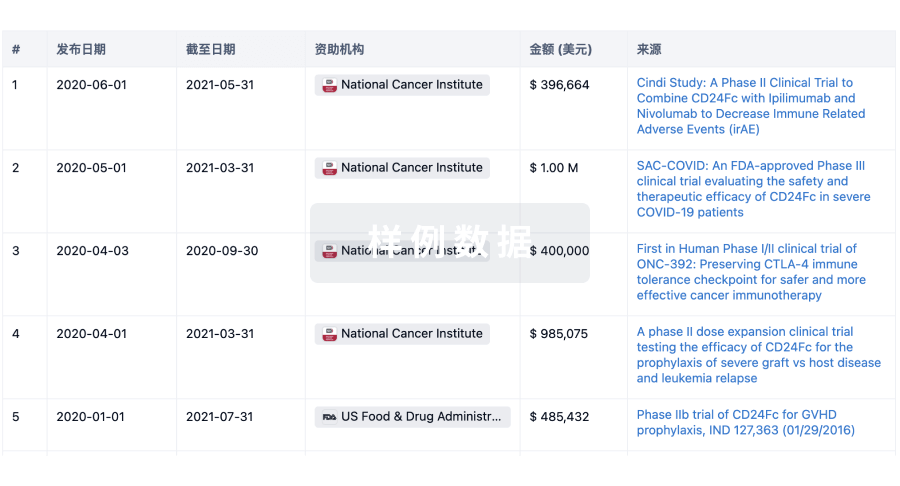
科研基金(NIH)
访问超过 200 万项资助和基金信息,以提升您的研究之旅。
登录
或
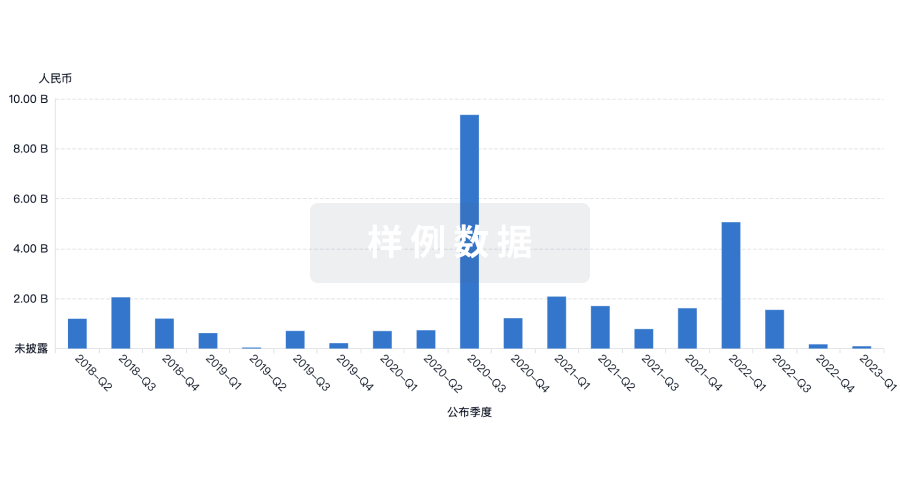
投资
深入了解从初创企业到成熟企业的最新公司投资动态。
登录
或
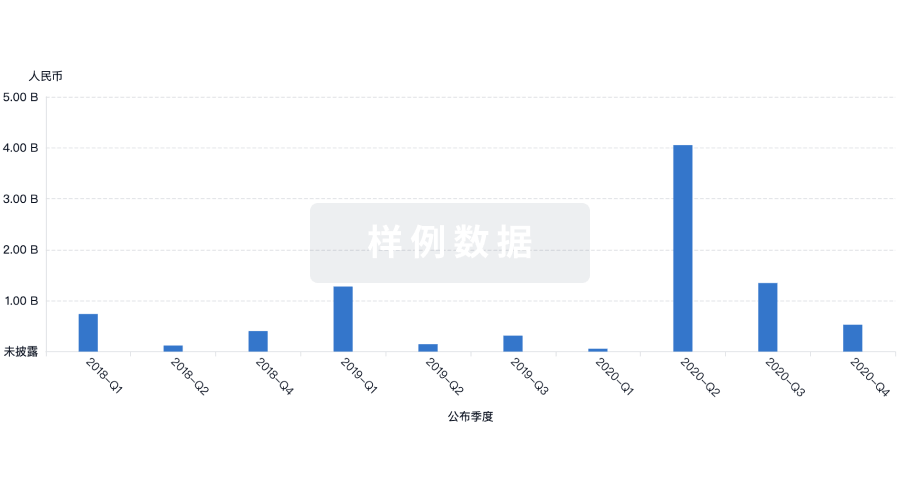
融资
发掘融资趋势以验证和推进您的投资机会。
登录
或
生物医药百科问答
全新生物医药AI Agent 覆盖科研全链路,让突破性发现快人一步
立即开始免费试用!
智慧芽新药情报库是智慧芽专为生命科学人士构建的基于AI的创新药情报平台,助您全方位提升您的研发与决策效率。
立即开始数据试用!
智慧芽新药库数据也通过智慧芽数据服务平台,以API或者数据包形式对外开放,助您更加充分利用智慧芽新药情报信息。
生物序列数据库
生物药研发创新
免费使用
化学结构数据库
小分子化药研发创新
免费使用