预约演示
更新于:2026-06-04

Shahid Beheshti University
更新于:2026-06-04
概览
标签
神经系统疾病
肿瘤
感染
小分子化药
预防性疫苗
降解型分子胶
疾病领域得分
一眼洞穿机构专注的疾病领域

技术平台
公司药物应用最多的技术
靶点
公司最常开发的靶点
关联
靶点 |
作用机制 |
在研机构 |
原研机构 |
在研适应症 |
非在研适应症 |
最高研发阶段 |
首次获批国家/地区 |
首次获批日期 |


靶点 |
作用机制 |
在研机构 |
原研机构 |
在研适应症 |
非在研适应症 |
最高研发阶段 |
首次获批国家/地区 |
首次获批日期 |


靶点 |
作用机制 |
在研机构 |
原研机构 |
在研适应症 |
非在研适应症 |
最高研发阶段 |
首次获批国家/地区 |
首次获批日期 |
IRCT20251023067733N1
A comparison of the effects of 10 weeks of balance and aerobic exercises on the balance, cancer-related fatigue, and quality of life of children with leukemia.
IRCT20251118068043N1
Comparison of The Effect of Six Weeks of Self-Massage and Nerve Gliding Exercise on Wrist Pain and Functional Disability of Piano Players with Carpal Tunnel Syndrome
IRCT20240703062314N1
Comparison of the Effect of Single-Task and Dual-Task Training on Gait and Quality of Life in People with Unilateral Transtibial Amputation: A Randomized Control Trial; RCT
100 项与 Shahid Beheshti University 相关的临床结果
登录后查看更多信息
登录后查看更多信息
2026-12-01Sleep medicine: X
Autonomic Dysfunction and Sleep Disorder in 35 Autoimmune Encephalitis
Article
作者: Beiranvand, Abbas ; Parvar, Sajad ; Etemadifar, Masoud ; Tehrani, Donya Sheibani ; Jamshidpour, Mohammad
Introduction:
Considering that sleep disorders have garnered limited attention in patients with Autoimmune Encephalitis, often eclipsed by other prevailing neurological and psychiatric symptoms within this subgroup, identifying and addressing underlying sleep disturbances could alleviate AE-related complications and improve long-term outcomes. Consequently, the present study aims to ascertain the prevalence of sleep disorders and autonomic dysfunction in individuals grappling with autoimmune encephalitis within the confines of Isfahan City.
Methods:
This descriptive-analytical study initially identified 50 autoimmune encephalitis patients. Fifteen patients were excluded due to loss to follow-up secondary to relocation or death. Consequently, a total of 35 patients who presented to neurology clinics in Isfahan between March 2023 and August 2024 were ultimately enrolled in the study. To measure the Sleep status, the Pittsburgh Sleep Quality Index were used. Data were analyzed using SPSS software (version 16). Statistical analyses were conducted employing the chi-square test and independent samples t-test. A p-value of less than 0.05 was considered statistically significant.
Results:
The results indicated that sleep disorders and autonomic dysfunction were observed in 65.7% and 62.9% of patients, respectively, with no significant correlation between clinical symptoms and EEG findings. Furthermore, there was no significant association between these findings and MRI results, except for a noteworthy difference between sleep disorders and normal MRI findings (P = 0.012 < 0.05).There was no statistically significant association between normal versus abnormal EEG findings and the signs and symptoms of autonomic dysfunction (P = 0.783). Similarly, no significant association was observed between abnormal MRI findings and autonomic dysfunction (P > 0.05).In addition, no statistically significant relationship was found between normal versus abnormal EEG findings and sleep disturbances (P = 0.710), nor between abnormal MRI findings and sleep disturbances (P > 0.05).Seventeen patients (48.57%) presented with both sleep disturbances and autonomic dysfunction concurrently. A significant association was observed between sleep and autonomic disturbances and antibody type in patients with autoimmune encephalitis (P < 0.05), with seronegative and anti-NMDA antibody-positive patients more frequently affected than those with other antibody types.
Conclusion:
The findings indicate that the prevalence of sleep and autonomic disturbances in the autoimmune encephalitis patients is higher than that observed in the general population and is not necessarily associated with structurally detectable lesions on conventional imaging.
2026-12-01MOLECULAR BIOLOGY REPORTS
Retraction Note: Improving AOX1 promoter efficiency by overexpression of Mit1 transcription factor
Article
作者: Siadat, Seyed Omid Ranaei ; Poodeh, Samin Haghighi ; Arjmand, Sareh ; Soltani, Maryam Khalifeh
2026-07-04Traffic Injury Prevention
Fuzzy-based driver monitoring system to assess dangerous driving on roads
Article
作者: Zargari, SeyedAman ; Baghbani, Fahimeh ; Jarrah, Alireza
OBJECTIVES:
Road accidents result from various contributing factors, including driver fatigue, inappropriate vehicle speed, adverse weather, and temporal factors. The research in this paper aims to design and evaluate a Fuzzy Driver Monitoring System (FDMS) that automatically identifies dangerous driving behavior by considering critical driving parameters to enhance road safety.
METHODS:
In this work, a fuzzy logic driver alert system is designed that considers five key driving parameters: vehicle speed, driver drowsiness, weather, day of the week, and time of day. To detect the driver's drowsiness, a BlazeFace-based detection stage is first utilized to accurately identify and crop the driver's face from the video feed to ensure the model focuses on pertinent facial cues. The drowsiness level is then estimated using an improved deep-learning model (LSTM, CNN) with a longer temporal window for facial expression recognition. The FDMS evaluates driving risks from very low to very high according to its five inputs.
RESULTS:
The system proposed here accurately evaluated driving risk levels under various simulated conditions. Scenarios involving high drowsiness of the driver, higher vehicle speeds, and poor weather conditions all yielded stable high-risk levels. Specifically, the improved drowsiness detection algorithm reached an accuracy rate of 70.46%, enhancing the reliability of risk assessment by including a broader range of risk factors than earlier studies. Furthermore, the model demonstrated a robust classification performance with an F1-score of 71.64% and an Area Under the Curve (AUC) of 0.75, confirming its effectiveness in distinguishing between drowsy and alert states. Additionally, a Graphical User Interface (GUI) was developed to display real-time data and the driving risk level based on simulated or collected data from the Global Positioning System (GPS) sensor, weather Application Programming Interface (API), and camera. The proposed FDMS was evaluated under various driving conditions and achieved an accuracy of 77.5% in true alerts provided to the driver. Finally, the proposed FDMS is experimentally assessed using an experimental hardware setup consisting of a laptop, webcam, GPS, and General Packet Radio Service (GPRS) module to demonstrate its real-world applicability.
CONCLUSIONS:
The proposed FDMS is shown to detect high-risk driving conditions precisely with timely and precise risk estimation. The addition of various significant risk factors significantly enhanced prediction accuracy, indicating its potential for preventing many accidents through timely warnings to the driver.
100 项与 Shahid Beheshti University 相关的药物交易
登录后查看更多信息
100 项与 Shahid Beheshti University 相关的转化医学
登录后查看更多信息
组织架构
使用我们的机构树数据加速您的研究。
登录
或
管线布局
2026年10月06日管线快照
管线布局中药物为当前组织机构及其子机构作为药物机构进行统计,早期临床1期并入临床1期,临床1/2期并入临床2期,临床2/3期并入临床3期
临床前
13
1
其他
登录后查看更多信息
当前项目
登录后查看更多信息
药物交易
使用我们的药物交易数据加速您的研究。
登录
或
转化医学
使用我们的转化医学数据加速您的研究。
登录
或
营收
使用 Synapse 探索超过 36 万个组织的财务状况。
登录
或
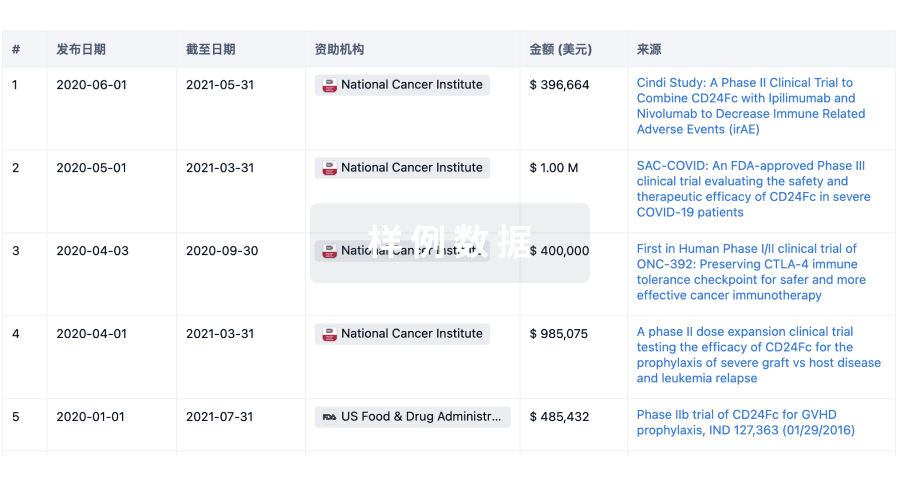
科研基金(NIH)
访问超过 200 万项资助和基金信息,以提升您的研究之旅。
登录
或
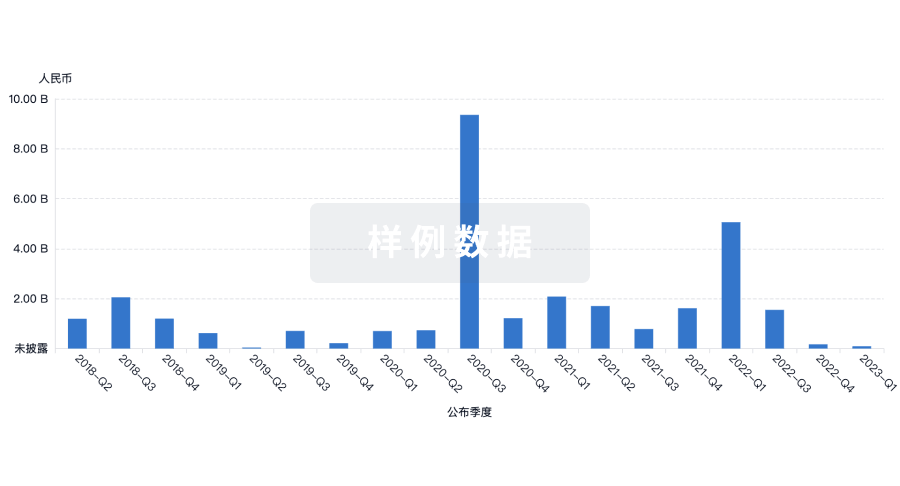
投资
深入了解从初创企业到成熟企业的最新公司投资动态。
登录
或
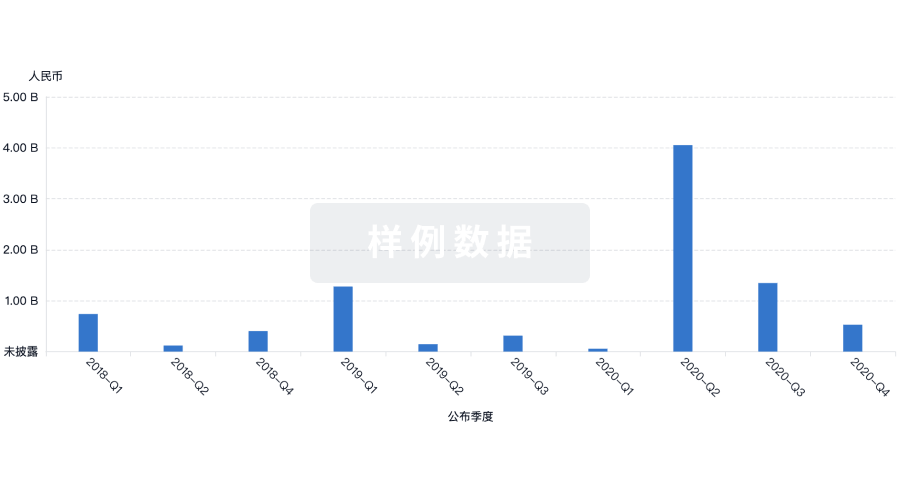
融资
发掘融资趋势以验证和推进您的投资机会。
登录
或
提出任何生物医药研究问题
让每一步生物医药决策都精准制胜
基于十亿级生物数据与全球情报的精准 AI,赋能早期药物发现
立即开始免费试用!
智慧芽新药情报库是智慧芽专为生命科学人士构建的基于AI的创新药情报平台,助您全方位提升您的研发与决策效率。
立即接入生物医药数据包
智慧芽新药库数据也通过智慧芽开放平台,以MCP或API服务形式对外开放。立即使用我们的MCP服务定制您的LLM智能体。
生物序列数据库
生物药研发创新
免费使用
化学结构数据库
小分子化药研发创新
免费使用