预约演示
更新于:2026-01-29

Liverpool John Moores University
更新于:2026-01-29
概览
关联
NCT07368881
Fast Food Online Delivery Purchase Behaviour in the Presence and Absence of Price-based Incentives

NCT07366931
A Randomized, Placebo-controlled, Double-blind Trial on the Effect of Daily Supplementation With Humiome® Post LB on Gastrointestinal Symptoms in Female Athletes
NCT07341243
The Effect of Acute Heat Exposure on Glucose Use During Moderate-intensity Exercise in People With Type 1 Diabetes
100 项与 Liverpool John Moores University 相关的临床结果
登录后查看更多信息
登录后查看更多信息
2026-04-01FOOD AND CHEMICAL TOXICOLOGY
Update to RIFM fragrance ingredient safety assessment, γ-hexalactone, CAS Registry Number 695-06-7
Article
作者: Ritacco, G ; Burton, G A ; Dagli, M L ; Botelho, D ; Chon, H ; Schember, I ; Joshi, K ; Bryant-Friedrich, A ; Schultz, T W ; Lapczynski, A ; Penning, T M ; Cancellieri, M A ; Thakkar, Y ; Deodhar, C ; Muldoon, J ; Bruze, M ; Laskin, D L ; Belsito, D ; Sipes, I G ; Cronin, M ; Moustakas, H ; Lavelle, M ; Piersma, A H ; Dekant, W ; Lee, I ; Crotty, S ; Fryer, A D ; Siddiqi, F ; Jones, L ; Farrell, K ; Bartlett, A ; Api, A M ; Sullivan, G ; Sadekar, N
γ-Hexalactone was evaluated for genotoxicity, repeated dose toxicity, reproductive toxicity, local respiratory toxicity, photoirritation/photoallergenicity, skin sensitization, and environmental safety. Data from read-across analog γ-valerolactone (CAS # 108-29-2) show that γ-hexalactone is not expected to be genotoxic. Data on γ-hexalactone provide a calculated Margin of Exposure (MOE) > 100 for the repeated dose toxicity and developmental toxicity endpoints. Data on read-across analog γ-dodecalactone (CAS # 2305-05-7) provide a calculated MOE >100 for the fertility endpoint. Data from read-across analog 4-hydroxybutanoic acid lactone (CAS # 96-48-0) show that there are no safety concerns for γ-hexalactone for skin sensitization under the current declared levels of use. The photoirritation/photoallergenicity endpoints were evaluated based on ultraviolet/visible (UV/Vis) spectra; γ-hexalactone is not expected to be photoirritating/photoallergenic. The local respiratory toxicity endpoint was evaluated using the Threshold of Toxicological Concern (TTC) for a Cramer Class I material, and the exposure to γ-hexalactone is below the TTC (1.4 mg/day). The environmental endpoints were evaluated; γ-hexalactone was found not to be Persistent, Bioaccumulative, and Toxic (PBT) as per the International Fragrance Association (IFRA) Environmental Standards, and its risk quotients, based on its current volume of use (VoU) in Europe and North America (i.e., Predicted Environmental Concentration/Predicted No Effect Concentration [PEC/PNEC]), are <1.
2026-04-01FOOD AND CHEMICAL TOXICOLOGY
RIFM fragrance ingredient safety assessment, 2-methyl-3-tolylpropionaldehyde, CAS Registry Number 41496-43-9
Article
作者: Ritacco, G ; Burton, G A ; Dagli, M L ; Botelho, D ; Chon, H ; Schember, I ; Joshi, K ; Schultz, T W ; Bryant-Friedrich, A ; Lapczynski, A ; Penning, T M ; Deodhar, C ; Cancellieri, M A ; Thakkar, Y ; Muldoon, J ; Bruze, M ; Laskin, D L ; Belsito, D ; Sipes, I G ; Cronin, M ; Moustakas, H ; Lavelle, M ; Piersma, A H ; Dekant, W ; Crotty, S ; Lee, I ; Fryer, A D ; Siddiqi, F ; Jones, L ; Farrell, K ; Bartlett, A ; Api, A M ; Sullivan, G ; Sadekar, N
2026-04-01FOOD AND CHEMICAL TOXICOLOGY
Update to RIFM fragrance ingredient safety assessment, ethyl pyruvate, CAS registry number 617-35-6
Article
作者: Ritacco, G ; Burton, G A ; Dagli, M L ; Botelho, D ; Chon, H ; Schember, I ; Joshi, K ; Bryant-Friedrich, A ; Schultz, T W ; Lapczynski, A ; Penning, T M ; Thakkar, Y ; Deodhar, C ; Cancellieri, M A ; Muldoon, J ; Bruze, M ; Laskin, D L ; Belsito, D ; Sipes, I G ; Cronin, M ; Moustakas, H ; Lavelle, M ; Piersma, A H ; Dekant, W ; Crotty, S ; Lee, I ; Fryer, A D ; Siddiqi, F ; Jones, L ; Farrell, K ; Bartlett, A ; Api, A M ; Sullivan, G ; Sadekar, N
2025-07-28
·生物谷
100 项与 Liverpool John Moores University 相关的药物交易
登录后查看更多信息
100 项与 Liverpool John Moores University 相关的转化医学
登录后查看更多信息
组织架构
使用我们的机构树数据加速您的研究。
登录
或
管线布局
2026年10月18日管线快照
无数据报导
登录后保持更新
药物交易
使用我们的药物交易数据加速您的研究。
登录
或
转化医学
使用我们的转化医学数据加速您的研究。
登录
或
营收
使用 Synapse 探索超过 36 万个组织的财务状况。
登录
或
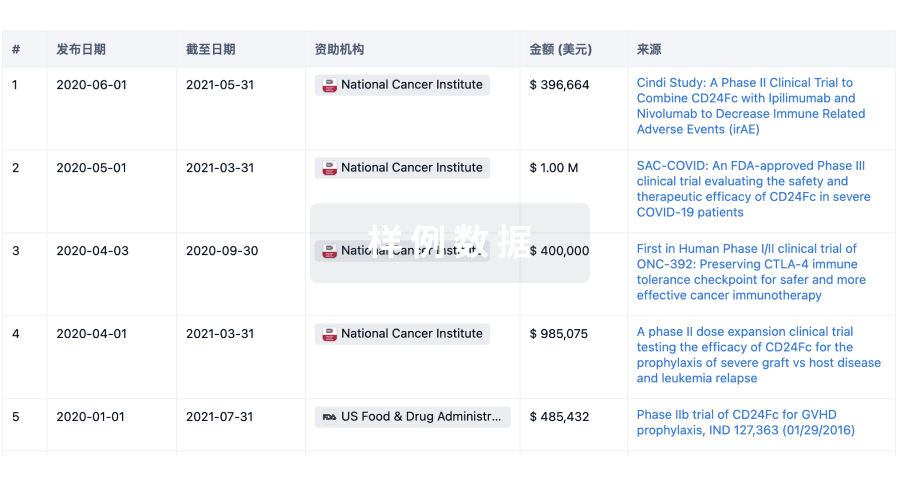
科研基金(NIH)
访问超过 200 万项资助和基金信息,以提升您的研究之旅。
登录
或
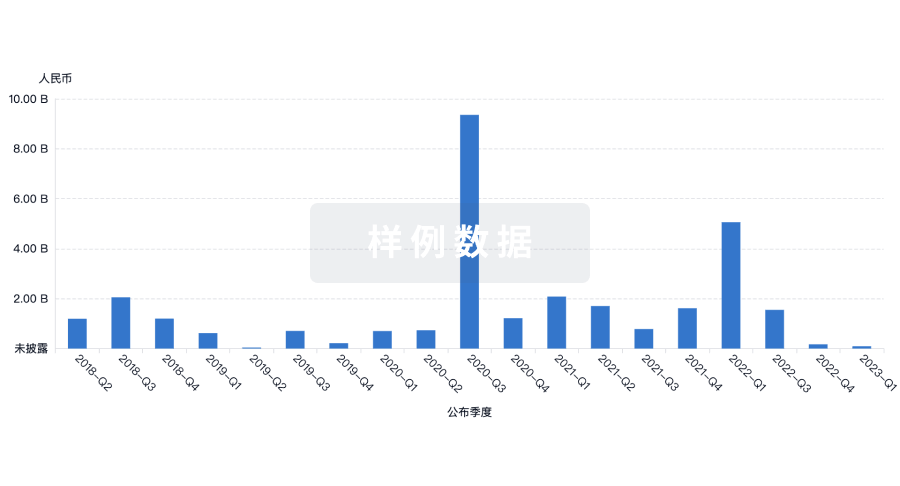
投资
深入了解从初创企业到成熟企业的最新公司投资动态。
登录
或
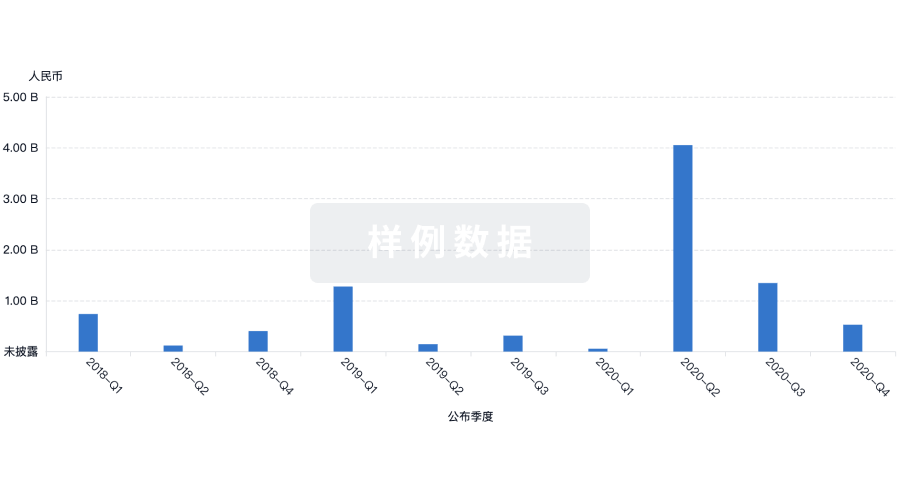
融资
发掘融资趋势以验证和推进您的投资机会。
登录
或
提出任何生物医药研究问题
让每一步生物医药决策都精准制胜
基于十亿级生物数据与全球情报的精准 AI,赋能早期药物发现
立即开始免费试用!
智慧芽新药情报库是智慧芽专为生命科学人士构建的基于AI的创新药情报平台,助您全方位提升您的研发与决策效率。
立即接入生物医药数据包
智慧芽新药库数据也通过智慧芽开放平台,以MCP或API服务形式对外开放。立即使用我们的MCP服务定制您的LLM智能体。
生物序列数据库
生物药研发创新
免费使用
化学结构数据库
小分子化药研发创新
免费使用