预约演示
更新于:2025-05-07
Institute of Bioinformatics & Applied Biotechnology
更新于:2025-05-07
概览
关联
1
项与 Institute of Bioinformatics & Applied Biotechnology 相关的临床试验CTRI/2022/02/040198
Whole genome, exome, transcriptome and small-RNA sequencing for AML/ALL samples
开始日期2022-02-21 |
100 项与 Institute of Bioinformatics & Applied Biotechnology 相关的临床结果
登录后查看更多信息
0 项与 Institute of Bioinformatics & Applied Biotechnology 相关的专利(医药)
登录后查看更多信息
290
项与 Institute of Bioinformatics & Applied Biotechnology 相关的文献(医药)2025-07-01·Journal of Invertebrate Pathology
Biological and genomic characterization of a cypovirus isolated from golden muga silkworm, Antheraea assamensis Helfer (Lepidoptera: Saturniidae)
Article
作者: K, Gowtham ; Neog, Kartik ; Moorthy, S Manthira ; Singh, Abhishek ; Gadad, Hanamant ; Deepika, Iyyangar ; Ponnuvel, Kangayam M ; Shukla, Pawan ; Gnanasekaran, Roja ; Kumar, Indira ; Arunkumar, K P ; Subramanya, H S ; Dubey, Himanshu ; Ghosh, Sanjay ; Debnath, Rajal ; Santhoshkumar, Rashmi ; Sivaprasad, Vankadara ; Subrahmanyam, Gangavarapu ; Sangannavar, Prashanth ; Sivakumar, G ; Kumar, Vikram
2025-06-01·Gene
Construction and characterization of cloning vector and temperature sensitive vectors for Gordonia sp. IITR100
Article
作者: Chandrakanta, Chudamani ; Shefrin, Seyad ; Jain, Prarthana ; Karmakar, Shreyoshi ; Srivastava, Preeti ; Kumar, Vipul ; Sundar, Durai
2025-02-01·International Immunopharmacology
Global transcriptome profiling of ST09 treated breast cancer cells identifies miR-197-5p/GPX3 antioxidant axis as a regulator of tumorigenesis
Article
作者: Ravindran, Febina ; Thumsi, Jayanthi ; Shahana, M V ; Choudhary, Bibha ; Mhatre, Anisha ; Nirgude, Snehal ; Sharma, Shivangi ; Rai, Prashant Kumar ; Desai, Sagar ; Mahadeva, Raghunandan
1
项与 Institute of Bioinformatics & Applied Biotechnology 相关的新闻(医药)2005-10-19
The Chief Minister, Dharam Singh, said here on Sunday that the State Government, while being committed to the welfare of farmers and the poor, would accord high priority to information technology and biotechnology, as had been done by the previous Congress Government. Inaugurating the fourth biotechnology trade show of the State, Bangalore Bio 2004, Mr. Singh promised an initial investment of Rs. 10 crores for the proposed biotechnology park, Bangalore Helix, on the outskirts of the city. The money would be used to upgrade infrastructure of the Institute of Biotechnology and Applied Biology and the Centre for Human Genetics, both started with partial State assistance. About Rs. 3 crores had already been released, and the Centre had been requested to provide Rs. 50 crores for the park, he added. The institute is to be shifted to phase 1 of the biotechnology park, which will come up on 40 hectares of land adjacent to the Electronics City. It offers a three-semester postgraduate programme in bioinformatics, including a six-month internship in the industry.
100 项与 Institute of Bioinformatics & Applied Biotechnology 相关的药物交易
登录后查看更多信息
100 项与 Institute of Bioinformatics & Applied Biotechnology 相关的转化医学
登录后查看更多信息
组织架构
使用我们的机构树数据加速您的研究。
登录
或
管线布局
2026年02月07日管线快照
无数据报导
登录后保持更新
药物交易
使用我们的药物交易数据加速您的研究。
登录
或
转化医学
使用我们的转化医学数据加速您的研究。
登录
或
营收
使用 Synapse 探索超过 36 万个组织的财务状况。
登录
或
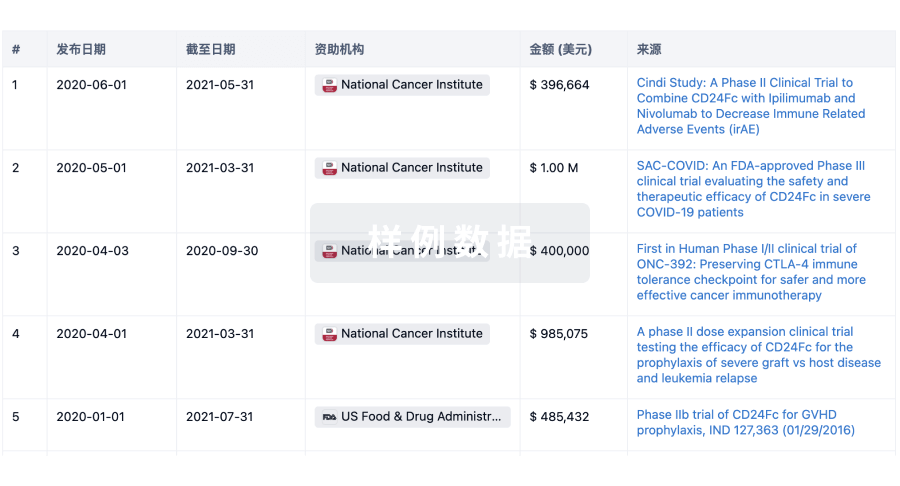
科研基金(NIH)
访问超过 200 万项资助和基金信息,以提升您的研究之旅。
登录
或
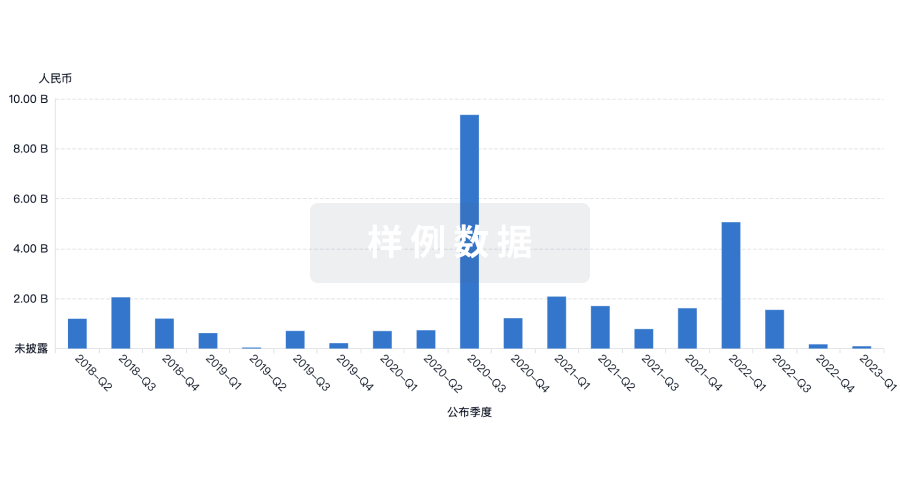
投资
深入了解从初创企业到成熟企业的最新公司投资动态。
登录
或
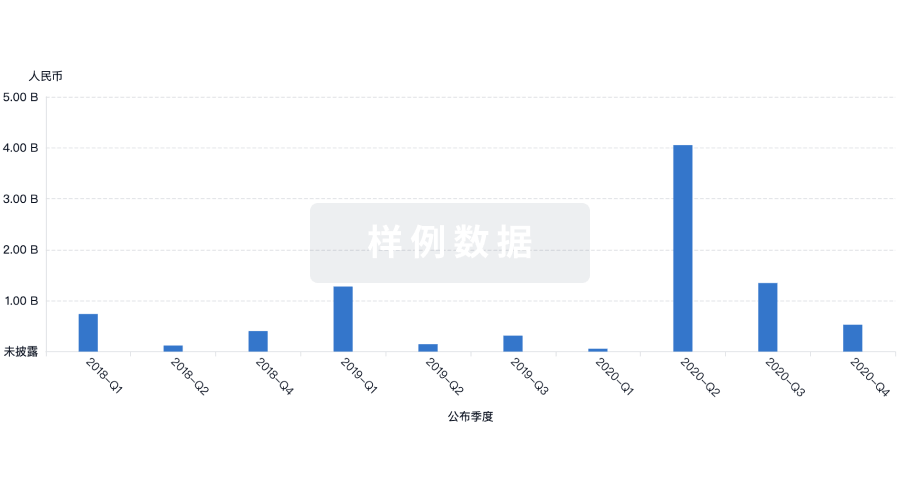
融资
发掘融资趋势以验证和推进您的投资机会。
登录
或
生物医药百科问答
全新生物医药AI Agent 覆盖科研全链路,让突破性发现快人一步
立即开始免费试用!
智慧芽新药情报库是智慧芽专为生命科学人士构建的基于AI的创新药情报平台,助您全方位提升您的研发与决策效率。
立即开始数据试用!
智慧芽新药库数据也通过智慧芽数据服务平台,以API或者数据包形式对外开放,助您更加充分利用智慧芽新药情报信息。
生物序列数据库
生物药研发创新
免费使用
化学结构数据库
小分子化药研发创新
免费使用