预约演示
更新于:2026-03-04

Hospital Santa Paula SA
更新于:2026-03-04
概览
关联
RBR-95yjmq
Randomized, double-blind, placebo-controlled clinical trial to evaluate the efficacy and safety of hydroxychloroquine and azithromycin versus placebo in the negative viral load of participants with flu syndrome caused by SARS-CoV2 and who have no indication for hospitalization - NA : NA
100 项与 Hospital Santa Paula SA 相关的临床结果
登录后查看更多信息
登录后查看更多信息
2025-11-02Pain Management
Mesencephalotomy for the treatment of facial cancer pain: a systematic review of the literature
Review
作者: de Aguiar, Paulo Henrique Pires ; Mazer, Lígia Del’ Agnolo ; de Oliveira, Silvia ; Prado, Sarah Grunberg Almeida
AIMS:
This systematic review aims to analyze and explore the risks, benefits, and efficacy of performing Mesencephalotomy in patients with unilateral facial pain secondary to cancer.
METHODS:
This study followed PRISMA guidelines and used the PubMed and "Biblioteca Virtual em Saúde" (BVS) databases. The risk of bias for all included studies was assessed individually with the "Risk Of Bias In Non-randomized Studies of Interventions (ROBINS-I)" tool.
RESULTS:
Six articles were included in this review. The surgical outcomes were promising, supporting the safety and efficacy of mesencephalotomy for malignant facial pain and surpassing the general efficacy reported in the literature.
CONCLUSIONS:
Mesencephalotomy should be considered a viable approach to pain management in patients with facial pain secondary to malignant neoplasms. This intervention has the potential for broader application within the field of palliative Care. This research is not registered in any database.
2025-10-01BREAST
Immune-related adverse events among patients with early-stage triple-negative breast cancer treated with pembrolizumab plus chemotherapy: real-world data from the Neo-Real/GBECAM 0123 study
Article
作者: Bonadio, Renata Colombo ; Tavares, Monique Celeste ; Hoff, Paulo M ; Rosa, Daniela Dornelles ; Testa, Laura ; Balint, Flávia Cavalcanti ; Ferreira, Rafael Dal Ponte ; de Araújo, Júlio Antônio Pereira ; Barroso-Sousa, Romualdo ; de Melo Gagliato, Débora ; Gutierres, Isabella Gonçalves ; Ferrari, Anezka ; Madasi, Fernanda ; Santos, Candice Lima ; Fernandes Monteiro, Maria Marcela ; de Souza, Zenaide Silva ; de Sousa, Isadora Martins ; Gouveia, Mariana Carvalho ; Cangussu, Renata ; Zucchetti, Bruna M ; Andrade, Matheus de Oliveira ; Dos Anjos, Carlos Henrique ; de Brito, Mayana Lopes ; Bines, José ; Marin Comini, Ana Carolina ; Assad-Suzuki, Daniele ; Del Pilar Estevez-Diz, Maria
BACKGROUND:
Pembrolizumab combined with neoadjuvant chemotherapy is the standard of care for stage II-III triple-negative breast cancer (TNBC) based on the KEYNOTE-522 trial. However, 13 % of patients experienced immune-related adverse events (irAEs) of grade ≥3 in the trial. This study aims to describe patterns of irAEs in a real-world scenario during treatment with pembrolizumab for early-stage TNBC.
METHODS:
Patients treated with neoadjuvant pembrolizumab plus chemotherapy across ten Brazilian cancer centers were evaluated in the Neo-Real/GBECAM0123 study. This analysis focuses on irAE evaluation, including time to onset, management, and association between irAEs and pathological complete response (pCR).
RESULTS:
A total of 368 patients were included. Overall, 31 % of patients (n = 114) presented with any grade irAEs. Most of irAEs (72.8 %) occurred during the neoadjuvant phase while 28.1 % happened during the adjuvant period. The most frequent irAEs were endocrine (12.8 % of the entire cohort), cutaneous (7.6 %) and gastrointestinal (7.1 %). A total of 50 patients (13.6 %) experienced grade ≥3 irAEs, predominantly gastrointestinal (32 %). 58 patients (56 %) needed corticosteroids. Immunotherapy rechallenge was possible in 53 % of the cases; permanent discontinuation of pembrolizumab was necessary for 16 %. No significant association was observed between irAEs and clinic-pathologic features nor pCR status.
CONCLUSIONS:
In this real-world analysis, we observed a similar incidence of irAEs as reported in the KEYNOTE-522 trial. Most patients experienced resolution of their irAEs, but some required permanent discontinuation of pembrolizumab. Additionally, there were lasting dysfunctions, particularly endocrine, demanding lifelong support. Careful monitoring and management of these events are essential.
2025-05-01BREAST CANCER RESEARCH AND TREATMENT
Pathologic complete response rates of patients with ER-low/HER2-negative breast cancer treated with neoadjuvant pembrolizumab plus chemotherapy in the neo-real study
Article
作者: Tavares, Monique Celeste ; de Souza, Zenaide Silva ; Testa, Laura ; de Sousa, Isadora Martins ; Assad-Suzuki, Daniele ; Hoff, Paulo M ; Estevez-Diz, Maria Del Pilar ; Comini, Ana Carolina Marin ; Gagliato, Débora de Melo ; Zucchetti, Bruna M ; Balint, Flávia Cavalcanti ; Dos Anjos, Carlos Henrique ; de Araújo, Júlio Antônio Pereira ; Ferreira, Rafael Dal Ponte ; Madasi, Fernanda ; Bines, Jose ; Bonadio, Renata Colombo ; Rosa, Daniela Dornelles ; Cangussu, Renata ; de Brito, Mayana Lopes ; Ferrari, Anezka ; Monteiro, Maria Marcela Fernandes ; Barroso-Sousa, Romualdo ; Santos, Candice Lima
PURPOSE:
Estrogen receptor-low (ER-low) breast cancer (BC) present clinicopathological features and disease behavior resembling triple-negative breast cancer, but have been frequently excluded from pivotal trials designed for the latter. Since neoadjuvant pembrolizumab plus chemotherapy (P + CT) is the new standard of care for stage II-III triple-negative breast cancer (TNBC), we aimed to access the effectiveness of this therapy for ER-low tumors.
METHODS:
We evaluated patients with ER-low BC included in the Neo-Real/ GBECAM-0123 study, a real-world data study evaluating patients treated with neoadjuvant P + CT since July 2020 across ten cancer centers. The objective of this study was to evaluate the effectiveness of neoadjuvant P + CT through pathologic complete response (pCR).
RESULTS:
Twenty patients were included in this analysis. Median age was 40 years (range 28-64). Most patients had grade 3 tumors (n = 18, 90%), with a median Ki67 index of 75% (range 30-95%), and 70% had stage II tumors. All the twenty patients were submitted to surgery, with a pCR observed in 12 cases (pCR rate of 60%). Receiving less than 6 cycles of pembrolizumab was associated with a trend towards worse pCR rates (20% vs 73.3%).
CONCLUSIONS:
The clinicopathological features and the response to neoadjuvant P + CT observed in this ER-low BC cohort are similar to that observed in TNBC. Patients with stage II-III ER-low/HER2- BC should be treated with neoadjuvant P + CT following the treatment standards for TNBC, and proper adherence to the regimen is relevant to improve effectiveness.
100 项与 Hospital Santa Paula SA 相关的药物交易
登录后查看更多信息
100 项与 Hospital Santa Paula SA 相关的转化医学
登录后查看更多信息
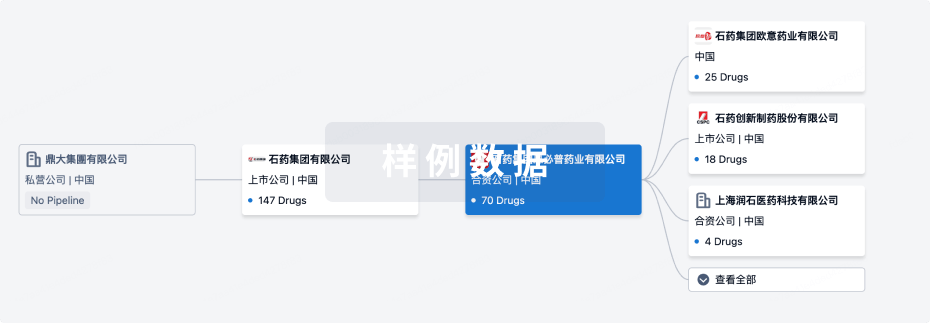
组织架构
使用我们的机构树数据加速您的研究。
登录
或
管线布局
2026年10月02日管线快照
无数据报导
登录后保持更新
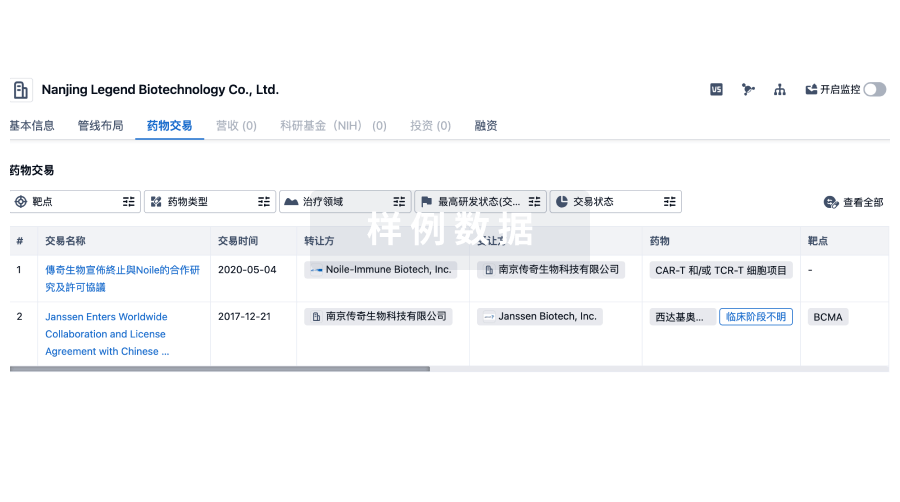
药物交易
使用我们的药物交易数据加速您的研究。
登录
或
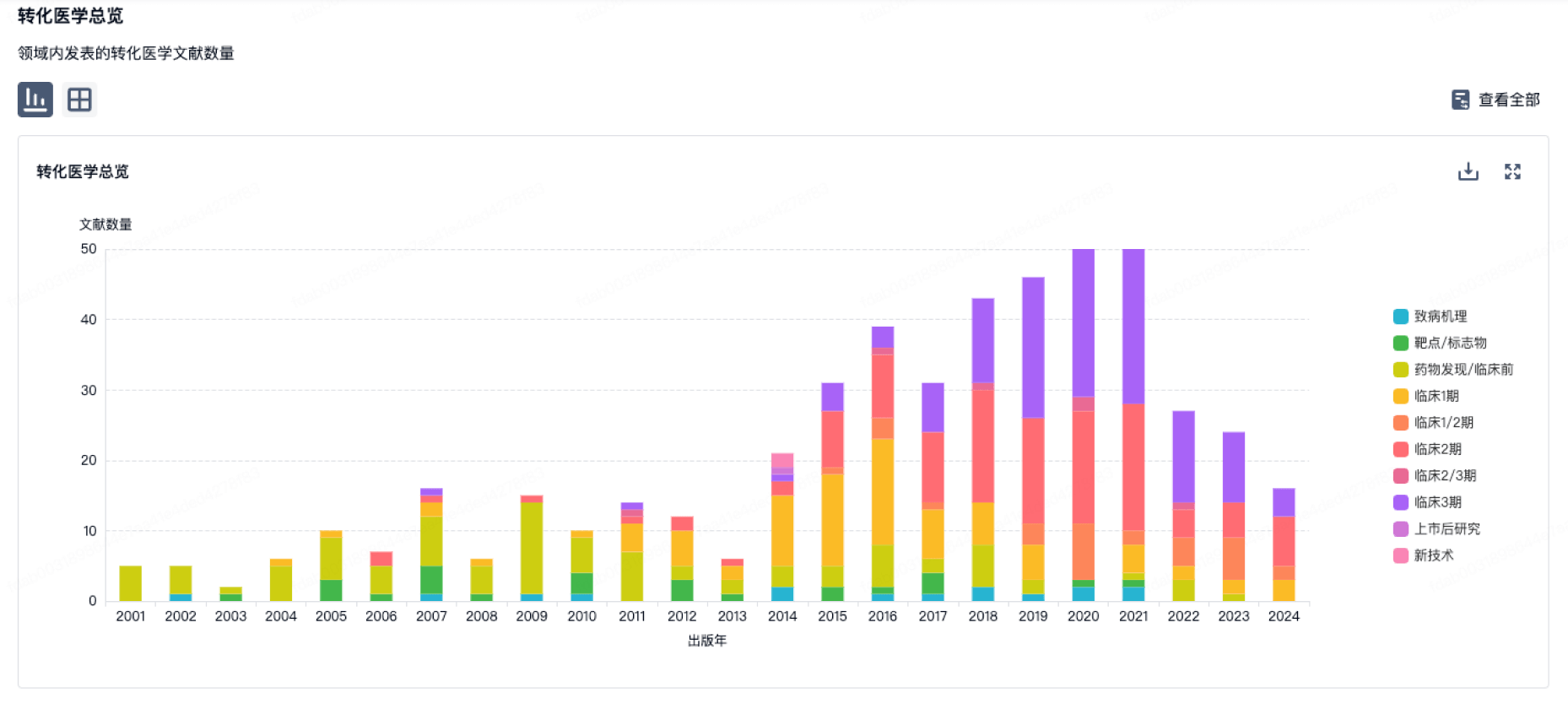
转化医学
使用我们的转化医学数据加速您的研究。
登录
或
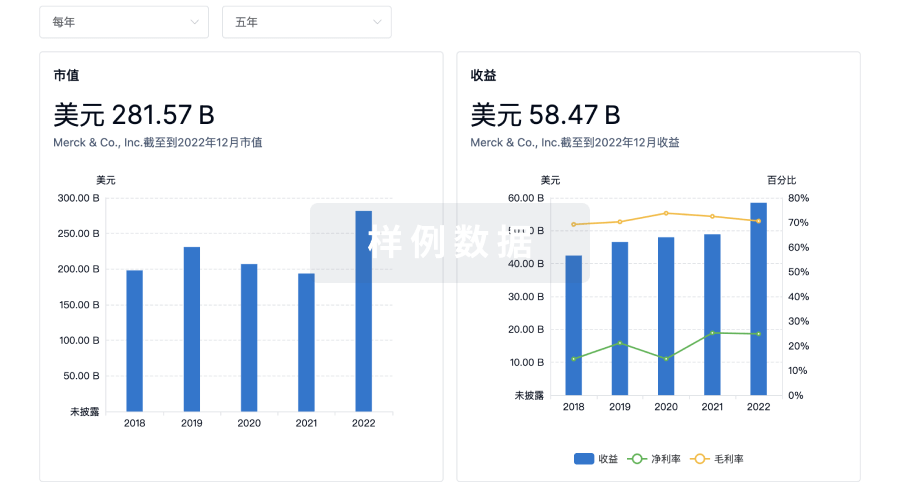
营收
使用 Synapse 探索超过 36 万个组织的财务状况。
登录
或
科研基金(NIH)
访问超过 200 万项资助和基金信息,以提升您的研究之旅。
登录
或
投资
深入了解从初创企业到成熟企业的最新公司投资动态。
登录
或
融资
发掘融资趋势以验证和推进您的投资机会。
登录
或
提出任何生物医药研究问题
让每一步生物医药决策都精准制胜
基于十亿级生物数据与全球情报的精准 AI,赋能早期药物发现
立即开始免费试用!
智慧芽新药情报库是智慧芽专为生命科学人士构建的基于AI的创新药情报平台,助您全方位提升您的研发与决策效率。
立即接入生物医药数据包
智慧芽新药库数据也通过智慧芽开放平台,以MCP或API服务形式对外开放。立即使用我们的MCP服务定制您的LLM智能体。
生物序列数据库
生物药研发创新
免费使用
化学结构数据库
小分子化药研发创新
免费使用