预约演示
更新于:2025-05-07

Politécnico de Leiria
更新于:2025-05-07
概览
关联
NCT06732869
PACE - Physical Activity in COPD Using E-Health: Effectiveness of a Personalised eHealth Platform Integrated Into Pulmonary Rehabilitation to Increase Physical Activity in Patients With COPD - a Randomized Controlled Trial
NCT06641570
Effects of a Land and Aquatic Exercise-based Program on Pain, Mobility and Quality of Life in Patients with Chronic Low Back Pain: a Randomized Controlled Trial
NCT05745194
Nutritional Counselling Promoting Adherence to the Mediterranean Diet as Adjuvant in the Treatment of Major Depressive Disorder: A Randomized Open Controlled Trial Study
100 项与 Politécnico de Leiria 相关的临床结果
登录后查看更多信息
登录后查看更多信息
2025-09-01Biotechnology Advances
Application of curcuminoids in inflammatory, neurodegenerative and aging conditions - Pharmacological potential and bioengineering approaches to improve efficiency
Review
作者: Violante, Cristiana ; Marques-da-Silva, Dorinda ; Babiaka, Smith B ; Kapoor, Bhupinder ; Reis, Flávio ; Rajan, Logesh ; Atanasov, Atanas G ; Lagoa, Ricardo
2025-05-01Chemosphere
A sustainable solution for aquaculture wastewater treatment: Evaluation of tannin-based and conventional coagulants
Article
作者: Santos, Ounísia ; Tomasi, Isabella T ; Gozubuyuk, Eren ; Santos, Inês ; Boaventura, Rui A R ; Botelho, Cidália M S
2025-04-18Journal of Qualitative Research in Tourism
Destination marketing organization website features: cross-continental comparative analysis
作者: Cardoso, Lucília ; El Archi, Youssef ; Benbba, Brahim ; Fraga, Carla
100 项与 Politécnico de Leiria 相关的药物交易
登录后查看更多信息
100 项与 Politécnico de Leiria 相关的转化医学
登录后查看更多信息
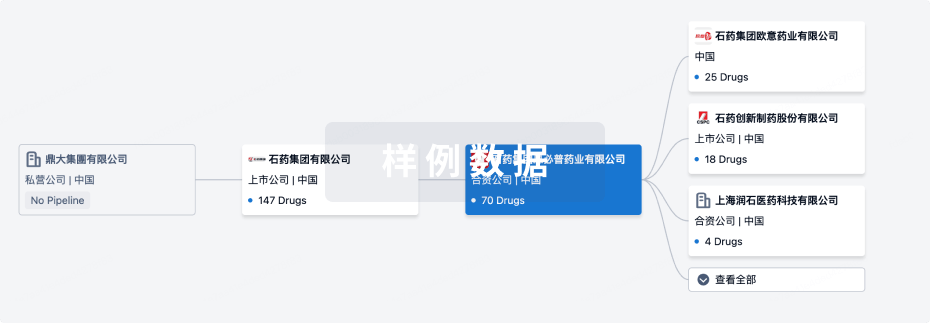
组织架构
使用我们的机构树数据加速您的研究。
登录
或
管线布局
2026年10月10日管线快照
无数据报导
登录后保持更新
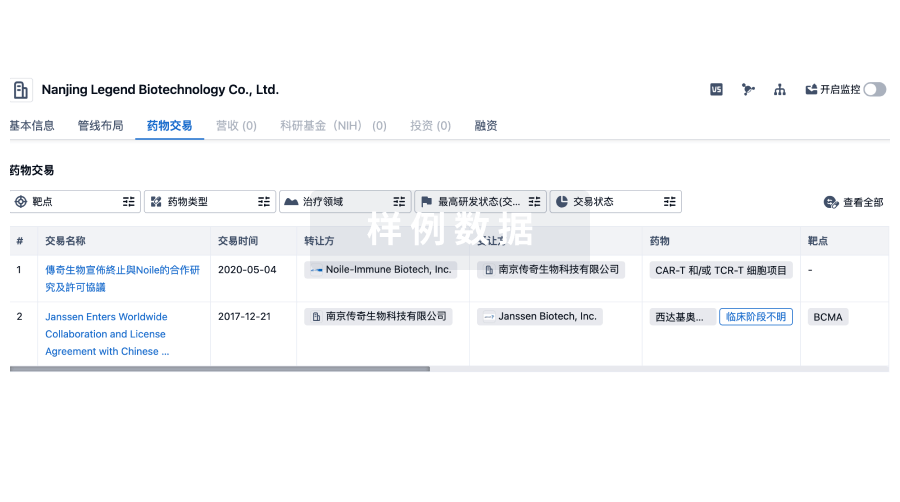
药物交易
使用我们的药物交易数据加速您的研究。
登录
或
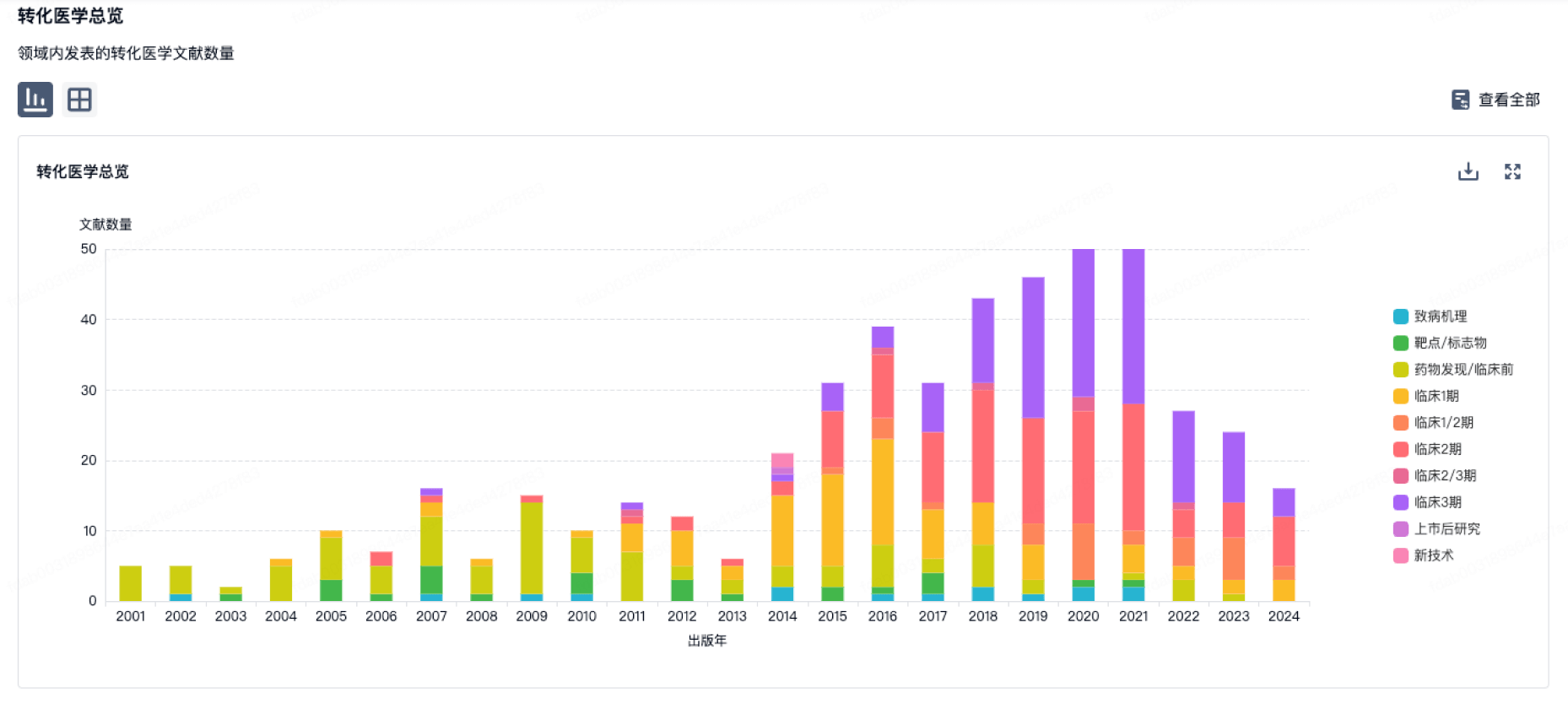
转化医学
使用我们的转化医学数据加速您的研究。
登录
或
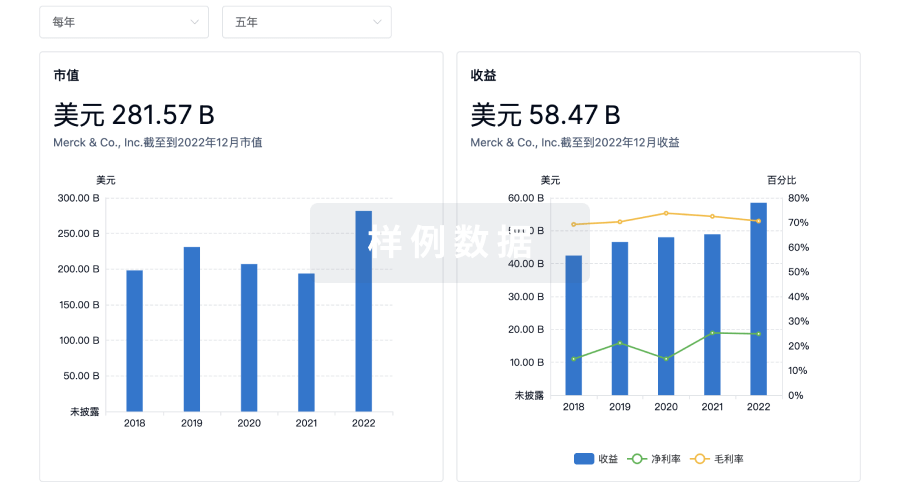
营收
使用 Synapse 探索超过 36 万个组织的财务状况。
登录
或
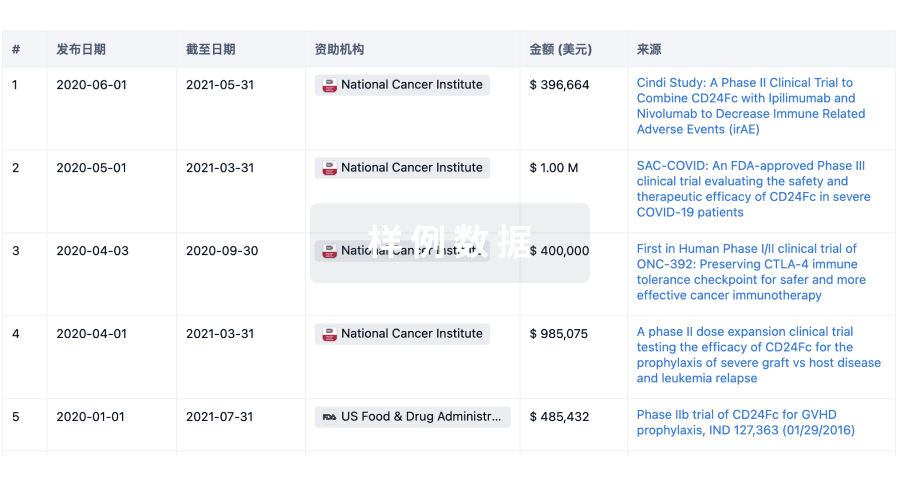
科研基金(NIH)
访问超过 200 万项资助和基金信息,以提升您的研究之旅。
登录
或
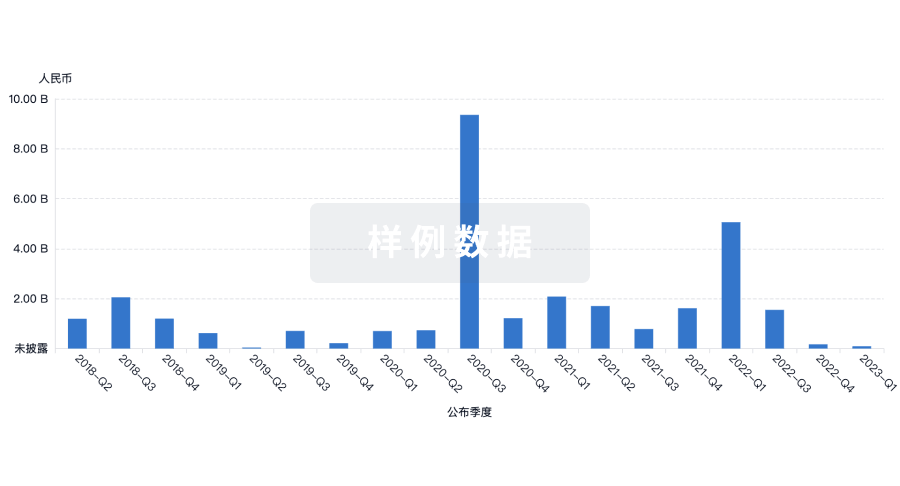
投资
深入了解从初创企业到成熟企业的最新公司投资动态。
登录
或
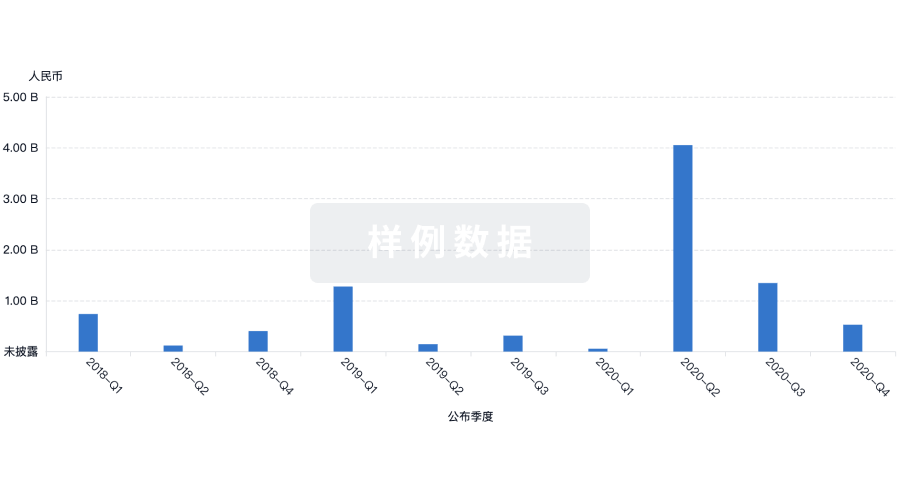
融资
发掘融资趋势以验证和推进您的投资机会。
登录
或
提出任何生物医药研究问题
让每一步生物医药决策都精准制胜
基于十亿级生物数据与全球情报的精准 AI,赋能早期药物发现
立即开始免费试用!
智慧芽新药情报库是智慧芽专为生命科学人士构建的基于AI的创新药情报平台,助您全方位提升您的研发与决策效率。
立即接入生物医药数据包
智慧芽新药库数据也通过智慧芽开放平台,以MCP或API服务形式对外开放。立即使用我们的MCP服务定制您的LLM智能体。
生物序列数据库
生物药研发创新
免费使用
化学结构数据库
小分子化药研发创新
免费使用