预约演示
更新于:2026-03-24

National Center of Neurology & Psychiatry
更新于:2026-03-24
概览
标签
神经系统疾病
其他疾病
遗传病与畸形
小分子化药
腺相关病毒基因治疗
疾病领域得分
一眼洞穿机构专注的疾病领域

技术平台
公司药物应用最多的技术
靶点
公司最常开发的靶点
关联
靶点 |
作用机制 |
在研机构 |
原研机构 |
在研适应症 |
非在研适应症 |
最高研发阶段 |
首次获批国家/地区 |
首次获批日期 |
CA2955915
专利挖掘靶点 |
作用机制 |
在研机构 |
原研机构 |
在研适应症 |
非在研适应症 |
最高研发阶段 |
首次获批国家/地区 |
首次获批日期 |
CA3043818
专利挖掘靶点 |
作用机制 |
在研机构 |
原研机构 |
在研适应症 |
非在研适应症 |
最高研发阶段 |
首次获批国家/地区 |
首次获批日期 |
JPRN-UMIN000060595
Preliminary Examination of the Efficacy and Group Processes of Group Cognitive Behavioral Therapy Based on the Unified Protocol Delivered by Certified Public Psychologists, Nurses, and Other Mental Health Professionals Under the Direction of Psychiatrists - GRO-UP Study
JPRN-UMIN000059945
Assessment of neuroinflammation and immune function for predicting the onset and improving the prognosis of dementia - AIM-Brain study
JPRN-UMIN000059872
A randomized controlled trial of STAIR Narrative Therapy for complex PTSD - STAIR-NT RCT
100 项与 National Center of Neurology & Psychiatry 相关的临床结果
登录后查看更多信息
登录后查看更多信息
2026-04-01DRUG AND ALCOHOL DEPENDENCE
Association between the initiation of strong chū-hai consumption and the incidence of hazardous and harmful alcohol use in Japan: An online survey-based cohort study
Article
作者: So, Ryuhei ; Tabuchi, Takahiro ; Funada, Satoshi ; Shinozaki, Tomohiro ; Minami, Tetsuji ; Rossheim, Matthew ; Tsutsumi, Shiori ; Yoshioka, Takashi ; Hanada, Ayame
OBJECTIVE:
To investigate the association between the initiation of strong chū-hai-an inexpensive Japanese ready-to-drink beverage with high-alcohol-content-consumption and the newly incident hazardous and harmful alcohol use among individuals who consume alcohol.
METHODS:
This cohort study is based on a three-year longitudinal internet survey conducted in Japan from 2022 to 2024. Respondents who completed all three annual surveys, did not drink strong chū-hai in 2022, and consumed alcohol without presenting hazardous or harmful alcohol use in both 2022 and 2023, were included. The outcome was defined as having newly developed hazardous and harmful alcohol use in 2024, defined as a score of ≥ 8 on the Alcohol Use Identification Test. We fitted a multivariable logistic regression model to examine confounder-adjusted association between initiating strong chū-hai consumption and the incidence of hazardous and harmful alcohol use.
RESULTS:
Of 5358 respondents from 33,000 surveyed in 2022, approximately 10 % (n = 533) initiated strong chū-hai consumption in 2023. In 2024, the prevalence of hazardous and harmful alcohol use was higher for those who initiated strong chū-hai consumption (7.7 %) than those who did not (3.1 %). Multivariable analysis revealed that initiating strong chū-hai consumption was associated with higher odds of hazardous and harmful alcohol use the year following (adjusted odds ratio 1.90, 95 % confidence interval 1.19-3.06, p = 0.008).
CONCLUSIONS:
The initiation of strong chū-hai consumption was associated with the incidence of hazardous and harmful alcohol use. Considering the global increase in sales of ready-to-drink alcoholic beverages, our findings serve as an important caution for policymakers worldwide.
2026-03-05Modern Rheumatology
High glucocorticoid dependency and limited therapeutic response in Japanese patients with VEXAS syndrome: a multicentre retrospective study
Article
作者: Asano, Tomoyuki ; Kirino, Yohei ; Ito, Yuji ; Matsumoto, Naomichi ; Uchino, Kaori ; Takase-Minegishi, Kaoru ; Nagahata, Ken ; Hagiyama, Hiroyuki ; Mori, Ichiro ; Kashino, Kaori ; Takahashi, Noriyuki ; Ohnishi, Hidenori ; Shimizu, Toshimasa ; Fujieda, Yuichiro ; Tsuchida, Naomi ; Nakajima, Hideaki ; Maeda, Ayaka ; Akasaka, Keiichi ; Oda, Nobuhiro ; Hidaka, Yukiko ; Kishimoto, Mitsumasa ; Miyoshi, Yuji ; Rokutanda, Ryo ; Uchiyama, Yuri ; Ida, Hiroaki ; Takeuchi, Yoichi ; Fujiwara, Hiroshi ; Umeda, Naoki ; Horita, Nobuyuki ; Yamaguchi, Hiroyuki ; Kobayashi, Daisuke ; Katsuo, Kosuke ; Kobayashi, Hiroshi ; Kato, Ayaka ; Kobayashi, Satoshi ; Yoshida, Yusuke
ABSTRACT:
Objectives:
VEXAS (vacuoles, E1 enzyme, X-linked, autoinflammatory, somatic) syndrome is an autoinflammatory disease caused by somatic variants of the UBA1 gene. Due to uncertainty around treatment strategies and limited therapeutic options, this study aimed to characterise the clinical treatment and outcomes of VEXAS syndrome patients in Japan.
Methods:
We retrospectively analysed data on clinical manifestations, treatments, and outcomes from 46 male patients diagnosed with VEXAS syndrome. Twelve patients at our institution were evaluated for remission using the French VEXAS group criteria.
Results:
All patients (median age at onset: 71.4 years) received systemic glucocorticoid therapy (mean maximum dose: 47.4 mg/day; mean minimum dose: 8.5 mg/day). Most patients required continuous glucocorticoid treatment of ≥10 mg/day, and tapering was generally difficult. Among the patients followed at our institution, only 42% (5/12) achieved complete remission at least once during follow-up. Tocilizumab was the most frequently administered immunosuppressant (n = 24, 52.2%); Janus kinase inhibitors and azacitidine, reported to be effective overseas, were prescribed in only three and two cases, respectively.
Conclusions:
This study highlights the difficulty of treating patients with VEXAS syndrome in Japan. The development of more effective treatments is urgently needed to reduce glucocorticoid dependence and improve patient outcomes.
2026-03-05JOURNAL OF EPIDEMIOLOGY
SARS-CoV-2 Cumulative Infection Over the Pandemic and Its Associated Factors Among Healthcare Workers in Japan
Article
作者: Teramoto, Kanako ; Nishikimi, Akihiko ; Islam, Zobida ; Hirabayashi, Mayo ; Ohmagari, Norio ; Morisaki, Naho ; Tokuda, Haruhiko ; Inoue, Manami ; Konishi, Maki ; Takeda, Kazuyoshi ; Yamamoto, Shohei ; Li, Yunfei ; Nakagawa, Takeshi ; Mizoue, Tetsuya ; Nishimura, Kunihiro ; Okubo, Ryo ; Sampei, Makiko ; Ogata, Soshiro ; Mita, Takahiro ; Sasaki, Yohei ; Yamaguchi, Koushi ; Miyo, Kengo
INTRODUCTION:
Evidence is scarce on cumulative severe acute respiratory syndrome coronavirus 2 (SARS-CoV-2) infections among healthcare workers during the pandemic. This study aimed to describe cumulative infections, including undiagnosed cases, and identify factors associated with infection in healthcare workers in Japan.
METHODS:
Using serosurveys conducted across six national centers in Japan, we tracked coronavirus disease 2019 (COVID-19) cumulative infections. Seropositivity was defined as a positive result for SARS-CoV-2 nucleocapsid protein using the Roche assay, and cumulative infection was defined as the proportion of participants who tested positive for anti-nucleocapsid antibodies and/or self-reported a history of laboratory-confirmed or clinically diagnosed COVID-19 since the start of the pandemic. A robust Poisson regression model was used to investigate factors associated with infection risk as of September 2023.
RESULTS:
Cumulative infection, which was less than 5% until the end of 2021, increased after the emergence of the Omicron variant. Specifically, cumulative infection reached 14.6% in July 2022 (BA.1/2), 37.4% in December 2022 (BA.5), 53.3% in September 2023 (XBB subvariants), and 71.5% in December 2023 (JN.1 subvariant). The proportion of undiagnosed cases detected by antibody testing alone, without a prior diagnosis, decreased from 60.9% in December 2020 to 24.7% in December 2023. Individuals aged 50 to 59 years (prevalence ratio [PR] 0.73; 95% confidence interval [CI], 0.67-0.79) and 60 years or older (PR 0.67; 95% CI, 0.59-0.77) had lower cumulative infections than those aged under 30 years old. Physicians and nurses had significantly higher cumulative infections than administrative staff, with fully adjusted PR of 1.09 (95% CI, 1.01-1.18) and 1.18 (95% CI, 1.08-1.30), respectively.
CONCLUSION:
Among healthcare workers in Japan, cumulative SARS-CoV-2 infection markedly increased after the emergence of the Omicron variant, whereas the proportion of undiagnosed cases has decreased throughout the pandemic. Younger people (<50 years), as well as physicians and nurses, have faced a higher risk of infection.
2025-10-28
临床申请疫苗临床1期信使RNA免疫疗法
2025-10-23
100 项与 National Center of Neurology & Psychiatry 相关的药物交易
登录后查看更多信息
100 项与 National Center of Neurology & Psychiatry 相关的转化医学
登录后查看更多信息
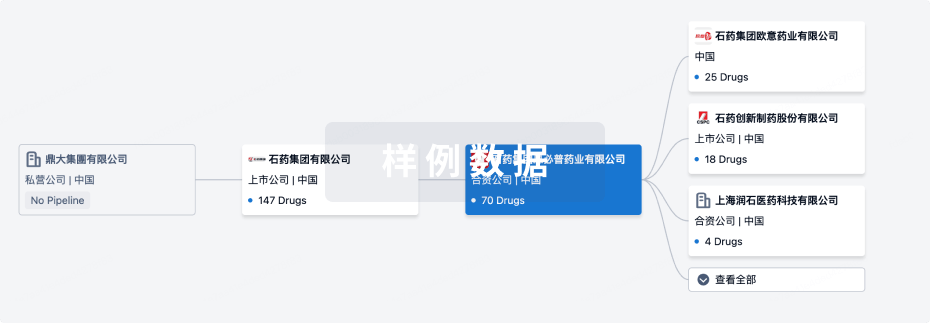
组织架构
使用我们的机构树数据加速您的研究。
登录
或
管线布局
2026年10月03日管线快照
管线布局中药物为当前组织机构及其子机构作为药物机构进行统计,早期临床1期并入临床1期,临床1/2期并入临床2期,临床2/3期并入临床3期
药物发现
2
1
临床前
其他
2
登录后查看更多信息
当前项目
登录后查看更多信息
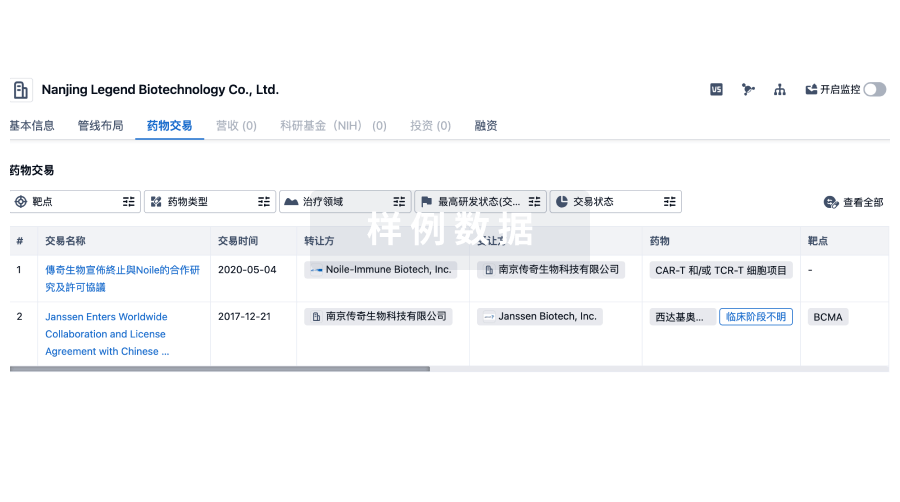
药物交易
使用我们的药物交易数据加速您的研究。
登录
或
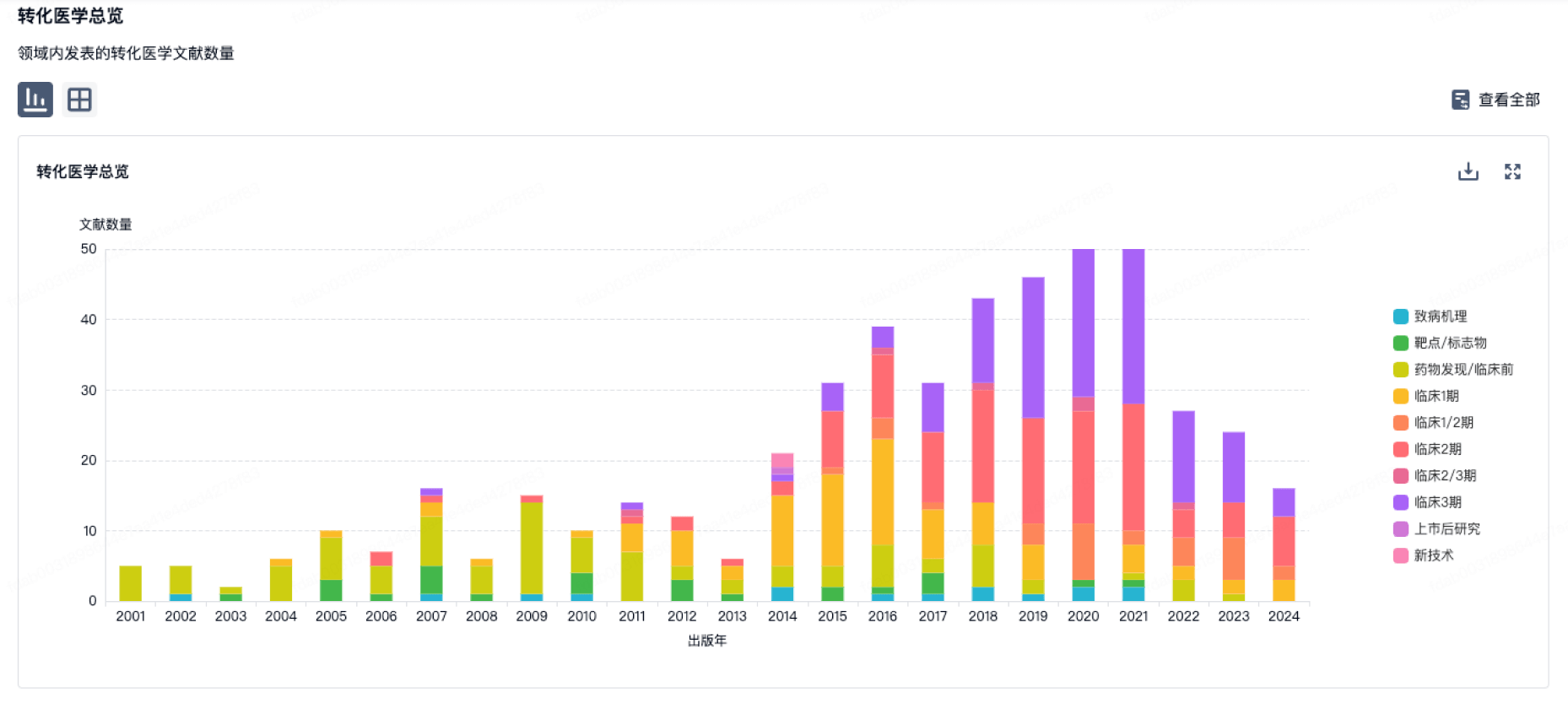
转化医学
使用我们的转化医学数据加速您的研究。
登录
或
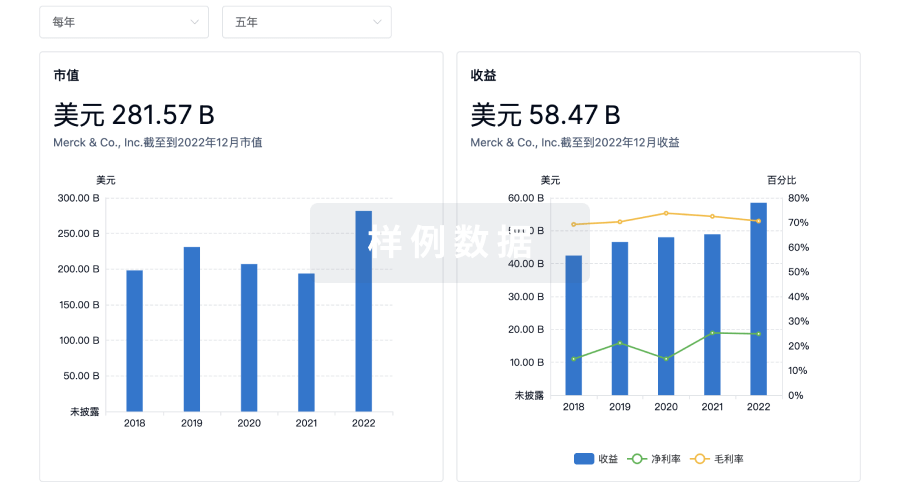
营收
使用 Synapse 探索超过 36 万个组织的财务状况。
登录
或
科研基金(NIH)
访问超过 200 万项资助和基金信息,以提升您的研究之旅。
登录
或
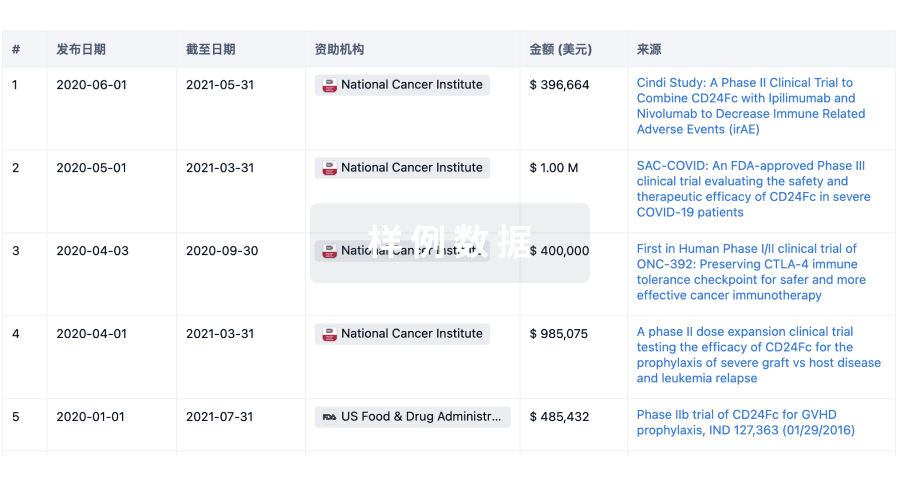
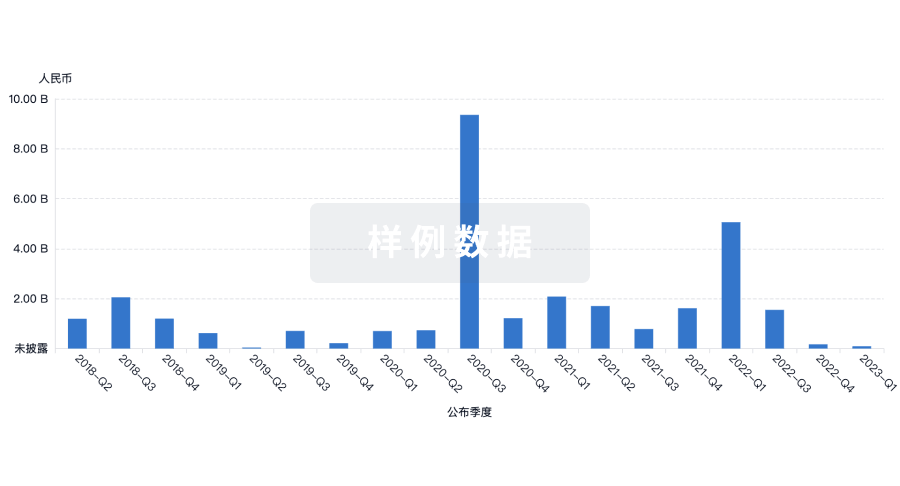
投资
深入了解从初创企业到成熟企业的最新公司投资动态。
登录
或
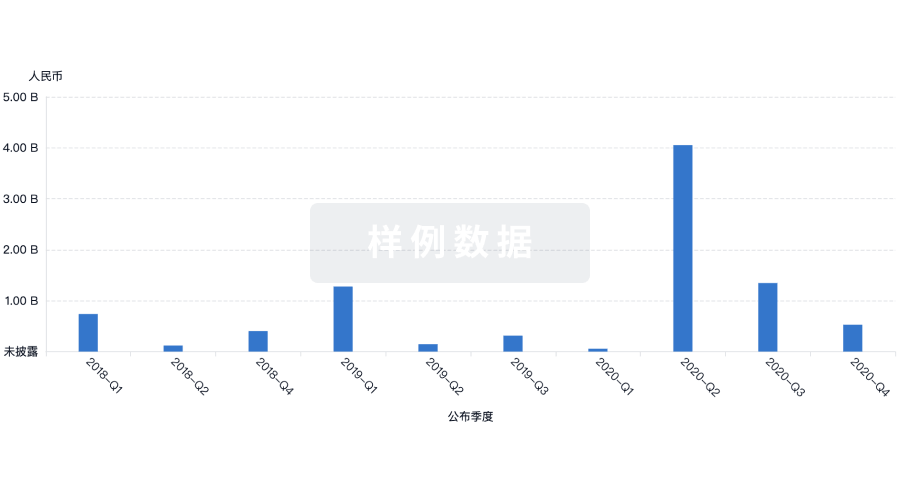
融资
发掘融资趋势以验证和推进您的投资机会。
登录
或
提出任何生物医药研究问题
让每一步生物医药决策都精准制胜
基于十亿级生物数据与全球情报的精准 AI,赋能早期药物发现
立即开始免费试用!
智慧芽新药情报库是智慧芽专为生命科学人士构建的基于AI的创新药情报平台,助您全方位提升您的研发与决策效率。
立即接入生物医药数据包
智慧芽新药库数据也通过智慧芽开放平台,以MCP或API服务形式对外开放。立即使用我们的MCP服务定制您的LLM智能体。
生物序列数据库
生物药研发创新
免费使用
化学结构数据库
小分子化药研发创新
免费使用