预约演示
更新于:2025-05-07
Fondation A.R.CA.D.
更新于:2025-05-07
概览
关联
4
项与 Fondation A.R.CA.D. 相关的临床试验NCT06646445
Neoadjuvant Pembrolizumab With a Watch-and-wait Strategy for Patients With Mismatch Repair-deficient or Microsatellite Instability-high (dMMR/MSI-H) Localized Colon Cancer: a Randomized GERCOR G-109 PRODIGE 84 PREMICES Phase II Trial
The goal of this investigational, multicenter, open-label randomized, two-stage phase II study is to evaluate neoadjuvant pembrolizumab with a watch-and-wait approach in patients with localized deficient mismatch repair / high microsatellite instability (dMMR/MSI-H) colorectal cancer (CRC). The PREMICES trial is based on the hypothesis that non-operative management is effective for dMMR/MSI-H localized CRC when treated with neoadjuvant pembrolizumab.
Eligible patients will be randomized in a 1:1 ratio to receive either pembrolizumab with a watch-and-wait approach (experimental arm A) or the standard strategy of surgical resection ± adjuvant chemotherapy (arm B).
Eligible patients will be randomized in a 1:1 ratio to receive either pembrolizumab with a watch-and-wait approach (experimental arm A) or the standard strategy of surgical resection ± adjuvant chemotherapy (arm B).
开始日期2025-04-01 |
NCT06207981
PRODIGE 85- KANALRAD : Prospective Randomized Phase III Study Evaluating Induction Chemotherapy (modified DCF 4 Cycles) Followed by Chemoradiotherapy Compared to Standard Chemoradiotherapy for Locally Advanced Anal Squamous Cell Carcinoma (T3-4 or N1a, B or C)
Squamous cell carcinoma of the anus is still a rare disease but its incidence increases mostly due to its association with human papillomavirus (HPV). When localized, the standard treatment combines radiotherapy and chemotherapy with 5FU and mitomycin-C. Chemoradiotherapy (CRT) achieves a good outcome for early stage tumors (T1-T2 tumors without nodal involvement), but more advanced tumors (T3-T4 or N1) are associated with a dismal prognosis. About 35 % of such patients relapse within two years after the end of treatment Recently, for metastatic or recurrent tumors after chemoradiotherapy, a chemotherapy combining docetaxel, cisplatin and 5FU (modified DCF protocol) has given very good results with a median overall survival of 39.2 months in 2 French trials (Epitopes HPV01 and 02). Our idea is to propose a new strategy , associating this chemotherapy (mDCF) followed by chemoradiotherapy to improve efficacy of the treatment for patients with locally advanced anal cancers. To this end, The principal investigator propose a national, multicenter, randomized phase 3 clinical trial to compare induction chemotherapy with mDCF followed by chemoradiotherapy versus standard chemoradiotherapy for locally advanced anal canal cancer.
the efficacy of the treatment will be evaluated by comparing disease-related event-free survival at 2 years according to the type of treatment. Other endpoints will also be evaluated such as overall survival and colostomy-free survival, treatment tolerability, response rate and quality of life.
This trial will be offered to patients over 18 years of age with locally advanced anal cancer without metastasis (T3-4 or N1). It is open to patients over 75 years of age subject to a favorable evaluation by an oncogeriatrician. It is also open to immunocompromised patients (HIV+) if their immunity is well controlled under antiretroviral treatment.The standard chemoradiotherapy treatment consists of 33 sessions of radiation, one session per day from Monday to Friday for 6.5 weeks. It is combined with chemotherapy that includes mitomycin during the first and fifth weeks of radiation therapy, as well as capecitabine that are taken on the days of radiation therapy.In the experimental arm, this chemoradiotherapy treatment is preceded by 4 sessions of mDCF chemotherapy performed every 2 weeks.After treatment, patients are followed up at 8 weeks, then every 4 months for 2 years, and every 6 months for the last year with clinical examination and imaging (CT and MRI).
the efficacy of the treatment will be evaluated by comparing disease-related event-free survival at 2 years according to the type of treatment. Other endpoints will also be evaluated such as overall survival and colostomy-free survival, treatment tolerability, response rate and quality of life.
This trial will be offered to patients over 18 years of age with locally advanced anal cancer without metastasis (T3-4 or N1). It is open to patients over 75 years of age subject to a favorable evaluation by an oncogeriatrician. It is also open to immunocompromised patients (HIV+) if their immunity is well controlled under antiretroviral treatment.The standard chemoradiotherapy treatment consists of 33 sessions of radiation, one session per day from Monday to Friday for 6.5 weeks. It is combined with chemotherapy that includes mitomycin during the first and fifth weeks of radiation therapy, as well as capecitabine that are taken on the days of radiation therapy.In the experimental arm, this chemoradiotherapy treatment is preceded by 4 sessions of mDCF chemotherapy performed every 2 weeks.After treatment, patients are followed up at 8 weeks, then every 4 months for 2 years, and every 6 months for the last year with clinical examination and imaging (CT and MRI).
开始日期2024-02-26 |
NCT04268121
Phase II Study to Evaluate the Efficacy of 12-month Neoadjuvant Chemotherapy in Terms of Disease-free Survival in Patients With Localized Digestive Neuroendocrine Carcinomas
NEONEC is a single-phase, phase II study evaluating the efficacy of the 12-month neoadjuvant chemotherapy in patients with locally differentiated digestive NEC. The recommended chemotherapy is based on the current reference combination of platinum (cisplatin or carboplatin) and etoposide (VP16). For anorectal locations, radiochemotherapy is proposed to avoid the morbidity of conventional surgery.
The objective of the study is to improve relapse-free survival (RFS) in NEC patients treated with neoadjuvant chemotherapy followed by surgery or chemoradiotherapy.
In parallel, we will perform a prospective cohort study with patients whose diagnosis is made during surgery, who have not received neoadjuvant treatment, and who are offered an adjuvant treatment of the same type (combination of platinum and platinum salts and etoposide).
The objective of the study is to improve relapse-free survival (RFS) in NEC patients treated with neoadjuvant chemotherapy followed by surgery or chemoradiotherapy.
In parallel, we will perform a prospective cohort study with patients whose diagnosis is made during surgery, who have not received neoadjuvant treatment, and who are offered an adjuvant treatment of the same type (combination of platinum and platinum salts and etoposide).
开始日期2021-01-05 |
100 项与 Fondation A.R.CA.D. 相关的临床结果
登录后查看更多信息
0 项与 Fondation A.R.CA.D. 相关的专利(医药)
登录后查看更多信息
100 项与 Fondation A.R.CA.D. 相关的药物交易
登录后查看更多信息
100 项与 Fondation A.R.CA.D. 相关的转化医学
登录后查看更多信息
组织架构
使用我们的机构树数据加速您的研究。
登录
或
管线布局
2026年02月08日管线快照
无数据报导
登录后保持更新
药物交易
使用我们的药物交易数据加速您的研究。
登录
或
转化医学
使用我们的转化医学数据加速您的研究。
登录
或
营收
使用 Synapse 探索超过 36 万个组织的财务状况。
登录
或
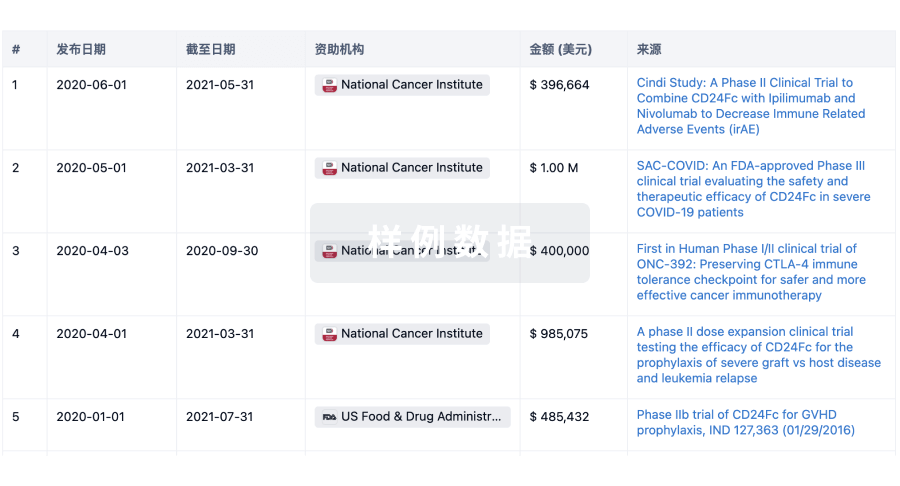
科研基金(NIH)
访问超过 200 万项资助和基金信息,以提升您的研究之旅。
登录
或
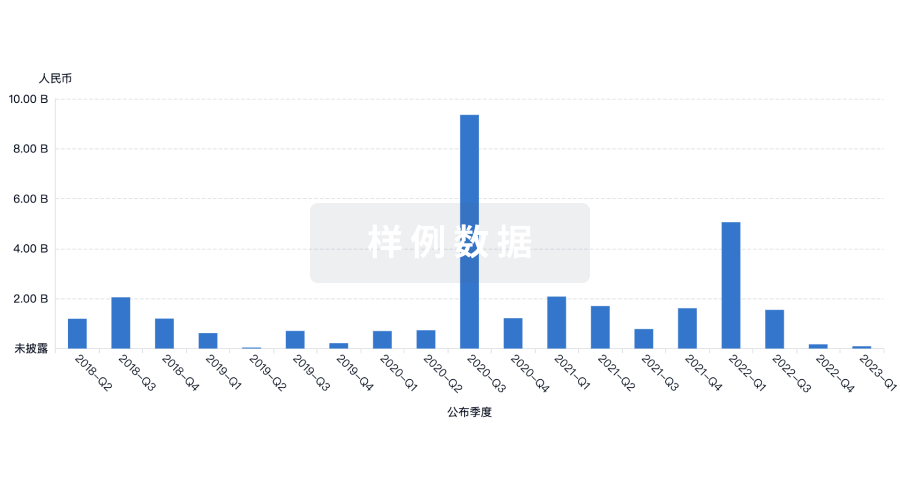
投资
深入了解从初创企业到成熟企业的最新公司投资动态。
登录
或
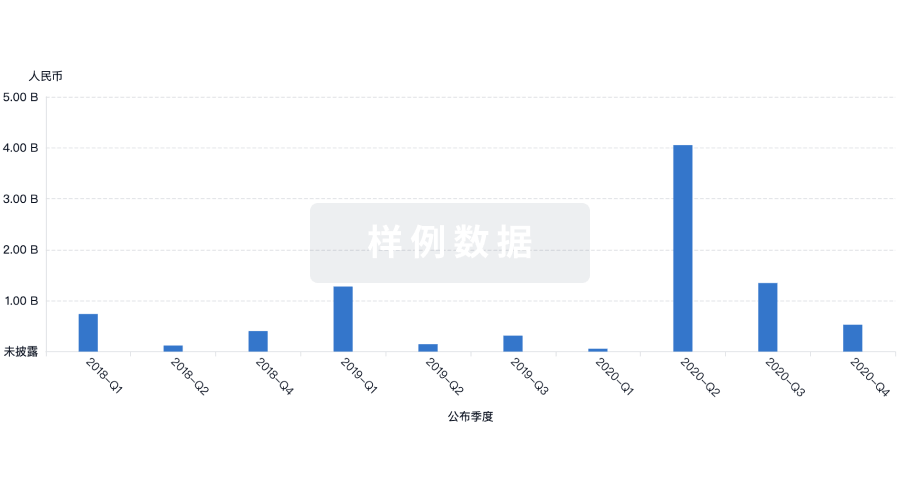
融资
发掘融资趋势以验证和推进您的投资机会。
登录
或
生物医药百科问答
全新生物医药AI Agent 覆盖科研全链路,让突破性发现快人一步
立即开始免费试用!
智慧芽新药情报库是智慧芽专为生命科学人士构建的基于AI的创新药情报平台,助您全方位提升您的研发与决策效率。
立即开始数据试用!
智慧芽新药库数据也通过智慧芽数据服务平台,以API或者数据包形式对外开放,助您更加充分利用智慧芽新药情报信息。
生物序列数据库
生物药研发创新
免费使用
化学结构数据库
小分子化药研发创新
免费使用