预约演示
更新于:2025-12-07

Centre Hospitalier Annecy Genevois
更新于:2025-12-07
概览
关联
NCT07248488
Effect of an Intervention Combining the Use of Standardized Information and Sending an SMS Advice Message to Parents Calling the SAMU Center 15 for Uncomplicated Fever in Children Over 3 Months and Under 10 Years of Age : a Regional Cluster Randomized Trial
NCT07232706
Prevention of RSV Infection in Infants by Administering Nirsevimab to Infants, With or Without Maternal RSV Vaccination: a Randomised Controlled Trial in France as Part of the Pregnancy and Infant PrEparedness pLatform IN Europe - PIPELINE
CTIS2025-521755-23-00
Prevention of RSV infection in infants by administering nirsevimab to infants, with or without maternal RSV vaccination: a randomised controlled trial in France as part of the Pregnancy and Infant PrEparedness pLatform IN Europe (PIPELINE)
100 项与 Centre Hospitalier Annecy Genevois 相关的临床结果
登录后查看更多信息
登录后查看更多信息
2025-12-31Human Vaccines & Immunotherapeutics
Clinical burden of pneumococcal disease among adults in France: A retrospective cohort study
Article
作者: Mohanty, Salini ; Bailey, M. Doyinsola ; de Pouvourville, Gérard ; Goguillot, Mélanie ; Janssen, Cécile ; Roy, Gem ; Johnson, Kelly D. ; de Wazieres, Benoit ; Tauty, Solenne ; Bénard, Stève ; Farge, Gaëlle ; Breau-Brunel, Manon ; Bugnard, Françoise
Pneumococcal disease (PD) is associated with high morbidity and mortality, specifically among individuals ≥65 years of age and those with underlying medical conditions (UMCs). This retrospective cohort study estimated the clinical burden of PD in adults ≥18 years of age with or without UMCs in France. Data were obtained from the French National Health Data System for four yearly cohorts (1 January 2015-31 December 2018). Characteristics of patients with UMCs, with or without PD (UMC population), and the incidence rate and lethality rate of PD leading to hospitalization (in-patient PD population), stratified by age and risk status, were described. In the UMC population (n = 7,947,622; mean age: 65 years), the incidence rate of in-patient PD episodes was 121.98 per 100,000 person-years and was highest among individuals ≥65 years of age (138.52) and in those considered medium-risk (102.45) or high-risk (165.77). In the in-patient PD population (n = 41,885), 59.6% were ≥65 years of age; 1-year all-cause mortality following the initial in-patient PD episode was 26.5%. Individuals ≥65 years of age (regardless of risk status) had a higher risk of PD leading to hospitalization than individuals 18-64 years of age. This study shows a high burden of PD in France due to in-patient PD among adults with UMCs, particularly in those ≥65 years of age, despite their eligibility for pneumococcal vaccination. This highlights the need for higher vaccination coverage, supported by the recent extension of vaccination to all people ≥65 years of age, regardless of their health risk status.
2025-12-31BLOOD PRESSURE
Malignant hypertension, and if it was scleroderma? Lessons from two cases
Article
作者: Laamech, Réda ; Giovannini, Diane ; Cellot, Etienne ; Jost, Sandra ; Franko, Benoit
Inroduction : Scleroderma Renal Crisis (SRC) is characterised by acute hypertension, haemolytic anaemia (HA), and acute kidney injury (AKI). Often presenting as the first manifestation of scleroderma, it is frequently mistaken for malignant hypertension (MHT). Rapid recognition and differentiation of SRC from other hypertensive emergencies are essential for improving patient outcomes.We present two clinical cases that illustrate the diagnostic challenges of SRC in the context of MHT.Case 1: A 53-year-old man presented with severe hypertension (238/127 mmHg) and AKI (creatinine 390 μmol/L). He was diagnosed MHT due to the presence of grade III hypertensive retinopathy and HA. . However, a urine dipstick test detected haematuria, leading to further immune testing and, a renal biopsy, which confirmed SRC. Treatment with high-dose ramipril led to a sustained recovery of kidney function, 221 μmol/L after five years).Case 2: A 52-year-old man presented with chest pain, severe hypertension (253/132 mmHg), and AKI (creatinine 183 μmol/L). Initially managed as MHT, his kidney function worsened, prompting further investigation, which revealed haematuria and positive anti-nuclear antibodies. A renal biopsy confirmed SRC. High-dose ramipril was reintroduced, leading to partial kidney function recovery (creatinine 218 μmol/L after five years).Key findings : These cases underscore the importance of early detection of hematuria and autoimmune markers to expedite diagnosis of SRC in case of MHT. When SRC is suspected, high-dose angiotensin-converting enzyme inhibitors (ACEi) should be initiated immediately, even before biopsy confirmation and continued despite initial kidney function decline. Early intervention is crucial for optimising kidney outcomes and achieving effective blood pressure control.
2025-12-01JACC. Advances
Characteristics and Prognosis of Wild-Type Transthyretin Amyloid Cardiomyopathy Patients Diagnosed Before 65 Years Old
Article
作者: Roubille, François ; Lairez, Olivier ; Habib, Gilbert ; Bouchot, Océane ; Margerit, Léa ; Donal, Erwan ; Bauer, Fabrice ; Bisson, Arnaud ; Trésorier, Romain ; Kharoubi, Mounira ; Courand, Pierre-Yves ; Sauer, François ; Guijarro, Damien ; Oghina, Silvia ; Bézard, Mélanie ; Piriou, Nicolas ; Cariou, Eve ; Costa, Jérôme ; Dagrenat, Charlotte ; Gueffet, Jean-Pierre ; Réant, Patricia ; Jeanneteau, Julien ; Eicher, Jean-Christophe ; Damy, Thibaud
BACKGROUND:
Guidelines recommend screening for transthyretin amyloid cardiomyopathy (ATTR-CM) after age 65 years, yet some patients are diagnosed earlier.
OBJECTIVES:
The purpose of this study was to compare the proportion, clinical characteristics, and prognosis of wild-type ATTR-CM diagnosed ≤65 years (ATTRwt-Yy) with those diagnosed >65 years (ATTRwt-O).
METHODS:
Data from the HEAR (Healthcare European Amyloidosis Registry), a multicenter, noninterventional, longitudinal registry, were analyzed. Patients were categorized by age at diagnosis: ATTRwt-Yy (≤65 years) and ATTRwt-O (>65 years). ATTRwt-O patients were further classified by onset of first cardiac symptom: ATTRwt-Oy (≤65 years) and ATTRwt-Oo (>65 years).
RESULTS:
From July 2021 to May 2024, 3,980 ATTR patients were enrolled; 1,417 had ATTRwt-CM with documented symptom onset. Among them, 67 (4.7%) were ATTRwt-Yy, 111 (7.8%) ATTRwt-Oy, and 1,239 (87.4%) ATTRwt-Oo. Diagnostic delays were 0.65, 20.58, and 0.77 years, respectively (P < 0.001). Heart failure signs at presentation were seen in 34.9% of ATTRwt-Yy, 8.1% of ATTRwt-Oy, and 30.2% of ATTRwt-Oo (P < 0.001). ATTRwt-Yy patients had more extracardiac manifestations, notably osteoarticular disease, whereas rhythm disturbances predominated in ATTRwt-Oy. Median follow-up from diagnosis was 36.2, 23.6, and 22.4 months, respectively. ATTRwt-Yy patients had better survival after diagnosis compared to ATTRwt-O patients.
CONCLUSIONS:
ATTRwt-CM diagnosed before 65 years shows a distinct phenotype highlighting the need for tailored diagnostic and management strategies.
100 项与 Centre Hospitalier Annecy Genevois 相关的药物交易
登录后查看更多信息
100 项与 Centre Hospitalier Annecy Genevois 相关的转化医学
登录后查看更多信息
组织架构
使用我们的机构树数据加速您的研究。
登录
或
管线布局
2026年10月15日管线快照
无数据报导
登录后保持更新
药物交易
使用我们的药物交易数据加速您的研究。
登录
或
转化医学
使用我们的转化医学数据加速您的研究。
登录
或
营收
使用 Synapse 探索超过 36 万个组织的财务状况。
登录
或
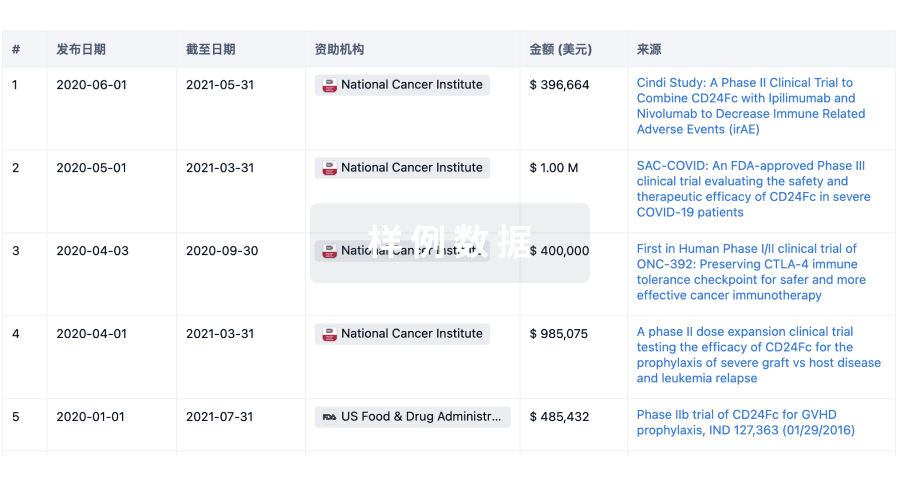
科研基金(NIH)
访问超过 200 万项资助和基金信息,以提升您的研究之旅。
登录
或
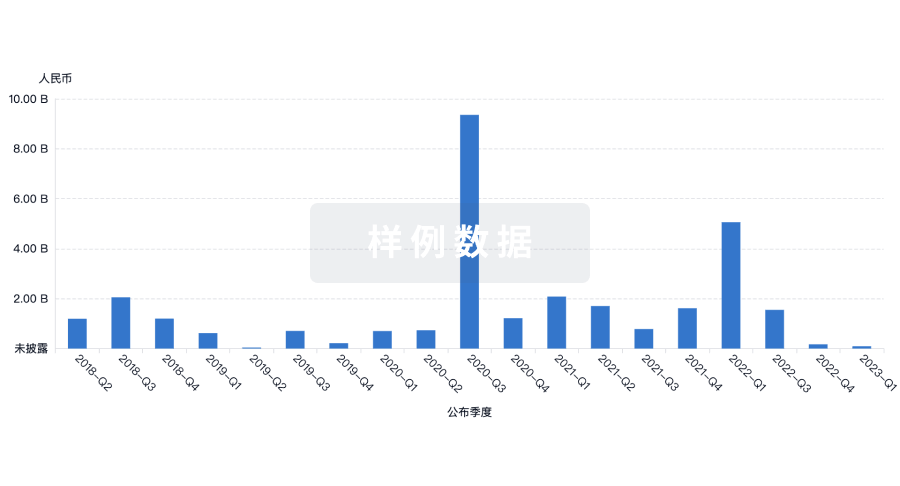
投资
深入了解从初创企业到成熟企业的最新公司投资动态。
登录
或
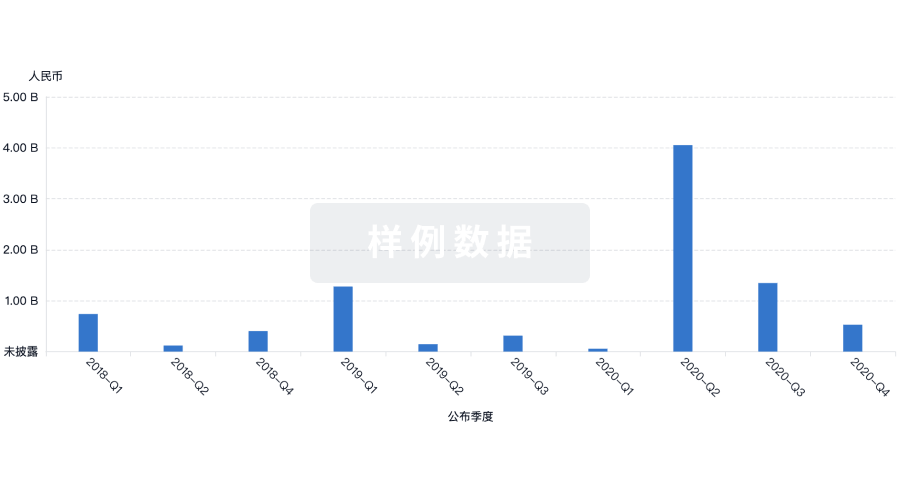
融资
发掘融资趋势以验证和推进您的投资机会。
登录
或
提出任何生物医药研究问题
让每一步生物医药决策都精准制胜
基于十亿级生物数据与全球情报的精准 AI,赋能早期药物发现
立即开始免费试用!
智慧芽新药情报库是智慧芽专为生命科学人士构建的基于AI的创新药情报平台,助您全方位提升您的研发与决策效率。
立即接入生物医药数据包
智慧芽新药库数据也通过智慧芽开放平台,以MCP或API服务形式对外开放。立即使用我们的MCP服务定制您的LLM智能体。
生物序列数据库
生物药研发创新
免费使用
化学结构数据库
小分子化药研发创新
免费使用