预约演示
更新于:2026-03-03

Universidade Federal do Rio Grande
更新于:2026-03-03
概览
标签
感染
其他疾病
小分子化药
疾病领域得分
一眼洞穿机构专注的疾病领域

技术平台
公司药物应用最多的技术
靶点
公司最常开发的靶点
关联
靶点 |
作用机制 |
在研机构 |
原研机构 |
在研适应症 |
非在研适应症 |
最高研发阶段 |
首次获批国家/地区 |
首次获批日期 |
靶点 |
作用机制 |
在研机构 |
原研机构 |
在研适应症 |
非在研适应症 |
最高研发阶段 |
首次获批国家/地区 |
首次获批日期 |
靶点 |
作用机制 |
在研机构 |
原研机构 |
在研适应症 |
非在研适应症 |
最高研发阶段 |
首次获批国家/地区 |
首次获批日期 |
RBR-7q2bh3r
Modifications in perceived and performance fatigability induced by a combined exercise intervention in patients with Long COVID and persistent fatigue
RBR-8p38sh3
Efficacy of Auriculotherapy for Urinary Incontinence in adults or elderly people undergoing genitourinary surgical procedures: mixed methods study
RBR-3b3fc72
Evaluation of the effect of using Standing Desks on Postural Deviations, Musculoskeletal Pain symptoms, and Energy Expenditure in high school adolescents: a crossover clinical trial
100 项与 Universidade Federal do Rio Grande 相关的临床结果
登录后查看更多信息
登录后查看更多信息
2026-03-01COMPARATIVE BIOCHEMISTRY AND PHYSIOLOGY C-TOXICOLOGY & PHARMACOLOGY
Copper uptake in blue crabs is independent of sodium transport under hyposaline conditions
Article
作者: Giacomin, Marina Mussoi ; Martins, Camila de Martinez Gaspar ; Wood, Chris M ; Jorge, Mariana Basso ; Bianchini, Adalto
In vivo and in vitro experiments were conducted to test whether copper (Cu) uptake occurs via sodium (Na+) transporters in the gills of Callinectes sapidus acclimated to dilute seawater (2 ppt), a condition in which the species hyper-osmoregulates. Specific inhibitors targeting Na+/H+ exchangers (amiloride, 100 μM) and Na+, K+, 2 Cl- cotransporters (NKCC) (furosemide, 120 μM) were used. In vivo, adult crabs were exposed for 6 h to 1 μM radiolabeled Cu (64Cu) in artificial seawater or Na-free media, both at 2 ppt. In vitro, isolated posterior gills were perfused with hemolymph-like saline and exposed to external solutions containing 64Cu. Na+ uptake was first validated using radiolabeled Na (24Na) and the inhibitors: in vivo Na+ uptake was significantly reduced by amiloride (68 %) and furosemide (23 %) and in vitro amiloride reduced Na+ uptake by 40 %. Cu uptake, however, remained unaffected by the Na+ presence/absence or by the inhibitors in both experimental approaches. The 64Cu accumulated mainly in the carapace (49 %) and posterior gills (22 %), regardless of Na+ availability. The findings clearly demonstrate that Cu uptake, irrespective of the uptake pathway, proceeds independently of Na.
2026-02-10ACS Omega
Glycosylation Matters: Network Pharmacology-Based and Molecular Docking Analysis of Resveratrol Glycosylated Derivatives on Parkinson’s Disease
Article
作者: Muccillo-Baisch, Ana Luiza ; Schimith, Lucia E. ; Martis, Elvis ; André-Miral, Corinne ; Teletchea, Stéphane ; Hort, Mariana A.
Resveratrol (RV), a natural polyphenol, has been extensively studied for its neuroprotective potential in Parkinson's Disease (PD), but its clinical translation is limited by poor bioavailability and rapid metabolism. Glycosylated derivatives, including polydatin and resveratrol-3-α-glucoside, have been proposed to improve the solubility and stability. This study compared the pharmacokinetic properties of RV and its derivatives and examined their molecular interactions with PD-related targets. ADMET (Absorption, Distribution, Metabolism, Excretion, and Toxicity) analysis showed that, despite improved solubility, RV retained a more favorable overall pharmacokinetic profile. Target prediction combined with Gene Ontology (GO) enrichment, Kyoto Encyclopedia of Genes and Genomes (KEGG) pathway analysis, and protein-protein interaction (PPI) network construction identified 50 potential targets, with 11 prioritized for molecular docking. Glycosylated derivatives exhibited binding affinities for all targets stronger than those of RV, with TNF-α, PPARγ, and ERBB2 highlighted as key candidates. These findings indicate that RV glycosylation may enhance therapeutic potential for PD treatment by promoting stronger molecular interactions with critical targets, though in vivo validation remains necessary.
2025-12-09EVOLUTION
A pangenomic approach reveals the sources of genetic variation fueling the rapid radiation of Capuchino Seedeaters
Article
作者: Kopuchian, Cecilia ; Di Giacomo, Adrián S ; Repenning, Márcio ; Rosoni, Jonas R R ; Kraemer, Simón ; Recuerda, María ; Cataudela, Juan Francisco ; Browne, Melanie ; Campagna, Leonardo
Abstract:
The search for the genetic basis of phenotypes has primarily focused on single nucleotide polymorphisms, often overlooking structural variants (SVs). SVs can significantly affect gene function, but detecting and characterizing them is challenging, even with long-read sequencing. Moreover, traditional single-reference methods can fail to capture many genetic variants. Using long reads, we generated a Capuchino Seedeater (Sporophila) pangenome, including 16 individuals from 7 species, to investigate how SVs contribute to species and coloration differences. Leveraging this pangenome, we mapped short-read data from 127 individuals, genotyped variants identified in the pangenome graph, and subsequently performed FST scans and genome-wide association studies. Species divergence primarily arises from SNPs and indels (< 50 bp) in non-coding regions of melanin-related genes, as larger SVs rarely overlap with divergence peaks. One exception was a 55 bp deletion near the OCA2 and HERC2 genes, associated with feather pheomelanin content. These findings support the hypothesis that the reshuffling of small regulatory alleles, rather than larger species-specific mutations, accelerated plumage evolution leading to prezygotic isolation in Capuchinos.
100 项与 Universidade Federal do Rio Grande 相关的药物交易
登录后查看更多信息
100 项与 Universidade Federal do Rio Grande 相关的转化医学
登录后查看更多信息
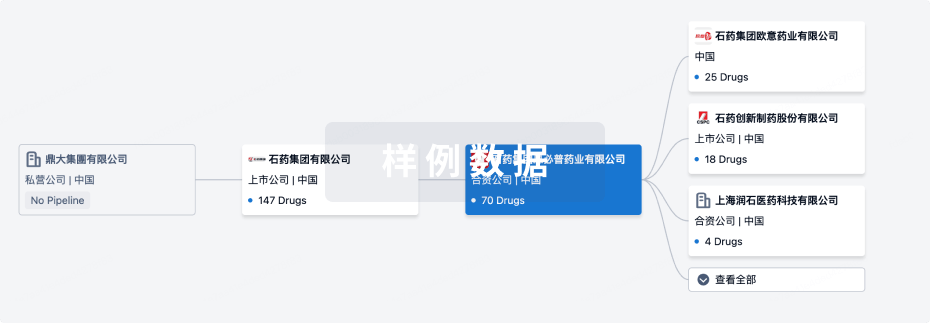
组织架构
使用我们的机构树数据加速您的研究。
登录
或
管线布局
2026年10月11日管线快照
管线布局中药物为当前组织机构及其子机构作为药物机构进行统计,早期临床1期并入临床1期,临床1/2期并入临床2期,临床2/3期并入临床3期
临床前
3
登录后查看更多信息
当前项目
登录后查看更多信息
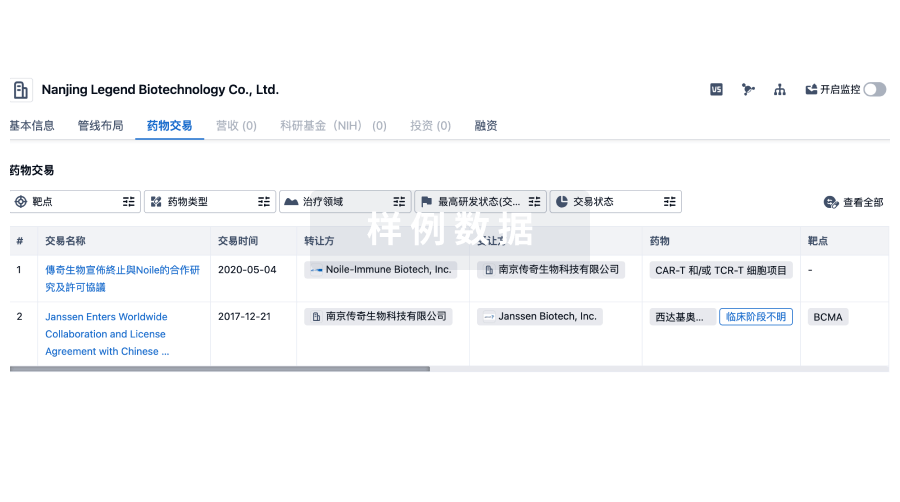
药物交易
使用我们的药物交易数据加速您的研究。
登录
或
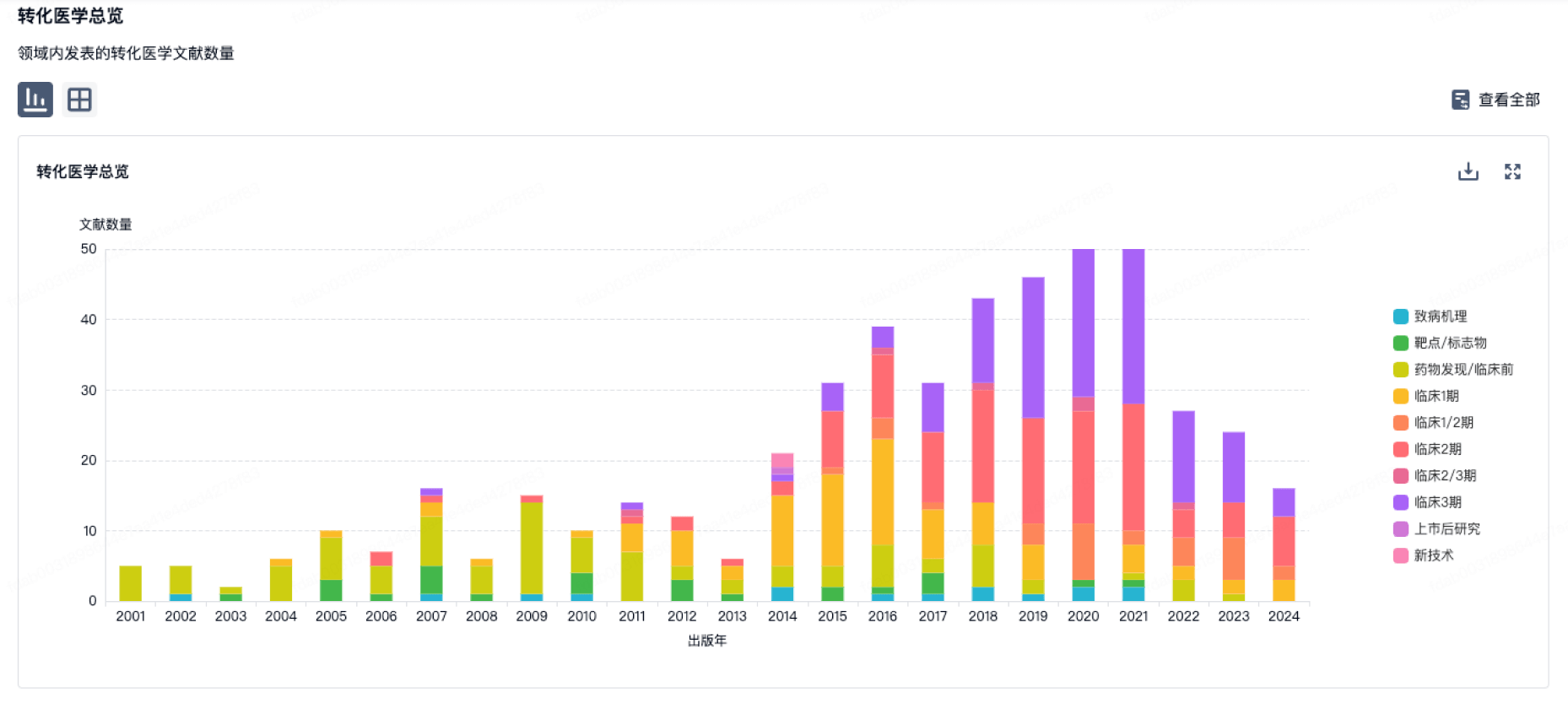
转化医学
使用我们的转化医学数据加速您的研究。
登录
或
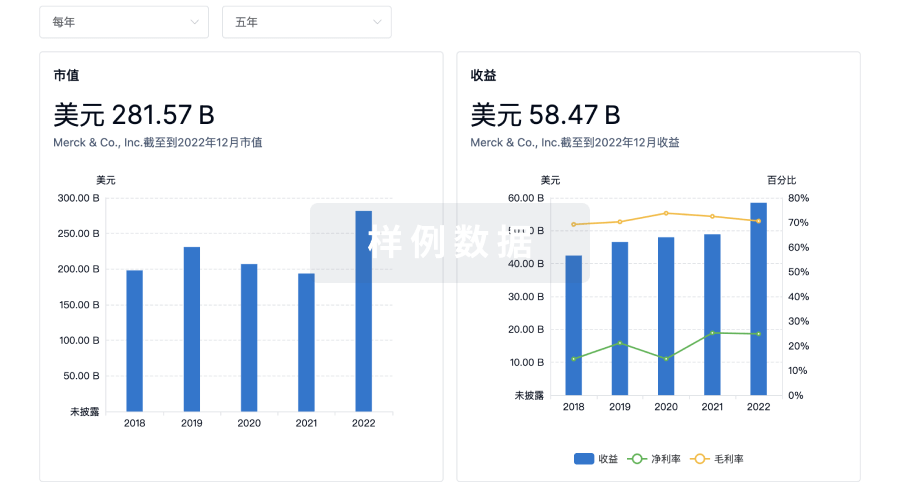
营收
使用 Synapse 探索超过 36 万个组织的财务状况。
登录
或
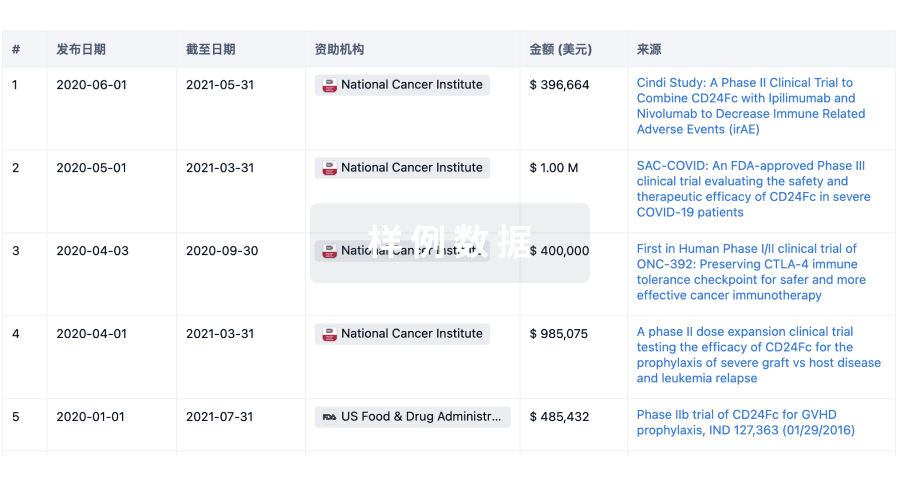
科研基金(NIH)
访问超过 200 万项资助和基金信息,以提升您的研究之旅。
登录
或
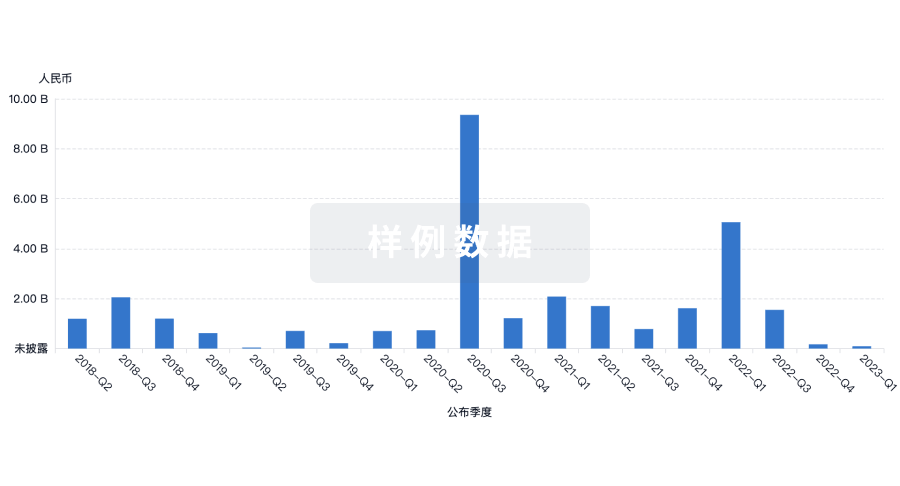
投资
深入了解从初创企业到成熟企业的最新公司投资动态。
登录
或
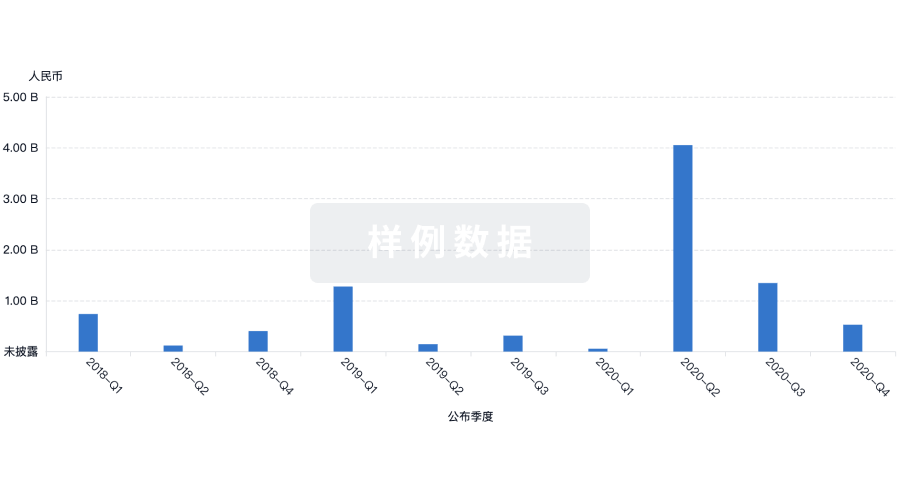
融资
发掘融资趋势以验证和推进您的投资机会。
登录
或
提出任何生物医药研究问题
让每一步生物医药决策都精准制胜
基于十亿级生物数据与全球情报的精准 AI,赋能早期药物发现
立即开始免费试用!
智慧芽新药情报库是智慧芽专为生命科学人士构建的基于AI的创新药情报平台,助您全方位提升您的研发与决策效率。
立即接入生物医药数据包
智慧芽新药库数据也通过智慧芽开放平台,以MCP或API服务形式对外开放。立即使用我们的MCP服务定制您的LLM智能体。
生物序列数据库
生物药研发创新
免费使用
化学结构数据库
小分子化药研发创新
免费使用