预约演示
更新于:2025-12-06

Universidade Iguacu
更新于:2025-12-06
概览
关联
RBR-2yd7sy5
Use of probiotics as adjuvant in gingivitis treatment: randomized clinical trial
100 项与 Universidade Iguacu 相关的临床结果
登录后查看更多信息
登录后查看更多信息
2025-12-01EXPERIMENTAL AND MOLECULAR PATHOLOGY
Histopathological analysis reveals mild to moderate changes in BALB/c mice after short-term administration of a microemulsion loaded with epoxy-α-lapachone
Article
作者: Oliveira, Nathalia Silva Carlos ; Peixoto, Juliana Figueiredo ; de Oliveira Cardoso, Flávia ; Silva-Souza, Franklin ; Pereira, Bernardo Acácio Santini ; Gonçalves-Oliveira, Luiz Filipe ; de Lima Moreira, Davyson ; Alves, Carlos Roberto
The development of innovative treatments for American Cutaneous Leishmaniasis is crucial due to severe side effects of current treatment and the emergence of non-responder parasites. To address such a challenge the incorporation of epoxy-α-lapachone (ELAP) into a microemulsion (ME), named ELAP-ME, represents a promising therapeutic approach. In previous studies, ELAP-ME demonstrated efficacy in controlling infection in the BALB/c-Leishmania (Leishmania) amazonensis model, advancing in the technology readiness level with a drug prototype. To further validate its potential as a drug prototype, the histopathological effects of ELAP-ME were investigated in healthy BALB/c mice as a preclinical approach stage. Mice were administered with a fixed dose of ELAP-ME microemulsion (∼7 μg/kg) and evaluated at different short-term after administration (4, 12, and 24 h). Histopathological analysis of the liver, kidney, lung, heart, and brain revealed only mild alterations. These findings confirm the low toxicity profile of ELAP-ME, highlighting its safety and supporting its continued advancement as a pharmacological alternative for the treatment of leishmaniasis.
2025-11-01ARQUIVOS DE NEURO-PSIQUIATRIA
Genetic and clinical insights into ALS8: exploring the impact of VAPB pathogenic variants in familial amyotrophic lateral sclerosis
Article
作者: Costa, Bruna Guimarães de França ; Orsini, Marco ; Magno, Gabriella Pereira de Oliveira ; Reis, Adriana Helena de Oliveira ; Figalo, Luna Borges
Abstract:
Amyotrophic lateral sclerosis (ALS) is a neurodegenerative disease leading to progressive muscle weakness and paralysis. Approximately 10% of ALS cases are familial (FALS), with the VAPB gene's P56S pathogenic variant being notably prevalent in Brazilian families, contributing to the rare ALS8. This variant progresses more slowly than typical ALS, with distinct clinical features.To identify VAPB gene pathogenic variants in Brazilian FALS patients, particularly the P56S pathogenic variant associated with ALS8 and explore its clinical presentation and progression.Twelve FALS patients from 12 unrelated families in Rio de Janeiro were included in the study between 2023 and 2024. Clinical, laboratory, and electrophysiological data were reviewed. Collection of DNA samples happened via oral swabs, and VAPB gene sequencing was performed to identify pathogenic variants, specifically the P56S variant linked to ALS8.There were 3 cases of the P56S pathogenic variant, all presenting ALS8 with symptom onset in the lower limbs and slower disease progression. A family with 11 affected members across four generations showed an autosomal dominant inheritance pattern, with varying survival rates, highlighting its clinical variability.The present study underscores the importance of genetic screening for ALS subtypes, particularly ALS8, in Brazil. Identifying the P56S pathogenic variant enhances our understanding of ALS's genetic diversity and clinical presentation, offering a foundation for improved diagnostic practices and personalized care.
2025-07-01JOURNAL OF ENDODONTICS
Apical Extrusion of Bacteria during Canal Preparation: A Systematic Review of Laboratory Studies
Review
作者: Marques, Jeferson O ; Guerra, Ana Carolina S P ; Alves, Flávio R F ; Monteiro, Thamyres M ; Silva, Warley O
INTRODUCTION:
Apical extrusion of bacteria is an unintended event that occurs during the chemical-mechanical preparation of infected root canals. Flare-ups and the spread of infection to periradicular tissues are possible consequences. This systematic review aimed to determine which type of engine-driven nickel-titanium systems, reciprocating or rotary, promote greater bacterial extrusion. Studies that compared manual and engine-driven systems or different brands of rotary instruments were also analyzed as a secondary objective.
METHODS:
Searches were performed in PubMed, Embase, Web of Science, Scopus, and ProQuest up to April 2024. Ex vivo studies that quantified the apical extrusion of bacteria comparing different instrumentation systems were included. The studies were critically assessed using a customized checklist.
RESULTS:
Of the 4938 articles initially retrieved, 38 were selected for full-text reading and 35 were included in this review. Thirteen studies compared rotary and reciprocating instruments, 11 compared manual and engine-driven systems, and 11 compared different rotary instruments. Among the 13 studies comparing rotary and reciprocating systems, 5 reported greater bacterial extrusion with the rotary systems, 5 found no significant differences, and 3 reported mixed results. The available evidence indicates a similar or greater apical extrusion of bacteria with rotary systems compared to reciprocating instruments. Additionally, manual preparation is associated with significantly greater bacterial extrusion than the 2 engine-driven methods. The results varied across studies primarily due to methodological differences, particularly the instrumentation systems employed.
CONCLUSION:
Rotary systems extrude similar or greater quantities of bacteria than reciprocating systems. Conversely, manual instrumentation promotes greater bacterial extrusion than the 2 engine-driven methods.
100 项与 Universidade Iguacu 相关的药物交易
登录后查看更多信息
100 项与 Universidade Iguacu 相关的转化医学
登录后查看更多信息
组织架构
使用我们的机构树数据加速您的研究。
登录
或
管线布局
2026年02月08日管线快照
无数据报导
登录后保持更新
药物交易
使用我们的药物交易数据加速您的研究。
登录
或
转化医学
使用我们的转化医学数据加速您的研究。
登录
或
营收
使用 Synapse 探索超过 36 万个组织的财务状况。
登录
或
科研基金(NIH)
访问超过 200 万项资助和基金信息,以提升您的研究之旅。
登录
或
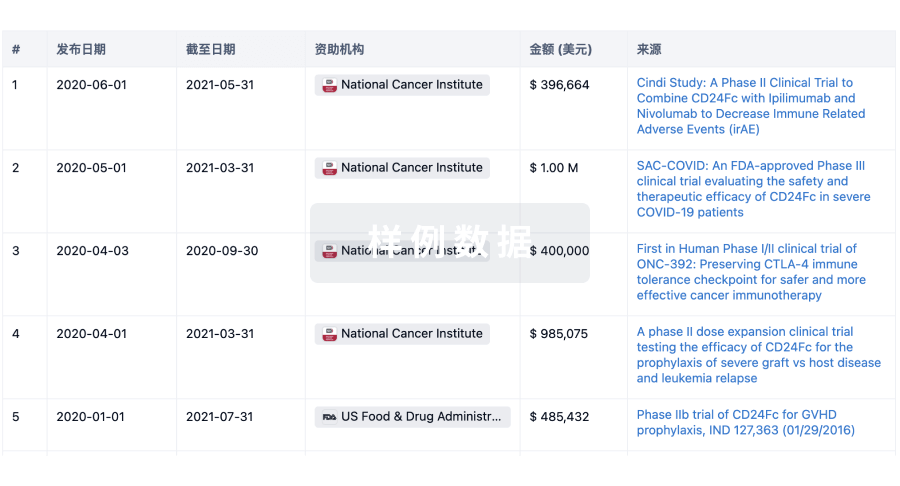
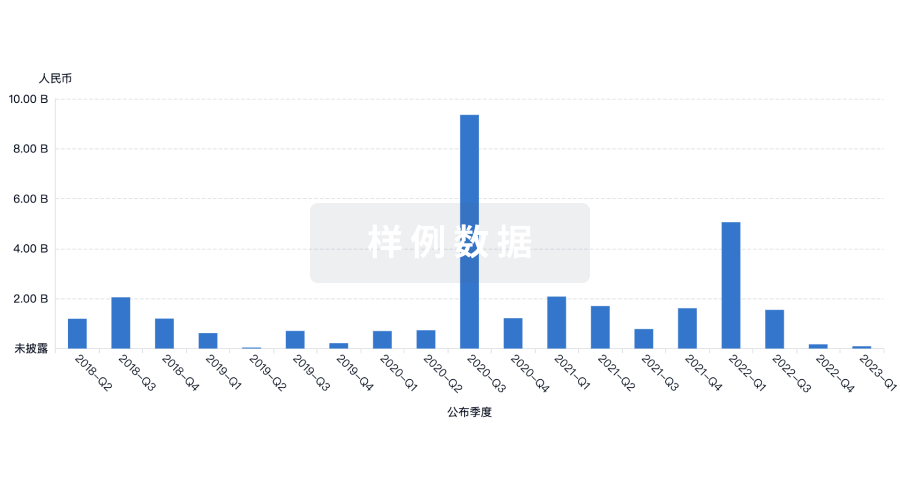
投资
深入了解从初创企业到成熟企业的最新公司投资动态。
登录
或
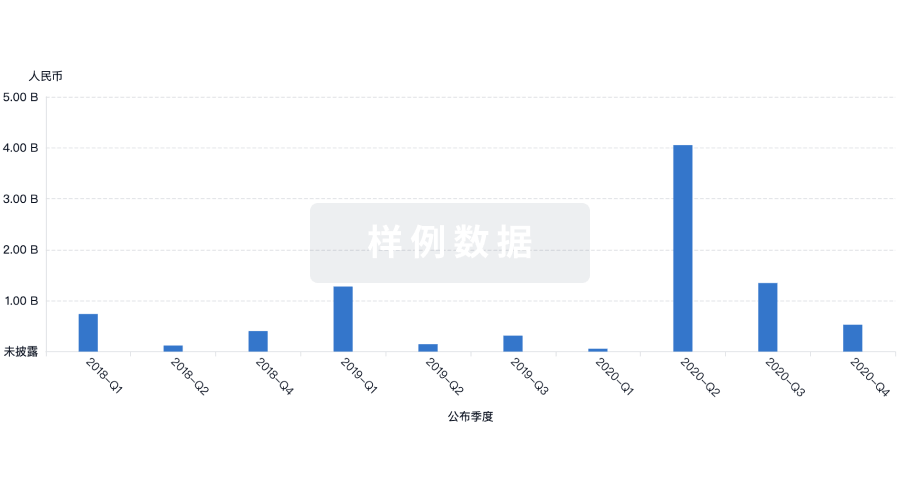
融资
发掘融资趋势以验证和推进您的投资机会。
登录
或
生物医药百科问答
全新生物医药AI Agent 覆盖科研全链路,让突破性发现快人一步
立即开始免费试用!
智慧芽新药情报库是智慧芽专为生命科学人士构建的基于AI的创新药情报平台,助您全方位提升您的研发与决策效率。
立即开始数据试用!
智慧芽新药库数据也通过智慧芽数据服务平台,以API或者数据包形式对外开放,助您更加充分利用智慧芽新药情报信息。
生物序列数据库
生物药研发创新
免费使用
化学结构数据库
小分子化药研发创新
免费使用