预约演示
更新于:2026-05-20

Kyushu Dental University
更新于:2026-05-20
概览
关联
JPRN-UMIN000060558
Comparison of Perioperative Complications Between Cuffed and Cuffless Tubes in Pediatric Nasotracheal Intubation: A Randomized Controlled Trial - Pediatric Nasotracheal Cuff study
JPRN-UMIN000056224
A Study on the Effect of Mouth Rinsing Training on the Improvement of Oral Function - A Study on the Effect of Mouth Rinsing Training on the Improvement of Oral Function
JPRN-UMIN000054849
Research on the number of chews for one bite and small bite in older adults. - Research on the number of chews for one bite and small bite in older adults.
100 项与 Kyushu Dental University 相关的临床结果
登录后查看更多信息
登录后查看更多信息
2026-04-13JOURNAL OF BIOMATERIALS SCIENCE-POLYMER EDITION
Biocompatibility and bioactivity of gelatin hydrogel sponges incorporating bioactive glasses capable of controlled release of basic fibroblast growth factor
Article
作者: Kérourédan, Olivia ; Kitamura, Chiaki ; Tabata, Yasuhiko ; Washio, Ayako
This study aimed to evaluate the in vivo biocompatibility and bioactivity of gelatin hydrogel sponges incorporating bioactive glasses (BG), with or without impregnation of basic fibroblast growth factor (bFGF), as a potential scaffold for dentin-pulp complex regeneration. H.E. staining showed inflammatory cell infiltration in gelatin hydrogel sponges not incorporating BG (Gel-BG(0)) at 1 week, with blood vessels in the bFGF group (Gel-BG(0)-bFGF). Gelatin hydrogel sponges incorporating 10 wt% BG (Gel-BG(10)) and 50 wt% BG (Gel-BG(50)) retained their structure without inflammation. At 2 weeks, Gel-BG(0)-bFGF was no longer present, while Gel-BG(10) and Gel-BG(50) showed fragmentation and fibroblast infiltration. At 6 weeks, extracellular matrix-like structures were observed in Gel-BG(10) and Gel-BG(50). Masson's trichrome staining confirmed collagen deposition, and von Kossa staining revealed calcification. SEM-EDX analysis demonstrated Ca and P deposition throughout the implanted Gel-BG(10) and Gel-BG(50), with minimal Si and no co-localization of Ca and C. The co-localization of Ca and P indicates in vivo hydroxyapatite formation derived from BG. Gelatin hydrogel sponges incorporating BG and impregnated with bFGF demonstrated excellent biocompatibility, collagen matrix formation, and in vivo mineralization. These findings support their potential application in dentin-pulp regeneration and bone tissue engineering.
2026-04-01Journal of Oral Biosciences
Antimicrobial and biocompatible potential of a peracetic acid-based disinfectant as a novel root canal irrigant
Article
作者: Yamasaki, Ryota ; Ariyoshi, Wataru ; Yoshioka, Yoshie ; Washio, Ayako ; Takami, Rikako ; Kitamura, Chiaki
OBJECTIVES:
Sodium hypochlorite (NaClO) is widely used as a root canal irrigant because it is an effective antimicrobial agent; however, cytotoxicity to periapical tissues remains a clinical concern. Peracetic acid (PAA) is a well-established disinfectant, but its oral biocompatibility, particularly at low concentrations, and commercially formulated preparations have not been fully evaluated.
METHODS:
The antimicrobial efficacy and biocompatibility of a low-concentration PAA-based commercial disinfectant (Actril) were tested against representative oral pathogenic bacteria. Minimum inhibitory, bactericidal, and biofilm inhibitory concentrations were determined, and cytotoxicity toward gingival epithelial cells and periodontal ligament fibroblasts was assessed. Bactericidal activity against Enterococcus faecalis biofilms were evaluated using live/dead staining. Irrigation efficacy was further examined in E. faecalis-infected extracted human teeth using scanning electron microscopy and quantitative polymerase chain reaction.
RESULTS:
Actril exhibited antimicrobial activity at PAA-equivalent concentrations markedly lower than those required for NaClO, with reduced cytotoxicity toward periodontal tissue-related cells. Live/dead staining demonstrated bactericidal effects within E. faecalis biofilms, although variability was observed at threshold concentrations. In extracted tooth models, Actril facilitated biofilm disruption and exposure of dentinal tubules within a clinically relevant irrigation time. Quantitative analyses confirmed significant reduction of bacteria compared with non-irrigated controls, comparable to the effects of NaClO.
CONCLUSIONS:
Although PAA itself is not a novel antimicrobial agent, a low-concentration, commercially formulated PAA-based disinfectant demonstrated a favorable balance between antimicrobial efficacy and biocompatibility in oral biofilm models. These findings support the potential application of PAA as a low-toxicity antimicrobial strategy in endodontic environments.
2026-04-01Journal of Oral Biosciences
Surfactin selectively suppresses acidogenicity in Streptococcus sobrinus without inhibiting growth or biofilm formation
Article
作者: Yamasaki, Ryota ; Wakamatsu, Nobuhiro ; Habu, Manabu ; Yoshioka, Yoshie ; Ariyoshi, Wataru
OBJECTIVES:
Dental caries are caused by organic acids produced by cariogenic bacteria through carbohydrate metabolism. Suppression of acid production without disrupting the oral microbiome is a promising preventive strategy against dental caries. Surfactin, a naturally derived biosurfactant, has several biological activities. However, its effects on acid production by cariogenic bacteria remain unclear. In this study, the effects of surfactin on lactate production, growth, biofilm formation, and metabolic activity of Streptococcus sobrinus, were investigated.
METHODS:
In vitro assays were performed to distinguish surfactin-mediated suppression of acidogenic metabolism from its effects on bacterial growth or biofilm formation, combined with molecular and enzymatic analyses to explore the underlying regulatory mechanisms.
RESULTS:
Surfactin significantly reduced lactate production in planktonic and biofilm-associated S. sobrinus, and it delayed environmental pH reduction in the presence of sucrose. Notably, these effects were observed without inhibition of bacterial growth or biofilm formation. There were no significant changes in the expression of lactate production-related genes, and lactate dehydrogenase activity was not inhibited by surfactin. In contrast, in the MTT assay, there was a transient reduction in metabolic activity, accompanied by delayed initiation of growth.
CONCLUSION:
These findings indicate that surfactin selectively attenuates acidogenicity in S. sobrinus, without markedly affecting bacterial viability or biofilm architecture, which is consistent with an anti-virulence mode of action. Although further validation in more complex oral environments and comprehensive safety assessments are required, this study provides fundamental evidence supporting the potential of naturally derived biosurfactants as a basis for future preventive strategies for caries.
100 项与 Kyushu Dental University 相关的药物交易
登录后查看更多信息
100 项与 Kyushu Dental University 相关的转化医学
登录后查看更多信息
组织架构
使用我们的机构树数据加速您的研究。
登录
或
管线布局
2026年10月17日管线快照
无数据报导
登录后保持更新
药物交易
使用我们的药物交易数据加速您的研究。
登录
或
转化医学
使用我们的转化医学数据加速您的研究。
登录
或
营收
使用 Synapse 探索超过 36 万个组织的财务状况。
登录
或
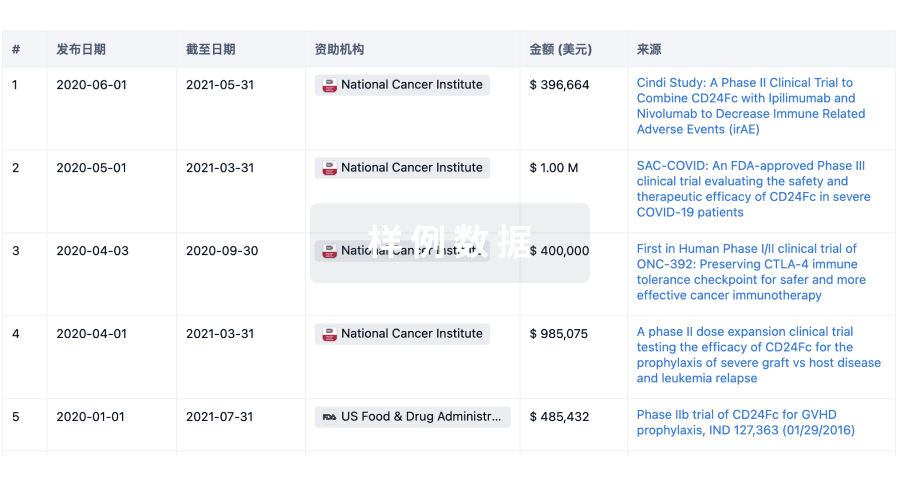
科研基金(NIH)
访问超过 200 万项资助和基金信息,以提升您的研究之旅。
登录
或
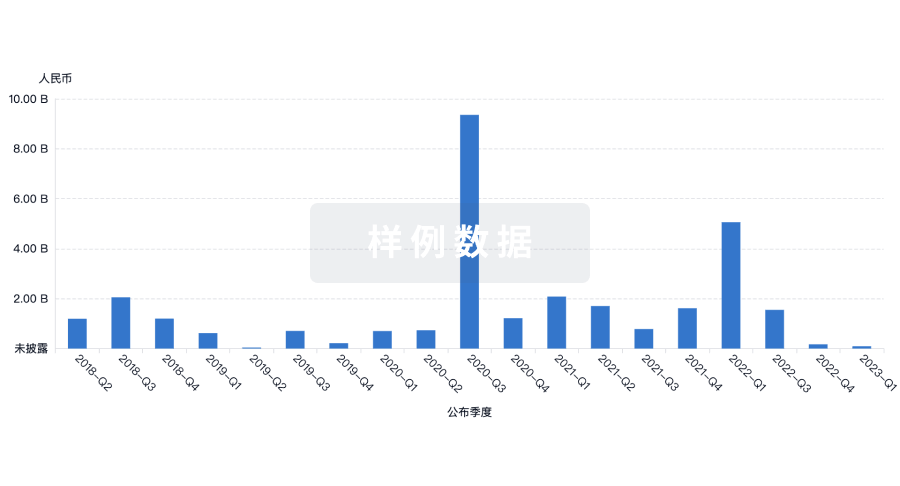
投资
深入了解从初创企业到成熟企业的最新公司投资动态。
登录
或
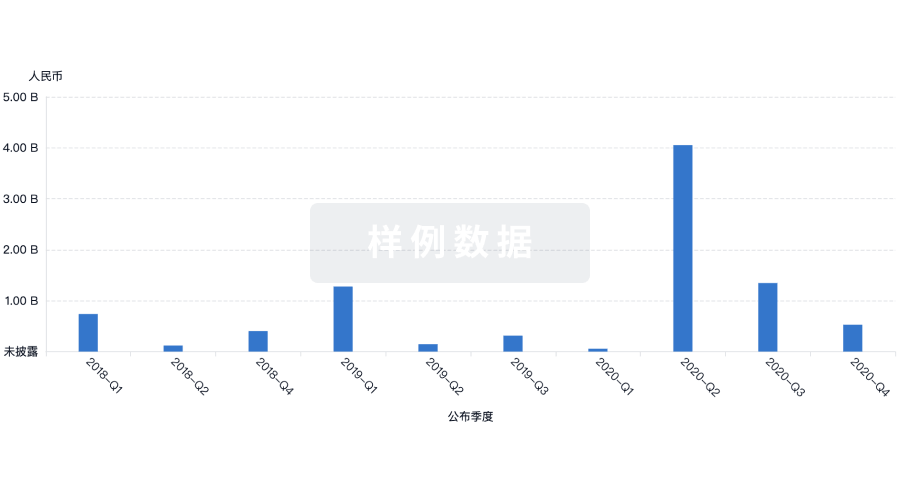
融资
发掘融资趋势以验证和推进您的投资机会。
登录
或
提出任何生物医药研究问题
让每一步生物医药决策都精准制胜
基于十亿级生物数据与全球情报的精准 AI,赋能早期药物发现
立即开始免费试用!
智慧芽新药情报库是智慧芽专为生命科学人士构建的基于AI的创新药情报平台,助您全方位提升您的研发与决策效率。
立即接入生物医药数据包
智慧芽新药库数据也通过智慧芽开放平台,以MCP或API服务形式对外开放。立即使用我们的MCP服务定制您的LLM智能体。
生物序列数据库
生物药研发创新
免费使用
化学结构数据库
小分子化药研发创新
免费使用