预约演示
更新于:2026-11-21

Université de Paris 5 René Descartes
更新于:2026-11-21
概览
标签
神经系统疾病
其他疾病
小分子化药
疾病领域得分
一眼洞穿机构专注的疾病领域

技术平台
公司药物应用最多的技术
靶点
公司最常开发的靶点
关联
靶点 |
作用机制 |
在研机构 |
原研机构 |
在研适应症 |
非在研适应症 |
最高研发阶段 |
首次获批国家/地区 |
首次获批日期 |
靶点 |
作用机制 |
在研机构 |
原研机构 |
在研适应症 |
非在研适应症 |
最高研发阶段 |
首次获批国家/地区 |
首次获批日期 |
靶点 |
作用机制 |
在研机构 |
原研机构 |
在研适应症 |
非在研适应症 |
最高研发阶段 |
首次获批国家/地区 |
首次获批日期 |
NCT06376318
Beyond the Syndromic Approach in Critical Care: Identifying Biomarker-driven Subphenotypes of Circulatory Shock

NCT05924737
Delta Waves and Cognitive Recovery During a Restricted Sleep Opportunity After Total Sleep
NCT05924659
Evaluation of Neurofeedback Training's Efficiency for the Optimization of Attentionnal Performances
100 项与 Université de Paris 5 René Descartes 相关的临床结果
登录后查看更多信息
登录后查看更多信息
2026-12-01JHEP Reports
Hepatitis C RNA prevalence before and during broad access to direct-acting antivirals in people with HIV across six countries
Article
作者: Doyle, Joseph S ; Asselin, Jason ; Yiannoutsos, Constantin T ; Klein, Marina ; Smit, Colette ; Stoové, Mark A ; Bakoyannis, Giorgos ; Lacombe, Karine ; Baumann, Lukas ; Sacks-Davis, Rachel ; Kusejko, Katharina ; Salmon, Dominique ; Musick, Beverly ; Stewart, Ashleigh C ; Prins, Maria ; van der Valk, Marc ; Matthews, Gail ; Pavlyshyn, Damian ; Wittkop, Linda ; Bonnet, Fabrice ; Hellard, Margaret ; Berenguer, Juan ; Jarrín, Inmaculada
BACKGROUND & AIMS:
HCV RNA prevalence is a key measure for monitoring progress towards elimination. We estimated the effect of limited and broad availability of direct-acting antiviral (DAA) therapies on HCV RNA prevalence among people with HIV, accounting for variation in testing frequency.
METHODS:
Data from six countries contributing to cohorts included in the International Collaboration on Hepatitis Elimination in HIV Cohorts (InCHEHC) were analysed. Follow-up spanned the five years before each country's broad DAA-access date to database closure (5-8 years after broad access). To account for variation in HCV testing frequency, we applied a population-averaged approach to estimate HCV RNA prevalence and quantify changes across the pre-DAA-access (reference), limited-access, and broad-access periods.
RESULTS:
Among 107,532 individuals (863,734 person-years), baseline adjusted HCV RNA prevalence ranged from 3.6% (95% CI 3.3-3.9) in the Netherlands to 11.6% (95% CI 10.8-12.4) in Italy. Relative to the pre-DAA period, annual declines in RNA prevalence during limited access ranged from 6% in Italy and Spain (95% CIs 4-7% and 3-8%, respectively) to 21% in the Netherlands (95% CI 17-24%). During broad access, annual declines ranged from 7% in Spain (95% CI 5-9%) to 27% in Switzerland (95% CI 25-30%). From the onset of the COVID-19 pandemic onwards, prevalence declined more slowly in France, Italy, the Netherlands, Spain, and Switzerland, but increased in Australia. After five years of broad DAA access, prevalence ranged from 0.4% (95% CI 0.3-0.5) in the Netherlands to 3.3% (95% CI 2.8-3.8) in Italy.
CONCLUSION:
HCV RNA prevalence was stable or decreased slightly before DAA availability across the six InCHEHC countries. Following DAA availability, substantial reductions in HCV RNA prevalence were observed among people with HIV, primarily reflecting the cure of chronic HCV infections and possibly a reduction in transmission risk.
IMPACT AND IMPLICATIONS:
Our study shows that the introduction and scale-up of direct-acting antiviral therapies led to substantial and sustained reductions in HCV RNA prevalence among people with HIV across six countries, demonstrating the population-level impact of widespread treatment access on chronic infection and potential transmission. These findings highlight the effectiveness of national direct-acting antiviral strategies, while also underscoring the risk of stalled progress during external disruptions such as the COVID-19 pandemic. We also show that routinely collected clinical data, when appropriately adjusted for testing patterns, can provide reliable estimates of HCV prevalence and help monitor progress toward elimination targets. Sustaining high levels of testing and treatment access, particularly in lower prevalence, post-scale-up settings, will be critical to maintaining momentum toward HCV elimination.
2026-12-01European Journal of Medical Genetics
Hidden complexity of interchromosomal insertions revealed by optical genome mapping: report of two cases and literature review
Review
作者: Coussement, Aurélie ; Pocate, Khaled ; Fetecau, Andreea ; Maazoun, Fatma ; Bienvenu, Thierry ; Claudel, Noémie ; Lebbar, Aziza ; Dupont, Jean-Michel ; Ahmed Elie, Samira ; Heuzé, Virginie
2026-11-03MEDICAL MYCOLOGY
Rare variants in mucin-encoding genes in patients with recurrent vulvovaginal candidiasis
Article
作者: Franco, José Luis ; González, Ángel ; Torres, Brajhan ; Rojas, Julián ; Consuegra-Asprilla, Jeiser Marcelo ; Puel, Anne ; Arias, Andrés Augusto ; Carmona-Ramirez, María C
Abstract:
Recurrent vulvovaginal candidiasis (RVVC) is a condition characterized by recurrent episodes of vulvovaginal candidiasis, caused primarily by Candida albicans. Host genetic variations may play a role in the susceptibility to this disease. We performed whole-exome sequencing (WES) in patients with RVVC to identify potentially deleterious genetic variants in candidate genes, assess their impact on gene expression. We searched for patients with severe RVVC (> 10 episodes per year) and who had additional affected family member(s). WES was performed on gDNA from the index patients. Vaginal scraping samples were obtained from the affected females, and total RNA was obtained to evaluate the expression of candidate genes by qPCR. We identified 12 adult females affected with severe RVVC across 11 families, of whom three had more than one affected female. In silico analyses of WES results revealed potentially deleterious variants in MUC4, MUC5B, and MUC21 genes. A significant decrease in the expression of the MUC5B and MUC21 genes was observed in patients with RVVC compared to healthy women. These results suggest that potentially deleterious variants could affect the expression of the genes encoding different members of the mucin family, indicating that mucins may play a significant role in the pathogenesis of RVVC.
2023-10-10
100 项与 Université de Paris 5 René Descartes 相关的药物交易
登录后查看更多信息
100 项与 Université de Paris 5 René Descartes 相关的转化医学
登录后查看更多信息
组织架构
使用我们的机构树数据加速您的研究。
登录
或
管线布局
2026年11月22日管线快照
管线布局中药物为当前组织机构及其子机构作为药物机构进行统计,早期临床1期并入临床1期,临床1/2期并入临床2期,临床2/3期并入临床3期
临床前
3
6
其他
登录后查看更多信息
当前项目
登录后查看更多信息
药物交易
使用我们的药物交易数据加速您的研究。
登录
或
转化医学
使用我们的转化医学数据加速您的研究。
登录
或
营收
使用 Synapse 探索超过 36 万个组织的财务状况。
登录
或
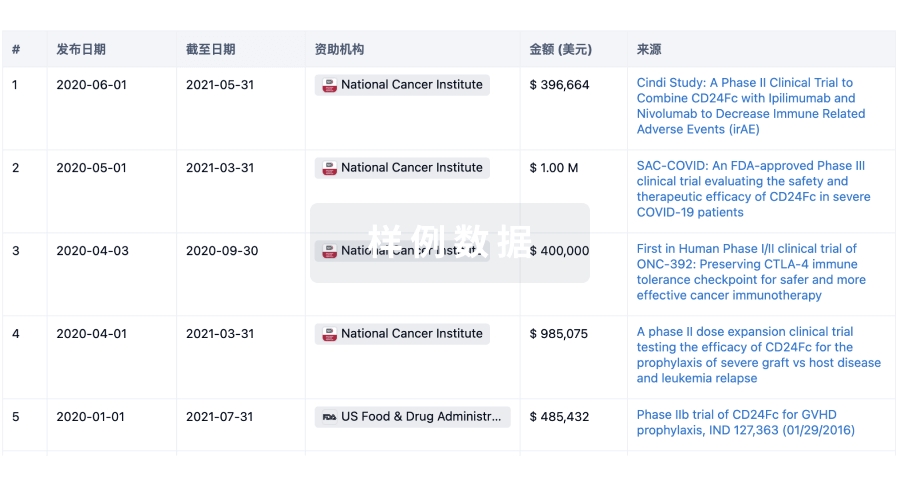
科研基金(NIH)
访问超过 200 万项资助和基金信息,以提升您的研究之旅。
登录
或
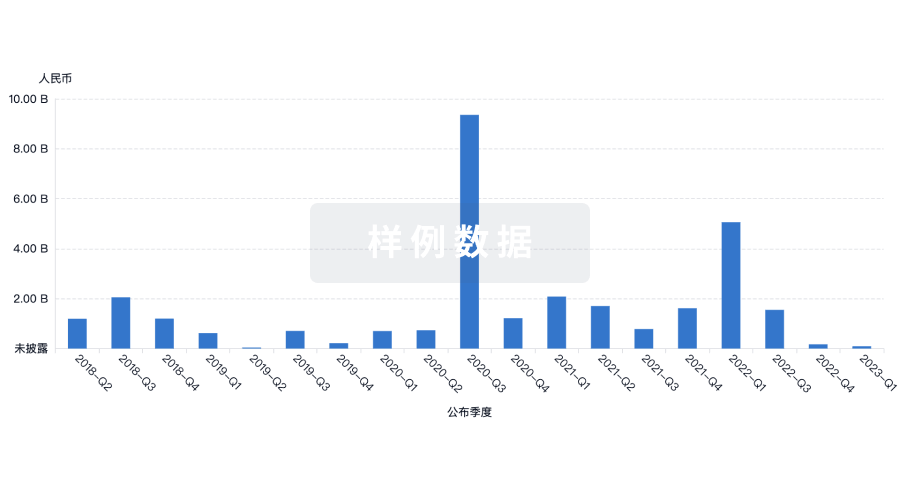
投资
深入了解从初创企业到成熟企业的最新公司投资动态。
登录
或
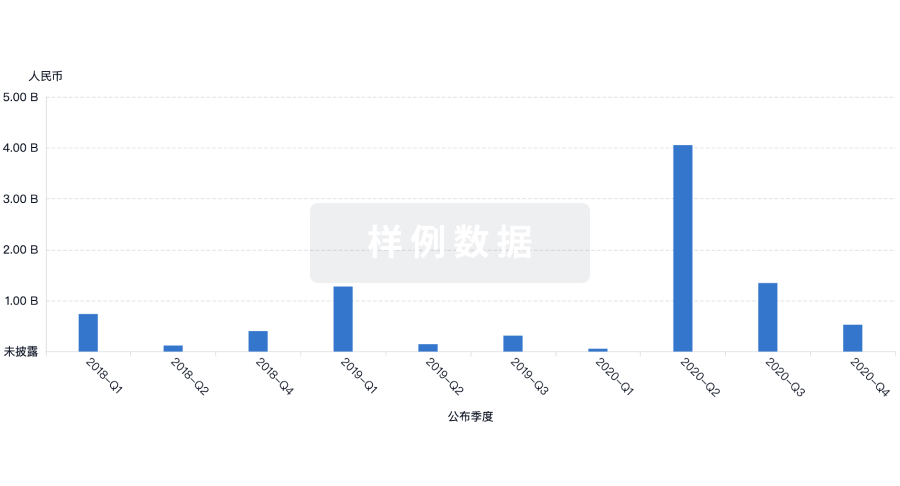
融资
发掘融资趋势以验证和推进您的投资机会。
登录
或
提出任何生物医药研究问题
让每一步生物医药决策都精准制胜
基于十亿级生物数据与全球情报的精准 AI,赋能早期药物发现
立即开始免费试用!
智慧芽新药情报库是智慧芽专为生命科学人士构建的基于AI的创新药情报平台,助您全方位提升您的研发与决策效率。
立即接入生物医药数据包
智慧芽新药库数据也通过智慧芽开放平台,以MCP或API服务形式对外开放。立即使用我们的MCP服务定制您的LLM智能体。
生物序列数据库
生物药研发创新
免费使用
化学结构数据库
小分子化药研发创新
免费使用