预约演示
更新于:2026-06-16

Wuhan Polytechnic University
更新于:2026-06-16
概览
标签
消化系统疾病
肿瘤
心血管疾病
小分子化药
疾病领域得分
一眼洞穿机构专注的疾病领域

技术平台
公司药物应用最多的技术
靶点
公司最常开发的靶点
关联
靶点 |
作用机制 |
在研机构 |
原研机构 |
在研适应症 |
非在研适应症 |
最高研发阶段 |
首次获批国家/地区 |
首次获批日期 |
CN121974968
专利挖掘靶点 |
作用机制 |
在研机构 |
原研机构 |
在研适应症 |
非在研适应症 |
最高研发阶段 |
首次获批国家/地区 |
首次获批日期 |
CN121378367
专利挖掘靶点 |
作用机制 |
在研机构 |
原研机构 |
在研适应症 |
非在研适应症 |
最高研发阶段 |
首次获批国家/地区 |
首次获批日期 |
ISRCTN14316668
The effect and mechanisms of Flexi-bar on muscle strength and physical performance in the older people with dynapenia
ChiCTR1900023468
Effects of heated perilla oil on human gut microbiota
ISRCTN20398227
The effects of whole body vibration on balance and physical performance in the older people with chronic stroke: A randomized controlled trial
100 项与 武汉轻工大学 相关的临床结果
登录后查看更多信息
登录后查看更多信息
2026-07-01FOOD RESEARCH INTERNATIONAL
Effects of dietary fiber from different particle sizes of wheat bran on myofibrillar protein structure
Article
作者: Liu, Huaying ; Guo, Cheng ; Xia, Jian ; Mao, Ying ; Li, Jinling ; Gu, Shunfan ; Huang, Wenjing ; Jin, Weiping ; Shen, Wangyang
In this study, the effects of wheat bran dietary fiber (WBDF) particle size on the physicochemical properties and structural conformation of myofibrillar protein (MP) were investigated. The results showed that ultrafine comminution effectively reduced the particle size of WBDF from 138.00 μm to 17.53 μm, maintaining a high extraction purity of 90%. Compositional analysis revealed D-xylose and L-arabinose as the dominant monosaccharides (>91%). While the intrinsic hydration capacities of isolated WBDF decreased with smaller particle sizes, the incorporation of micronized WBDF significantly enhanced both the water-holding capacity and oil-holding capacity of the MP composite system. Furthermore, the micronized WBDF significantly stabilized the MP through a novel "hydrophilic shielding" mechanism. Notably, the addition of finer WBDF increased turbidity from 0.20 to 0.47 but reduced surface hydrophobicity (H0) from 1239.10 to 875.90, decreasing by 29.3%. This reduction, coupled with intrinsic fluorescence quenching and a red shift in maximum emission, indicates the formation of a hydration shell around MP molecules by the arabinoxylan-rich fibers, effectively masking hydrophobic domains rather than exposing them. Furthermore, micronized WBDF facilitated the transformation of MP secondary structures toward a more ordered state, characterized by increased α-helix content and enhanced thermal stability. These findings reveal that micronized WBDF can function as a filler and a functional stabilizing agent, enhancing protein structural stability through hydrophilic modification and offering a sustainable strategy for valorizing wheat by-products in meat gel systems.
2026-06-01COLLOIDS AND SURFACES B-BIOINTERFACES
Controllable construction and corrosion control of MOFs membranes based multifunctional coatings on medical magnesium surfaces: A review
Review
作者: Li, Yali ; Zhang, Xing ; Zeng, Dong ; Xiong, Chao ; He, Aotian ; Chen, Xin ; Tu, Yi ; He, Jiayu ; Liu, Liang ; Sun, Luhong
Biodegradable magnesium (Mg) and its alloys can degrade safely in vivo without toxicity to the human body. However, the major bottleneck inhibiting Mg-based implants' clinical use is the high corrosion rate. The serious corrosion leads to loss of mechanical integrity prematurely and bad biocompatibility. To break the bottleneck, modification with anticorrosive and bioactive coating is an ideal strategy. Metal-organic frameworks (MOFs) show good anticorrosive performance and perform good biocompatibility with up-and-coming applications in biomedical area such as drug delivery system, biological imaging and antibacterial property. Although numerous reports have reviewed the preparation and application of magnesium-based implant coating, relatively few report the MOF membranes coating of magnesium-based implant. Herein, this review provides the strategies for controlling corrosion of magnesium-based implants. Meanwhile, fabrication of nanoscale MOF membranes (in-situ growth and secondary growth method) is also mentioned. The application of MOFs based materials in the fields of corrosion protection and biomedicine are introduced. This work aims to provide a theoretical basis for addressing the key challenges of corrosion protection and biofunctionalization of degradable metal implants by systematically analyzing the functional characteristics and engineering design principles of MOFs coatings on magnesium-based implants.
2026-05-22ACS Sensors
Surface-Confined Ratiometric SERS Sensing Enables Quantitative Imaging of Cellular Malondialdehyde
Article
作者: Jiang, Guoyong ; Wan, Yuqi ; Qi, Junjie ; Wang, Zhouping ; Pi, Fuwei
Quantitative imaging of lipid peroxidation-derived biomarkers in living cells remains challenging because signal fluctuations and probe heterogeneity often compromise the reliability of cellular surface-enhanced Raman spectroscopy (SERS) measurements. Here, we report a biocompatible ratiometric SERS nanoprobe for quantitative detection and cellular imaging of malondialdehyde (MDA), a key biomarker of oxidative stress. The probe integrates a plasmonic core-shell architecture with a surface-confined chemical reaction, in which 4-aminothiophenol (4-ATP) reacts with MDA through a Schiff-base condensation to generate a characteristic Raman band at 1657 cm-1. By using the invariant Raman band at 1080 cm-1 as an internal reference, a ratiometric readout (I1657/I1080) enables self-calibrated detection and effectively compensates for variations in laser excitation and nanoprobe distribution. Importantly, the probe demonstrates high chemical specificity toward MDA, showing negligible cross-reactivity with structurally related aldehydes, ketones, and common cellular biomolecules. The silica shell enhances structural stability and significantly reduces Ag-associated cytotoxicity, allowing reliable operation in biological environments. The developed probe exhibits a linear range (0.25-12.5 μM) and a detection limit of 0.5 nM for MDA. In cellular studies, the nanoprobe enables dose-dependent visualization of exogenous MDA and quantitative imaging of endogenous MDA generated during AAPH-induced lipid peroxidation. The ratiometric SERS imaging clearly differentiates oxidative stress levels among treatment groups. This ratiometric SERS platform provides a robust strategy for the mapping of cellular oxidative stress and offers a versatile tool for evaluating antioxidant interventions and neurodegenerative processes.
100 项与 武汉轻工大学 相关的药物交易
登录后查看更多信息
100 项与 武汉轻工大学 相关的转化医学
登录后查看更多信息
组织架构
使用我们的机构树数据加速您的研究。
登录
或
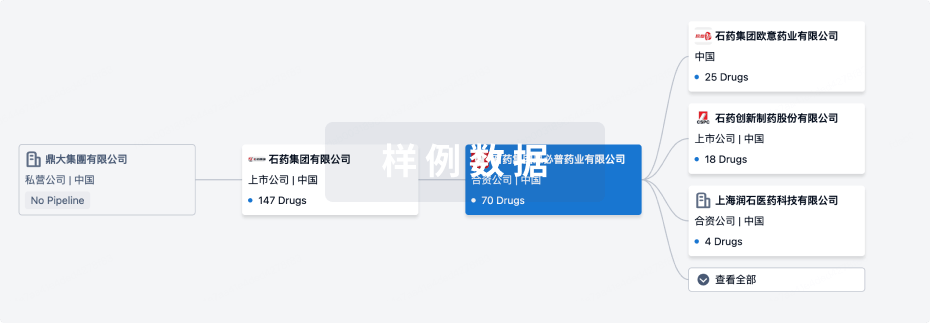
管线布局
2026年06月23日管线快照
管线布局中药物为当前组织机构及其子机构作为药物机构进行统计,早期临床1期并入临床1期,临床1/2期并入临床2期,临床2/3期并入临床3期
药物发现
3
1
临床前
登录后查看更多信息
当前项目
登录后查看更多信息
药物交易
使用我们的药物交易数据加速您的研究。
登录
或

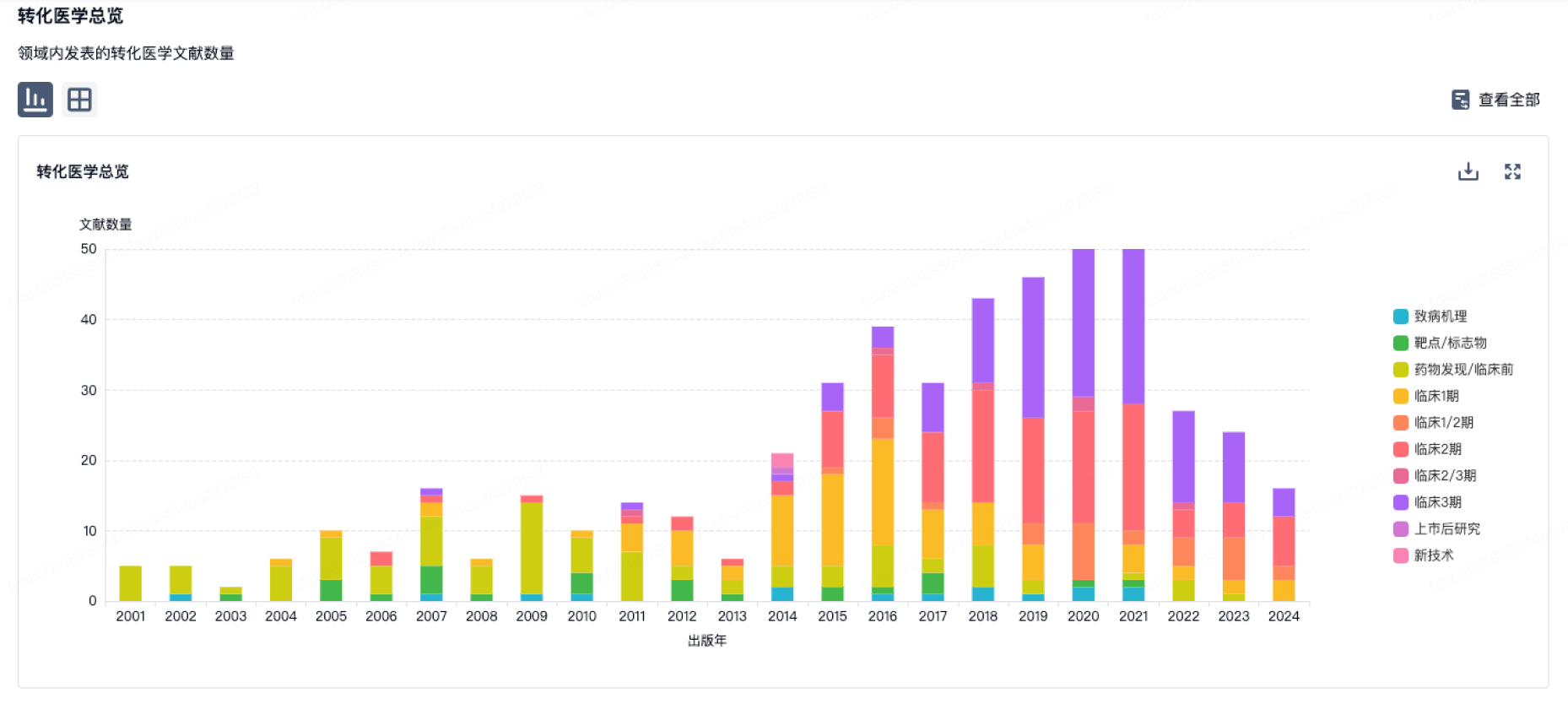
转化医学
使用我们的转化医学数据加速您的研究。
登录
或
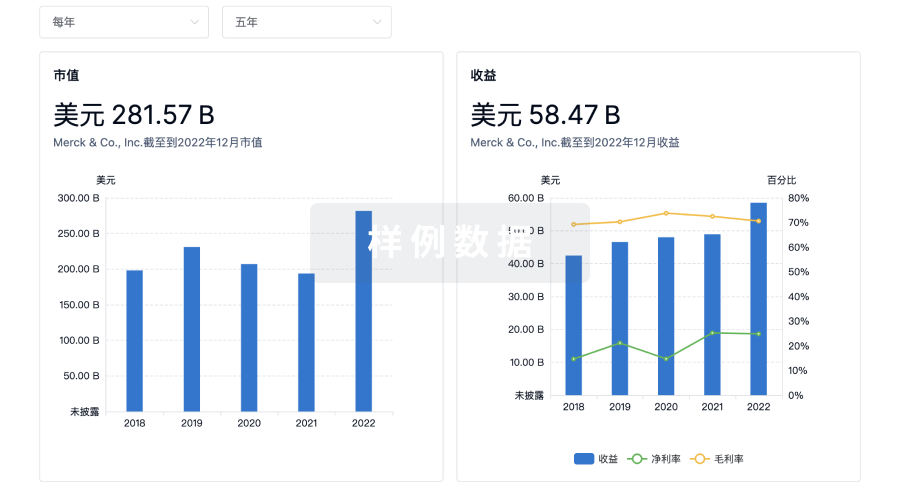
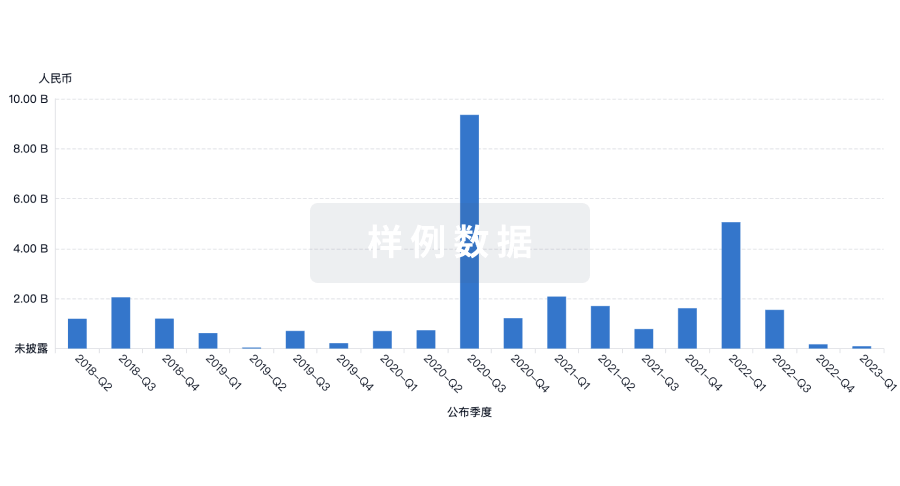
营收
使用 Synapse 探索超过 36 万个组织的财务状况。
登录
或
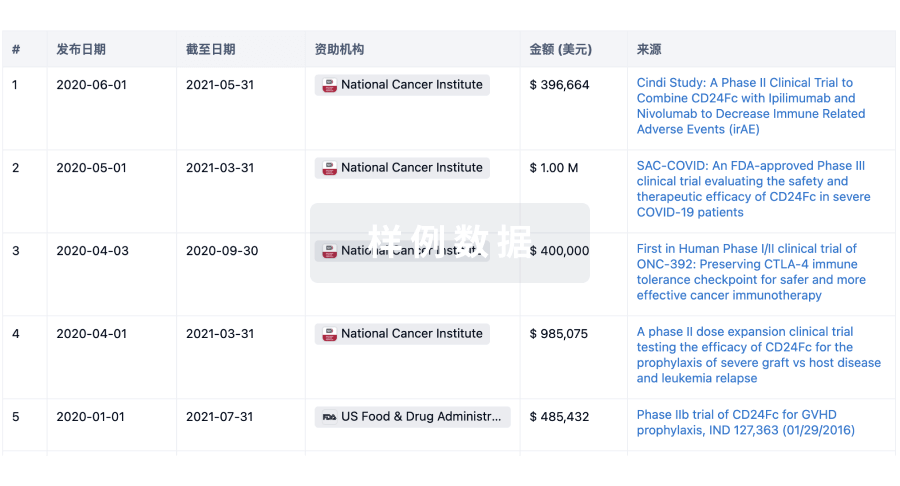
科研基金(NIH)
访问超过 200 万项资助和基金信息,以提升您的研究之旅。
登录
或
投资
深入了解从初创企业到成熟企业的最新公司投资动态。
登录
或
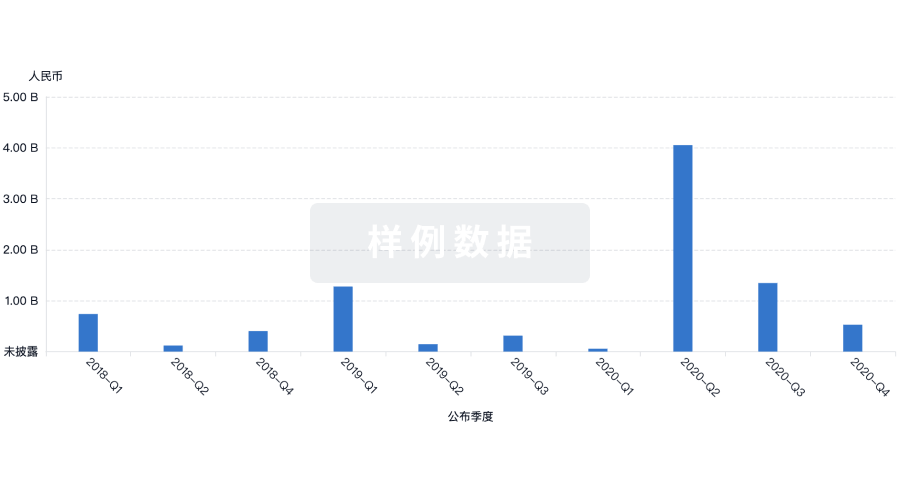
融资
发掘融资趋势以验证和推进您的投资机会。
登录
或
生物医药百科问答
全新生物医药AI Agent 覆盖科研全链路,让突破性发现快人一步
立即开始免费试用!
智慧芽新药情报库是智慧芽专为生命科学人士构建的基于AI的创新药情报平台,助您全方位提升您的研发与决策效率。
立即开始数据试用!
智慧芽新药库数据也通过智慧芽数据服务平台,以API或者数据包形式对外开放,助您更加充分利用智慧芽新药情报信息。
生物序列数据库
生物药研发创新
免费使用
化学结构数据库
小分子化药研发创新
免费使用