预约演示
更新于:2026-11-15

概览
标签
神经系统疾病
内分泌与代谢疾病
皮肤和肌肉骨骼疾病
小分子化药
miRNA
寡核苷酸
疾病领域得分
一眼洞穿机构专注的疾病领域

技术平台
公司药物应用最多的技术
靶点
公司最常开发的靶点
关联
靶点 |
作用机制 |
在研机构 |
原研机构 |
在研适应症 |
非在研适应症 |
最高研发阶段 |
首次获批国家/地区 |
首次获批日期 |

靶点 |
作用机制 |
在研机构 |
原研机构 |
在研适应症 |
非在研适应症 |
最高研发阶段 |
首次获批国家/地区 |
首次获批日期 |
靶点 |
作用机制 |
在研机构 |
原研机构 |
在研适应症 |
非在研适应症 |
最高研发阶段 |
首次获批国家/地区 |
首次获批日期 |

NCT05478902
Effectiveness of Non-surgical Management in Rotator Cuff Calcific Tendinopathy: a Randomised Clinical Trial (THE EFFECT TRIAL)
NCT07676591
EmpowerHer: Protocol for a Multicentre Randomized Controlled Trial Evaluating a Hybrid Digital Exercise and Education Intervention for Breast Cancer Survivors Across Five European Countries
NCT07907302
Effects of a Multimodal Strength and Dual-Task Program on Sarcopenia and Functional Performance in People With Parkinson's Disease and Parkinsonian Syndromes
100 项与 University of Valencia 相关的临床结果
登录后查看更多信息
登录后查看更多信息
2027-02-01VIROLOGY
Novel RNA viruses and differences in viral composition between summer and winter collections of a Portuguese Drosophila suzukii population
Article
作者: Hernández-Pelegrín, L ; Herrero, S ; Costa-Santos, M ; Santos, C
Insect-associated RNA viruses are important modulators of host physiology, immunity, and population dynamics. Factors such as host ecology, geographical niches, and seasonal variation may influence virus-host interactions and shape virome composition. Characterizing viral communities across populations and host contexts is therefore essential for understanding the ecological and evolutionary drivers of viral diversity. The spotted-wing drosophila (Drosophila suzukii), an invasive pest of soft fruits, provides an ideal system to study insect-associated viruses due to its global spread and its presence in the field throughout the year. Here, we used high-throughput RNA sequencing to characterize the RNA virome of a Portuguese population of D. suzukii, analysing flies collected at a single site in summer (July 2021) and the following winter (January 2022). We identified nine viruses, including four putative novel viruses (DsuNV1, DsuViV1, DsuPhV1, and DsuRV1) and five previously described viruses reported in D. suzukii or related Drosophila hosts. Viral detection, prevalence, and abundance differed between the two collections, with some viruses identified in only one sampling period. The observed variation highlights the dynamic nature of viral communities in natural populations and expands the known diversity of viruses associated with this economically important pest. Additionally, the differences in viral repertoires observed between sampling periods suggest that dispersal, local ecology, and seasonal factors may contribute to shaping the D. suzukii virome, providing a foundation for future studies on virus-host interactions.
2027-02-01TALANTA
A 3D-printed extraction device based on aptamer-functionalized metal–organic frameworks for ochratoxin A determination in alcoholic beverages
Article
作者: Piqueras-García, Natalia ; Vergara-Barberán, María ; Lerma-García, María Jesús ; Mínguez-Peláez, Raúl ; Herrero-Martínez, José Manuel
This work reports the development of a 3D-printed extraction device coated with an aptamer-functionalized metal-organic framework (Apt@MOF) for the selective extraction of ochratoxin A (OTA) from alcoholic beverages. Several MOFs were initially screened under dispersive solid-phase extraction (dSPE) conditions, identifying UiO-66-(COOH)2 as the most suitable support due to its minimal non-specific OTA retention, thus maximizing the contribution of Apt-based recognition. After selecting Apt immobilization through physical adsorption onto the MOF, the resulting hybrid material exhibited high selectivity toward OTA, being successfully immobilized onto polypropylene 3D-printed devices using a poly (vinylidene fluoride)-based coating. The optimized system provided high recoveries (91-95%), good reproducibility (RSD ≤ 5.5%), and a limit of detection of 0.06 μg L-1, with a preconcentration factor of 4. The applicability of the method was demonstrated in wine and beer samples, showing efficient matrix clean-up and reliable OTA quantification. The combination of Apt-mediated recognition, MOF-supported immobilization, and 3D-printing versatility provides a practical, low-cost (∼0.49 € per device), and disposable alternative for selective OTA extraction from alcoholic beverages.
2027-02-01TALANTA
A field-deployable platform for rapid DNA isothermal amplification and lateral flow detection of fish pathogens
Article
作者: Ros-Sirvent, Manuel ; Carrascosa, Javier ; Palacios-Abella, José F ; Maquieira, Ángel ; Montero, Francisco E ; Valmaseda-Angulo, Marta ; Tortajada-Genaro, Luis A
Effective disease management is essential to preserve ecosystem balance and mitigate mortality in fisheries and aquaculture. However, laboratory requirements, including infrastructure, trained personnel, and long turnaround times, constrain current diagnostic protocols. DNA-based assays offer rapid, field-deployable alternatives, but reliance on single-target analysis and challenges with system miniaturization limit their implementation. We developed and validated an integrated lab-on-a-box platform combining duplex recombinase polymerase amplification with a lateral flow assay (duplex RPA-LFA) for detecting fish pathogens. The assay targets a conserved genus-level region (rRNA gene) for broad screening and species-specific sequences for tailored identification. The complete workflow is performed within a disposable chip that integrates in-situ amplification at 37 °C via a miniaturized heater, followed by detection using an embedded lateral flow strip and a smartphone-based readout. The duplex RPA-LFA was applied for the identification of blood flukes (Cardicola spp.) in farmed tuna and the simultaneous discrimination of C. opisthorchis, C. orientalis, and C. forsteri. The detection limit is 10 DNA copies per reaction, comparable to end-point PCR, with a total runtime of 35 min. Validation across tuna tissues (gill and heart) and surrounding water confirmed reliable detection, including at low parasite loads, supporting early-stage diagnosis without cross-reactivity against non-target tuna pathogens. This platform provides a powerful, user-friendly tool for rapid, on-site pathogen surveillance, enabling timely management decisions to control parasitic outbreaks in marine and aquaculture systems.
100 项与 University of Valencia 相关的药物交易
登录后查看更多信息
100 项与 University of Valencia 相关的转化医学
登录后查看更多信息
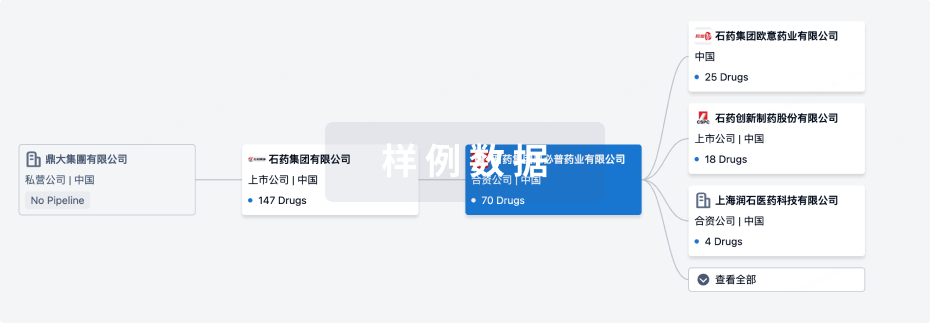
组织架构
使用我们的机构树数据加速您的研究。
登录
或
管线布局
2026年11月20日管线快照
管线布局中药物为当前组织机构及其子机构作为药物机构进行统计,早期临床1期并入临床1期,临床1/2期并入临床2期,临床2/3期并入临床3期
药物发现
1
9
临床前
其他
1
登录后查看更多信息
当前项目
登录后查看更多信息
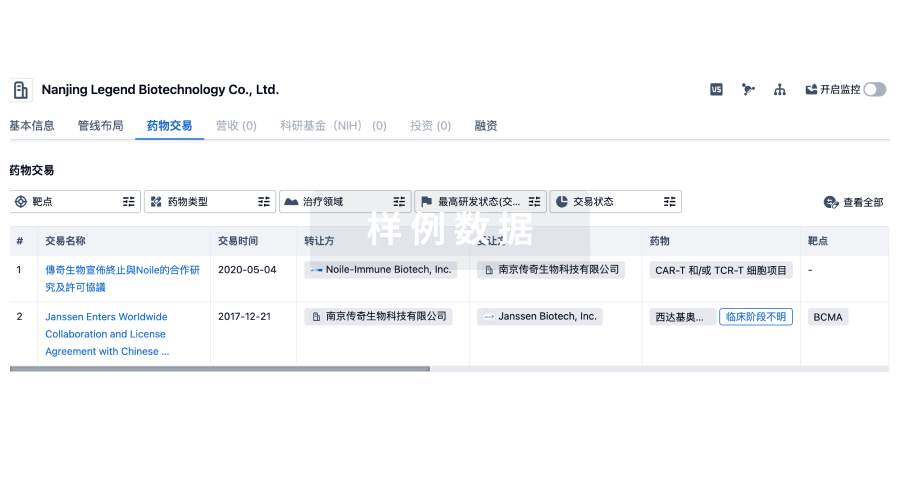
药物交易
使用我们的药物交易数据加速您的研究。
登录
或
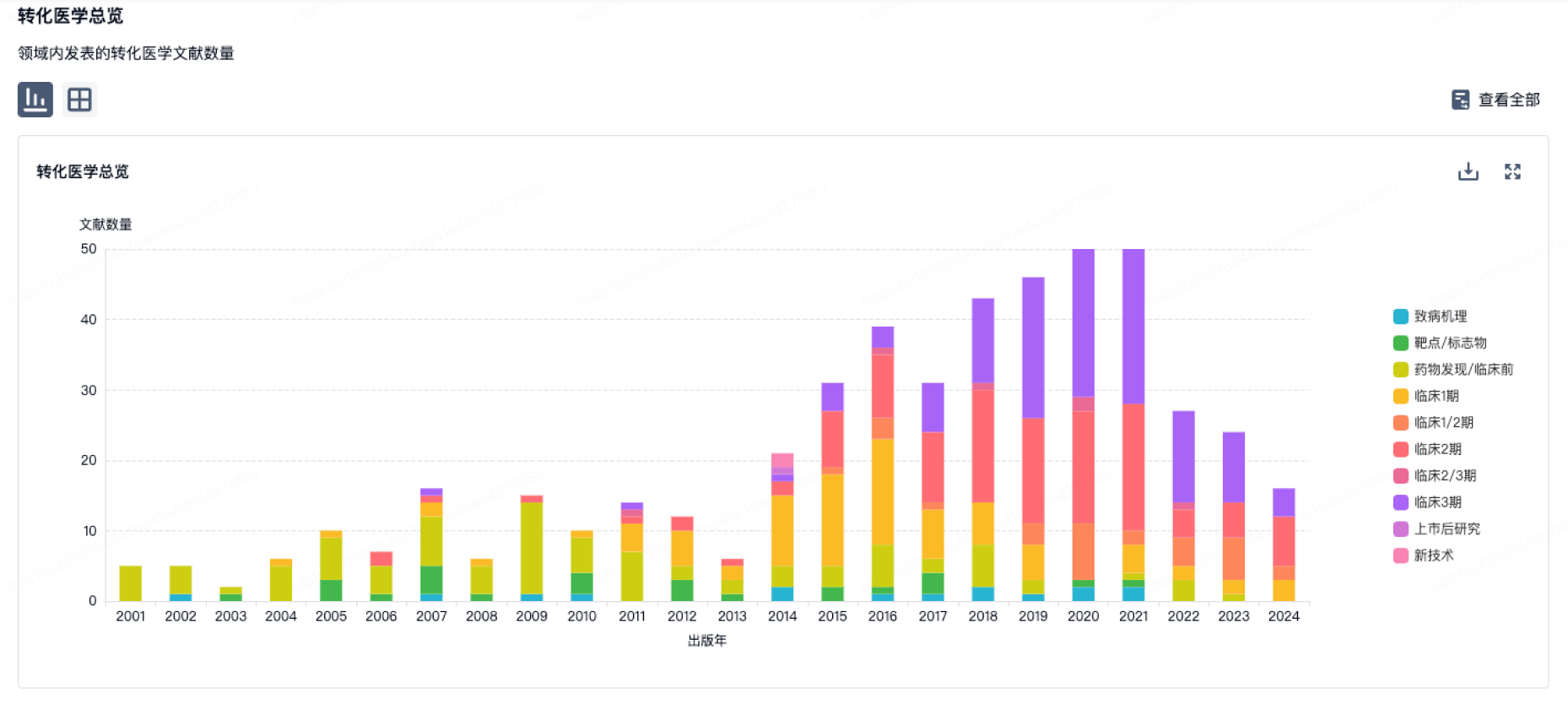
转化医学
使用我们的转化医学数据加速您的研究。
登录
或
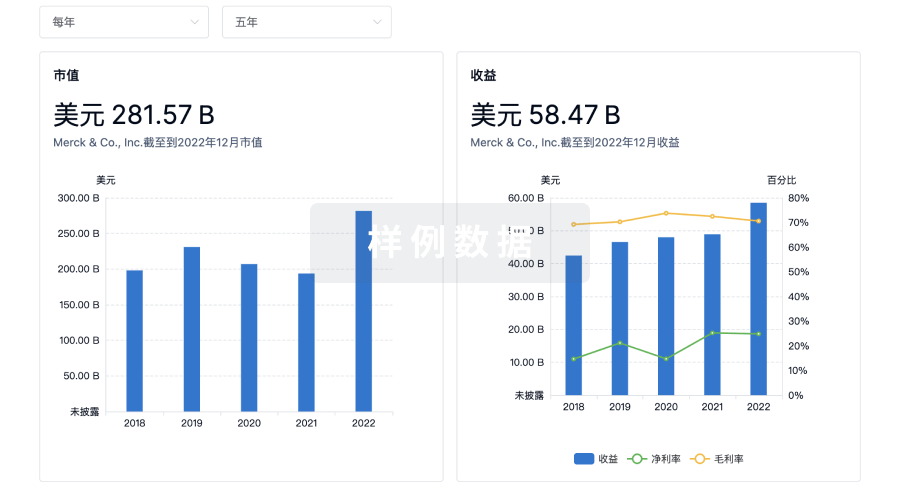
营收
使用 Synapse 探索超过 36 万个组织的财务状况。
登录
或
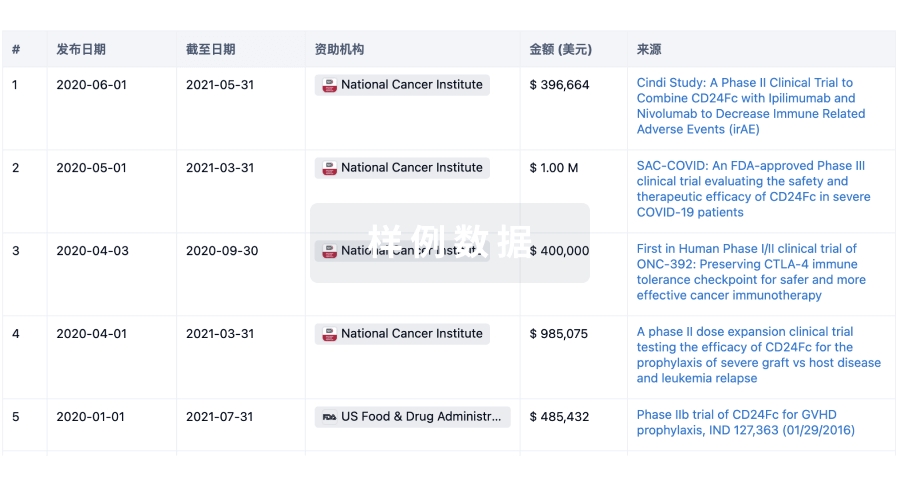
科研基金(NIH)
访问超过 200 万项资助和基金信息,以提升您的研究之旅。
登录
或
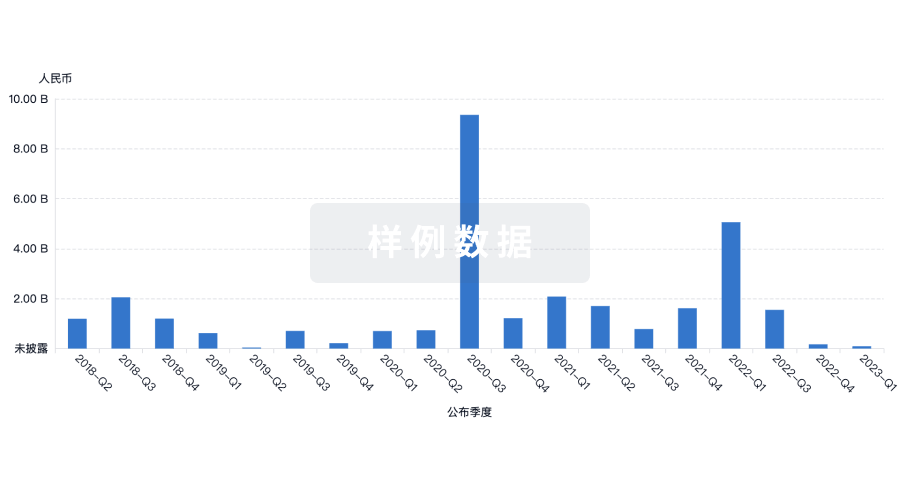
投资
深入了解从初创企业到成熟企业的最新公司投资动态。
登录
或
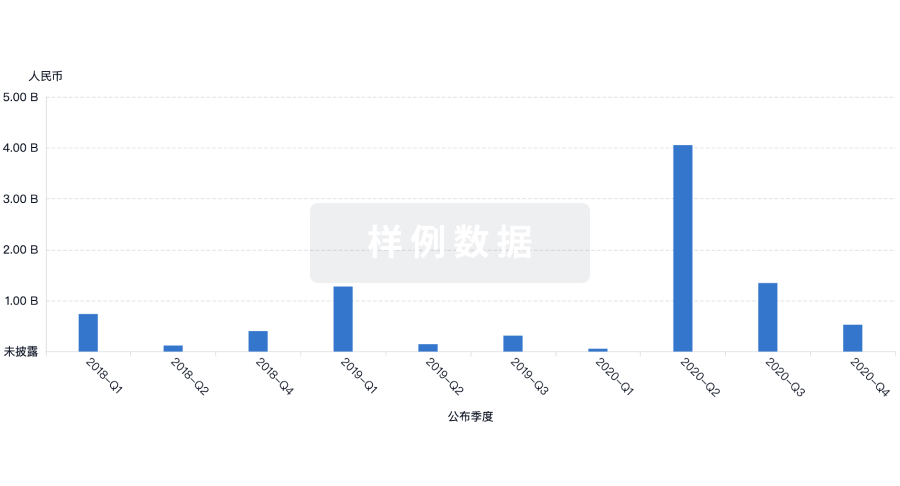
融资
发掘融资趋势以验证和推进您的投资机会。
登录
或
提出任何生物医药研究问题
让每一步生物医药决策都精准制胜
基于十亿级生物数据与全球情报的精准 AI,赋能早期药物发现
立即开始免费试用!
智慧芽新药情报库是智慧芽专为生命科学人士构建的基于AI的创新药情报平台,助您全方位提升您的研发与决策效率。
立即接入生物医药数据包
智慧芽新药库数据也通过智慧芽开放平台,以MCP或API服务形式对外开放。立即使用我们的MCP服务定制您的LLM智能体。
生物序列数据库
生物药研发创新
免费使用
化学结构数据库
小分子化药研发创新
免费使用