预约演示
更新于:2026-08-16

Xi'an International Medical Center Co. Ltd.
更新于:2026-08-16
概览
关联
NCT07747402
Effects of Different Insulin Icodec Initiation Strategies and a Day-4 Supplemental Dosing Decision on Early Fasting Blood Glucose Target Attainment in Type 2 Diabetes: A Multicenter, Randomized, Open-Label, 3x2 Factorial Trial
ChiCTR2600128518
To evaluate the efficacy and safety of 1064 nm picosecond laser combined with 1565 nm non‑ablative fractional laser for the treatment of periorbital rejuvenation.
NCT07162259
Real-world Cohort Study on Sequential Therapy With ADC Drugs Following Progression of Endocrine Therapy Guided by Molecular Biomarkers in HR-positive/HER2-negative Advanced Breast Cancer
100 项与 西安国际医学中心有限公司 相关的临床结果
登录后查看更多信息
登录后查看更多信息
2025-06-01Redox Biology
FTO facilitates colorectal cancer chemoresistance via regulation of NUPR1-dependent iron homeostasis
Article
作者: Fan, Minmin ; Shen, Tong ; Qu, Xuan ; Geng, Zhi ; Xu, Changwei ; Wang, Lei ; Feng, Lin ; Ding, Ruxin ; Li, Shisen ; Shen, Liangliang ; Zheng, Jianyong ; Xiao, Tian
Drug resistance in colorectal cancer (CRC) poses a major challenge for cancer therapy and stands as the primary cause of cancer-related mortality. The N6-methyladenosine (m6A) modification has emerged as a pivotal regulator in cancer biology, yet the precise m6A regulators that propel CRC progression and chemoresistance remain elusive. Our study established a significant correlation between m6A regulatory gene expression profiles and CRC severity. Notably, based on the knockout cellular and mouse model created by CRISPR/Cas9-mediated genome engineering, we identified m6A demethylase FTO emerged as a pivotal orchestrator of CRC chemoresistance through the regulation of NUPR1, a critical transcription factor involved in iron homeostasis via LCN2 and FTH1. Mechanistic study revealed that FTO stabilized NUPR1 mRNA by specifically targeting the +451 m6A site, thereby preventing YTHDF2-mediated degradation of NUPR1 mRNA. Moreover, the simultaneous targeting of FTO and NUPR1 dramatically enhanced the efficacy of chemotherapy in CRC cells. Our findings underscore the potential of modulating the m6A methylome to overcome chemoresistance and highlight the FTO-NUPR1 axis as a critical determinant in CRC pathobiology.
2025-05-01Translational Lung Cancer Research
Chinese expert consensus on shape-sensing robotic-assisted bronchoscopy (ssRAB) in the management of peripheral pulmonary lesions
Review
作者: Wu, Xuemei ; Hou, Gang ; Xu, Wujian ; Ji, Cheng ; Ye, Xianwei ; Lian, Hairong ; Chen, Hong ; Ye, Taosheng ; Shen, Yongchun ; Mu, Chuanyong ; Liu, Dan ; Li, Yishi ; Chen, Zhongbo ; Xie, Fangfang ; Li, Manxiang ; Zhang, Chunxi ; Wang, Tao ; Sun, Jiayuan ; Wu, Jingxiang ; Shi, Yiwei ; Liao, Jiangrong ; Yang, Junyong ; Li, Chun ; Li, Xuan ; Tang, Chunli ; Yang, Huizhen ; Li, Wei ; Zhao, Qi ; Zheng, Xiaoxuan ; Ouyang, Haifeng ; Zhang, Quncheng ; Xia, Yang ; Li, Haitao ; Zou, Jun ; Zhang, Nan ; Zhang, Peng ; Wang, Juan ; Chen, Enguo ; Wan, Nansheng ; Wang, Huaqi ; Wang, Hong ; Yu, Pengfei ; Guan, Zhenbiao ; Zhang, Hao ; Luo, Zhuang ; Xu, Fei ; Gu, Ye ; Xiao, Kui
Background:
Shape-sensing robotic-assisted bronchoscopy (ssRAB) is a new bronchoscopy technology that utilizes optic fibers to provide accurate position information and robotic-control to deliver improved maneuverability. This technology has been used in the United States since 2019 and investigated in China since 2021. In order to provide a standard practice and make the best use of this technology for managing peripheral pulmonary lesions (PPLs), experts developed the consensus.
Methods:
This consensus was developed using Delphi method. A panel comprising nine experts formulated eight consensus statements after a thorough review of clinical evidence and practical experience. During the second phase, a questionnaire was distributed to collect feedback on these statements from an external panel of 39 physicians. The percentage of responses and the percentage of agreement on each statement were calculated. The consensus was defined as achieved with an agreement percentage threshold of 80% or above.
Results:
The eight consensus statements formulated in phase 1 included recommendations for path planning, anesthesia, the use of radial endobronchial ultrasound (EBUS), the use of fluoroscopy and/or cone-beam computed tomography (CBCT) with ssRAB, solving computed tomography (CT)-to-body divergence, the use of sampling tools with ssRAB, cloud biopsy, and the use of rapid on-site evaluation (ROSE) with ssRAB. All panel physicians completed the questionnaire in phase 2. All the statements achieved positive consensus, with six receiving 100% agreement and two reaching 97.4% agreement.
Conclusions:
The document establishes a consensus on recommended practices for optimal utilization of ssRAB technology in the management of PPLs. The guidelines will be updated as new evidence emerges or additional ssRAB platforms are introduced into practice.
2025-01-17ONCOLOGIST
Precision medicine: an intrahepatic cholangiocarcinoma with a novel RBPMS-MET fusion sensitive to crizotinib
Article
作者: Shen, Rui ; Liu, Jinpeng ; Wang, Wuping ; Duan, Qianqian ; Li, Shuangni ; Zhang, Yamin ; Tan, Yuan ; Liu, Xueqin ; Wan, Wei ; Xia, Weihu
Abstract:
Background:
Intrahepatic cholangiocarcinoma is a malignant tumor that starts from the epithelium of the bile duct and has a poor prognosis. They are characterized by poor response to chemotherapy and lack of effective targeted therapies; thus, therapeutic options are limited.
Case Presentation:
A 59-year-old man was admitted to the hospital for a workup of abnormal CA19-9 levels. He was diagnosed with ICC, underwent surgery and was found to have pT1bNx disease. He developed rapid disease recurrence on adjuvant gemcitabine + capecitabine. Following recurrence, he received first-line systemic pembrolizumab + lenvatinib and second-line pembrolizumab + lenvatinib + chemotherapy and had mild tumor regression followed by progression. Next-generation sequencing was performed on the baseline surgical sample. This revealed a novel RBPMS-MET fusion, and based on the literature, crizotinib 250 mg twice a day was administered. After 3 months of crizotinib treatment, magnetic resonance imaging revealed a significant reduction in liver lesions, and 4 months after initiating treatment, scans demonstrated a partial response.
Conclusion:
Our case report strengthens the evidence that crizotinib may be a viable treatment option for patients with ICC with a c-MET tyrosine kinase fusion, necessitating additional clinical investigation.
2025-08-29
100 项与 西安国际医学中心有限公司 相关的药物交易
登录后查看更多信息
100 项与 西安国际医学中心有限公司 相关的转化医学
登录后查看更多信息
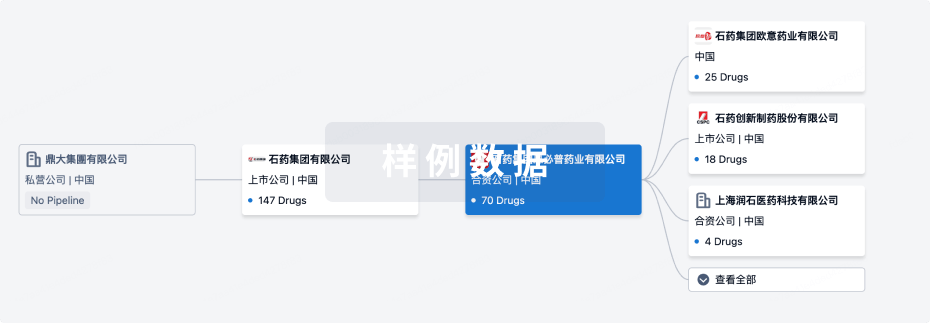
组织架构
使用我们的机构树数据加速您的研究。
登录
或
管线布局
2026年10月10日管线快照
管线布局中药物为当前组织机构及其子机构作为药物机构进行统计,早期临床1期并入临床1期,临床1/2期并入临床2期,临床2/3期并入临床3期
其他
1
登录后查看更多信息
当前项目
登录后查看更多信息
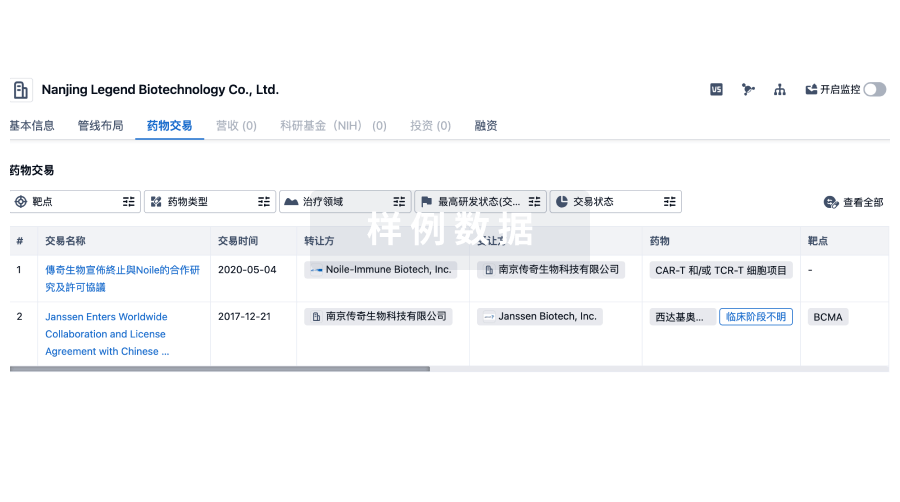
药物交易
使用我们的药物交易数据加速您的研究。
登录
或
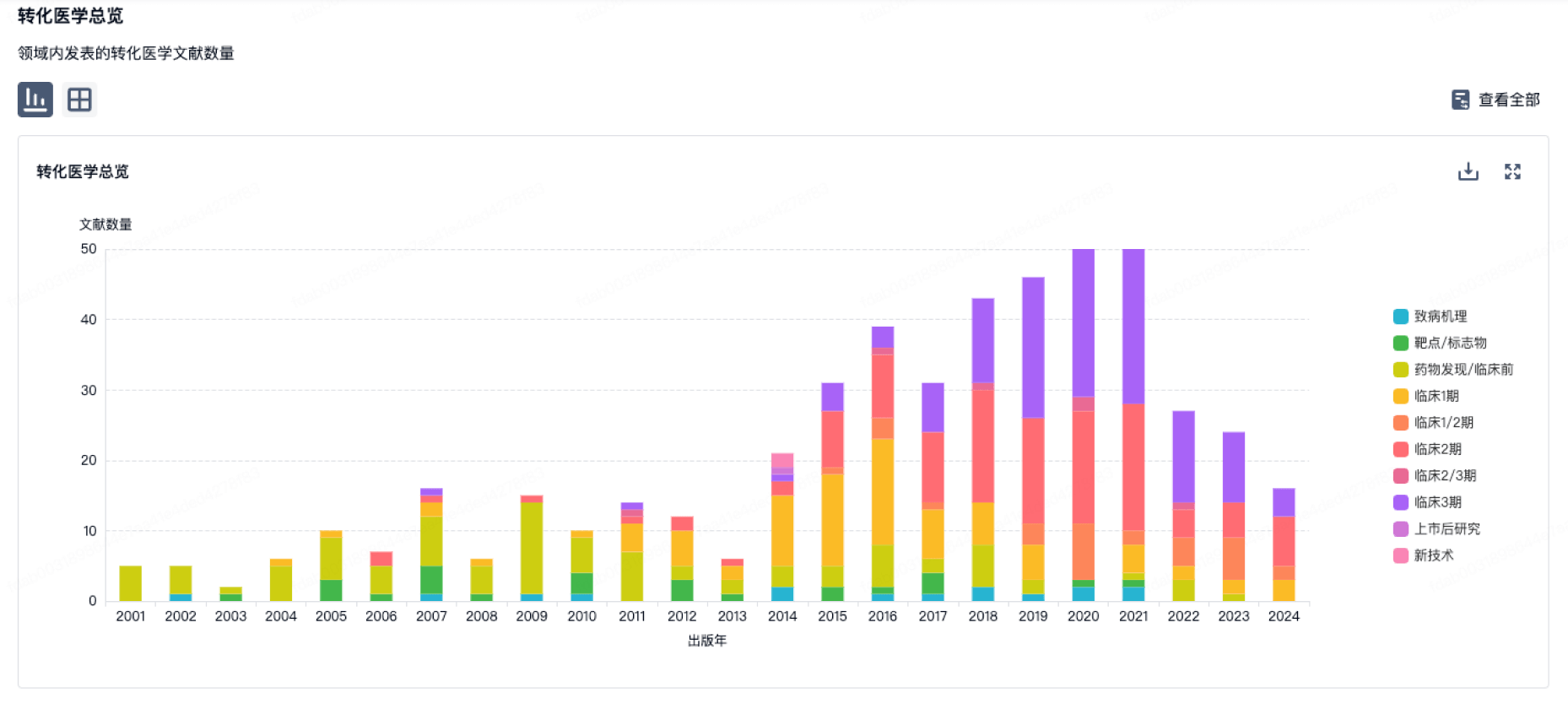
转化医学
使用我们的转化医学数据加速您的研究。
登录
或
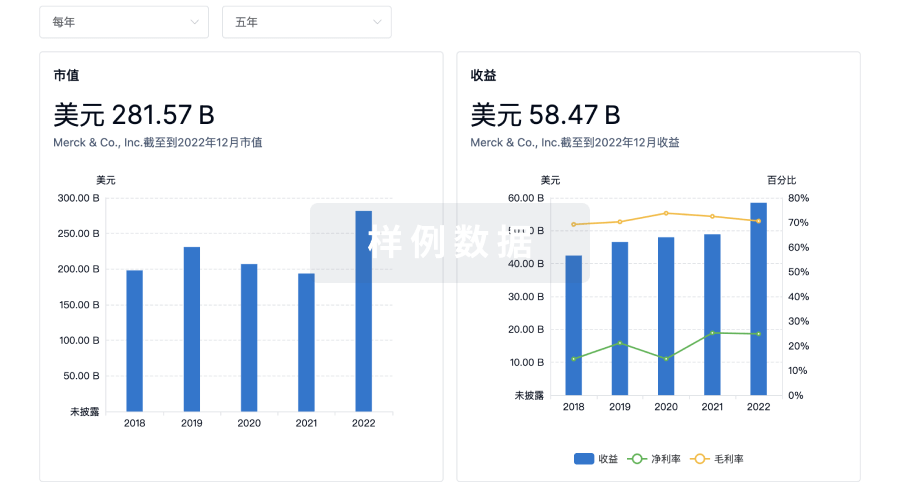
营收
使用 Synapse 探索超过 36 万个组织的财务状况。
登录
或
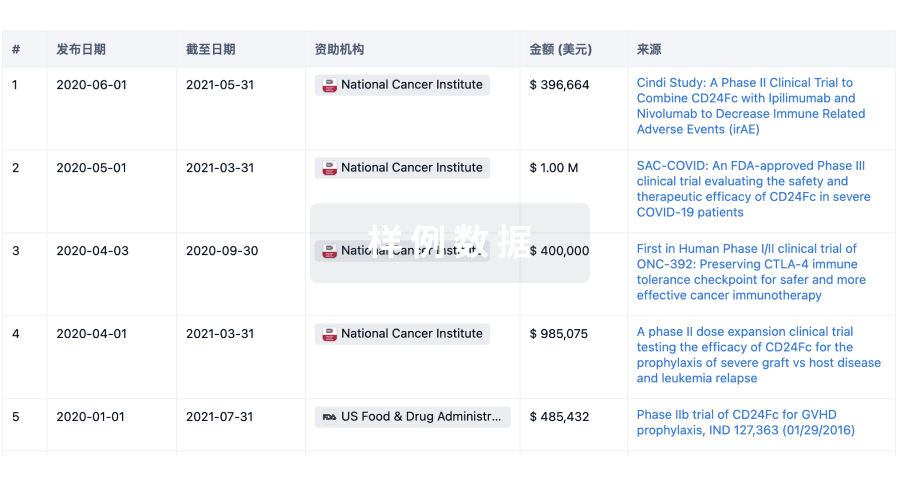
科研基金(NIH)
访问超过 200 万项资助和基金信息,以提升您的研究之旅。
登录
或
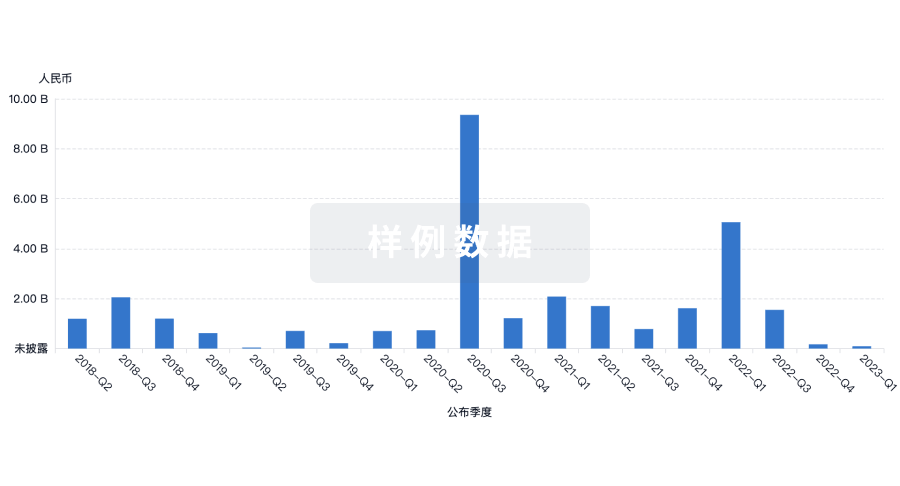
投资
深入了解从初创企业到成熟企业的最新公司投资动态。
登录
或
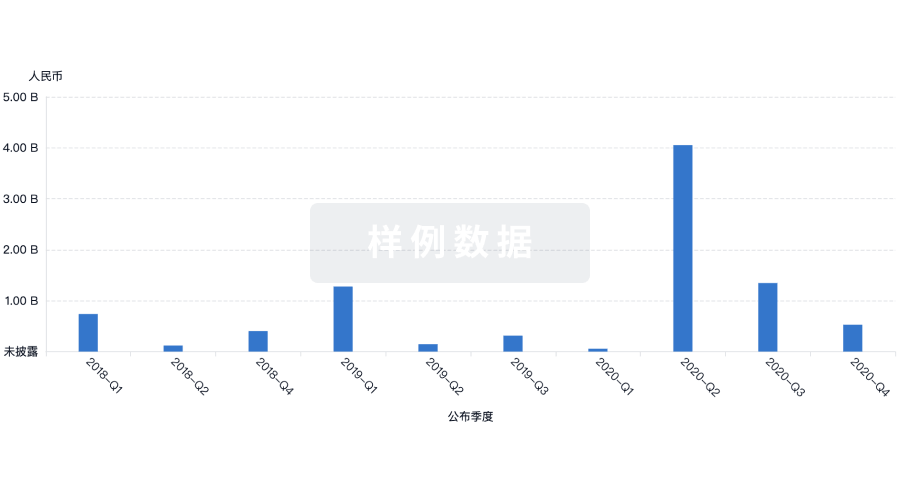
融资
发掘融资趋势以验证和推进您的投资机会。
登录
或
提出任何生物医药研究问题
让每一步生物医药决策都精准制胜
基于十亿级生物数据与全球情报的精准 AI,赋能早期药物发现
立即开始免费试用!
智慧芽新药情报库是智慧芽专为生命科学人士构建的基于AI的创新药情报平台,助您全方位提升您的研发与决策效率。
立即接入生物医药数据包
智慧芽新药库数据也通过智慧芽开放平台,以MCP或API服务形式对外开放。立即使用我们的MCP服务定制您的LLM智能体。
生物序列数据库
生物药研发创新
免费使用
化学结构数据库
小分子化药研发创新
免费使用