预约演示
更新于:2025-12-31

Zhejiang Gongshang University
更新于:2025-12-31
概览
标签
免疫系统疾病
重组多肽
疾病领域得分
一眼洞穿机构专注的疾病领域

技术平台
公司药物应用最多的技术
靶点
公司最常开发的靶点
关联
CN117946280
专利挖掘靶点 |
作用机制 |
在研机构 |
原研机构 |
在研适应症 |
非在研适应症 |
最高研发阶段 |
首次获批国家/地区 |
首次获批日期 |
JPRN-UMIN000047480
Impact of Short-term Intensive-type Cognitive Behavioral Therapy Intervention on Internet Addiction among Chinese College Students: A Randomized Controlled Trial - A Randomized Controlled Trial

ChiCTR2000034115
Study on probiotic food improving allergic constitution
ChiCTR1900023795
Research for the individual discrepancy of probiotic effects on regulating intestinal micro-ecology: a randomized controlled trial
100 项与 浙江工商大学 相关的临床结果
登录后查看更多信息
登录后查看更多信息
2026-02-01INTERNATIONAL JOURNAL OF FOOD MICROBIOLOGY
Environmental microorganisms as heterogeneous sources and shapers of the fermentation microbiome in Zhejiang rosy vinegar
Article
作者: Chang, Guoli ; Fang, Xiaoyue ; Zhang, Shenchenyu ; Zhang, Jun ; Zhu, Junli ; Lu, Haixia ; Jiang, Yipeng
Zhejiang rosy vinegar (ZRV) fermentation is a complex, spontaneous open-system process, where microbial communities are key to its unique characteristics. However, the precise influence of the brewing workshop environment on these dynamic microbial communities remains underexplored, hindering consistent product quality. Here, we characterized the environmental and fermentation microbial communities across three factories using high-throughput sequencing (16S rRNA and ITS), qPCR, and advanced ecological network analyses. Our results establish that the brewing environment acts as a critical, heterogeneous, and factory-specific microbial reservoir, and provides the primary inoculum for fermentation initiation. Our findings revealed significant inter-factory differences in environmental microbial loads and community structures. For instance, the SX environment was characterized by a unique composition, including the notable presence of Monascus on jar lids. Source tracking confirmed this environmental "seeding" significantly shapes initial fermentation communities, with contributions from floor and jar surfaces. During fermentation, bacterial communities consistently shifted (LAB decrease, Acetobacter increase), but fungal successions varied notably by factory. Specifically, the natural fermentation at the SX factory fostered a distinct fungal community trajectory, characterized by a unique decrease in Saccharomyces and the emergence of Monascus as the dominant genus in later stages. This trajectory was directly linked to its distinct environmental fungal populations and their pronounced influence from the initial solid-state phase. While internal selective pressures eventually govern community structure, environmental conditions profoundly dictate overall microbial diversity and succession. A core microbiome (Bacillus, Sphingomonas, Cryptococcus, Monascus), consistently present in both environmental and fermentation niches, served as key microbial bridges. Our results provide a vital basis for optimizing ZRV production by strategically managing the environmental microbiome to enhance quality and consistency.
2026-02-01ACTA PSYCHOLOGICA
Exploring consumers' intention to use autonomous delivery vehicles-based on extended normative activation model
Article
作者: Ju, Chunhua ; Cheng, Desheng ; Wang, Shuo ; Lin, Li-Wei
The deployment of autonomous delivery vehicles (ADVs) is undergoing unprecedented expansion in China, fueled by escalating investments from online retail and logistics enterprises. Despite the multifacted benefits of ADVs, i.e. enhanced delivery efficiency, cost savings, and environmental sustainability, academic inquiry into consumes' intention to utilize such innovative technologies remains relatively scarce. To address this research gap, the study enhances and extends the Normative Activation Model (NAM) by integrating two critical constructs: perceived behavioral control (PBC) and perceived risk (PR). Using a structural equation model (SEM), we empirically analyze survey data collected from 354 online consumers via Wenjuanxing, a reputable online sampling platform. The results reveal that personal norms (PN) and PBC significantly affect consumers' intentions to adopt ADVs, while the impact of PR is statistically non-significant. Furthermore, ascription of responsibility (AR) partially mediates in the relationships between awareness of consequences (AC) and PN, and PN serves as a partial mediator in the relationships linking AC, AR, PBC and behavioral intention. These findings provide valuable theoretical and practical insights for logistics service providers - guiding the optimization of ADVs service design and risk mitigation strategies - and relevant government departments - informing the formulation of supportive policies for ADVs deployment and consumer protection regulations.
2026-02-01FOOD HYDROCOLLOIDS
Tribological properties and interfacial adsorption behavior of milk protein-based formulations: Roles of whey protein type and thermal processing
作者: Lian, Junwei ; Zhu, Yang ; Yang, Kun ; Chen, Jianshe
Whey protein-associated mouthdrying during oral processing is a driving factor for consumers′ dislike of high-protein beverages, however, remains mechanistically underexplored in dairy systems.This study investigated the fundamental mechanisms driving powderiness in whey protein-enriched dairy beverages (8 % weight/weight protein).We conducted a comparative anal. of whey protein concentrate (WPC) vs. whey protein isolate (WPI) at various casein-whey ratios (80:20 to 20:80) and evaluated thermal processing effects (63 °C/85 °C for 30 min) from rheol. characterization, particle size distribution, tribol. properties, and interfacial adsorption kinetics.Results demonstrated that protein composition significantly altered frictional behavior, with WPC-dominated systems (casein-whey protein ratio of 20:80) exhibiting 33.6 % higher friction coefficients vs. WPI counterparts at 10 mm/s without heating.Thermal treatment at 85 °C induced substantial aggregation in WPI-dominant systems (hydrodynamic diameter increased from 0.150 μm to 0.167 μm) and reduced adsorption capacity by 30.80 %, correlating with impaired lubrication.Conversely, WPC maintained structural homogeneity and enhanced interfacial coverage post-heating, preserving lubrication functionality.These findings establish composition-specific thermal processing guidelines for optimizing sensory attributes in high-protein dairy beverages.
100 项与 浙江工商大学 相关的药物交易
登录后查看更多信息
100 项与 浙江工商大学 相关的转化医学
登录后查看更多信息
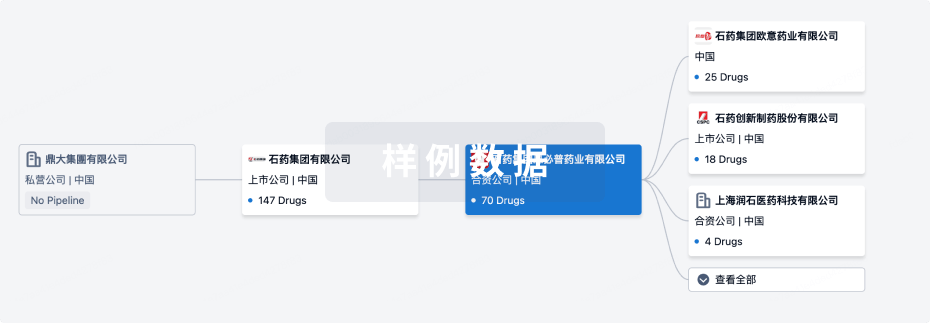
组织架构
使用我们的机构树数据加速您的研究。
登录
或
管线布局
2026年02月09日管线快照
管线布局中药物为当前组织机构及其子机构作为药物机构进行统计,早期临床1期并入临床1期,临床1/2期并入临床2期,临床2/3期并入临床3期
药物发现
1
登录后查看更多信息
当前项目
登录后查看更多信息
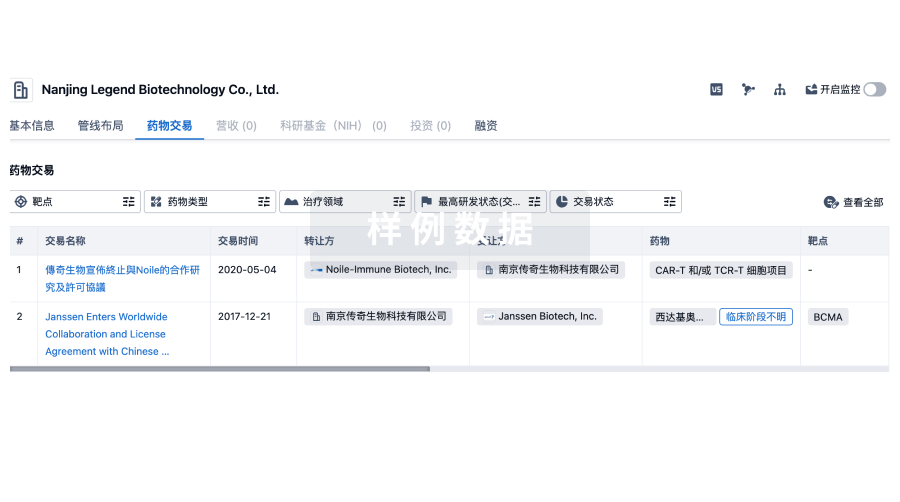
药物交易
使用我们的药物交易数据加速您的研究。
登录
或
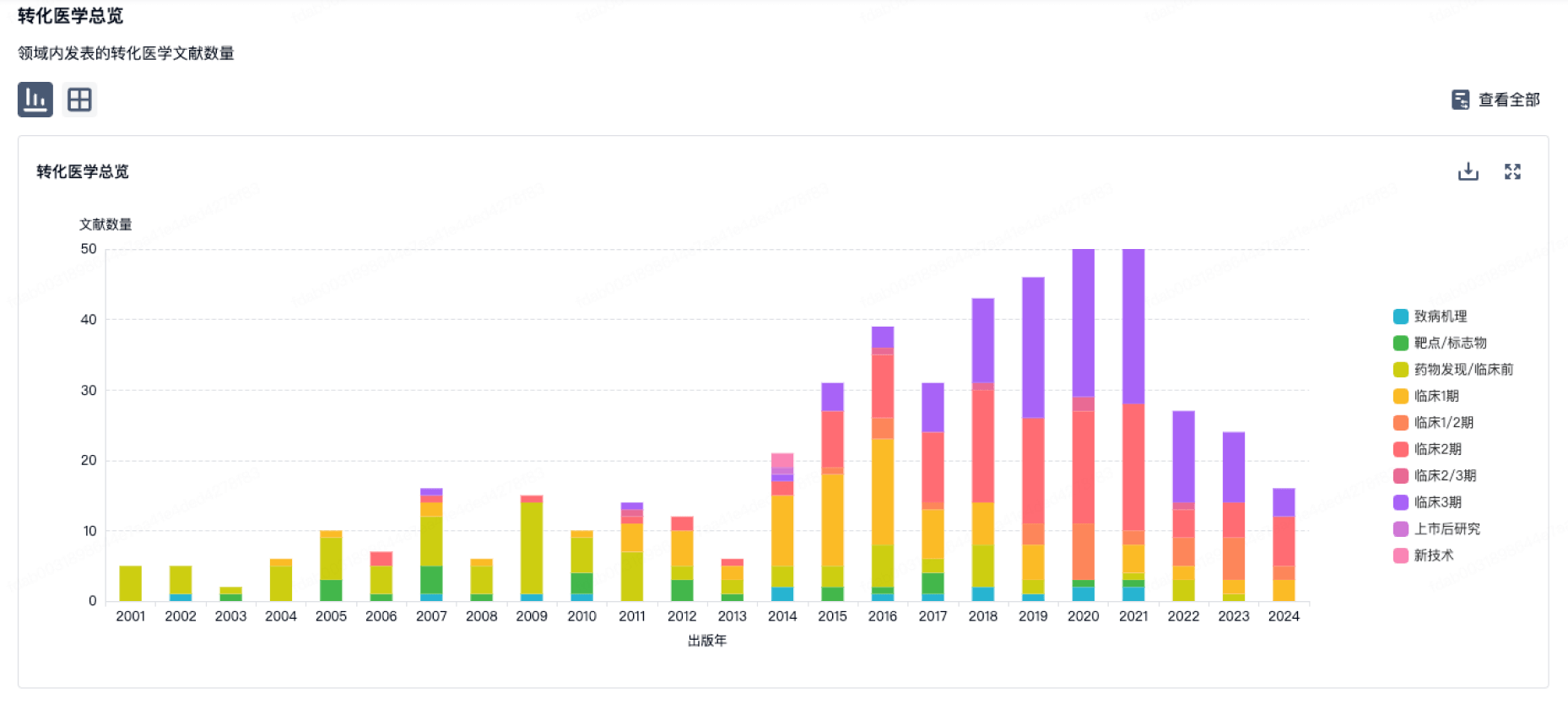
转化医学
使用我们的转化医学数据加速您的研究。
登录
或
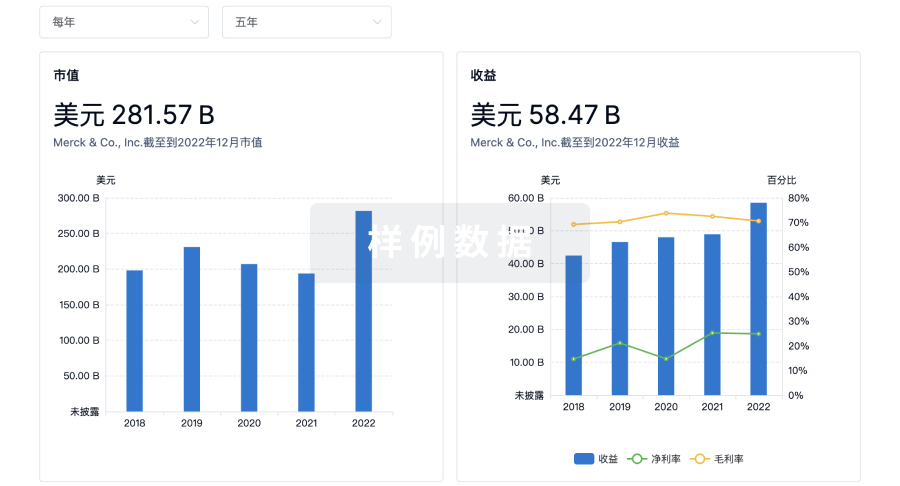
营收
使用 Synapse 探索超过 36 万个组织的财务状况。
登录
或
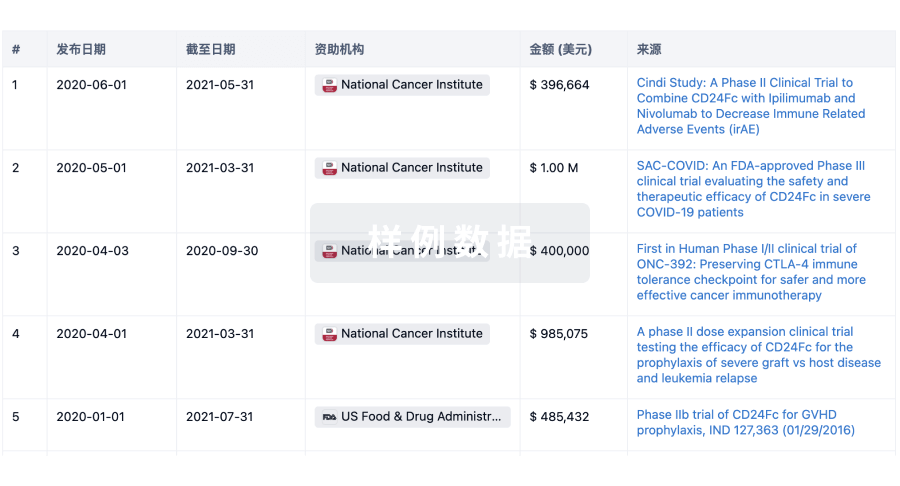
科研基金(NIH)
访问超过 200 万项资助和基金信息,以提升您的研究之旅。
登录
或
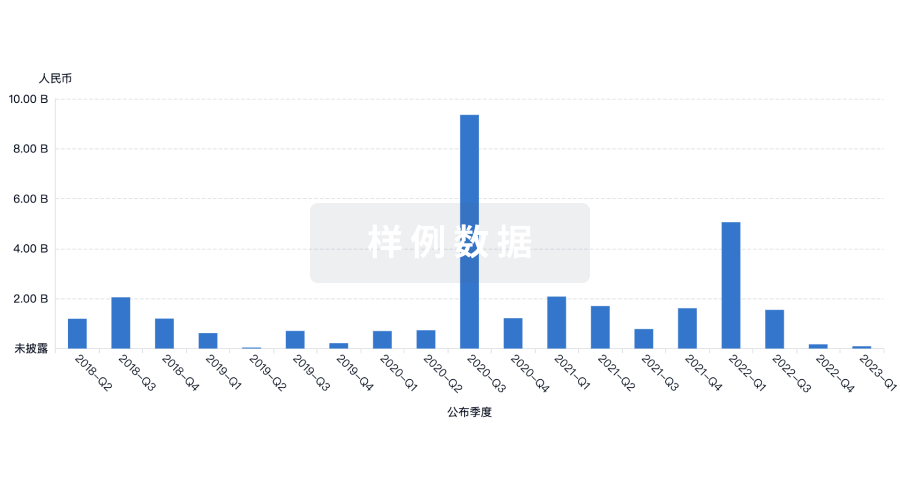
投资
深入了解从初创企业到成熟企业的最新公司投资动态。
登录
或
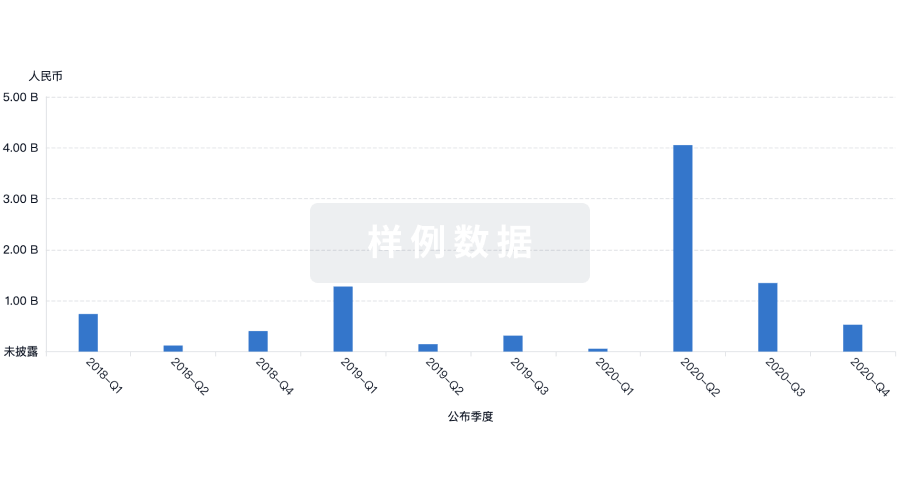
融资
发掘融资趋势以验证和推进您的投资机会。
登录
或
生物医药百科问答
全新生物医药AI Agent 覆盖科研全链路,让突破性发现快人一步
立即开始免费试用!
智慧芽新药情报库是智慧芽专为生命科学人士构建的基于AI的创新药情报平台,助您全方位提升您的研发与决策效率。
立即开始数据试用!
智慧芽新药库数据也通过智慧芽数据服务平台,以API或者数据包形式对外开放,助您更加充分利用智慧芽新药情报信息。
生物序列数据库
生物药研发创新
免费使用
化学结构数据库
小分子化药研发创新
免费使用