预约演示
更新于:2026-10-09

Syngenta AG
更新于:2026-10-09
概览
疾病领域得分
一眼洞穿机构专注的疾病领域

暂无数据
技术平台
公司药物应用最多的技术
暂无数据
靶点
公司最常开发的靶点
暂无数据
| 疾病领域 | 数量 |
|---|---|
| 肿瘤 | 1 |
| 排名前五的药物类型 | 数量 |
|---|---|
| 小分子化药 | 1 |
| 排名前五的靶点 | 数量 |
|---|---|
| ARFGEF(ARFGEF family) | 1 |
关联
1
项与 Syngenta AG 相关的药物靶点 |
作用机制 ARFGEF 抑制剂 |
在研机构 |
原研机构 |
在研适应症 |
非在研适应症- |
最高研发阶段临床前 |
首次获批国家/地区- |
首次获批日期- |


1
项与 Syngenta AG 相关的临床试验NCT02137317
Prevention of Farmers' Exposure to Pesticides With Relevant Personal Protective Equipment in Chitwan District of Nepal
According to the World Health Organization pesticide poisoning is a major health problem due to the millions of cases annually occurring worldwide. Farmers have a particularly high risk of pesticide poisoning because of their work involving pesticide use to protect crops. The majority of pesticide poisonings occur in developing countries. On a short term it is not realistic to reduce farmers' use of pesticides significantly because it would require that secure and cost-effective alternatives are introduced. This is a lengthy process, which should undoubtedly be supported. However, it becomes as important to make sure that farmers can protect themselves from pesticide exposure meanwhile. Use of personal protective equipment can minimize pesticide exposure on farmers' bodies and consequently reduce their risk of pesticide poisoning. However, the sparse research identified through a systematic literature review shows that we are not in a position to give recommendations on what personal protective equipment farmers should protect themselves with against pesticide exposure suitable to their specific conditions. The purpose of the present study is to examine factors that influence farmers' use of personal protective equipment during their work with organophosphates and, based on this examine the ability of locally adapted personal protective equipment to reduce their organophosphate exposure. The hypothesis is that farmers working in locally adapted personal protective equipment have less acute organophosphate poisoning symptoms, a higher plasma cholinesterase level and find it to be a more feasible solution than farmers working in their daily practice wearing. Examining how locally adapted personal protective equipment (onwards referred to as the LAPPE solution) performs in practice implies testing it in an intervention study. A randomized crossover experiment design is chosen partly because fewer farmers have to be recruited since each farmer will act as his own control and partly because the between farmer variation is strongly reduced. The performance of the LAPPE solution will be tested in one experiment and compared to the performance of the same farmers' daily practice wearing (onwards referred to as the DP solution) in another experiment. The LAPPE solution is expected to have a superior performance. The participation sequence (LAPPE/DP or DP/LAPPE) will be randomized. The study will be conducted among farmers in Chitwan, Nepal.
开始日期2014-08-01 |
申办/合作机构  Bispebjerg Hospital Bispebjerg Hospital [+7] |
100 项与 Syngenta AG 相关的临床结果
登录后查看更多信息
0 项与 Syngenta AG 相关的专利(医药)
登录后查看更多信息
637
项与 Syngenta AG 相关的文献(医药)2026-10-01·ENVIRONMENTAL TOXICOLOGY AND CHEMISTRY
The defluorination of 4-trifluoromethoxybenzoic acid under environmentally relevant conditions
Article
作者: Ebert, Doris ; Dobe, Christopher ; Heck, Christian ; Reinhard, Klaus ; Russell, C Adam ; Hand, Laurence H
Abstract:
There is increasing interest over the widespread use of per- and polyfluoroalkyl substances (PFAS) due to their possible persistence and accumulation, leading to concerns over potential health and environmental impact. The concern stems from the compounds polytetrafluoroethylene and perfluorooctanoic acid discovered in the early 20th century. Recent definitions of PFAS have broadened the number of compounds included in this series, and due to the propensity of some of these compounds to accumulate, they have been termed “forever chemicals.” This study describes the defluorination of a molecule included in this definition under environmentally relevant conditions. The degradation of [14C] 4-trifluoromethoxybenzoic acid labelled in the carbon of the OCF3 group was investigated in soil under aerobic conditions at a typical field application rate. The degradation rate was calculated from analysis of loss of parent compound over time, resulting in a degradation time of 50% range of 1.15–3.14 days, and the generation of 14CO2 between 61.8 and 72.7% of the total applied radioactivity. The results of this study show that OCF3 groups, and hence C-F bonds, can degrade under environmentally relevant conditions and on a short timescale.
2026-07-17·JOURNAL OF ORGANIC CHEMISTRY
Light-Enabled FeCl
3
-Catalyzed Deoxygenative Chlorination of Aryl Triflates under Mild Conditions
Article
作者: Bahadur, Vir ; Lobo, Priya R. ; Acharya, Prajwal ; Ali, Wajid ; Kamath, Prashantha ; Hapse, Venunath M. ; Narayan, Bhanu Manjunath
Phenols are cheap, abundant bulk chemicals that serve as versatile starting materials for diverse organic transformations. Herein, we report a mild, visible-light-induced FeCl3-catalyzed protocol for converting aryl triflates to aryl chlorides using MgCl2 as an inexpensive and green chlorine source. The reaction proceeds without noble metals or additional photoredox catalysts, shows broad functional group tolerance, and delivers products in good to excellent yields. Notably, the method is air- and moisture-tolerant and readily scalable.
2026-04-01·PLANTA
Correction: Enhancement of Apiaceae pre‑germination embryo growth, mericarp ageing resilience and germination differs between hormone, gas plasma, and hydropriming technologies
作者: Strnad, Miroslav ; Leubner-Metzger, Gerhard ; Walker, Matthew ; Kennedy, Sue ; Tarkowská, Danuše ; Grainge, Giles ; Novák, Ondřej ; Nakabayashi, Kazumi ; Hourston, James E ; Steinbrecher, Tina ; Fatelnig, Lena M M ; Turečková, Veronika
168
项与 Syngenta AG 相关的新闻(医药)2026-10-07
一部电影让全球观众记住了一种"天价救命药",药叫格列卫,造药的公司叫诺华。格列卫把慢性髓性白血病的五年生存率,从1970年代中期的22%拉到90%上下,也因高昂定价被推上舆论的被告席。这家瑞士公司真正的故事不在一粒药,而在它三十年里不断卖掉自己——卖掉农业、卖掉眼科、卖掉仿制药,最后只留下创新药这一件事。
两个卖染料的,合并成最大医药公司
诺华的前身不是药厂,而是两家染料作坊。
1758年,嘉基在巴塞尔开张,经营化学品、染料和药材贸易。1859年,汽巴开始生产合成染料品红。1886年,Kern与山德士在巴塞尔创立,最初的产品是茜素蓝和金胺。莱茵河畔这批染坊,是在染料生意的扩张中,顺手摸进了化学和制药的大门。
1970年,汽巴与嘉基先合一次,变成汽巴-嘉基。1996年3月7日,汽巴-嘉基再与山德士合并,诺华诞生,交易规模约300亿美元,是当时全球史上最大的公司合并案。公司名字Novartis来自拉丁文novae artes,意为"新技艺"。两家厂区相隔莱茵河,被称为"步行距离内的婚姻",合并后却一跃成为全球最大的医药健康企业之一。
山德士这家前身,履历比电影还离奇。化学家霍夫曼1943年在其实验室发现LSD,骑车回家的那一天后来被称为"自行车日"。1986年11月1日,山德士仓库大火,上万吨农药随消防水流入莱茵河,400公里河段鱼类大量死亡。这场中欧最严重的化学灾难之一,倒逼整个欧洲重写河流保护与化工安全规则。诺华日后对化工业务去意坚决,这场火是隐痛,也是起点。
一粒药,定义了靶向治疗这个时代
格列卫是人类第一个真正意义上的癌症靶向药。
它的研发始于对费城染色体的追踪:慢粒患者体内9号与22号染色体交换,造出一个始终开启的异常激酶。研究者顺着明确病因,反推出要找的分子。2001年5月,FDA加速批准伊马替尼上市,审批只走了约两个半月。临床试验里,初治患者用药五年总生存率89%,把一个只剩3到5年的绝症,变成吃药就能控制的慢性病。
这一粒药验证了一条全新逻辑:先搞清病因,再设计分子,精准打击。此后全球肿瘤研发的范式,几乎都按这条路重写。
神药的另一面是价格。刚进入中国时,格列卫一盒月用量高达2.35万元,多数患者用不起;在美价格从2001年每月约2200美元,一路涨至2018年的上万美元。诺华一边推出患者援助,一边被专利保护与高价争议缠身。2013年中国专利到期,2017年纳入医保谈判,国产仿制药把价格压到千元上下,这个故事才慢慢落幕。格列卫争议的本质,是创新回报与患者可及性之间那道至今无解的题。
三十年做减法,每一次卖掉都是一次站队
诺华的商业史,是一部持续的瘦身史。
合并后的诺华,第一件事就是把不相关的业务逐个剥离。2000年,农业板块与阿斯利康农业业务合并,成立先正达。2003年仿制药业务统一收进山德士品牌,2005年又以83亿美元收购德国赫素与美国Eon Labs,山德士一跃成为全球最大仿制药集团。
2015年是关键一年。诺华以145亿美元收购GSK肿瘤业务,拿下Tafinlar、Mekinist、Votrient等产品;同时把疫苗业务卖给GSK,把全部OTC业务注入与GSK合资的消费者保健公司,自己只留36.5%的少数股权。同年,动物保健以约54亿美元卖给礼来。
眼科是先收后拆的典型。诺华2008年先从雀巢买入爱尔康约25%股权,2010年再以约283亿美元买下雀巢手中剩余股份,累计耗资超500亿美元拿下这家全球眼科龙头。仅仅九年后的2019年4月,爱尔康被分拆独立上市。2022年,诺华又把消费者保健合资公司36.5%的股权回售给GSK,彻底退出自我保健赛道。
2023年10月,山德士100%分拆,在瑞士交易所独立上市。至此诺华把养大的仿制药也送走,彻底变成一家纯创新药公司。这意味着它主动放弃了仿制药的稳定现金流,把全部身家押在高风险、高回报的研发上。
从染料到化学,从农业到眼科、OTC、仿制药,诺华每卖掉一块业务,都在回答同一个问题:钱和注意力有限,到底只做哪一件事。它的答案越来越短,最后只剩四个字——创新药物。
今天的诺华,靠什么续命
2025年,诺华净销售额545亿美元,同比增长8%,核心研发投入110.3亿美元,核心营业利润率40.1%。中国市场贡献约42亿美元,产品覆盖全球约120个国家和地区。
产品版图里,老牌重磅正在交班。可善挺2025年销售67亿美元,是全球首个IL-17A抑制剂;诺欣妥全年约77亿美元,2015年凭借PARADIGM-HF试验,成为首个头对头打败依那普利的心衰药,2025年三季度美国仿制药上市后单季下滑43%。接棒的新一代,是Kisqali的48亿美元、Kesimpta的44亿美元、Pluvicto的20亿美元和Scemblix的13亿美元。
诺华真正押注的,是三个下一代平台。
一是放射配体疗法,Pluvicto用放射性核素精准打击前列腺癌,已在华获批。二是细胞与基因疗法,2017年8月上市的Kymriah是全球首个CAR-T,定价47.5万美元,并率先推出"无效不付费"的按疗效付费。三是xRNA,一年两针的降脂药Leqvio于2021年成为首个siRNA降胆固醇药物,2025年销售破12亿美元,同年底纳入中国医保。这三个平台,诺华大多靠并购拿下——97亿美元收购The Medicines Company换来Leqvio,收购AveXis、AAA、Endocyte补齐基因与核药管线。
自研做深度,并购买速度,是诺华一贯的打法。
患者怎么看懂这家公司
对普通人来说,记住三件事就够了。
第一,高价原研药并非终身高价。专利到期、纳入医保、仿制药上市,是降价的三道闸门。格列卫从2万多元一盒降到千元上下,走的就是这条路。
第二,看药要看通用名,而不是商品名。同一种伊马替尼,原研与国产仿制的主要成分一致,价格可能相差十倍,是否适合自己应由医生判断。
第三,真遇到用不起的创新药,先问三件事:有没有患者援助项目,有没有同类替代方案,这药是否已进医保。很多时候,答案藏在医保目录和慈善赠药里,而不是代购渠道中。
诺华留下的启示不止于一家公司。当一家药企把农业、眼科、OTC、仿制药逐一剥离,它实际上承认了一个事实:创新药研发风险太高、太烧钱,只有集中全部火力,才可能换来下一个格列卫。
问题是,当所有大公司都选择只做这一件事,谁来为专利期内用不起的患者兜底。这道题,诺华没答完,整个行业也没有。
——药言药语高科说
专利到期
2026-10-06
·今日头条
一部电影让全球观众记住了一种"天价救命药",药叫格列卫,造药的公司叫诺华。格列卫把慢性髓性白血病的五年生存率,从1970年代中期的22%拉到90%上下,也因高昂定价被推上舆论的被告席。这家瑞士公司真正的故事不在一粒药,而在它三十年里不断卖掉自己——卖掉农业、卖掉眼科、卖掉仿制药,最后只留下
创新药
这一件事。
两个卖染料的,合并成最大医药公司
诺华的前身不是药厂,而是
两家染料作坊
。
1758年,嘉基在巴塞尔开张,经营化学品、染料和药材贸易。1859年,汽巴开始生产合成染料品红。1886年,Kern与山德士在巴塞尔创立,最初的产品是茜素蓝和金胺。莱茵河畔这批染坊,是在染料生意的扩张中,顺手摸进了化学和制药的大门。
1970年,汽巴与嘉基先合一次,变成汽巴-嘉基。1996年3月7日,汽巴-嘉基再与山德士合并,诺华诞生,交易规模约
300亿美元
,是当时全球史上最大的公司合并案。公司名字Novartis来自拉丁文novae artes,意为"新技艺"。两家厂区相隔莱茵河,被称为"步行距离内的婚姻",合并后却一跃成为全球最大的医药健康企业之一。
山德士这家前身,履历比电影还离奇。化学家霍夫曼1943年在其实验室发现LSD,骑车回家的那一天后来被称为"自行车日"。1986年11月1日,山德士仓库大火,上万吨农药随消防水流入莱茵河,400公里河段鱼类大量死亡。这场中欧最严重的化学灾难之一,倒逼整个欧洲重写河流保护与化工安全规则。诺华日后对化工业务去意坚决,
这场火是隐痛,也是起点
。
一粒药,定义了靶向治疗这个时代
格列卫是人类第一个真正意义上的癌症靶向药。
它的研发始于对费城染色体的追踪:慢粒患者体内9号与22号染色体交换,造出一个始终开启的异常激酶。研究者顺着明确病因,反推出要找的分子。2001年5月,FDA加速批准伊马替尼上市,审批只走了约两个半月。临床试验里,初治患者用药五年总生存率
89%
,把一个只剩3到5年的绝症,变成吃药就能控制的慢性病。
这一粒药验证了一条全新逻辑:
先搞清病因,再设计分子,精准打击
。此后全球肿瘤研发的范式,几乎都按这条路重写。
神药的另一面是价格。刚进入中国时,格列卫一盒月用量高达2.35万元,多数患者用不起;在美价格从2001年每月约2200美元,一路涨至2018年的上万美元。诺华一边推出患者援助,一边被专利保护与高价争议缠身。2013年中国专利到期,2017年纳入医保谈判,国产仿制药把价格压到千元上下,这个故事才慢慢落幕。格列卫争议的本质,是
创新回报与患者可及性之间那道至今无解的题
。
三十年做减法,每一次卖掉都是一次站队
诺华的商业史,是一部
持续的瘦身史
。
合并后的诺华,第一件事就是把不相关的业务逐个剥离。2000年,农业板块与阿斯利康农业业务合并,成立先正达。2003年仿制药业务统一收进山德士品牌,2005年又以83亿美元收购德国赫素与美国Eon Labs,山德士一跃成为全球最大仿制药集团。
2015年是关键一年。诺华以145亿美元收购GSK肿瘤业务,拿下Tafinlar、Mekinist、Votrient等产品;同时把疫苗业务卖给GSK,把全部OTC业务注入与GSK合资的消费者保健公司,自己只留36.5%的少数股权。同年,动物保健以约54亿美元卖给礼来。
眼科是先收后拆的典型。诺华2008年先从雀巢买入爱尔康约25%股权,2010年再以约283亿美元买下雀巢手中剩余股份,累计耗资超500亿美元拿下这家全球眼科龙头。仅仅九年后的2019年4月,爱尔康被分拆独立上市。2022年,诺华又把消费者保健合资公司36.5%的股权回售给GSK,彻底退出自我保健赛道。
2023年10月,山德士100%分拆,在瑞士交易所独立上市。至此诺华把养大的仿制药也送走,
彻底变成一家纯创新药公司
。这意味着它主动放弃了仿制药的稳定现金流,把全部身家押在高风险、高回报的研发上。
从染料到化学,从农业到眼科、OTC、仿制药,诺华每卖掉一块业务,都在回答同一个问题:
钱和注意力有限,到底只做哪一件事
。它的答案越来越短,最后只剩四个字——创新药物。
今天的诺华,靠什么续命
2025年,诺华净销售额
545亿美元
,同比增长8%,核心研发投入
110.3亿美元
,核心营业利润率40.1%。中国市场贡献约42亿美元,产品覆盖全球约120个国家和地区。
产品版图里,老牌重磅正在交班。可善挺2025年销售67亿美元,是全球首个IL-17A抑制剂;诺欣妥全年约77亿美元,2015年凭借PARADIGM-HF试验,成为首个头对头打败依那普利的心衰药,2025年三季度美国仿制药上市后单季下滑43%。接棒的新一代,是Kisqali的48亿美元、Kesimpta的44亿美元、Pluvicto的20亿美元和Scemblix的13亿美元。
诺华真正押注的,是
三个下一代平台
。
一是
放射配体疗法
,Pluvicto用放射性核素精准打击前列腺癌,已在华获批。二是
细胞与基因疗法
,2017年8月上市的Kymriah是全球首个CAR-T,定价47.5万美元,并率先推出"无效不付费"的按疗效付费。三是
xRNA
,一年两针的降脂药Leqvio于2021年成为首个siRNA降胆固醇药物,2025年销售破12亿美元,同年底纳入中国医保。这三个平台,诺华大多靠并购拿下——97亿美元收购The Medicines Company换来Leqvio,收购AveXis、AAA、Endocyte补齐基因与核药管线。
自研做深度,并购买速度,是诺华一贯的打法。
患者怎么看懂这家公司
对普通人来说,记住三件事就够了。
第一,
高价原研药并非终身高价
。专利到期、纳入医保、仿制药上市,是降价的三道闸门。格列卫从2万多元一盒降到千元上下,走的就是这条路。
第二,
看药要看通用名,而不是商品名
。同一种伊马替尼,原研与国产仿制的主要成分一致,价格可能相差十倍,是否适合自己应由医生判断。
第三,真遇到用不起的创新药,先问三件事:
有没有患者援助项目,有没有同类替代方案,这药是否已进医保
。很多时候,答案藏在医保目录和慈善赠药里,而不是代购渠道中。
诺华留下的启示不止于一家公司。当一家药企把农业、眼科、OTC、仿制药逐一剥离,它实际上承认了一个事实:
创新药研发风险太高、太烧钱,只有集中全部火力,才可能换来下一个格列卫
。
问题是,当所有大公司都选择只做这一件事,谁来为专利期内用不起的患者兜底。
这道题,诺华没答完,整个行业也没有。
——药言药语高科说
专利到期加速审批引进/卖出
2026-10-05
手性化学:从分子镜像到不对称世界的科学史与前沿
摘要: 手性指物体与其镜像不能重合的几何属性,是自然从微观分子到宏观宇宙普遍存在的一种对称性破缺。本文系统梳理手性化学的历史演进、理论框架、技术体系与未来方向:从十九世纪初旋光现象的发现、巴斯德对酒石酸晶体的开创性拆分,到1874年范特霍夫与勒贝尔提出四面体碳假说;从菲舍尔的糖类立体化学、卡恩—英戈尔德—普雷洛格命名体系的建立,到比杰沃特对绝对构型的首次实验测定;从沙利度胺悲剧催生的手性药物革命,到诺尔斯、野依与夏普莱斯开创的不对称催化时代,以及利斯特与麦克米伦引领的有机催化革命。文章进而讨论对映体分离、手性光谱学、手性放大、生命分子同手性起源等核心议题,最后展望人工智能与高通量实验驱动的新一代手性合成、手性材料与量子技术交叉等前沿方向。
关键词: 手性;对映体;不对称合成;不对称催化;同手性;旋光一、引言:手性与科学的镜像之问
十九世纪末,开尔文勋爵在一次演讲中给出了一个如今被写进每一本化学教科书的定义:若一个几何图形或一组点集,与它在平面镜中的镜像不能通过旋转和平移而重合,则称该图形具有手性。在化学语境中,这样的分子称为手性分子,它与镜像互为对映体。一对对映体具有几乎完全相同的物理化学性质——相同的熔点、沸点、密度、相同的化学反应活性(在与非手性试剂作用时),唯一的区别在于它们使平面偏振光的振动平面旋转的方向相反,以及在手性环境中(例如与另一手性分子相互作用时)表现出不同的行为。正是这后一种差异,使手性从几何学命题变成了生命科学与药物科学的基石。
手性普遍存在于自然之中。β-碳酸钙的螺旋形贝壳、蜗牛壳的旋向、牵牛花藤蔓的缠绕方向、银河系的旋臂,都在不同尺度上展示着对称性的自发破缺。而在分子层面,手性最为集中的体现是生物化学:蛋白质由L-氨基酸构成,核酸由D-核糖与D-脱氧核糖构成,酶对底物的专一分辨、药物与受体的结合,都以分子三维形状的互补为前提。这种"左右有别"的精确性,使得生命系统能够在一对镜像分子之间作出决断性的选择。
手性化学作为一门学科,其历史几乎与分子结构理论同龄。它经历了从宏观晶体观察、到分子假说、再到精确的构型测定与定向合成的漫长演进:巴斯德在显微镜下用镊子挑拣酒石酸盐晶体的实验,开创了光学异构与分子不对称性的研究;范特霍夫与勒贝尔的四面体碳假说,为立体化学奠定了空间几何基础;卡恩—英戈尔德—普雷洛格体系给出了描述手性分子的通用语言;比杰沃特的反常散射实验则把"构型"从相对约定变成实验可测的事实。二十世纪下半叶,沙利度胺事件让工业界意识到对映体的药理差异关乎性命,监管政策的转变催生了单一对映体药物时代;与此同时,不对称催化从实验室走向万吨级工业装置,诺尔斯、野依与夏普莱斯在2001年,利斯特与麦克米伦在2021年先后获得诺贝尔化学奖,标志着手性合成技术体系的基本成熟。进入二十一世纪,手性化学继续向材料科学、凝聚态物理、天体化学与生命起源研究辐射,形成了名副其实的交叉前沿。
本文以史为纲、以理为骨、以技为用,分三个层次展开:第一层次(第二至四章)追溯手性化学从现象到理论的奠基历程;第二层次(第五至九章)梳理对映体分离、手性光谱与手性合成三大技术体系,其中以沙利度胺事件为线索展开手性药物议题;第三层次(第十至十四章)聚焦手性放大、生命同手性起源、手性材料与未来方向,最后给出全文总结。二、从旋光现象到分子不对称性:手性化学的史前史2.1 偏振光、石英晶体与旋光定律
手性化学的源头可以追溯到光学。1808年,马吕斯发现光在反射时会发生偏振;1811年,阿拉戈观察到平面偏振光通过石英晶体后其振动平面发生旋转,这是人类第一次记录到后来被称为旋光(光学活性)的现象。次年,比奥(毕奥)系统研究了多种晶体与液体的偏振光旋转行为,并于1815年证明酒石酸、樟脑、糖等有机物溶液也具有旋光性,从而把旋光现象从矿物学扩展到了有机化学领域。比奥同时确立了旋光度测量的基本规律:溶液的旋光角与光程长度和溶质浓度成正比。在此基础上,化学家定义了比旋光度这一标准物理量:
其中
为实测旋光角,
为液层厚度(分米),
为浓度(每百毫升克数),上标
为温度,下标
为波长;在钠D线下测得的比旋光度常记为
。比旋光度是化合物的特征常数,也是十九世纪鉴定光学活性物质的核心手段。
1821年前后,赫歇尔在系统查验石英晶体时发现,旋光方向与晶体外观上的半面像晶面取向存在确定关联[5]:具右旋性的石英与具左旋性的石英,其晶面组互为镜像。这一发现表明旋光不是晶体偶然的性质,而是与其内部结构的手性排列密切相关——后来X射线晶体学证明,石英的旋光源于硅氧四面体沿晶轴形成的螺旋链。需要强调的是,石英的旋光属于宏观晶体的结构手性,与分子的本征手性是两回事:石英熔化或溶于水后旋光性即告消失,而有机分子的旋光性在物态变化后依然保留,这提示后者根植于分子自身的空间结构。2.2 酒石酸的悖论与巴斯德的晶体拆分
十九世纪中叶,有机化学面临一个著名的悖论。天然酒石酸(右旋酒石酸)能使偏振光右旋,而1830年前后从酒石酸母液中分离出的"外消旋酸"(葡萄酸,paratartaric acid)与酒石酸具有完全相同的元素组成和化学性质,却毫无旋光性。1844年,米切利希进一步报道了一个令化学界困惑的观察:外消旋酸的钠铵盐水合物与右旋酒石酸的钠铵盐水合物晶形完全一致,但前者无旋光、后者有旋光。既然晶形相同,为何光学性质迥异?这成为悬在化学家头顶的疑问。
1848年,年仅二十五岁的巴斯德在巴黎高等师范学校重新制备外消旋酒石酸钠铵盐,并在显微镜下仔细审视其晶体。他注意到一个被前人忽略的细节:该盐晶体具有半面像晶面(hemihedral faces),且这些晶面存在两种互为镜像的取向——一部分晶体的半面晶面朝右,另一部分朝左。天然酒石酸盐的晶体则全部朝右。巴斯德用镊子将两类晶体逐一分开,分别配成溶液并用旋光仪测定,结果正如他所预期:朝右的晶体溶液使偏振光右旋,朝左的晶体溶液使偏振光左旋,两者旋光大小相等而方向相反。年迈的比奥闻讯亲自复验了这一实验,并在看到结果后对巴斯德说出那句流传后世的话:"亲爱的孩子,我一生热爱科学,这个结果让我激动得心跳加速。"[1]
巴斯德的实验揭示了一个深刻的道理:外消旋酒石酸并非单一物质,而是两种互为镜像的化合物的等量混合物;它们之所以在宏观上"同晶"而无旋光,是因为等量的左右两种分子恰好相互抵消了旋光效应。这是人类历史上第一次把宏观晶体的左右差异与分子层面的不对称性联系起来,也是第一次实现对映体的人工拆分。巴斯德由此提出"分子不对称性"概念:某些分子的原子排布是互为镜像、不能重合的,这种分子层面的不对称性决定了其旋光行为。此后数年间,他又发展出两种新的拆分途径:一是利用微生物(酵母或青霉菌)选择性代谢掉混合物中的一种对映体,留下另一种——这是最早的生物拆分,也是动力学拆分的雏形;二是利用天然旋光性碱(金鸡纳生物碱)与外消旋酸生成非对映异构体盐,借其溶解度差异实现分离——这是非对映异构体拆分法的发端,至今仍是工业上最重要的一类经典拆分技术。[1]
巴斯德的贡献还在于他清醒地区分了现象与本质。他明确指出,旋光性只能说明分子具有某种不对称的排布,却无法告诉人们这种排布的具体几何形态;左右两种分子的空间结构究竟如何,超出了当时化学的认知能力。这个缺口,要到1874年四面体碳假说提出后才被填补。值得一提的是,巴斯德关于外消旋体晶型的观察还隐含了现代结晶学的种子:能像酒石酸钠铵盐那样形成互为镜像的"外消旋混合晶"(conglomerate)的物质并不多见,绝大多数外消旋体形成的是含两种对映体的混晶(racemic compound)或固溶体,因此手挑晶体这种拆分方式在一般物质上并不可行——这为后文讨论拆分技术的多样性埋下了伏笔。
巴斯德并未止步于一次拆分的胜利。此后二十年,他不断深化"分子不对称性"的思想,并在多次演讲中提出一个富有远见的命题:分子的不对称性是生命区别于无机自然界的特征之一,化学家终将能够区分并合成这两类互为镜像的物质。他还在1850年代系统研究了外消旋酒石酸在加热或与碱作用时的行为,观察到部分外消旋化与旋光性改变的现象,为后人理解构型稳定性与构型翻转提供了最早的材料。值得注意的是,巴斯德为这种"葡萄酸"命名了"外消旋酸"(acide racémique)一词,该词后来成为外消旋体(racemate)的语源。[1]三、立体化学的奠基:四面体碳假说与分子空间结构3.1 范特霍夫与勒贝尔的独立发现
1874年是立体化学的元年。这一年,荷兰化学家范特霍夫发表了一篇后来被视为立体化学奠基之作的短文,提出:与碳原子相连的四个基团并不处于同一平面,而是指向四面体的四个顶点;当四个基团互不相同时,碳原子与其四个基团组成的整体便与它的镜像不能重合,从而产生两种互为镜像的异构体。几乎同时,法国化学家勒贝尔也独立地得出了同样的结论:一个不对称碳原子使其分子呈现左右两种形式,旋光性正是这种分子不对称性的表现。[2][3]
范特霍夫在1874年出版的荷兰文小册子中系统阐述了这一思想,1875年又出版法文专著《空间中的化学》(La chimie dans l'espace),把"化学结构"扩展为"化学空间结构"。他明确指出,含有一个不对称碳原子的分子应当存在一对对映异构体;含有多个不同不对称碳原子的分子,其立体异构体的数目理论上遵循
的规律(
为手性中心数目,存在内消旋体时数目减少)。这一预言随后被实验广泛证实:例如葡萄糖分子含四个手性碳,理论上应有
种己醛糖立体异构体,后来逐一得到合成与鉴定。1877年,著名化学家科尔贝对范特霍夫的理论进行了措辞激烈的攻击,嘲笑他是"想象中飘忽的幻影";历史很快给出了裁决——立体化学成为有机化学最成功的理论之一,范特霍夫于1901年成为第一位诺贝尔化学奖得主。3.2 菲舍尔:糖类立体化学与锁钥模型
四面体碳假说需要一个强有力的实验验证平台,糖类提供了这个机会。1884年至1894年间,德国化学家菲舍尔完成了一系列关于糖类的开创性研究:他确定了葡萄糖、甘露糖、果糖等已糖的构型关系,阐明了糖类的差向异构、变旋现象与环状半缩醛结构,并创立了至今仍在使用的菲舍尔投影式,用以在二维平面上约定三维构型。菲舍尔以(+)-甘油醛为参考标准,把己糖的构型系统归入D系与L系,由此建立了"相对构型"的科学体系——所谓相对,是因为当时尚无从判定某一构型在真实三维空间中的"绝对"左右归属,化学家只能约定一个基准并保持逻辑自洽。
1894年,菲舍尔提出著名的"锁钥"模型来解释酶的立体专一性:酶与底物的关系如同锁与钥匙,二者的形状必须精确互补才能发生作用。这一模型直接预言了酶对底物对映体的选择性分辨,为后来所有关于手性药物与手性分辨的讨论提供了概念框架。[4]菲舍尔本人也因糖类与嘌呤类化合物的研究获得1902年诺贝尔化学奖。至此,分子手性的三个核心要素——手性中心、对映关系、立体专一性分辨——都已具备,立体化学作为一门分支学科正式确立。3.3 构象分析:立体化学的动力学维度
范特霍夫与菲舍尔时代的手性化学聚焦于构型——原子的连接次序与空间取向。二十世纪中叶,构象分析把立体化学从静态推进到动态。萨赫斯与莫尔早在1890年代就提出环己烷的船式与椅式模型,但构象概念的系统化要等到1950年巴顿与哈塞尔的工作:他们以构象分析解释了甾体与萜类化合物的反应选择性,指出环体系的优势构象决定取代基的轴向与平伏取向,进而决定反应的立体化学结果,巴顿与哈塞尔因此获得1969年诺贝尔化学奖。构象分析表明,分子的手性不仅由构型决定,还受构象平衡影响:同一种构型可能因构象变化表现出不同的反应面貌,这在手性配体设计(如联萘骨架的扭转角)与酶的分辨过程中都是关键因素。四、构型语言:从相对构型到绝对构型,再到通用命名体系4.1 相对构型、绝对构型与比杰沃特实验
菲舍尔体系只能表达相对构型:只要不打破化学键,一切物质都无法告诉实验者其真实的三维"绝对构型"是左还是右。1906年,罗萨诺夫正式提议以D-(+)-甘油醛为通用基准,把所有糖的构型相对该基准归为D系或L系,这一约定被普遍接受[9],但"绝对构型究竟如何"的问题依然悬而未决。直到1951年,荷兰晶体学家比杰沃特利用反常X射线散射技术解决了这一难题。[7]他的方法基于一个巧妙的物理原理:当X射线波长接近晶体中某重原子的吸收边时,散射不再是简单的几何散射,而会引入与原子绝对排列相关的相位差,从而使镜面对称的一对衍射数据(Friedel对)强度不再相等。比杰沃特用铷的吸收边附近波长的X射线测定了钠铷(+)-酒石酸四水合物的晶体结构,第一次直接从实验确定了右旋酒石酸的绝对构型;结果证明菲舍尔当年以甘油醛为基准所做的约定恰恰是正确的——D-(+)-甘油醛对应的三维排布与真实空间一致。从此,"相对构型"被"绝对构型"取代,全部已建立的构型关系随之获得了坚实的物理基础。[7]4.2 卡恩—英戈尔德—普雷洛格体系与立体化学描述符号
随着手性分子种类激增,化学家需要一套能够无歧义地描述构型、又不必依赖旋光符号的命名语言。1966年,卡恩、英戈尔德与普雷洛格提出了以次序规则为核心的构型描述体系(后称CIP体系),用R(右旋构型,拉丁语rectus)与S(左旋构型,sinister)标记手性中心的绝对构型。[6]其核心是一组比较基团优先次序的规则:按原子序数从大到小排序,同位素则质量数大者优先;双键与三键视为分别与两个或三个相同原子(镜像原子)相连;比较沿链逐层进行,直到出现差异为止。判断构型时,把最小优先基团置于观察者远侧,其余三个基团按优先次序1→2→3排列,顺时针为R,逆时针为S。同一体系还扩展出E/Z标记双键取代基的空间关系、Re/Si标记前手性面的两个面(1966年汉森提出)等配套符号,使立体化学描述实现完全形式化。[8]普雷洛格本人因立体化学方面的贡献与康福思分享了1975年诺贝尔化学奖,CIP体系至今仍是IUPAC推荐、全球通用的立体化学语言。
CIP体系的价值还体现在对前手性的描述上。羰基、烯烃等潜手性中心的两个面被标记为Re面与Si面,酶与手性催化剂正是通过选择性进攻某一面实现不对称诱导,汉森1966年提出的Re/Si符号正是为此而设。此外,同位素取代也可以产生手性:例如含氢、氘、氚不同同位素的四面体中心属于"同位素手性",虽然旋光极弱,却为机理研究与代谢示踪提供了独特工具。现代立体化学的语言体系因此覆盖了从构型、构象到面选择、同位素标记的完整维度。4.3 手性的多种类型
手性并不局限于碳原子手性中心。随着有机化学的扩展,化学家认识到手性可以在多种空间形态中实现:轴手性——联芳基类化合物因单键旋转受阻而呈现左右螺旋式的镜像关系;平面手性——取代基在平面两侧的排布破坏镜面对称;螺旋手性——如螺烯类化合物本身呈螺旋状;以及由环状拓扑结构(索烃、分子结)实现的拓扑手性。1922年,克里斯蒂与肯纳报道了联苯类衍生物因旋转受阻而产生的光学活性异构体,这是阻转异构(atropisomerism)现象的开端[11],该术语由库恩在1930年代正式提出。1956年,纽曼与莱德尼塞尔完成了六螺烯的合成与外消旋体拆分,确立了螺旋手性化合物作为独立手性类型的地位。[10]二十世纪后期,轴手性配体(如BINAP)与平面手性二茂铁配体成为不对称催化的主角,阻转异构药物也进入制药视野——这些议题将在后文展开。下表概括了手性的主要类型及其典型代表:
手性类型
对称性来源
典型代表
经典例证
中心手性
四面体中心的四个不同取代基
手性碳(氨基酸、糖)
菲舍尔糖类研究
轴手性
联芳基单键旋转受阻
BINAP、联萘酚
1922年联苯拆分
平面手性
平面两侧取代基不对称
手性二茂铁衍生物
Josiphos配体
螺旋手性
分子整体螺旋结构
螺烯
1956年六螺烯
拓扑手性
环链的纽结与缠绕
分子结、索烃
现代超分子化学4.4 对映体的同与异
理解手性化学,必须同时把握对映体的"同"与"异"。在非手性环境中,一对对映体的一切标量物理性质(熔点、沸点、密度、溶解度、光谱频率)完全相同,旋光方向相反但数值相等;等量混合后形成外消旋体,宏观上旋光相互抵消。然而一旦进入手性环境——另一手性分子、手性表面、圆偏振光、手性溶剂——对映体立即表现出行差万别:生物体中酶的活性中心是手性的,受体蛋白是手性的,因此药物的两个对映体可能在药效与毒性上完全不同。正是这种"平凡中的不平凡",使对映体的分离、测定与定向合成成为一门独立的技术科学。五、对映体分离:从手工拆分到手性色谱工业5.1 经典拆分:结晶与化学拆分
巴斯德开创的拆分传统在二十世纪得到系统化。对于能形成外消旋混合晶(conglomerate)的物质,可直接利用对映体晶体互为镜像的习性进行优先结晶或诱导结晶;对于大多数形成混晶的物质,则需要引入手性试剂把对映体转化为非对映体——非对映体的物理性质(溶解度、熔点)不再相同,可通过分级结晶分离,再脱去手性试剂得到单一对映体。这就是"非对映体盐拆分",至今仍是工业上拆分酸、碱类药物的主力方法:例如以手性碱拆分外消旋酸,以手性酸拆分外消旋胺。巴斯德1853年用金鸡纳生物碱拆分外消旋酸是这一方法的原型。[1]结晶拆分的关键在于"结晶诱导":向过饱和的外消旋溶液加入某一对映体的晶种,可定向析出该对映体,辅以溶液中外消旋化可反复操作,形成实用的工艺循环。5.2 动力学拆分与动态动力学拆分
当对映体的化学反应速率存在差异时,可以实现动力学拆分:让活性较高的对映体优先反应转化,留下活性较低者。酶与手性催化剂天然适合这一策略。动态动力学拆分进一步解决了经典动力学拆分"最高只能回收一半"的天然上限——若产物或底物能在反应条件下快速互相转化(外消旋化),则理论上全部底物都能转化为单一对映体产物。1997年,雅各布森研究组报道了手性钴-萨伦配合物催化的末端环氧化物水解动力学拆分,以水为亲核试剂,副产物极少,对映体比率可超过200:1,成为催化拆分工业化的典范。[28]5.3 手性色谱:从分析到制备
色谱技术为对映体分离提供了最通用、最精密的工具。1966年,吉尔-阿夫等首次报道用手性固定相气相色谱分离对映体,开创了手性色谱分析[12];此后液相色谱领域蓬勃发展:皮克尔在1980年代发展出基于π-π作用与氢键的手性固定相,冈本等在1984年报道了纤维素与直链淀粉苯基氨基甲酸酯类多糖手性固定相,阿姆斯特朗将环糊精引入手性分离。今天,以多糖类手性柱为代表的商品化手性固定相能够分离绝大多数类型的手性化合物,手性色谱不仅是药物对映体纯度控制的法定工具,也被放大到制备规模,与模拟移动床技术结合,实现连续化制备分离。手性色谱的分离机制通常可用"三点作用"模型理解:手性选择剂须与对映体的手性中心至少形成三个同时作用的接触点(吸引或排斥),镜像分子因三维排布不同而无法完全匹配,从而实现选择性保留差异。[13][14]5.4 手性分辨与主客体化学
手性分离的化学本质是手性分辨——选择剂分子"感知"对映体差异的能力。克拉姆因在冠醚与主客体化学方面的开创性工作获得1987年诺贝尔化学奖[16],他所合成的手性冠醚通过空腔与侧基的多点作用区分对映体,是人工手性分辨的经典范例。手性分辨不仅是分离的技术基础,也是传感、催化与生物化学的核心概念:酶、抗体、分子印迹材料、手性表面等一切手性环境,都依赖同一种"形状互补"原理。至此,关于"如何得到单一对映体"的技术版图已经清晰:拆分(结晶、色谱、酶法)适用于一切外消旋来源,而不对称合成则直接从潜手性前体构建手性中心——后者将在第七至九章详述。
对映体纯度测定是手性化学的计量学基础。旋光法只能给出间接的"光学纯度",且易受杂质与溶剂影响;现代实验室以手性色谱(手性HPLC、手性GC、毛细管电泳)与手性核磁共振法直接测定对映体比率,定量下限远低于旋光法。在制药工业中,对映体杂质的控制标准往往苛刻到0.1%以下,这对手性固定相的分离能力与检测灵敏度提出了很高标准,也反过来推动了手性色谱技术的持续进步。值得注意的是,光学纯度与对映体纯度并非总是一致——若样品中混有少量高旋光杂质,二者可能出现显著偏差,因此现代药典与监管规范均以对映体比率而非旋光值作为纯度指标。六、手性光谱学:观测分子手性的物理语言6.1 旋光、旋光色散与圆二色
对分子手性的实验观测经历了从单一标量到多维谱学的发展。旋光度测定只能给出单一波长下的一个标量,而旋光随波长的变化曲线构成旋光色散谱:在吸收带附近,旋光色散曲线呈现特有的异常形态,即1895年科顿发现的"科顿效应"——物质在其吸收波长处对左旋与右旋圆偏振光的吸收不再相同。这一效应直接催生了圆二色光谱学:定义对映体对圆偏振光的摩尔吸光系数之差为
当
时,物质对左右圆偏振光的吸收不对称,出射光合成椭圆偏振光,这就是圆二色。圆二色与摩尔椭圆度
之间满足
其物理根源可用罗森费尔德旋转强度描述:电子跃迁的圆二色强度取决于电偶极矩
与磁偶极矩
的耦合,即
旋转强度非零的条件是跃迁同时具有电偶极与磁偶极贡献,这正是手性分子中电子运动呈螺旋性的表现。圆二色光谱(含电子跃迁区的电子圆二色与红外区的振动圆二色)因此能够提供分子构型、构象与手性环境的丰富信息;1960年代商用圆二色仪问世后,圆二色成为测定蛋白质二级结构、判断对映体绝对构型的常规手段。振动圆二色与拉曼光学活性则在1970年代发展起来,前者把圆二色测量扩展到红外波段,后者基于手性分子的非对称拉曼散射,二者在绝对构型判定上互为补充。圆二色强度还常用各向异性因子
表征,其典型值约为
量级,而手性材料研究中对高
值的追求催生了"圆偏振发光"这一新兴方向。
科顿效应最初由法国物理学家科顿于1895年在酒石酸盐溶液中观察到——他在吸收带附近测量到旋光色散的异常与圆二色性的出现,这一发现把旋光研究与吸收光谱学连为一体。二十世纪五十至六十年代,商用圆二色光谱仪问世,圆二色随即成为研究蛋白质与核酸二级结构的标准工具:α-螺旋、β-折叠与无规卷曲具有特征性的圆二色指纹,圆二色因此也是监测蛋白质折叠、配体结合与构象变化的灵敏探针。对于手性药物与天然产物,电子圆二色与振动圆二色配合量子化学计算,已能可靠地判定绝对构型,适用对象从可结晶的小分子扩展到柔性分子与多肽。6.2 从X射线到核磁共振:构型的直接测定
在手性谱学之外,构型测定的"金标准"是X射线晶体学。比杰沃特1951年的工作确立了反常散射法测绝对构型的一般原理,此后弗拉克参数(1983年引入)使单晶衍射能够在常规结构精修中直接给出绝对构型及其置信度。对于可结晶的化合物,X射线法是终极裁决者;对不可结晶的分子,则常借助核磁共振手性试剂。1969年,莫舍引入α-甲氧基-α-三氟甲基苯乙酸(MTPA)作为手性衍生化试剂[15]:对映体分别与MTPA生成非对映异构体酯或酰胺后,核磁谱中相应信号发生可分辨的位移差,据此可判定光学纯度乃至绝对构型。1970年代手性镧系位移试剂的引入进一步提高了核磁手性分析的灵敏度。随着量子化学的发展,预测电子圆二色与振动圆二色的方法日益成熟:用含时密度泛函理论计算对映体的圆二色谱并与实测比对,已成为现代实验室判定绝对构型的标准流程,尤其适用于无法结晶、量又极少的天然产物与药物分子。七、沙利度胺事件与手性药物革命7.1 一场悲剧:沙利度胺的兴衰
1957年,德国Chemie Grünenthal公司将其研发的沙利度胺(
)以"反应停"(Contergan)的商品名推向市场,作为镇静催眠药,并随后在包括欧洲、澳大利亚、日本在内的四十多个国家上市,被广泛用于缓解妊娠恶心。1961年,德国儿科医生伦茨与澳大利亚产科医生麦克布赖德分别独立地注意到,服用沙利度胺的孕妇所生婴儿出现以海豹肢畸形(短肢畸形)为特征的严重先天缺陷,并将之与药物关联;同年11月底,沙利度胺在全球市场撤出。[17][18]据后世统计,这场灾难造成超过一万名婴儿严重畸形,还有大量流产与死胎,成为二十世纪最大的人为药物灾难。[19]
沙利度胺的悲剧有多重根源:镇静类药物的孕期安全性评价在当时缺乏严格的致畸试验体系;美国食品药品监督管理局(FDA)审查员凯尔西顶住压力拒绝批准该药在美国上市,使美国在很大程度上幸免于难,也促使美国国会在1962年通过凯法弗-哈里斯修正案,确立了新药须证明有效性与安全性、加强上市后监测的制度框架。现代研究还表明,沙利度胺的致畸机制涉及对早期肢体发育的干扰,2010年研究发现其与蛋白cereblon的结合可能是其致畸活性的关键环节之一,但完整的机制图景至今仍在完善之中。[20]7.2 被误解的"手性"教训
沙利度胺事件中最深刻的化学教训,是"对映体不是同一种药"。沙利度胺含一个手性中心,市售品为外消旋体。灾难发生后曾流行一种简化的说法:R-对映体是安全的镇静剂,S-对映体才是致畸元凶。实验证据表明这一说法并不成立——沙利度胺的对映体在生理条件下会迅速发生相互转化(手性翻转),而且在多种动物模型中,两个对映体都表现出致畸活性。因此,即使当年以纯对映体上市,悲剧未必能够避免。但事件本身确立了制药界的一项根本认知:一对对映体在体内的吸收、分布、代谢、排泄与靶点作用可能完全不同,必须把二者作为不同的活性物质分别研究。
对映体药理差异的学术化表述见于手性药理学概念的建立。二十世纪八十年代,阿里恩斯等系统提出:一对对映体中,与靶点结合并产生期望药理作用者称为优映体(eutomer),另一侧活性较低或产生不良反应者称为劣映体(distomer),二者的活性比称为优映体比(eudismic ratio)。这一框架把对映体差异从个案观察提升为药物设计的通用原则:理想的手性药物应当在研发早期就确定优映体,并评估劣映体在药效、毒性与代谢上的贡献。手性药理学还揭示了手性翻转现象的普遍性——许多药物(如布洛芬、沙利度胺)在体内的对映体比率会随时间改变,单纯依靠体外数据往往无法预测体内的真实手性状态,这进一步强化了体内对映体特异性分析的必要性。7.3 监管变革与单一对映体时代
沙利度胺事件与后续一系列"对映体事故"(如右丙氧芬的毒性差异、沙丁胺醇的对映体效应)促使监管体系把手性纳入药物评价的强制内容。1992年5月,FDA发布《开发新立体异构体药物政策声明》,把手性药物的立体异构体视为不同的化学实体,规定明确表征对映体组成、在药效与毒理研究中分别评价各对映体,并开发体内对映体特异性分析方法。[21]欧洲药监机构随后也发布了相应指南。这一政策深刻改变了新药研发的路径:1990年代以前,许多手性药物以外消旋体上市;1990年代以后,制药工业转向优先开发单一对映体,并出现了著名的"手性切换"(chiral switch)浪潮——把已上市的外消旋药物重新开发为活性对映体,如埃索美拉唑(奥美拉唑的S-对映体,2001年前后获批)、艾司西酞普兰(西酞普兰的S-对映体,2002年获批)、左氧氟沙星(氧氟沙星的左旋体,1996年获批)、左西替利嗪(西替利嗪的左旋体,2007年在美国获批)等。手性切换既有改善药代与疗效的科学动机,也包含延长专利保护的商业考量,因而始终存在争议;但从结果看,单一对映体成为此后二十年新药的主流形态。
药物(外消旋体→单一对映体)
手性切换内容
获批时间
奥美拉唑→埃索美拉唑
S-对映体
2001年前后
西酞普兰→艾司西酞普兰
S-对映体
2002年前后
氧氟沙星→左氧氟沙星
左旋体
1996年前后
西替利嗪→左西替利嗪
左旋体
欧洲上市在先,美国2007年
手性药物议题中还有两个常被并提的例子:布洛芬以外消旋体给药,但体内通过辅酶A酯中间体把R-对映体快速翻转转化为活性更强的S-对映体,因此"对映体翻转"使外消旋布洛芬的体内药效主要由S-型承担;而萘普生则自上市起即以S-对映体作为活性成分。至于沙利度胺本身,其故事在1998年出现转折——FDA批准沙利度胺用于麻风结节性红斑的治疗,2000年代又获批与地塞米松联用治疗多发性骨髓瘤,但必须置于极其严格的处方监管计划之下使用。一种"臭名昭著"的致畸药因抗血管生成等新机制而重生,成为药物再定位史上最富戏剧性的案例。八、不对称催化(一):金属络合物催化与工业手性合成8.1 对映选择性:如何度量与理解
不对称催化的目标,是用手性催化剂把潜手性底物转化为某一种对映体占优的产物。化学家以对映体过量(ee)与对映体比率(er)定量描述选择性:
对映选择性的热力学本质是两条竞争反应路径的活化自由能差。设两种对映体产物的生成速率之比为er,则
其中
为温度,
为气体常数。在室温下,
每相差约0.4千卡/摩尔,对应约10:1的产物比;要获得99%以上的ee,需要反应路径间的活化能差达到约3千卡/摩尔以上。这需要手性催化剂把过渡态的自由能"地形"左右两侧区分到毫厘之差,是极其苛刻的分子设计任务。Eyring方程
则把速率常数与活化参数联系起来,是理解催化剂活性与选择性的基本框架。8.2 从诺尔斯到野依:不对称氢化的工业化
过渡金属不对称催化的历史始于1960年代。1966年野崎等报道了铜络合物催化的不对称环丙烷化;1968年,诺尔斯与萨巴奇首次报道手性膦-铑络合物催化的不对称氢化,揭开了"手性配体+过渡金属"范式的大幕。[22]诺尔斯供职于孟山都公司,其目标直指制药工业:治疗帕金森病的L-多巴需要高光学纯度的关键中间体。他与同事发展出以手性膦配体(先后为CAMP与DIPAMP)络合铑的催化剂,对脱氢氨基酸前体进行不对称氢化,对映体过量最高超过95%;1970年代中期,孟山都建成L-多巴工业装置,这是不对称催化在制药工业的第一个大规模应用。[23]与此同时,卡甘在1972年报道了C2对称的双膦配体DIOP,确立了"手性配体骨架决定不对称诱导能力"的设计思想。[24]
野依把不对称氢化推进到新的高度。1980年,他与合作者合成了C2对称的轴手性双膦配体BINAP,并证明BINAP-铑、BINAP-钌配合物能够以极高选择性氢化多种官能化底物——β-酮酸酯、烯酰胺、烯丙醇乃至简单酮。[25]1980年代中期,野依研究组与高砂香料公司合作,把铑-BINAP催化的烯丙胺不对称异构化发展为工业过程:从月桂烯出发制备香叶基二乙胺,经不对称异构化得到光学纯度96%至99%的香茅醛烯胺,再环化制得(-)-薄荷醇。这一工艺1983年首次实现工业化,至今仍以每年数千吨的规模运转,是不对称催化香料工业的经典。[33]1990年代中期,野依与大树等又实现了简单酮的直接不对称氢化,进一步拓宽了该技术的底物范围。
野依对不对称氢化的贡献不止于配体设计。1990年代中期,他与大树等报道了BINAP与手性二胺协同配位的钌催化剂,实现了此前认为极难处理的简单酮的直接不对称氢化,把底物范围从官能化烯烃扩展到非活化酮;其机理体现了双功能催化思想——金属中心活化氢分子与底物,配体上的胺基通过氢键协同传递氢负离子,金属与配体共同参与化学键的断裂与生成。野依研究组同期还发展出钌催化转移氢化:以异丙醇或甲酸为氢源代替高压氢气,条件温和、安全性好,为实验室与工业不对称还原提供了便利工具。这些进展与CBS还原、萨伦催化等一起,构成今天手性还原工具箱的主体。8.3 夏普莱斯:不对称氧化化学
如果说诺尔斯与野依用"氢"引入了手性,夏普莱斯则用"氧"开创了另一条大道。1980年,夏普莱斯与胜木等报道了钛-酒石酸酯催化的烯丙醇不对称环氧化:以叔丁基过氧化氢为氧源,四异丙基钛与酒石酸二乙酯原位生成手性催化剂,对烯丙醇类底物给出极高对映选择性,且产物的绝对构型可由酒石酸酯的构型与几何异构体预测。[26]这是第一个具有广泛底物范围与可靠预测能力的不对称氧化反应,很快成为有机合成的常规工具。1980年代末,夏普莱斯又发展了锇催化的不对称双羟化,1992年推出商品化的AD-mix-α/β试剂:只需简单操作即可把烯烃转化为手性二醇,对映选择性常超过99%,堪称"试剂盒式"的不对称催化。加上后来的不对称氨羟化,夏普莱斯体系覆盖了烯烃向手性醇、胺类骨架转化的核心需求。8.4 雅各布森、CBS与"特权配体"家族
1990年代,手性催化剂的分子设计进入繁荣期。雅各布森报道了锰-萨伦配合物催化的非官能化烯烃不对称环氧化[27]与前述钴-萨伦水解动力学拆分,展示了C2对称配体在多样化反应中的普适性;科里等发展了催化量的恶唑硼烷(CBS)与硼烷配合的不对称还原,把前手性酮高效转化为手性醇,在天然产物全合成中广泛使用[29]。2003年,尹与雅各布森在《科学》综述中系统提出"特权手性配体"概念,概括了BINAP、萨伦、TADDOL、双噁唑啉、金鸡纳生物碱等少数几类骨架为何能在多种反应中都表现优异——因为它们提供了刚性的手性环境与可精细调变的电子、位阻参数。[30]8.5 万吨级工业里程碑:异丙甲草胺
金属不对称催化工业化的最高成就之一是除草剂异丙甲草胺的手性切换。汽巴-嘉基公司(后并入先正达)从外消旋异丙甲草胺转向高效的S-对映体,其关键步骤是铱-二茂铁基双膦配体(JosiPhos家族,商名Xyliphos)催化的亚胺不对称氢化。该工艺自1996年起以超过一万吨的年产量运转,1997年推出富集S-对映体的制剂,至今仍是全球规模最大的不对称催化工业过程之一。[31]异丙甲草胺案例的意义在于:它证明不对称催化可以在极端苛刻的工业条件下(高浓度、低催化剂用量、长周期运转)保持稳定高效,也直接刺激了手性配体的模块化设计——JosiPhos配体至今仍是工业筛选的主力骨架。8.6 2001年诺贝尔化学奖与范式意义
2001年,诺贝尔化学奖授予诺尔斯与野依(各四分之一,表彰手性催化氢化)和夏普莱斯(二分之一,表彰手性催化氧化),官方评语为"催化不对称合成的发展"。[32][33][34]这一奖项的颁发具有双重意义:一方面,它确认了不对称催化从实验室好奇心发展为制药、农化、香料工业核心技术的成熟度;另一方面,它昭示了化学家掌握"分子手性制造权"的能力——一对手性催化剂分子可以生产数以百万计的单一对映体产物。然而,金属催化也存在局限:贵金属成本与残留、对空气与水敏感的配体、某些底物(如未活化的烯烃、醛类)的适用范围有限。这些局限为下一章的两类"非金属"方案——有机小分子催化与酶催化——留下了发展空间。九、不对称催化(二):有机小分子催化与酶催化9.1 有机催化的源流:从布雷迪格到脯氨酸
"用不含金属的有机小分子做不对称催化"的想法由来已久。1912年,布雷迪格等报道金鸡纳碱催化氢氰酸对苯甲醛的不对称加成,对映选择性虽然很低,却是这一理念的最早实验尝试。真正开创现代有机催化的是1970年代的脯氨酸研究:1971年,埃德尔、绍尔与维歇特报道脯氨酸催化分子内醛醇缩合的Robinson环化反应,以优异的选择性构建了甾体骨架的关键环;1974年,哈约什与帕里什独立发表了脯氨酸催化的同一类型反应,并系统研究了其立体选择性。[35][36]这两篇早期工作在相当长的时间内被忽视——在金属催化如日中天的年代,脯氨酸催化的醛醇反应被认为只是"特殊的个案"。
转折发生在2000年。利斯特在斯克里普斯研究所与勒纳、巴巴斯合作,受I类醛缩酶烯胺机制的启发,验证了脯氨酸催化的分子间不对称醛醇反应:丙酮与多种醛在手性脯氨酸催化下高选择性地生成β-羟基酮,产物构型与天然醛缩酶产物一致。[37]几乎同时,麦克米伦在加州理工学院提出了另一条独立路线:手性咪唑烷酮类催化剂通过形成亚胺离子活化α,β-不饱和醛,使LUMO能级降低,从而在Diels-Alder反应中实现极高对映选择性;麦克米伦在其论文中首次把这类"由有机小分子催化的反应"命名为有机催化(organocatalysis)。[38]9.2 有机催化的活化模式与繁荣
利斯特与麦克米伦的发现如同打开了闸门。有机催化的核心在于几条相互补充的活化模式:烯胺活化(胺催化剂与羰基缩合为烯胺,HOMO升高,实现α位官能化,脯氨酸醛醇即属此类);亚胺离子活化(LUMO降低,活化β位,麦克米伦体系即属此类);氢键与布朗斯特酸活化(硫脲类、双脲类催化剂通过氢键极化底物,1998年雅各布森等报道了硫脲催化不对称Strecker反应);手性磷酸催化(2004年秋山与寺田分别报道了联萘酚骨架的手性磷酸催化剂,通过双氢键同时活化亲电体与亲核体,开创了布朗斯特酸催化这一庞大分支);相转移催化(手性季铵盐把亲核试剂携带到界面,实现甘氨酸衍生物的烷基化等);以及氮杂环卡宾催化的安息香缩合与Stetter反应等。这些模式几乎覆盖了碳碳键、碳杂键构建的主要类型,且催化剂通常廉价、稳定、对水与空气不敏感、易于回收,被称为"绿色"的催化工具。[39][40]
2021年,诺贝尔化学奖授予利斯特与麦克米伦,表彰他们"发展了不对称有机催化"。[63] 评奖委员会指出,有机催化为分子构建提供了继金属催化、酶催化之后的第三种范式,在药物研发与绿色化学领域产生了深远影响。有机催化特别适合在无金属残留标准严格的制药工艺中放大应用——现代药物制造中已有不少吨级有机催化工艺(如脯氨酸、金鸡纳衍生物催化的步骤)在运转。
有机催化与传统金属催化的互补性在近年来进一步显现。2010年代,光氧化还原催化与有机催化结合形成不对称光催化新范式:有机光催化剂(铱、钌络合物或纯有机染料)通过单电子转移激发自由基中间体,手性有机催化剂(亚胺离子、氢键催化剂等)在同一体系中控制立体选择性,从而把光化学途径纳入不对称合成。类似的,电化学不对称合成利用电极代替化学氧化还原剂,与手性催化协同构建手性分子,被视为绿色手性制造的潜力方向。这些平台把不对称催化的能量来源从热化学扩展到光与电,正在改写合成化学的能量景观。9.3 酶催化:自然的手性工厂与蛋白质工程
酶是自然界进化了数十亿年的手性催化剂,兼具极高的对映选择性、区域选择性与化学选择性。工业酶催化的历史同样悠久:1969年田边制药实现了固定化氨基酸化酶的工业拆分;脂肪酶、蛋白酶、酯酶在1980至1990年代成为手性醇、手性酸、手性胺制备的常规工具,其中脂肪酶催化的动力学拆分至今仍是制药工业的标准操作。二十世纪最后二十年,酶催化从"拆分工具"升级为"合成工具":酮还原酶、转氨酶、亚胺还原酶等能够直接构建手性中心,把潜手性酮转化为手性醇或手性胺。
2000年代酶工程与制药的结合诞生了标志性案例。默克公司与Codexis公司合作,为降糖药西格列汀开发生物催化工艺:科学家从一个对目标酮底物几乎没有活性的转氨酶出发,通过底物工程与定向进化,引入27处突变,创造出高活性、高稳定性的工程转氨酶,以优异的对映选择性(大于99.9%)把前手性酮直接转化为西格列汀的关键手性胺中间体,替代了原先需要高压铑催化与苛刻条件的路线。[57]该工艺2010年发表于《科学》,同年获得美国环保署总统绿色化学挑战奖,产率提高、废物大幅减少,成为"绿色制药"的里程碑。普瑞巴林等药物的生产中,脂肪酶动力学拆分同样扮演关键角色。
把酶的进化能力推向极致的,是阿诺德的定向进化方法:通过迭代的随机突变、筛选与重组,在实验室中快速改造酶的性能(活性、稳定性、选择性),使自然界的酶"重新进化"出工业所需的性状。阿诺德因此获得2018年诺贝尔化学奖。[58]在定向进化与理性设计的推动下,酶催化的底物范围不断拓宽,人工金属酶(把金属催化位点植入蛋白骨架)与多酶级联(在单一反应器内串联多个酶促步骤)则把生物催化推向更高层次。酶催化与化学催化的结合——化学酶法合成——已成为现代复杂分子合成的重要策略。十、手性放大与对称性破缺:微小不对称如何被放大10.1 弗兰克模型与非线性效应
一个极其深刻的科学问题是:初始没有手性偏好的体系,如何自发地产生近乎单一的手性?1953年,弗兰克提出了对称性破缺的动力学模型:设想R与S两种手性物种各自自催化地增殖,同时二者又相互抑制(如形成无活性的R-S二聚体),则体系呈现双稳态——一旦某侧出现微小涨落,自催化放大将使该侧胜出,最终达到单一手性。其动力学可写为
其中
为自催化速率常数,
为交叉抑制速率常数。弗兰克模型表明:手性可以从涨落中"涌现",而不必来自外源手性。[41]1986年前后,卡甘等系统研究了不对称催化中的非线性效应:当催化剂的ee与产物ee不成正比时,反应可以表现出"正非线性"——低ee的催化剂给出高ee的产物,相当于对微小手性偏差的放大。[42]
非线性效应的机制通常归结为催化剂在溶液中形成非对映异构体聚集或配体交换:当优势对映体催化剂与劣对映体催化剂形成活性较低甚至失活的异手性二聚体时,参与催化循环的有效优势催化剂比例高于其在总量中的占比,反应便表现出正非线性——这正是索伊反应能够以2%ee的催化剂获得88%ee产物的动力学基础之一。反之,若同手性二聚体失活而异手性二聚体保持活性,则出现负非线性。卡甘学派在1986年前后以氧化与醛醇缩合等反应系统验证了这些关系,使非线性效应成为不对称催化机理研究中判断催化剂状态的重要诊断工具。10.2 索伊反应:分子的自催化放大
1990年,索伊等报道了不对称自催化反应:手性吡啶基烷醇催化二异丙基锌对吡啶甲醛的不对称加成,生成更多的手性烷醇产物,即产物自身催化自身的生成。1995年,索伊研究组在《自然》报道了决定性的放大实验:以嘧啶-5-甲醛与二异丙基锌(
)为底物,加入ee仅为2%的嘧啶基烷醇催化剂,反应产物的ee竟被放大到88%;连续多轮自催化反应后,ee可超过99.5%。[43][44]这就是著名的索伊反应——迄今最接近"绝对不对称合成"的化学系统:无需外源手性源,仅凭产物自身的手性自催化,就能把微小偏差放大到近乎完全。索伊反应因此成为手性起源研究中最重要的化学模型,也是检验各种理论假说的实验平台。10.3 聚合物、晶体与手性放大
手性放大还发生在聚合物与晶体层面。1989年,格林等在聚异氰酸酯体系中发现了"士官与士兵"效应:主链中少量(例如百分之几)手性单体即可使整条螺旋高分子偏好单一螺旋方向;随后又观察到"多数规则"——两种对映体聚合物混合时,即使只多出少量优势对映体,体系也整体收敛为单一螺旋手性。这些现象说明,协同性体系能够把局部的手性信息指数级放大,对理解生物大分子的手性偏好具有直接启发。[45][46]
晶体领域的手性放大研究更具戏剧性。氯酸钠本身是不含手性中心的分子,但其晶体可以结晶为左旋或右旋两种对映形态。1990年,康德普迪等在搅拌结晶中发现氯酸钠体系随机地自发选择某一手性方向;2005年,维德马报道了一个更引人注目的现象:把氯酸钠的外消旋晶体悬浮液持续研磨,体系会在数小时内收敛为单一手性的晶体群——研磨产生的碎晶持续溶解再结晶,配合生长中的非线性自催化,实现了完全的去外消旋化。[47][48]2008年,诺尔杜因等把这一机制扩展到真正的有机分子——氨基酸衍生物,只要晶型为外消旋混合晶且溶液相存在快速外消旋化,研磨即可使体系收敛为接近百分之百对映体过量的单一晶体;该原理已用于左乙拉西坦等药物中间体的制备。[49]维德马结晶与索伊反应共同证明:手性放大在动力学与结晶两个层面都可以实现,生命起源研究中"如何从混沌走向单一"的难题由此获得了坚实的实验基础。十一、生命分子的同手性:手性起源之谜11.1 同手性的基本事实与悖论
所有已知生物体都以L-氨基酸构建蛋白质、以D-核糖与D-脱氧核糖构建核酸;蛋白质的α-螺旋与核酸的双螺旋也都呈现确定的旋向。这种分子层面的"左右一致"称为同手性,它是生命最普遍、也最令人困惑的特征之一。悖论在于:合成化学生成的对映体总是等量的(除非施加手性影响),而生命却"选中"了唯一的一只手——这需要某种机制在生命起源之前或之初打破手性对称。更深刻的困难是"鸡生蛋"问题:手性分子需要手性催化剂才能高效合成,而手性催化剂本身又是手性分子——第一个手性中心从何而来?11.2 外源手性:圆偏振光、陨石与星际分子
一种自然的解答是:手性破缺来自地球之外的物理环境影响。生命起源的化学需要能量源,而紫外圆偏振光在不对称光解中会偏好性地破坏某一对映体。1998年,贝利等在《科学》报道了猎户座OMC-1恒星形成区反射星云中高达17%的圆偏振光,并据此提出:恒星形成区的圆偏振紫外光照射星际尘埃,可对星际有机物产生不对称光解,把对映体过量"写进"原始物质;这些物质经彗星、陨石送达早期地球,成为生命同手性的种子。[52]此后,天文学家在更多恒星形成区探测到圆偏振辐射,而2016年,麦克圭尔等在Sagittarius B2(N)大质量恒星形成区检测到星际空间第一个手性分子——环氧丙烷,证明复杂手性分子确实能在星际介质中存在。[54]
陨石提供了另一条实证线索。1969年坠落在澳大利亚的默奇森陨石富含氨基酸;1970年克文沃尔登等的分析表明这些氨基酸主要源于星际化学,且当时未发现明显的手性偏差。1997年,克罗宁与皮扎雷洛报道了关键发现:默奇森陨石中的若干α-甲基氨基酸——异缬氨酸、α-甲基正缬氨酸、2-氨基-2,3-二甲基戊酸等——存在明显的L-对映体过量(约2%至9%),由于这些氨基酸在已知生物中并不存在,地球污染难以解释该偏差;后续研究在默奇森及其他碳质球粒陨石中发现了更大的异缬氨酸L-过量。[50]
陨石与彗星样品进一步扩展了外源手性的证据链。2016年,罗塞塔任务在67P/丘留莫夫-格拉西缅科彗星的彗发中检测到甘氨酸,证明彗星可以携带氨基酸类分子;其他碳质球粒陨石(如塔吉什湖陨石)中同样报道过氨基酸的手性过量。这些发现与默奇森陨石的结果相互印证:太阳系早期物质中确实存在局域的手性偏差,只是其方向与大小因母体演化条件而异。天文学家还在多个恒星形成区系统测量了圆偏振辐射的空间分布,表明圆偏振光不对称光解机制在恒星形成环境中具有普遍性,而非孤例。
这一发现使"圆偏振光+陨石输送"的假说链条获得实证支撑:星际过程的确可能留下手性痕迹,而索伊反应、维德马结晶等放大机制则能把百分之几的过量放大到生命所需的完全同手性。11.3 内在破缺:宇称不守恒与弱相互作用
外源手性并非唯一选项。1956年,李政道与杨振宁提出弱相互作用宇称不守恒,次年吴健雄等以钴-60β衰变实验证实,物理学的根本定律本身就区分左右。[61]1966年,山县提出假说:弱相互作用中的宇称破缺经由电弱力给分子对映体施加极其微小的能量差,若这种"宇称破缺能差"被化学放大,即可决定生命选择L-氨基酸的方向。[51]理论估算表明,该能量差极其微小,远小于热运动的能量尺度,因此无法单独决定化学平衡,但在自催化放大机制(如弗兰克动力学)存在的条件下,极其微小的偏好都可能被放大为宏观手性。物理学家还预言,宇称破缺会使对映体分子中某些原子核的能级出现微小差异,可借高分辨分子光谱检测;此类实验已在CHFClBr等分子中开展,目前尚无公认的观测结果,仍是活跃的研究前沿。11.4 综合图景:手性的多层起源
当代主流观点认为,生命同手性的起源是"多阶段放大"的综合过程:星际圆偏振光(或弱相互作用宇称破缺,或纯粹随机涨落)提供了微弱的初始手性偏差;陨石与彗星把偏差输送到早期地球;地球表面的手性矿物(如方解石对氨基酸的选择性吸附)、结晶过程与自催化反应将其放大到有用的尺度;最后,生命体系(RNA世界或蛋白质世界)在进化中固化了单一手性,因为同手性是催化效率与遗传信息保真的最优解。[53]每一环节都有实验或观测的支撑,但环节之间如何衔接、各机制的相对贡献如何,至今尚无定论。手性起源因此既是化学问题,也是天体物理、地球化学与生物学交汇的开放前沿。十二、手性材料与现代物理的交叉前沿12.1 手性光子学:从手性液晶到手性超表面
手性在材料科学中的第一个重要舞台是液晶。1888年,赖尼策尔观察到胆甾醇苯甲酸酯在加热时呈现彩虹色与偏振光特性,发现了液晶态;其后液晶被分类为向列、近晶与胆甾(手性向列)等类型。胆甾相液晶具有天然的螺旋结构,表现出强烈的选择性反射与圆偏振选择性,至今仍是显示器件与光学器件的基础材料。二十世纪末以来,手性光子学迅速发展:手性等离子体纳米结构、手性超表面能够在远小于波长的尺度上强烈增强圆二色信号,实现"超手性"光场;手性发光材料追求高亮度的圆偏振发光,用于三维显示、防伪与信息加密;手性光响应材料则通过圆偏振光控制分子构型变化,实现光致手性开关。2017年,《自然》刊出的"手性量子光学"综述集中阐述了另一层面的进展:在手性波导或微腔中,光子与发射体(原子、量子点、缺陷)的耦合具有方向依赖性,使手性成为量子信息处理的可利用自由度。[60]12.2 手性诱导自旋选择性:分子手性与电子自旋的对话
二十世纪九十年代末,一个看似遥远的手性效应进入物理学家视野。1999年,纳曼与瓦尔德克等报道:当极化电子穿过手性分子有序薄膜时,散射强度显著依赖于电子自旋方向与分子手性的匹配,自旋极化的不对称度比气体相实验高出约三个数量级。[55]这一现象后来被称为手性诱导自旋选择性(CISS)效应:手性分子像"自旋过滤器"一样,让某种自旋取向的电子优先通过。其物理解释仍在发展中,主流图像认为电子在手性势场(螺旋电场)中运动时感受到等效磁场,自旋-轨道耦合使透射概率与自旋方向关联。若用自旋极化度表示
则CISS意味着
与分子手性符号一一对应。CISS已被证明存在于DNA、多肽、蛋白质乃至手性无机纳米结构之中,并催生了一系列应用设想:无磁电极的自旋注入、手性分子对映体的磁性分离、手性修饰电极增强电解水产氢效率,以及生物体中的长程电荷转移与磁感应机制研究。[56]2019年,纳曼、帕尔蒂尔与瓦尔德克在《自然·化学综述》中系统总结了CISS现象及其争议与前景,将其称为分子电子学与自旋电子学交汇的新疆域。
CISS效应的理论解释至今仍有争论:其微观机制涉及自旋-轨道耦合如何在非磁性的手性分子中产生有效磁场,不同学派提出了螺旋电场模型、界面自旋极化模型等方案,实验上也不断出现对效应大小的精细标定。尽管如此,CISS已在多个方向展现出应用前景:利用手性分子层实现无外磁场的自旋注入,以磁性表面从外消旋体中选择性吸附某一对映体实现手性分离,以及用手性电极材料提高电解水产氢的效率。更有探索性的假说认为,CISS可能参与生物体内电子传递与磁感应过程,使手性与自旋在生命化学中产生隐秘的联系——这些想法多数仍待严格验证,但已足以说明手性正在从化学属性跃升为物理自由度。12.3 手性拓扑物态:外尔半金属与手性费米子
凝聚态物理在二十一世纪第二个十年迎来手性概念的高光时刻。理论预言表明,某些晶体材料中能带在布里渊区形成成对出现的线性交叉点——外尔点,每个外尔点携带拓扑荷
,其"手性"决定费米子螺旋性的符号;手性相同的外尔点之间由表面的费米弧连接。2015年前后,实验在过渡金属磷族化合物(如砷化钽)家族中证实了外尔半金属的存在,并观测到手性反常导致的巨大负磁阻等奇异输运现象。手性概念由此进入拓扑电子学,与手性超导体、手性磁体等一起构成"手性拓扑物态"研究方阵。这类材料不仅具有基础物理意义,还可能用于手性光电子器件与拓扑量子计算。12.4 手性分子机器与手性纳米结构
手性在分子机器领域的角色同样关键。2016年诺贝尔化学奖授予索瓦热、斯托达特与费林加,表彰他们在分子机器领域的贡献;其中费林加的分子马达把分子手性用到了极致:他设计的光驱动单向分子马达基于拥挤烯烃的螺旋手性翻转,光照引发双键异构化,再经热松弛的螺旋反转,实现绕单键轴的连续单向旋转——旋转方向由分子的手性构型决定。[62]手性在这里不仅是静态的结构属性,而是机器运转方向性的源头。纳米尺度上,手性组装与手性模板策略还被用来构建螺旋纳米线、手性纳米孔道与手性MOF/共价有机框架,在不对称传感、对映体分离膜与手性催化的异相化方面展示潜力。
手性传感是另一活跃方向:手性荧光探针、手性纳米孔道与手性电化学传感器可把对映体浓度差异转化为可读信号,用于药物对映体杂质的在线监测与代谢物的手性分析。在手性分离膜方向,研究者把手性选择剂(环糊精、手性多孔材料、分子印迹聚合物)组装为膜材料,探索以膜分离代替色谱分离的节能路径,以期在连续化、低能耗的前提下实现对映体的高通量富集。这些材料层面的探索与分子层面的不对称合成互补,共同完善了手性物质的获取—分离—检测全链条。12.5 手性钙钛矿与手性光电器件
有机-无机杂化钙钛矿是近年光伏与发光领域的明星材料;当引入手性有机阳离子时,钙钛矿晶格获得本征手性,表现出圆偏振光选择性吸收与发射、自旋选择性电荷输运等独特性质。手性钙钛矿已被用于构建圆偏振光探测器件与自旋发光二极管,在室温下把光、电、自旋与手性四种自由度耦合起来,是手性电子学最活跃的新兴方向之一。尽管器件稳定性与性能仍有待提升,手性钙钛矿展示了"手性功能材料"从概念到器件的完整路径。十三、未来方向:从分子设计到智能化学13.1 数据驱动的催化剂设计
不对称催化的传统范式是"经验筛选+理性调变":围绕少数特权配体骨架,系统改变电子与位阻参数,大海捞针般地寻找高选择性催化剂。近年,这一范式正被数据驱动的方法改写。高通量实验(HTE)能够在一台自动化平台上并行运行数百至数千个催化反应,生成标准化的选择性数据;机器学习模型则从这些数据中学习结构—选择性关系,预测新配体的表现,甚至生成全新的配体结构。多个研究组已在不对称催化(包括铱催化氢化、铜催化加成、有机催化等)中报道了机器学习指导的高效催化剂发现,预测对映选择性误差可低于实用阈值。可以预期,"设计—合成—筛选—学习"的闭环将在配体、有机催化剂与工程酶三个层面同时加速,使不对称催化从"试出来"走向"算出来"。13.2 制药与精细化工的手性新议题
药物化学中,手性议题正从"中心手性"扩展到"轴手性"。阻转异构药物——因单键旋转受阻而存在手性的候选药物——在药物发现管线中的占比不断上升;2011年,拉普朗特等在《药物化学杂志》系统论述了阻转异构药物开发中构型稳定性评价与质量控制的方法学,轴手性已写入现代药物开发的标准考量。[59]与此同时,手性切换策略的热潮虽已退去,但"从源头做单一对映体"的原则已经内化为制药工业的基本规范;连续流化学、电化学与光化学等新型反应平台与手性催化的结合,正在改变手性中间体的制造方式。监管层面,1992年FDA政策奠定的"对映体分别评价"框架持续发挥影响,成为全球共识。13.3 可持续手性制造与"绝对不对称合成"之梦
绿色化学的十二条原则对手性合成指明了明确方向:催化剂而非化学计量试剂、原子经济、避免有害溶剂、可再生原料。金属催化与有机催化都在向更低的催化剂用量、更温和的条件与更高的选择性进化;酶催化的工程化则提供了一条几乎不产生金属废物的路线。真正悬而未决的科学梦想是"绝对不对称合成"——完全不借助外源手性源,仅利用物理力(如圆偏振光、磁场、手性力场)或自组织过程,从非手性原料出发得到高对映体过量的产物。索伊反应与维德马结晶证明了化学自组织的威力,但把同样的原理推广到通用合成,仍是极具挑战的开放问题;圆偏振光诱导、磁手性效应(磁场与圆偏振光协同)等物理途径也在探索之中,尚无普遍的解决方案。
连续流化学为手性合成提供了新的工程维度:在微通道反应器中,传热与传质大幅改善,危险中间体可原位生成,催化剂寿命与选择性常优于批次反应。手性催化与连续流的结合已在不对称氢化、流动光化学与酶催化级联中实现规模化应用,使以连续化替代批处理成为手性制造工艺现代化的重要趋势。与此同时,机器学习正在进入工艺放大环节——预测反应产率、对映选择性与杂质谱,辅助溶剂与条件优化,把化工放大从经验试错推向数据驱动。13.4 手性化学与生命起源研究的合流
手性化学的未来与生命起源研究深度绑定。实验方向包括:在模拟星际冰条件下研究圆偏振光对氨基酸、糖类前体的不对称光解;把默奇森陨石中发现的α-甲基氨基酸L-过量与电弱宇称破缺理论进行定量比对;用索伊反应、维德马结晶等放大体系测试"初始偏差→完全同手性"的各种路径;以及把手性放大机制嵌入前生物化学网络,考察同手性如何与遗传信息起源协同演化。天体化学的新发现——星际手性分子的鉴定、彗星采样返回任务对手性有机物的直接分析——将持续为这些实验提供边界条件。13.5 手性量子技术与其他展望
更远处,手性正在进入量子技术的语汇:手性光子晶体与手性微腔用于量子网络中的方向性光子路由;手性分子与CISS效应被设想用于室温自旋量子比特与手性传感;手性拓扑材料(外尔半金属、手性超导体)可能成为拓扑量子计算的平台。这些方向大多处于概念验证阶段,但它们共同说明:手性不再仅仅是化学的一个分支领域,而已成为跨越分子、材料、光学、自旋与量子信息的普遍原理。可以预期,未来十年手性化学将在三个层面并行推进:基础层面完善手性放大的定量理论与非平衡热力学;技术层面实现数据驱动的催化剂与工艺设计;交叉层面把手性自由度纳入量子、拓扑与生命科学的核心框架。十四、结语
回望两个世纪的手性化学史,一条清晰的脉络浮现:从阿拉戈与比奥观测到旋光现象,到巴斯德在显微镜下挑拣出左右晶体,人类用了四十年确认分子具有"手"的属性;从范特霍夫与勒贝尔的四面体碳假说,到菲舍尔的糖类构型体系与锁钥模型,又用了二十年把分子手性纳入结构化学的框架;从卡恩—英戈尔德—普雷洛格命名体系与比杰沃特的绝对构型测定,化学家最终获得了描述与测定手性的完整语言。二十世纪下半叶,沙利度胺事件教会人类尊重对映体差异,监管体系与制药工业共同开启了单一对映体时代;诺尔斯、野依与夏普莱斯、利斯特与麦克米伦两代诺奖得主则分别证明:金属、有机小分子与酶都能以工业级的规模"制造手性"。与此同时,手性放大的研究揭示了自然从混沌中自组织出单一手性的可能,手性起源问题把化学与宇宙学连在一起;CISS效应、外尔半金属与分子机器则展示了手性在自旋、拓扑与机械运动中的新角色。
手性化学的历史是"对称性破缺"这一自然主题在分子尺度上的完整演绎:每一次突破,都是人类对"左右之别"的认识深了一层。面向未来,数据驱动的智能设计、可持续的手性制造、生命起源的实证研究与手性量子技术的探索,将共同书写这一学科的下一个篇章。可以确信的是,只要生命仍以分子手性为基础,手性化学就始终站在理解自然与改造自然的交汇点上。参考文献
[1] L. Pasteur. C. R. Acad. Sci., 1848, 26, 535–538;并见其1853年发表于同一期刊的拆分研究。
[2] J. H. van 't Hoff. Arch. Néerl. Sci. Exactes Nat., 1874, 9, 445–454.
[3] J. A. Le Bel. Bull. Soc. Chim. Fr., 1874, 22, 337–347.
[4] E. Fischer. Ber. Dtsch. Chem. Ges., 1894, 27, 2985–2993.
[5] J. F. W. Herschel. Trans. Cambridge Philos. Soc., 1821, 1, 43–52.
[6] R. S. Cahn, C. K. Ingold, V. Prelog. Angew. Chem. Int. Ed. Engl., 1966, 5, 385–415.
[7] J. M. Bijvoet, A. F. Peerdeman, A. J. van Bommel. Nature, 1951, 168, 271–272.
[8] H. R. Hanson. J. Am. Chem. Soc., 1966, 88, 2731–2742.
[9] M. A. Rosanoff. J. Am. Chem. Soc., 1906, 28, 114–121.
[10] M. S. Newman, D. Lednicer. J. Am. Chem. Soc., 1956, 78, 4765–4770.
[11] G. H. Christie, J. Kenner. J. Chem. Soc., 1922, 121, 614–620.
[12] E. Gil-Av, B. Feibush, R. Charles-Sigler. Tetrahedron Lett., 1966, 7, 1009–1015.
[13] W. H. Pirkle, T. C. Pochapsky. Chem. Rev., 1989, 89, 347–362.
[14] Y. Okamoto, M. Kawashima, K. Hatada. J. Am. Chem. Soc., 1984, 106, 5357–5359.
[15] J. A. Dale, D. L. Dull, H. S. Mosher. J. Org. Chem., 1969, 34, 2543–2549.
[16] D. J. Cram. Angew. Chem. Int. Ed. Engl., 1988, 27, 1009–1020.
[17] W. G. McBride. Lancet, 1961, 2, 1358.
[18] W. Lenz. Lancet, 1962, 1, 45–46.
[19] N. Vargesson. Birth Defects Res. C, 2015, 105, 140–156.
[20] T. Ito, et al. Science, 2010, 327, 1345–1350.
[21] U.S. Food and Drug Administration. Policy Statement for the Development of New Stereoisomeric Drugs, 1992.
[22] W. S. Knowles, M. J. Sabacky. Chem. Commun., 1968, 1445–1446.
[23] B. D. Vineyard, W. S. Knowles, M. J. Sabacky, G. L. Bachman, D. J. Weinkauff. J. Am. Chem. Soc., 1977, 99, 5946–5952.
[24] H. B. Kagan, T.-P. Dang. J. Am. Chem. Soc., 1972, 94, 6429–6433.
[25] A. Miyashita, A. Yasuda, H. Takaya, K. Toriumi, T. Ito, T. Souchi, R. Noyori. J. Am. Chem. Soc., 1980, 102, 7932–7934.
[26] T. Katsuki, K. B. Sharpless. J. Am. Chem. Soc., 1980, 102, 5974–5976.
[27] W. Zhang, J. L. Loebach, S. R. Wilson, E. N. Jacobsen. J. Am. Chem. Soc., 1990, 112, 2801–2803.
[28] M. Tokunaga, J. F. Larrow, F. Kakiuchi, E. N. Jacobsen. Science, 1997, 277, 936–938.
[29] E. J. Corey, R. K. Bakshi, S. Shibata. J. Am. Chem. Soc., 1987, 109, 5551–5553.
[30] T. P. Yoon, E. N. Jacobsen. Science, 2003, 299, 1691–1693.
[31] H.-U. Blaser. Chimia, 1999, 53, 275–280.
[32] W. S. Knowles. Angew. Chem. Int. Ed., 2002, 41, 1998–2007.
[33] R. Noyori. Angew. Chem. Int. Ed., 2002, 41, 2008–2022.
[34] K. B. Sharpless. Angew. Chem. Int. Ed., 2002, 41, 2024–2043.
[35] Z. G. Hajos, D. R. Parrish. J. Org. Chem., 1974, 39, 1615–1621.
[36] U. Eder, G. Sauer, R. Wiechert. Angew. Chem. Int. Ed. Engl., 1971, 10, 496–497.
[37] B. List, R. A. Lerner, C. F. Barbas III. J. Am. Chem. Soc., 2000, 122, 2395–2396.
[38] K. A. Ahrendt, C. J. Borths, D. W. C. MacMillan. J. Am. Chem. Soc., 2000, 122, 4243–4244.
[39] T. Akiyama, J. Itoh, K. Yokota, K. Fuchibe. Angew. Chem. Int. Ed., 2004, 43, 1566–1568.
[40] D. Uraguchi, M. Terada. J. Am. Chem. Soc., 2004, 126, 5356–5357.
[41] F. C. Frank. Biochim. Biophys. Acta, 1953, 11, 459–463.
[42] C. Puchot, O. Samuel, E. Dunach, S. Zhao, C. Agami, H. B. Kagan. J. Am. Chem. Soc., 1986, 108, 2353–2357.
[43] K. Soai, S. Niwa, H. Hori. J. Chem. Soc., Chem. Commun., 1990, 982–983.
[44] K. Soai, T. Shibata, H. Morioka, K. Choji. Nature, 1995, 378, 767–768.
[45] M. M. Green, M. P. Reidy, R. J. Johnson, G. Darling, D. J. O'Leary, G. Willson. J. Am. Chem. Soc., 1989, 111, 6452–6454.
[46] M. M. Green, et al. Science, 1995, 268, 1860–1866.
[47] D. K. Kondepudi, R. J. Kaufman, N. Singh. Science, 1990, 250, 975–977.
[48] C. Viedma. Phys. Rev. Lett., 2005, 94, 065504.
[49] W. L. Noorduin, T. Izumi, A. Millemaggi, M. Leeman, H. Meekes, W. J. P. van Enckevort, R. M. Kellogg, B. Kaptein, E. Vlieg, D. G. Blackmond. J. Am. Chem. Soc., 2008, 130, 1158–1159.
[50] J. R. Cronin, S. Pizzarello. Science, 1997, 275, 951–955.
[51] Y. Yamagata. J. Theor. Biol., 1966, 11, 495–498.
[52] J. Bailey, A. Chrysostomou, J. H. Hough, T. M. Gledhill, A. McCall, S. Clark, F. Ménard, M. Tamura. Science, 1998, 281, 672–674.
[53] R. M. Hazen, T. R. Filley, G. A. Goodfriend. Proc. Natl. Acad. Sci. USA, 2001, 98, 5487–5490.
[54] B. A. McGuire, P. B. Carroll, R. A. Loomis, I. A. Finneran, P. R. Jewell, A. J. Remijan, G. A. Blake. Science, 2016, 352, 1449–1452.
[55] K. Ray, S. P. Ananthavel, D. H. Waldeck, R. Naaman. Science, 1999, 283, 814–816.
[56] R. Naaman, Y. Paltiel, D. H. Waldeck. Nat. Rev. Chem., 2019, 3, 250–260.
[57] C. K. Savile, J. M. Janey, E. C. Mundorff, et al. Science, 2010, 329, 305–309.
[58] F. H. Arnold. Angew. Chem. Int. Ed., 2018, 57, 4143–4148.
[59] S. R. LaPlante, et al. J. Med. Chem., 2011, 54, 7005–7022.
[60] P. Lodahl, S. Mahmoodian, S. Stobbe, et al. Nature, 2017, 541, 473–480.
[61] T. D. Lee, C. N. Yang. Phys. Rev., 1956, 104, 254–258.
[62] N. Koumura, R. W. J. Zijlstra, R. A. van Delden, N. Harada, B. L. Feringa. Nature, 1999, 401, 152–155.
[63] NobelPrize.org. The Nobel Prize in Chemistry 2021(官方公告),2021年10月。
诊断试剂
100 项与 Syngenta AG 相关的药物交易
登录后查看更多信息
100 项与 Syngenta AG 相关的转化医学
登录后查看更多信息
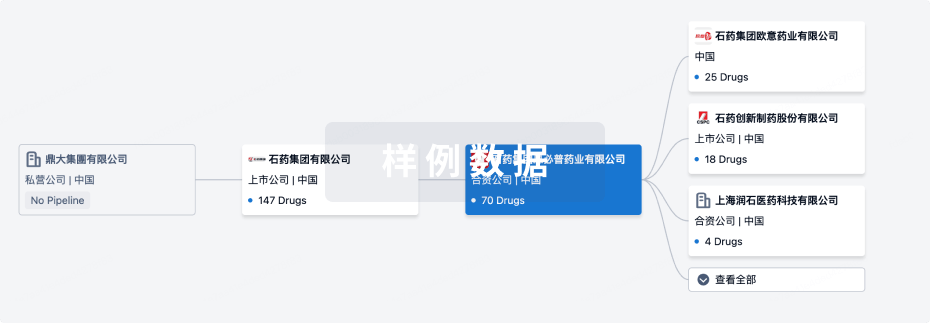
组织架构
使用我们的机构树数据加速您的研究。
登录
或
管线布局
2026年10月12日管线快照
管线布局中药物为当前组织机构及其子机构作为药物机构进行统计,早期临床1期并入临床1期,临床1/2期并入临床2期,临床2/3期并入临床3期
临床前
1
3
其他
登录后查看更多信息
当前项目
| 药物(靶点) | 适应症 | 全球最高研发状态 |
|---|---|---|
CHNQD-01255 ( ARFGEF ) | 肝细胞癌 更多 | 临床前 |
BBI-2000 | 变应性接触性皮炎 更多 | 终止 |
Elarekibep ( IL-4Rα ) | 哮喘 更多 | 终止 |
ROCK inhibitor(Devgen) ( ROCK1 ) | 青光眼 更多 | 终止 |
登录后查看更多信息
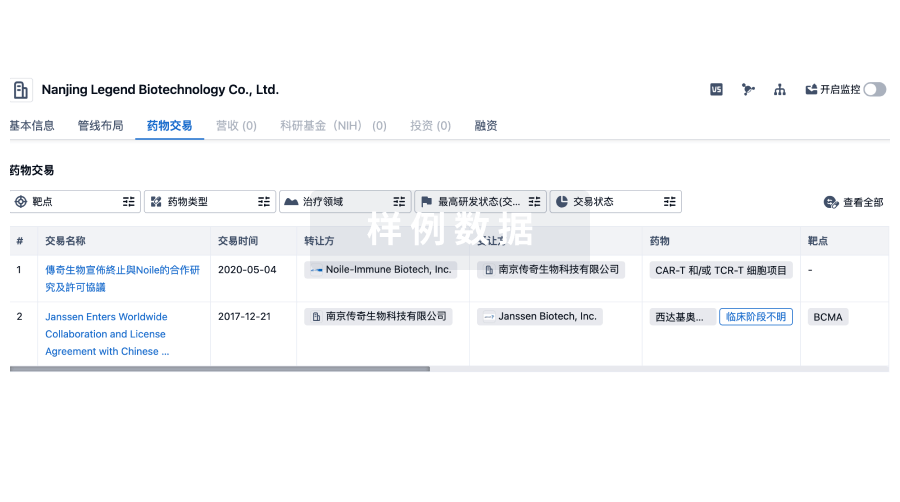
药物交易
使用我们的药物交易数据加速您的研究。
登录
或
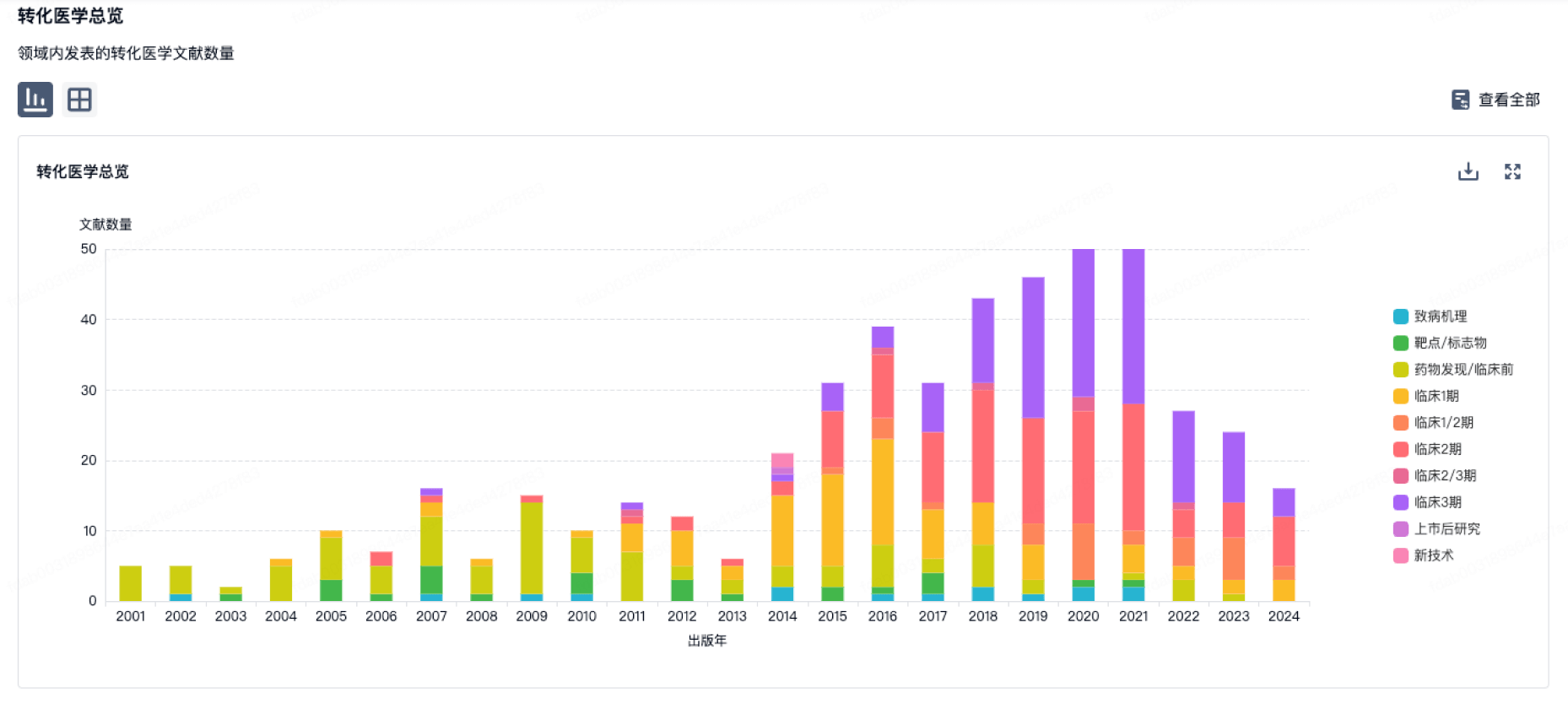
转化医学
使用我们的转化医学数据加速您的研究。
登录
或
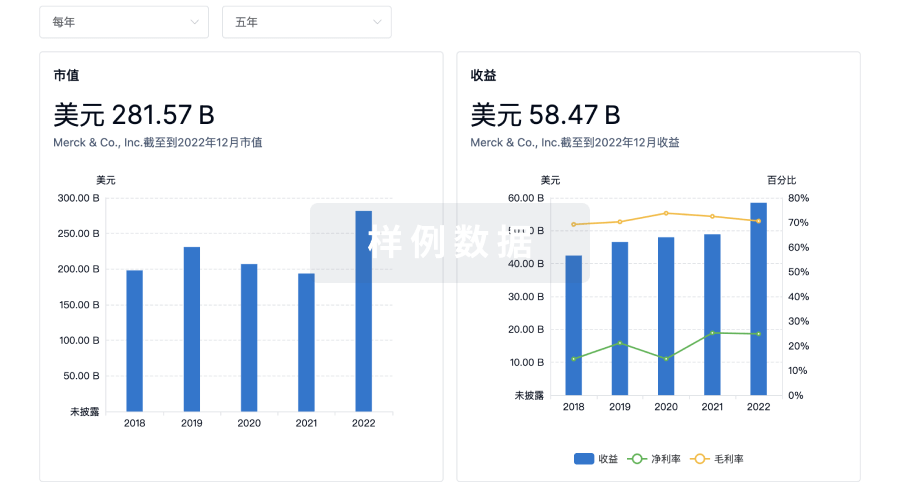
营收
使用 Synapse 探索超过 36 万个组织的财务状况。
登录
或
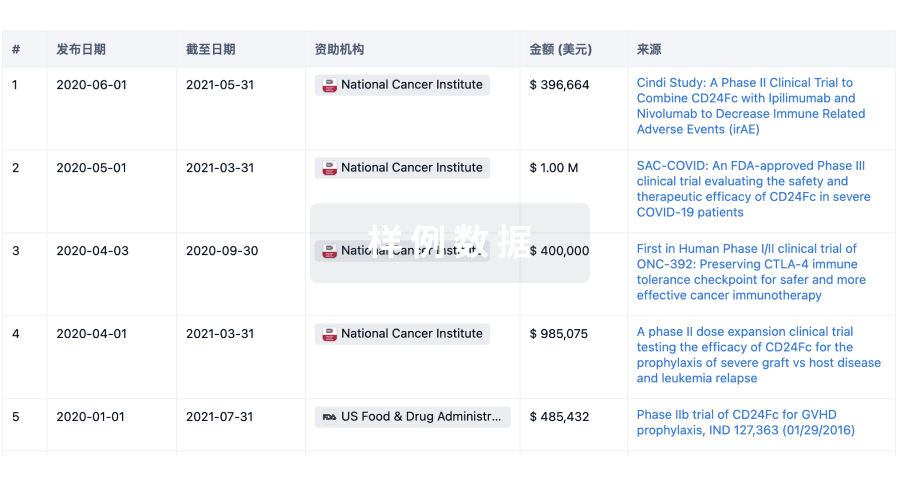
科研基金(NIH)
访问超过 200 万项资助和基金信息,以提升您的研究之旅。
登录
或
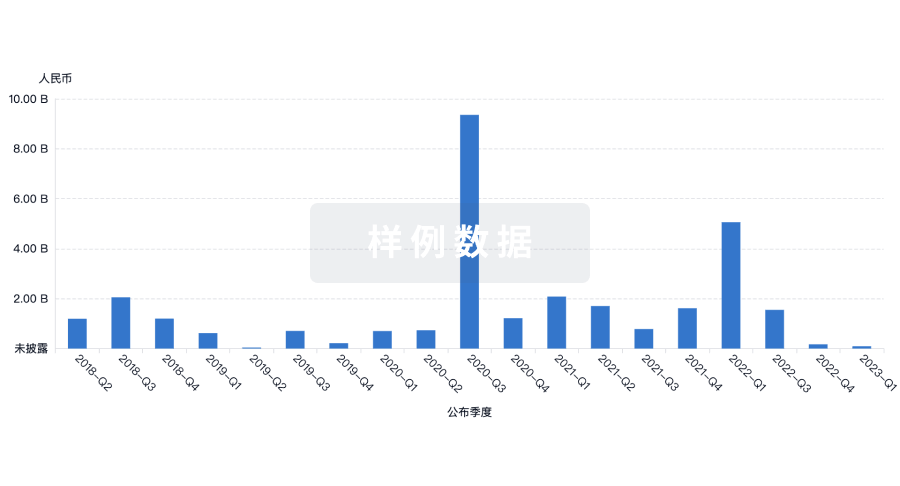
投资
深入了解从初创企业到成熟企业的最新公司投资动态。
登录
或
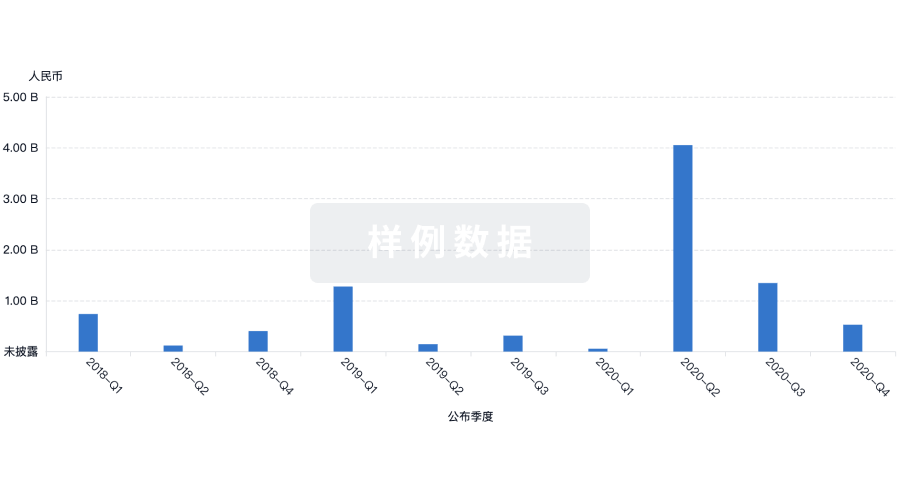
融资
发掘融资趋势以验证和推进您的投资机会。
登录
或
提出任何生物医药研究问题
让每一步生物医药决策都精准制胜
基于十亿级生物数据与全球情报的精准 AI,赋能早期药物发现
立即开始免费试用!
智慧芽新药情报库是智慧芽专为生命科学人士构建的基于AI的创新药情报平台,助您全方位提升您的研发与决策效率。
立即接入生物医药数据包
智慧芽新药库数据也通过智慧芽开放平台,以MCP或API服务形式对外开放。立即使用我们的MCP服务定制您的LLM智能体。
生物序列数据库
生物药研发创新
免费使用
化学结构数据库
小分子化药研发创新
免费使用