预约演示
更新于:2025-09-09

Kilpauk Medical College
更新于:2025-09-09
概览
关联
CTRI/2024/10/074782
A Comparative study on assesing efficacy and safety of methylene blue oral rinse vs Standard therapy for treating pain from Oral Mucositis, related to cancer treatment in a tertiary care hospital-A Randomised Open labelled Prospective study. - NIL
CTRI/2024/03/064762
A Randomized Open Labelled Comparative Prospective Study Of Efficacy and Safety of Imeglimin versus Sitagliptin as a 3rd drug in patients with uncontrolled Type II Diabetes Mellitus - NIL
CTRI/2024/02/063245
A Comparative Study on Assessing the Efficacy and Safety of Combination of Palmitoylethanolamide, Genistein, Diadzein )(Capsule Palmitole) as an add on therapy with Standard therapy in patients with Diabetic Neuropathy-A Randomised Open Labelled Prospective Study - NIL
100 项与 Kilpauk Medical College 相关的临床结果
登录后查看更多信息
登录后查看更多信息
2025-09-01Asian Journal of Psychiatry
Developing and pilot testing a collaborative, locally contextualized supported employment program for persons with mental illness in Chennai, Tamil Nadu
Article
作者: Guru, Aravind ; Kannan, Harini ; Raghavan, Vijaya ; Siva Ilango, T ; Menon, Jayakumar ; Jothilakshmi, Durairaj ; Ajay, Abhinav ; Selva Savari Raj, J ; Daniel, Sharon Joe ; Mangala, R ; Manisha, C H ; Kannan, P P ; Manjukashika, K R
BACKGROUND:
Employment is a key factor aiding in the recovery and social reintegration of persons with mental illness (PwMI). However, the PwMI demographic in India faces high rates of unemployment, highlighting a need for the development of structured, culturally sensitive, and regionally adapted supported employment programs.
AIM:
This study aimed to develop and pilot test a supported employment program designed to enhance job opportunities for PwMI in Chennai, India.
METHODS:
A desk review was conducted to examine existing employment support models for PwMI in India. Qualitative interviews were held with key stakeholders, including PwMI, caregivers, mental health professionals, and employers, to identify employment barriers and facilitators. An expert panel used these insights to co-design and develop a locally relevant supported employment program. The program was pilot-tested in Chennai from May 2023 to May 2024. Job placement and dropout rates were used to assess feasibility and effectiveness.
RESULTS:
Of the 213 participants, 63 secured competitive employment, 37 were enrolled in skill training programs, and 40 remained in active job placement efforts. However, 54 individuals were deemed not readily employable due to functional limitations, and 16 dropped out. A total of 12 employers and 20 training organizations partnered with the program, contributing to its 62.8 % job placement rate.
CONCLUSION:
The study demonstrates the operational potential of a regionally adapted supported employment program for PwMI in India. Future research should examine long-term job retention, workplace integration, and employment sustainability.
2025-06-14Cureus Journal of Medical Science
Gastrointestinal Hemorrhage in CREST Syndrome: A Case Report
Article
作者: Sai Prudhvi, Thalvayapati ; Ravikumar, Jayashree
Systemic scleroderma is an autoimmune disorder caused by microvascular dysfunction, excessive collagen deposition, and progressive fibrosis affecting the skin and other organs. CREST syndrome, also known as limited scleroderma, is an acronym for calcinosis, Raynaud's phenomenon, esophageal dysfunction, sclerodactyly, and telangiectasias. Among patients with systemic sclerosis (SSc), anticentromere antibodies are typically associated with the CREST syndrome variant. These antibodies are considered disease-specific and are known to correlate with the extent of disease progression. The pathogenesis of SSc is complex, with unusual presentations increasingly seen among patients. Gastrointestinal (GI) hemorrhage can be observed in CREST syndrome as an uncommon but serious complication. Endoscopic interventions are warranted in such patients to evaluate and manage bleeding. This report aims to raise awareness among physicians that CREST syndrome can present with GI hemorrhage, with skin signs such as calcinosis and sclerodactyly. In our case, H2 blockers and proton pump inhibitors were administered as part of the management plan to reduce acid-related mucosal injury and mitigate GI bleeding. Due to chronic mucosal hemorrhage, anemia was noted and corrected with parenteral iron therapy. The prognosis of CREST syndrome is relatively good when compared to the diffuse variant. Further research is needed to understand the pathophysiology of CREST syndrome, reliable biomarkers for early diagnosis, and targeted preventive treatment for this condition. Sensitizing clinicians regarding the changing disease pattern will help in prompt diagnosis.
2025-06-01Asian Journal of Psychiatry
Examining the employment related factors among persons with mental illness: Findings from a cross-sectional study in Chennai, South India
Article
作者: Lakshmi, Jothi ; P P, Kannan ; Guru, Aravind ; Dorairajan, Sangrita ; Anand, Aditi ; Manisha, C H ; Daniel, Sharon Joe ; T, Siva Ilango ; Raghavan, Vijaya ; Manjukashika, K R ; R, Mangala ; Menon, Jayakumar
From the Indian settings, there is a critical gap in understanding and addressing the significant unemployment rates among Persons with Mental Illness (PwMI). This survey aimed to explore the employment landscape of PwMI in Chennai, South India, focusing on employment outcomes, challenges, and the need for supported employment programs. We conducted a cross-sectional survey using a semi-structured questionnaire, among PwMI attending the out-patient department of a tertiary mental health center in Chennai between January 2023 to March 2023. We recruited a total of 434 participants for the study of which 174 (40.1 %) participants were unemployed and 260 (59.9 %) participants were employed during the survey. We observed that 71.3 % of the unemployed and 37 % of the employed participants actively sought new job opportunities, revealing a high demand for employment and job support. We found significant associations between employment status and socio-demographic factors such as gender, education, and marital status among the study participants. Our results also affirm PwMI can secure and sustain employment. There is a need for comprehensive support systems to address job dissatisfaction, workplace accommodations, and career advancement.
100 项与 Kilpauk Medical College 相关的药物交易
登录后查看更多信息
100 项与 Kilpauk Medical College 相关的转化医学
登录后查看更多信息
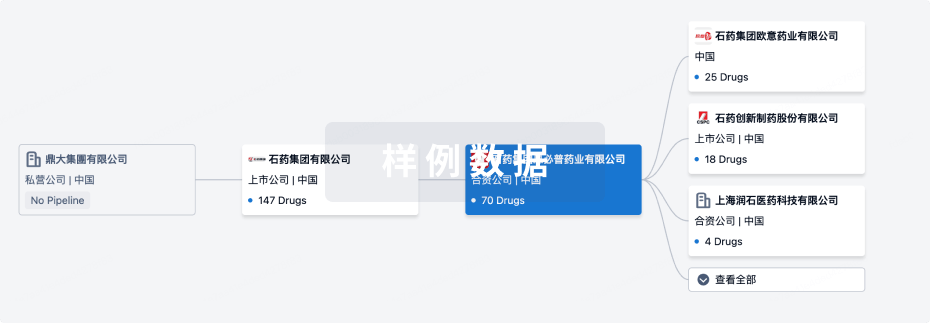
组织架构
使用我们的机构树数据加速您的研究。
登录
或
管线布局
2026年02月08日管线快照
无数据报导
登录后保持更新
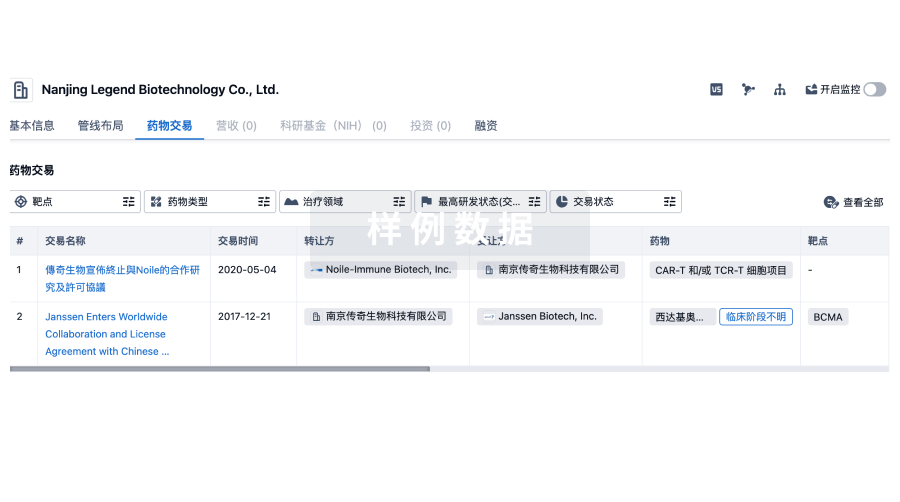
药物交易
使用我们的药物交易数据加速您的研究。
登录
或
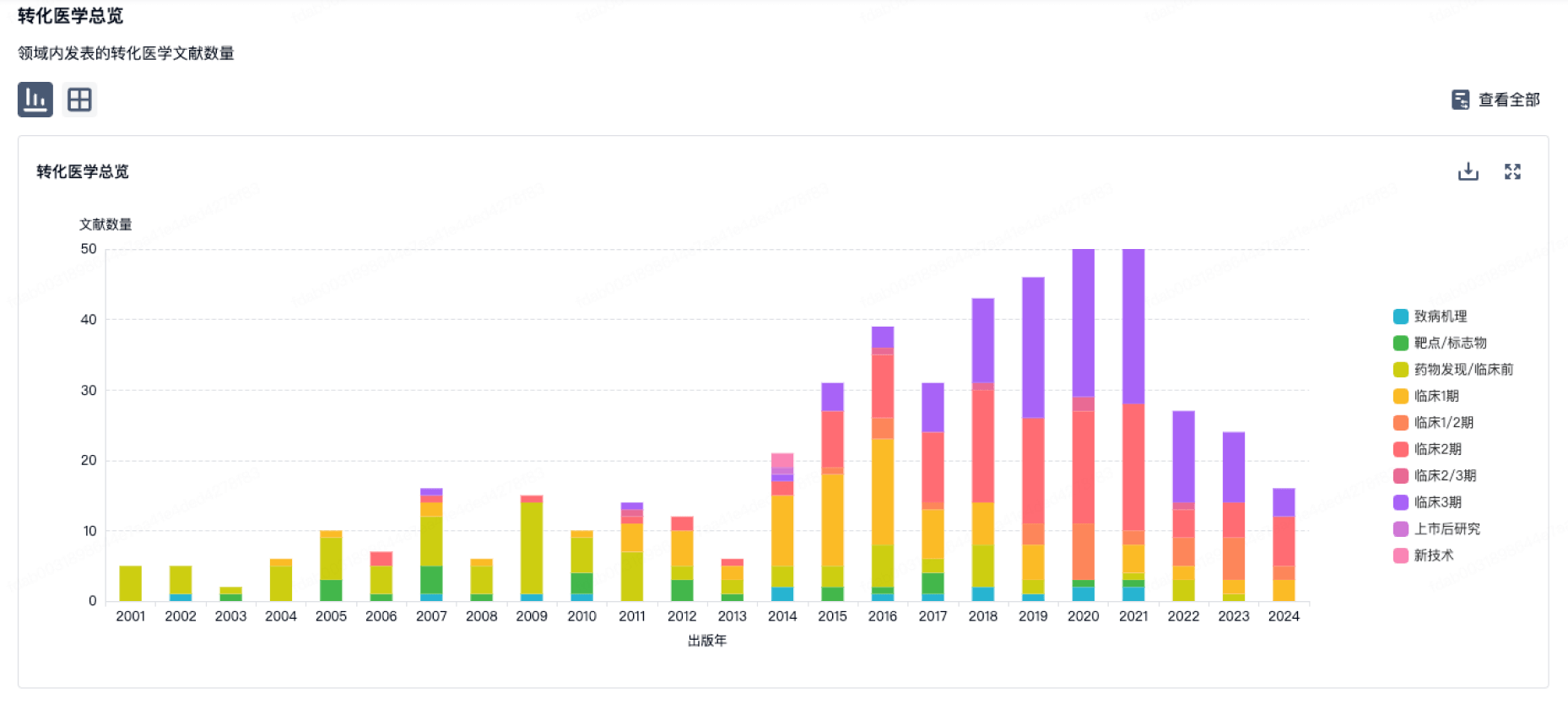
转化医学
使用我们的转化医学数据加速您的研究。
登录
或
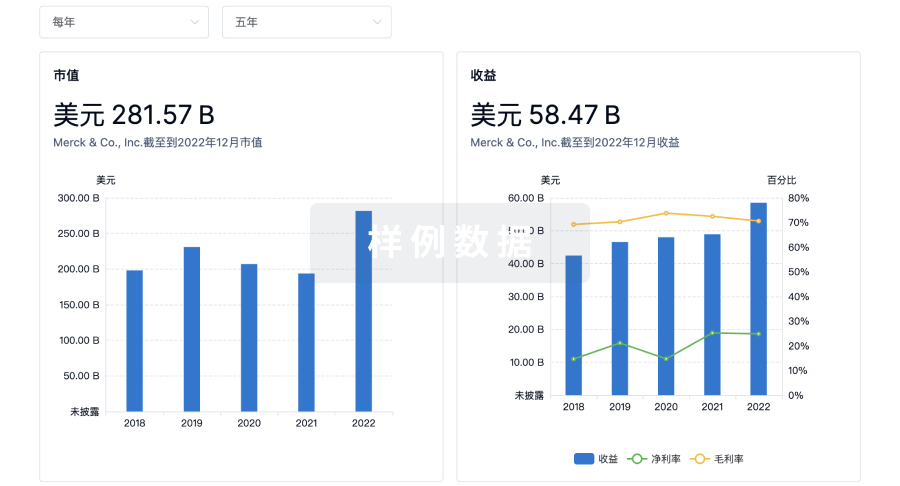
营收
使用 Synapse 探索超过 36 万个组织的财务状况。
登录
或
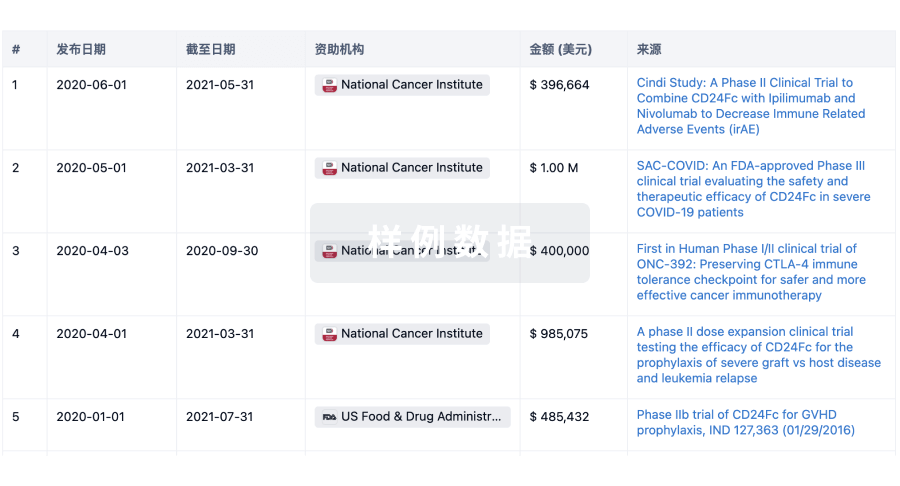
科研基金(NIH)
访问超过 200 万项资助和基金信息,以提升您的研究之旅。
登录
或
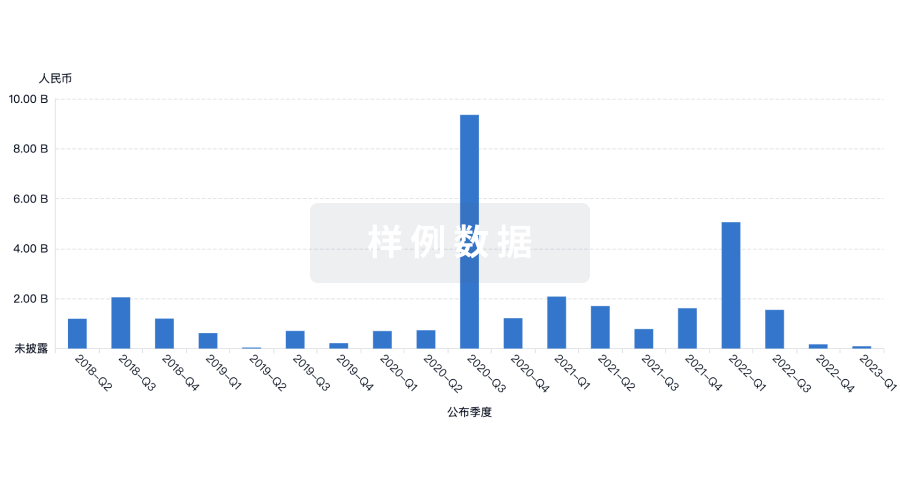
投资
深入了解从初创企业到成熟企业的最新公司投资动态。
登录
或
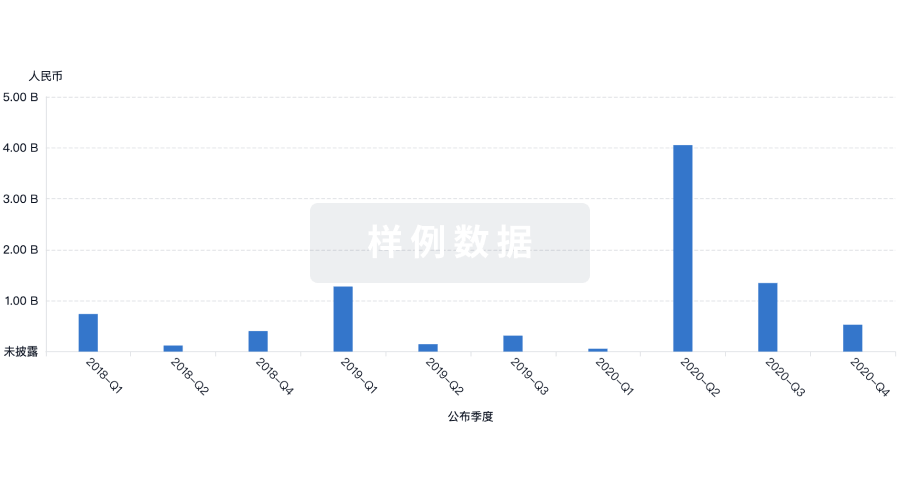
融资
发掘融资趋势以验证和推进您的投资机会。
登录
或
生物医药百科问答
全新生物医药AI Agent 覆盖科研全链路,让突破性发现快人一步
立即开始免费试用!
智慧芽新药情报库是智慧芽专为生命科学人士构建的基于AI的创新药情报平台,助您全方位提升您的研发与决策效率。
立即开始数据试用!
智慧芽新药库数据也通过智慧芽数据服务平台,以API或者数据包形式对外开放,助您更加充分利用智慧芽新药情报信息。
生物序列数据库
生物药研发创新
免费使用
化学结构数据库
小分子化药研发创新
免费使用