预约演示
更新于:2025-12-07

Institute of Human Virology of Nigeria
更新于:2025-12-07
概览
关联
PACTR202505474141640
Epidemiology and Treatment Outcomes of Drug Resistant Tuberculosis among Children and Adolescents in Nigeria
NCT05175794
Phase 4 Operational Study to Assess the Effectiveness, Feasibility, Acceptability, and Cost-effectiveness of the GeneXpert MTB/XDR (Xpert XDR; Cepheid) Assay for Rapid Triage-and-treatment of DR-TB

NCT04222270
The Impact of Structured Caregiver Peer Support (CaPS) on ART Adherence and Viral Suppression Among Children Living With HIV in Nigeria
100 项与 Institute of Human Virology of Nigeria 相关的临床结果
登录后查看更多信息
登录后查看更多信息
2025-10-02CURRENT HIV RESEARCH
Africa is an Essential Partner in the Research and Development of an HIV
Vaccine
Article
作者: Burgers, Wendy ; Naluyima, Prossy ; Garrett, Nigel ; Obuku, Andrew ; Akimbu, Alash'le ; Bekker, Linda-Gail ; Smidt, Werner ; Morar, Neetha ; Tholanah, Martha ; Ntiginya, Nyanda ; Abrahams, Fatima ; Sawe, Fredrick ; Mulder, Michelle ; Williamson, Carolyn ; Mwesigwa, Betty ; Hendricks, Simone ; Moore, Penny ; Kityo Mutuluuza, Cissy ; Stranix-Chibanda, Lynda ; Gray, Glenda ; Woeber, Kubashni ; Johnson, Tian ; Mugamba, Stephen ; Daniels, Brodie ; Takalani, Azwidihwi
Despite significant advances in HIV antiretroviral treatment, and proven efficacy of HIV prevention
options, an effective and affordable HIV vaccine is still necessary for the elimination of HIV, particularly
in Africa. Furthermore, viral and host factors unique to the African continent provide a strong scientific rationale
for local vaccine discovery efforts. Several key challenges hamper Africa's vaccine research and production
capabilities. These include inadequate funding for African-led research, equipment and infrastructure challenges,
lack of preclinical evaluation capacity, limited manufacturing facilities for clinical-grade vaccines, and
a shortage of scientists with specialized laboratory, bioinformatics and biostatistics training. A recently established
African-led consortium seeks to strengthen African HIV vaccine contributions by providing support,
training and funding to address these gaps by strengthening discovery research and conducting early phase
clinical trials of existing and novel Africa-derived vaccine candidates while strengthening African manufacturing
infrastructure and capacity. Constant and robust community and stakeholder engagement will be key to ensuring
the success of the consortiums’ efforts in providing sustainable vaccine development, manufacturing
and clinical testing in Africa. Given the magnitude of the HIV burden in Africa, with largely undescribed viral
and host diversity, it is vital that HIV vaccine discovery evolves to include the underutilized scientific expertise
and capacity on the African continent. Recent interruptions in the funding of consortia in Africa threaten
this type of progress and can derail progress in vaccine discovery.
2025-10-01PEDIATRIC INFECTIOUS DISEASE JOURNAL
Accelerating Uptake of Optimal Antiretrovirals for Children and Adolescents Living With HIV in Nigeria, Tanzania, Uganda and Zambia Through Data-driven Quality Improvement Interventions
Article
作者: Oladokun, Oluwatosin ; Kama, Jibrin ; Haimbe, Prudence ; Machage, Edward ; Nkolo, Esther ; Oliver, Daniel ; Mehta, Neha ; Nakanwagi, Miriam ; Arinaitwe, Ivan ; Magongo, Eleanor ; Johnson Fagbamigbe, Omodele ; Sam-Agudu, Nadia A. ; John, James ; Carpenter, Deborah ; Nazziwa, Esther ; Parris, KaeAnne ; Nantume, Sophie ; Adler, Michelle ; Ikpeazu, Akudo ; Ene, Uzoma ; Nta, Iboro ; Mpasela, Felton ; Babyebonela, Lilian ; Habtezgi, Simret ; Mtui, Leah ; Kwilasa, Sylvester ; Olayiwola, Olanrewaju ; Sowale, Oluwakemi ; Suggu, Kanchana ; Hast, Marisa ; Kampamba, Davies ; Hackett, Stephanie ; Simao, Lauren ; Mabirizi, David ; Onotu, Dennis ; Nabitaka, Vennie ; Rwebembera, Anath ; Twinomujuni, Evarist ; Fenn, Thomas ; Mbonea, Chediel ; Adesigbin, Clement ; Munthali, Gloria ; Rutaihwa, Mastidia ; Atu, Uzoma ; Zyambo, Khozya D. ; Dowling, Stephanie ; Ngwoke, Kelechi ; Itoh, Megumi ; Mulenga, Mwaba ; Musokotwane, Kebby ; Gross, Jessica ; Onyenuobi, Chibuzor ; Birabwa, Estella ; Amole, Carolyn
Background::
Limited access to disaggregated pediatric antiretroviral therapy (ART) data by weight, as recommended by the World Health Organization, made treatment optimization challenging. This article describes the treatment optimization interventions for children and adolescents living with HIV (CALHIV) implemented by the Faith-based Action for Scaling-Up Testing and Treatment for Epidemic Response (FASTER) initiative, assesses changes in optimal ART and viral load suppression (VLS) over time and offers lessons learned.
Methods::
During January 2020–December 2021, FASTER supported treatment optimization in 245 high-burden facilities across Nigeria, Tanzania, Uganda and Zambia. We collected and analyzed quarterly ART uptake for CALHIV 0–19 years by regimen and weight band (3–19.9, 20–29.9 and ≥30 kg) as the primary outcome in FASTER-supported sites to inform course correction. We also analyzed VLS and viral load coverage among CALHIV between FASTER-supported and non–FASTER-supported sites.
Results::
Quarterly ART data analysis informed targeted ART training and mentorship of 1230 health workers and 4927 community members. A total of 225 facilities reported regimen data, covering 30,208 CALHIV. The proportion of CALHIV on optimized treatment regimens increased from 49.0%–66.4% at baseline to 82.6%–91.9% at endline across countries. VLS increased from 79% to 91% in FASTER sites and 77% to 90% in non-FASTER sites.
Conclusions::
We saw dramatic improvements in optimal ART uptake overall. FASTER-supported interventions, such as data use and training, may have contributed to these increases. Optimal ART uptake likely contributed to improvements in VLS observed in both FASTER and non-FASTER sites given efforts to drive nationwide scale-up of optimal ART.
2025-09-22JOURNAL OF INFECTIOUS DISEASES
Leveraging PEPFAR- and Global Fund–Supported Laboratory Network for Integrated Disease Testing: Lessons From Integrated HIV, Tuberculosis, and COVID-19 Testing in Nigeria
Article
作者: Ihekweazu, Chikwe ; Njoku, Kingsley ; Ikpeazu, Akudo ; Kama, Jibrin ; Babatunde, Olajumoke ; Okolo, Chinyere ; Ndodo, Nnaemeka ; Mba, Nwando ; Audu, Israel ; Anyaike, Chukwuma ; Adetifa, Ifedayo ; Espy, Nicole ; Swaminathan, Mahesh ; Iriemenam, Nnaemeka C ; Hall-Edison, Patricia ; Godfrey, Catherine ; Boyd, Mary ; Agogo, Emmanuel ; Suleiman, Aminu ; Madubuike, Kingsley ; Naidoo, Dhamari ; Onwuamah, Chika ; Obianeri, Victor ; Akinpelu, Afolabi ; Ahumibe, Anthony ; Okoli, Innocent ; Nnadozie, Obinna ; Chime, Christopher ; Eneh, Chibuzor ; Ezechukwu, Chidozie ; Okoi, Catherine ; Chebu, Philippe ; Okoye, McPaul ; Obiekea, Celestina ; Zeh, Clement
Abstract:
The Nigeria Centre for Disease Control and Prevention, as part of the strategic approach to the COVID-19 outbreak response in Nigeria, coordinated the implementation of an integrated disease testing (IDT) strategy with support from multiple partners. This involved adaptation of existing US President's Emergency Plan for AIDS Relief (PEPFAR)– and Global Fund–supported molecular laboratory networks and integration of severe acute respiratory syndrome coronavirus 2 (SARS-CoV-2) testing into these. This enabled the country to provide large-scale testing and rapid return of results for SARS-CoV-2 from 2020 to 2022. IDT provided an opportunity for mainstreaming outbreak response into existing human immunodeficiency virus (HIV) and tuberculosis testing laboratories. Lessons learned from this have informed the adoption of IDT across the country laboratory network as an efficient approach to multiple disease testing and pandemic preparedness and response in Nigeria.
100 项与 Institute of Human Virology of Nigeria 相关的药物交易
登录后查看更多信息
100 项与 Institute of Human Virology of Nigeria 相关的转化医学
登录后查看更多信息
组织架构
使用我们的机构树数据加速您的研究。
登录
或
管线布局
2026年10月01日管线快照
无数据报导
登录后保持更新
药物交易
使用我们的药物交易数据加速您的研究。
登录
或
转化医学
使用我们的转化医学数据加速您的研究。
登录
或
营收
使用 Synapse 探索超过 36 万个组织的财务状况。
登录
或
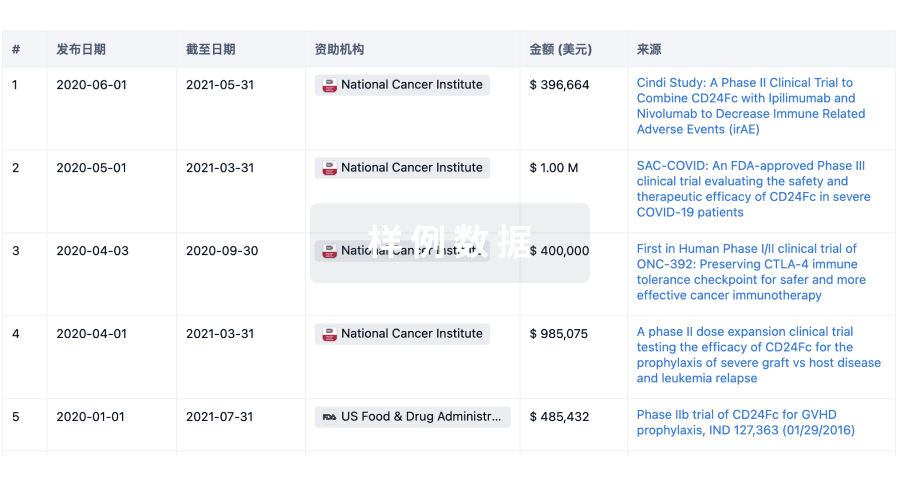
科研基金(NIH)
访问超过 200 万项资助和基金信息,以提升您的研究之旅。
登录
或
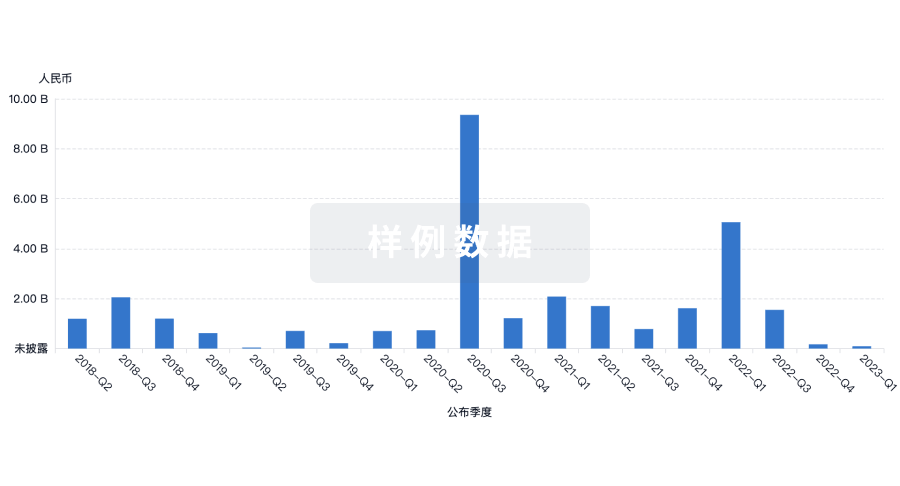
投资
深入了解从初创企业到成熟企业的最新公司投资动态。
登录
或
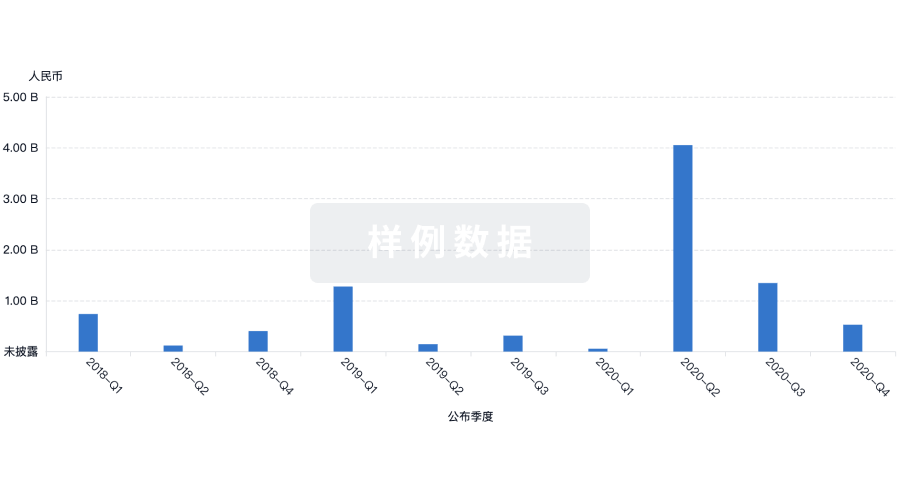
融资
发掘融资趋势以验证和推进您的投资机会。
登录
或
提出任何生物医药研究问题
让每一步生物医药决策都精准制胜
基于十亿级生物数据与全球情报的精准 AI,赋能早期药物发现
立即开始免费试用!
智慧芽新药情报库是智慧芽专为生命科学人士构建的基于AI的创新药情报平台,助您全方位提升您的研发与决策效率。
立即接入生物医药数据包
智慧芽新药库数据也通过智慧芽开放平台,以MCP或API服务形式对外开放。立即使用我们的MCP服务定制您的LLM智能体。
生物序列数据库
生物药研发创新
免费使用
化学结构数据库
小分子化药研发创新
免费使用