预约演示
更新于:2025-08-29

Burdwan Medical College
更新于:2025-08-29
概览
关联
CTRI/2024/04/065551
Role of green banana in management of acute diarrhea in under-5 children - NIL
CTRI/2023/06/053907
Comparison of safety and efficacy of minimally invasive surfactant therapy with surfactant administration through endotracheal tube (InSurE) in preterm newborns with respiratory distress syndrome
CTRI/2023/05/052430
Role of fluid restriction in management of hypoxic ischemic encephalopathy
100 项与 Burdwan Medical College 相关的临床结果
登录后查看更多信息
登录后查看更多信息
2025-07-01The Indian journal of tuberculosis
Catastrophic cost and coping strategies of tuberculosis patients in a block of Purba Bardhaman District, West Bengal: A crossectional study
Article
作者: Dutta, Akash ; Mandal, Sutapa ; Das, Sulagna ; Taraphdar, Pranita
BACKGROUND:
The elevated expenses associated with tuberculosis (TB), can hinder access to treatment and adherence.
OBJECTIVES:
This study was done to find out catastrophic cost (defined as 20% of the total annual income) resulting from treatment and diagnosis of TB, factors associated with it and delineated the coping mechanisms employed by the affected individuals and their families.
MATERIALS AND METHODS:
A cross sectional study was conducted for a period of 6 months, September 2023 to February 2024, among 146 patients registered in the Tuberculosis Unit (TU) of Bhatar block, Purba Bardhaman District,West Bengal. A pre validated questionnaire was used for interviewing the patients. Data was analysed using the principles of descriptive statistics, organised and presented in the form of tables.
RESULTS:
Out of 146 tuberculosis (TB) patients, the study revealed mean total cost incurred for TB-related services amounted to Rs 30,046 ± Rs 9406 with direct cost of Rs 2964.26 ± Rs 990.3 and indirect cost of Rs 27,406 ± Rs 9,351.54(36.9%) of the study population reported that their families faced catastrophic costs. Coping strategies like taking loan emerged as the most prevalent means, with 45(30.8%) patients reporting it followed by selling livestock which was prevalent among 14(9.6%) of them.
CONCLUSIONS:
In spite of the implementation of Universal Health Coverage, TB-affected households still faces the risk of catastrophic total costs. A cost-mitigation policy and financial protection should be provided additionally along with better health care facility to all patients.
2025-07-01INDIAN JOURNAL OF PHARMACOLOGY
Comparison of renal function of the patients receiving linagliptin or vildagliptin in uncontrolled type 2 diabetes mellitus: An observational study in the backdrop of the COVID-19 pandemic
Article
作者: Mukhopadhyay, Sandip ; Chaudhuri, Sailayee ; Dasgupta, Somnath ; Biswas, Supreeti
BACKGROUND::
Dipeptidyl peptidase 4 (DPP-4) inhibitors are primarily excreted renally. Linagliptin is an exception with excretion primarily through enterohepatic system and is expected to have a better renal profile, though real-world data are scarce. Comparative studies on the renal safety and glycaemic control with linagliptin versus popular DPP-4 inhibitors such as vildagliptin are crucial, especially in the background of COVID-19 pandemic that hugely impacted glycemic control in India’s large type 2 diabetes mellitus (T2DM) population.
MATERIALS AND METHODS::
Adult T2DM patients not controlled with metformin alone, added linagliptin (5 mg once daily) or vildagliptin (50 mg twice daily) in the tertiary care outpatient department setting were included in the study. Parameters such as glycosylated hemoglobin, fasting blood glucose, postprandial blood glucose, blood urea nitrogen, serum creatinine, estimated glomerular filtration rate (eGFR), change in renal function, glycemic control, and clinical parameters were compared at baseline, 2 months, and 6 months of treatment. All adverse events were analyzed using the WHO-UMC scale.
RESULTS::
Both groups achieved similar glycemic control, however, accompanied with impairment of renal parameters after 6 months. Compared to linagliptin, almost 300% rise in creatinine and 140% fall in eGFR were noted in the vildagliptin recipients. However, the difference in serum creatinine or eGFR could not attain statistical significance in the study.
CONCLUSION::
Both linagliptin and vildagliptin can help to achieve glycemic control despite possible influence of the COVID-19 pandemic and are generally well tolerated. However, renal functions are better preserved with linagliptin. Further studies involving a larger sample size and longer follow-up are recommended before generalization of the findings of the present study.
2025-07-01CNS & Neurological Disorders-Drug Targets
Recent Trends in Physical Therapy Interventions and Neuromodulation Techniques to Improve Neurorehabilitation
Article
作者: Nath, Patralika ; Panigrahi, Soumya Saswati ; Islam, Kamirul ; Roy, Barnana ; Basak, Asim Kumar
Promoting neuroplasticity for better recovery and function restoration has lately become
the focus of rehabilitation techniques for individuals with neurologic disorders. A rapidly expanding
medical specialty, neuromodulation includes a broad variety of methods for activating particular
neurological pathways, such as Transcranial magnetic stimulation (TMS), Transcranial direct current
stimulation (tDCS), peripheral nerve stimulation, and SCS, among many others. Research on
the use of neuromodulation in the context of spinal cord injury (SCI) is limited, in contrast to the
abundance of literature on its potential benefits in chronic pain treatment. Combining exercise with
non-invasive neuromodulation improves recovery outcomes for some patient groups, according to
our research. While we mostly focus on the motor components of recovery, we do briefly mention
the non-motor effects of these disorders. The difficulties of applying ideas in clinical practice and
the gaps in the existing research are also brought to light. In order to better customize the individual
neuroplastic responses associated with each disease, we identify research gaps and propose routes
for future investigations. This review is useful for rehabilitation professionals and researchers since
it focuses on neuroplastic exercise treatments for specific illnesses and diagnoses. Few studies have
used long-term randomized-controlled trials, even though these approaches have great promise for
enhancing overall functionality and impairment levels. If these novel modalities may be therapeutically
employed to reduce pain, restore function, and improve the quality of life for individuals impacted,
then more study is required to support them.
100 项与 Burdwan Medical College 相关的药物交易
登录后查看更多信息
100 项与 Burdwan Medical College 相关的转化医学
登录后查看更多信息
组织架构
使用我们的机构树数据加速您的研究。
登录
或
管线布局
2026年02月07日管线快照
无数据报导
登录后保持更新
药物交易
使用我们的药物交易数据加速您的研究。
登录
或
转化医学
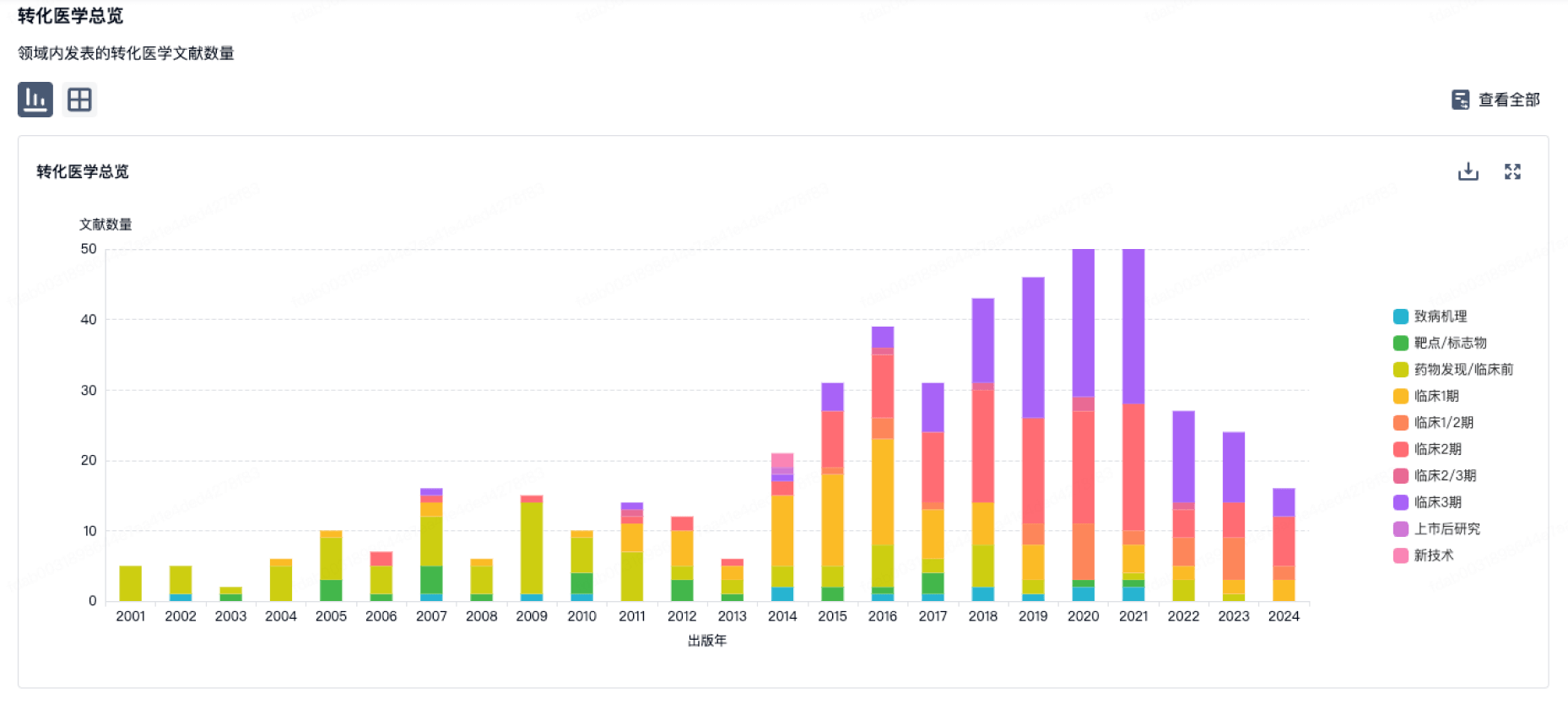
使用我们的转化医学数据加速您的研究。
登录
或
营收
使用 Synapse 探索超过 36 万个组织的财务状况。
登录
或
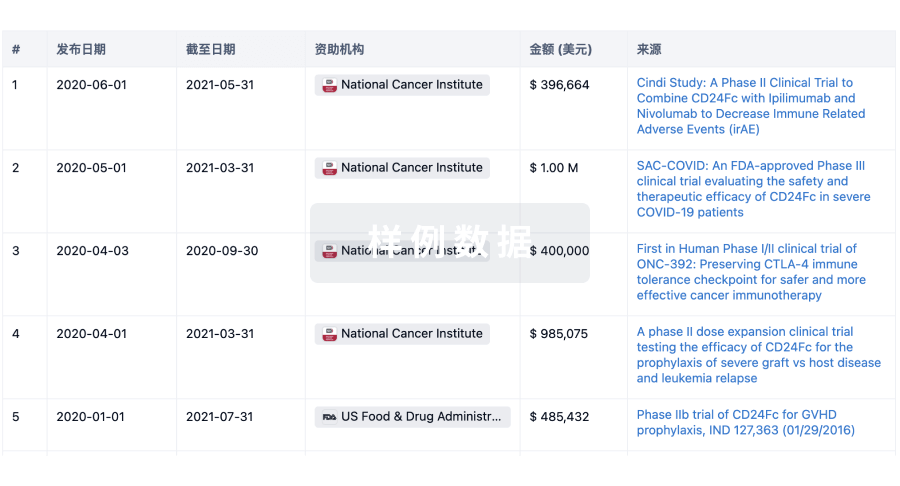
科研基金(NIH)
访问超过 200 万项资助和基金信息,以提升您的研究之旅。
登录
或
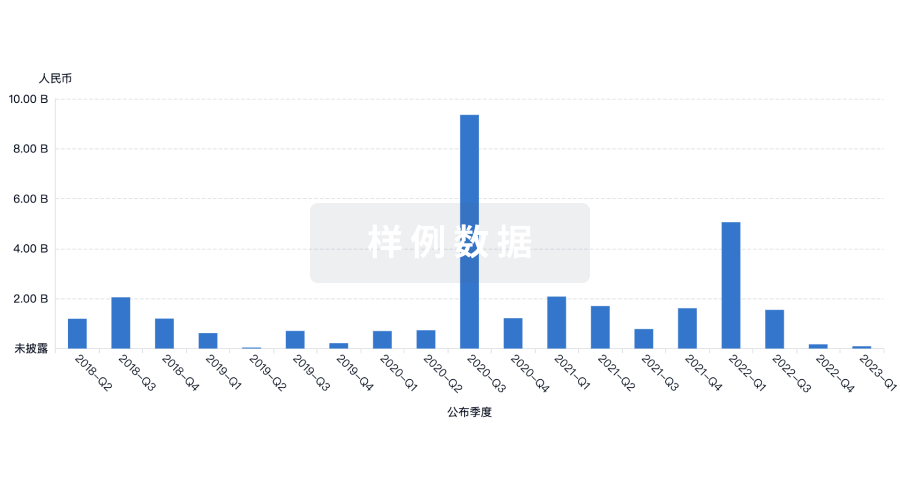
投资
深入了解从初创企业到成熟企业的最新公司投资动态。
登录
或
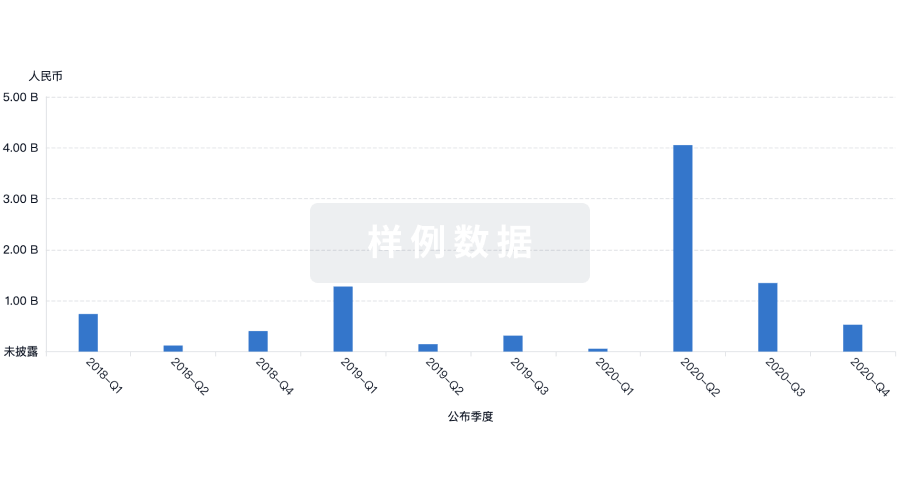
融资
发掘融资趋势以验证和推进您的投资机会。
登录
或
生物医药百科问答
全新生物医药AI Agent 覆盖科研全链路,让突破性发现快人一步
立即开始免费试用!
智慧芽新药情报库是智慧芽专为生命科学人士构建的基于AI的创新药情报平台,助您全方位提升您的研发与决策效率。
立即开始数据试用!
智慧芽新药库数据也通过智慧芽数据服务平台,以API或者数据包形式对外开放,助您更加充分利用智慧芽新药情报信息。
生物序列数据库
生物药研发创新
免费使用
化学结构数据库
小分子化药研发创新
免费使用