预约演示
更新于:2026-08-09

Saladax Biomedical, Inc.
更新于:2026-08-09
概览
关联
NCT05711732
Collection of Plasma Samples Using Sodium Heparin From Subjects Undergoing Intravenous Busulfan Treatment
NCT05422131
Collection of Capillary Fingerstick Blood, Venous Serum, and Venous K2EDTA Blood Samples From Subjects Receiving Clozapine Therapy
NCT02502864
Multicenter Study Investigating Utilization of Pharmacokinetic(PK)-Guided Docetaxel in Senior Adult Breast Cancer Patients Receiving Docetaxel and Cyclophosphamide (TC) Chemotherapy

100 项与 Saladax Biomedical, Inc. 相关的临床结果
登录后查看更多信息
登录后查看更多信息
2024-05-02The journal of applied laboratory medicine
Evaluation of Busulfan as a Third-Party Immunoassay on a Clinical Chemistry Analyzer
Article
作者: To, Andrea ; Kulasingam, Vathany ; Yazdanpanah, Mehrdad ; Fritz, James ; Zhou, Janet R ; Jung, Benjamin
Abstract:
Background:
Busulfan is widely used in conditioning regimens to prepare patients for hematopoietic stem cell transplantation. Therapeutic drug monitoring (TDM) is critical due to large inter- and intra-individual variability in busulfan pharmacokinetics, and the risk of adverse consequences of toxicity including hepatic veno-occlusive disease. Busulfan is most commonly measured by liquid chromatography–mass spectrometry (LC-MS/MS), which is not as widely available in clinical laboratories as automated routine clinical chemistry analyzers. The objective was to perform analytical verification of a busulfan immunoassay on the Abbott Alinity c platform.
Methods:
The MyCare Oncology busulfan immunoassay was configured as a third-party reagent on the Abbott Alinity c. Imprecision, linearity, sample carryover, and onboard stability of reagent studies were evaluated. The performance of the busulfan immunoassay using the Abbott Alinity c was compared to the Beckman Coulter AU480 using sodium heparinized plasma, as well as to LC-MS/MS using lithium heparinized plasma.
Results:
The imprecision goal of 8% was met, and linearity within the analytical measurement range of 240 to 1700 ng/mL was verified. Sample carryover was negligible, and the reagents were stable onboard for at least 84 days. The busulfan immunoassay correlated well with LC-MS/MS (slope = 0.949, y-intercept = −7.8 ng/mL, r2 = 0.9935) and the Beckman Coulter AU480 (slope = 1.090, y-intercept = −34.5 ng/mL, r2 = 0.9988).
Conclusions:
This study demonstrated successful analytical verification of a busulfan third-party immunoassay on the Abbott Alinity c platform. The ability to perform TDM of busulfan on a routine clinical chemistry analyzer will positively impact turnaround times to improve patient outcomes.
2024-01-05Clinical cancer research : an official journal of the American Association for Cancer Research
Project Confirm: Accelerated Drug Approvals for CML—Letter
Letter
作者: Salamone, Salvatore J. ; Beumer, Jan H.
In reviewing CML drug development, Sweet and colleagues touch on the importance of dose optimization and lament that "TKI dose-finding trials… determine the MTD", and that "it is unlikely that most patients… require the MTD" (1). While we agree with the latter, dose optimization of the first TKI certainly did not stop at the MTD.Novartis' efforts to personalize imatinib dosing through Therapeutic Drug Monitoring (TDM) of plasma concentrations is unprecedented and never-repeated (2). The FDA's reaction disincentivized such efforts, and locked the industry into the one-dose-fits-all approach. Project Optimus merely suggests shifting a single dose, usually lower (3). We propose aiming for an optimal exposure range (therapeutic window), at whatever individual dose required. Lowering the dose will certainly reduce the number of patients above the therapeutic window; but other patients will move to below the therapeutic window, depriving them of benefit (Fig. 1), while the number of patients within the therapeutic window may not change. Reduced toxicity with equal activity may then be celebrated as a success. But optimal it is not. From the imatinib exposure response relationships (4), the CML field has now come full circle with ponatinib which has a 48% CV interindividual pharmacokinetic variability, corresponding to a roughly 5-fold range in exposures when everyone is given the same dose (5).The plasma exposure of a 15-mg ponatinib dose increase imparts odds ratios of 1.63 for MR1, and 2.05 for ≥MR1 response. The exposure increase of 15 mg imparts a HR of 2.05 for arterial occlusive events (AOE, causing its temporary market withdrawal) and 1.31 for grade ≥3 thrombocytopenia (5). Decreasing the dose for everyone reduces risk of toxicity for some, and reduces probability of response for others. The updated dosing for ponatinib (45 then 15 mg) merely reduces the time some patients are exposed to toxic concentrations and has a limited impact on OAEs. Dosing individual patients to a therapeutic window would have resulted in a distribution of doses beyond 15–45 mg, and might have been both more tolerable and more active.The authors point to idiosyncratic side effect profiles of TKIs with effects in some patients and none in others, and also stress the need for response biomarkers, suggesting early molecular response, T-cell subsets, NK-cell activity, or combinations. We suggest they revisit the TDM principles already established with their first revolutionary drug imatinib. Plasma exposure may be the best biomarker yet and therapeutic windows should be part of drug labeling.See the Response, p. 237S.J. Salamone reports other support from Saladax Biomecical, Inc. outside the submitted work. No disclosures were reported by the other author.
2023-08-01The British journal of psychiatry : the journal of mental science
Point of care assay for blood aripiprazole concentrations: development, validation and utility
Article
作者: Luiz Dratcu ; Philip McGuire ; Mary Rose Hilaire ; Salvatore J. Salamone ; David Taylor ; Edward Chesney ; Robert Harland ; Ana Catalan ; Thomas J. Reilly ; Irina Baburina ; Matthew Atkins ; Neville Desouza
Background:
The antipsychotic aripiprazole is often used in the treatment of first-episode psychosis. Measuring aripiprazole blood levels provides an objective measure of treatment adherence, but this currently involves taking a venous blood sample and sending to a laboratory for analysis.
Aims:
To detail the development, validation and utility of a new point of care (POC) test for finger-stick capillary blood concentrations of aripiprazole.
Method:
Analytical performance (sensitivity, precision, recovery and linearity) of the assay were established using spiked whole blood and control samples of varying aripiprazole concentration. Assay validation was performed over a 14-month period starting in July 2021. Eligible patients were asked to provide a finger-stick capillary sample in addition to their usual venous blood sample. Capillary blood samples were tested by the MyCare™ Insite POC analyser, which provided measurement of aripiprazole concentration in 6 min, and the venous blood sample was tested by the standard laboratory method.
Results:
A total of 101 patients agreed to measurements by the two methods. Venous blood aripiprazole concentrations as assessed by the laboratory method ranged from 17 to 909 ng/mL, and from 1 to 791 ng/mL using POC testing. The correlation coefficient between the two methods (r) was 0.96 and there was minimal bias (slope 0.91, intercept 4 ng/ml).
Conclusions:
The MyCare Insite POC analyser is sufficiently accurate and reliable for clinical use. The availability of this technology will improve the assessment of adherence to aripiprazole and the optimising of aripiprazole dosing.
2024-12-28
·汇聚南药
财报并购

100 项与 Saladax Biomedical, Inc. 相关的药物交易
登录后查看更多信息
100 项与 Saladax Biomedical, Inc. 相关的转化医学
登录后查看更多信息
组织架构
使用我们的机构树数据加速您的研究。
登录
或
管线布局
2026年10月07日管线快照
无数据报导
登录后保持更新
药物交易
使用我们的药物交易数据加速您的研究。
登录
或
转化医学
使用我们的转化医学数据加速您的研究。
登录
或
营收
使用 Synapse 探索超过 36 万个组织的财务状况。
登录
或
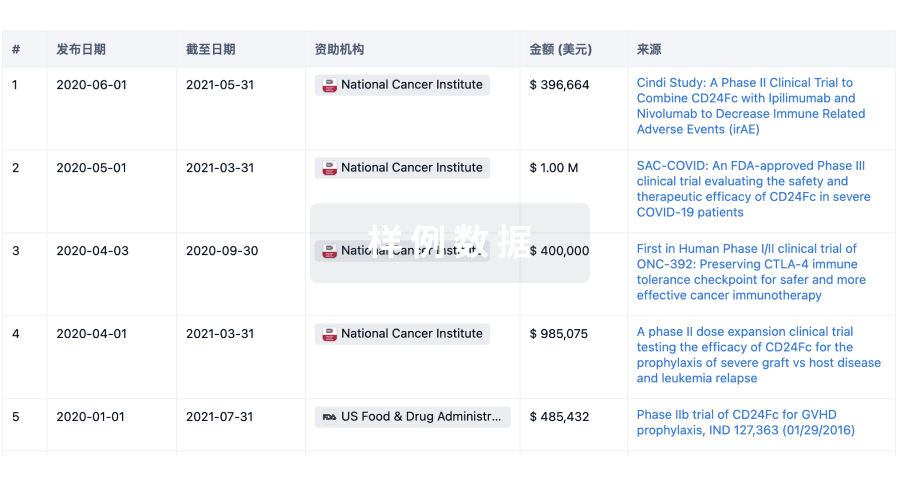
科研基金(NIH)
访问超过 200 万项资助和基金信息,以提升您的研究之旅。
登录
或
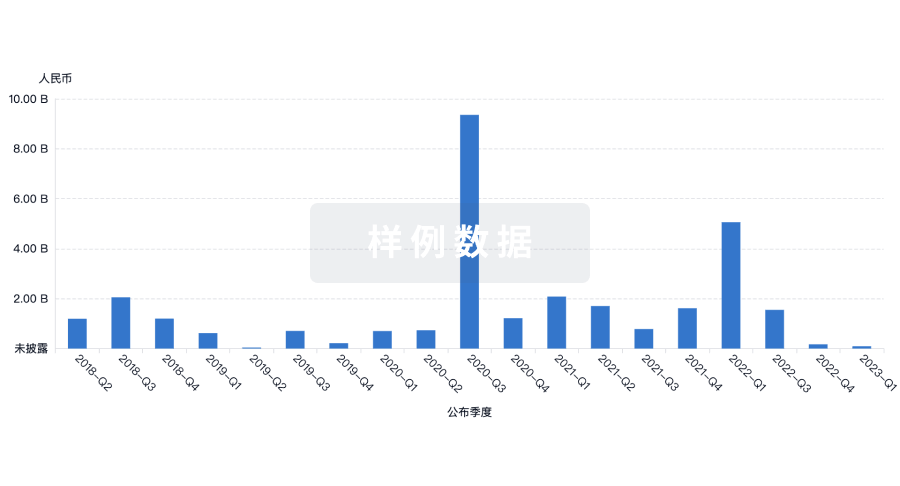
投资
深入了解从初创企业到成熟企业的最新公司投资动态。
登录
或
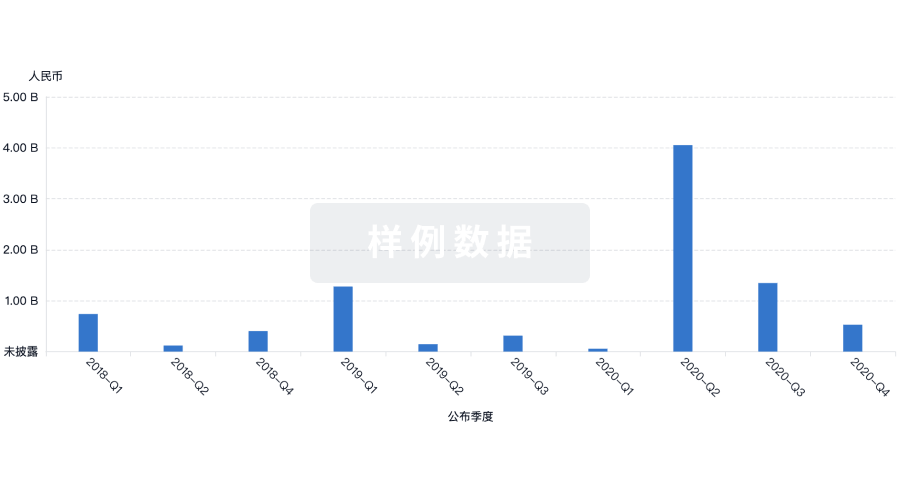
融资
发掘融资趋势以验证和推进您的投资机会。
登录
或
提出任何生物医药研究问题
让每一步生物医药决策都精准制胜
基于十亿级生物数据与全球情报的精准 AI,赋能早期药物发现
立即开始免费试用!
智慧芽新药情报库是智慧芽专为生命科学人士构建的基于AI的创新药情报平台,助您全方位提升您的研发与决策效率。
立即接入生物医药数据包
智慧芽新药库数据也通过智慧芽开放平台,以MCP或API服务形式对外开放。立即使用我们的MCP服务定制您的LLM智能体。
生物序列数据库
生物药研发创新
免费使用
化学结构数据库
小分子化药研发创新
免费使用