预约演示
更新于:2026-02-02

Hygieia, Inc.
更新于:2026-02-02
概览
关联
NCT01170208
Open-Label, Uncontrolled, Single-Arm, Single-Center, 16-Week Study Assessing Efficacy and Safety of Frequently Modified Insulin Therapy Using Dosage Recommending Device Software in 3-Groups of Subjects With Diabetes
NCT01014832
An Efficacy and Safety Evaluation of Frequently Modified Intensive Insulin Therapy in Subjects With Uncontrolled Type-I or Type-2 Diabetes
100 项与 Hygieia, Inc. 相关的临床结果
登录后查看更多信息
登录后查看更多信息
2024-08-01Diabetes technology & therapeutics
A Scalable Application of Artificial Intelligence-Driven Insulin Titration Program to Transform Type 2 Diabetes Management
Article
作者: Warren, Mark ; Bergenstal, Richard M ; Bashan, Eran ; Hager, Matthew ; Bergenstal, Richard M. ; Hodish, Israel
Background: Despite new pharmacotherapy, most patients with long-term type 2 diabetes are still hyperglycemic. This could have been solved by insulin with its unlimited potential efficacy, but its dynamic physiology demands frequent titrations which are overdemanding. This report provides a real-life account for a scalable transformation of diabetes care in a community-based endocrinology center by harnessing artificial intelligence-based autonomous insulin titration. Methods: The center embedded the d-Nav® technology and its dedicated clinical support. Reported outcomes include treatment efficacy/safety in the first 600 patients and use of cardiorenal-risk reduction pharmacotherapy. Findings: Patients used d-Nav for 8.2 ± 3.0 months with 82% retention. Age was 67.1 ± 11.5 years and duration of diabetes was 19.8 ± 11.0 years. During the last 3 years before d-Nav, glycated hemoglobin (HbA1c) had been overall higher than 8% and at the beginning of the program it was as high as 8.6% ± 2.1% with 29.3% of the patients with HbA1c >9%. With d-Nav, HbA1c decreased to 7.3% ± 1.2% with 5.7% of patients with HbA1c >9%. During the first 3 months, d-Nav reduced total daily dose of insulin in one of every five patients due to relatively low glucose levels to minimize the risk of hypoglycemia. Glucagon like peptide 1 (GLP-1) receptor agonists or dual GLP-1 and Glucose-dependent insulinotropic polypeptide (GIP) receptor agonists were prescribed in about a half of the patients and sodium glucose cotransporter 2 inhibitor in a third. The frequency of hypoglycemia (<54 mg/dL) was 0.4 ± 0.6/month and severe hypoglycemia 1.7/100-patient-years. Interpretation: The use of d-Nav allowed for improvement in overall diabetes management with appropriate use of both insulin and noninsulin pharmacologic agents in a scalable way.
2021-12-01Diabetes therapy : research, treatment and education of diabetes and related disorders
Challenges in Insulin Therapy for Type 2 Diabetes
Letter
作者: Hodish, Israel
In the manuscript ''Expert Opinion: A Call for Basal Insulin Titration in Patients with Type 2 Diabetes in Daily Practice: Southeast European Perspective'', Nicolae Hancu and colleagues have devised a set of clin. guidelines to overcome the shortcoming of insulin therapy [1].I commend the group for identifying the topic as a major population health deficiency which calls for urgent solutions I would like to offer a few points for consideration.Indeed, despite insulin being available as adrug for a century, insulin therapy has been largely ineffective. Most patients with type 2 diabetes who need insulin therapy do not maintain healthy glycemic control, resulting in debilitating and, in many cases, lethal complications which are horrendously costly to treat.Unfortunately, this reality has affected not only the population of southeastern Europe, but the entire Western world [2].As the group elucidated, the main reason behind the limited success of insulin management is the lack of titrations frequent enough to overcome the dynamics of insulin requirements. Providers who typically adjust insulin doses cannot do it more than a handful times per yr, which is not nearly adequate.Yet achieving the desired glycated Hb (HbA1c) for the first time is unfortunately not enough, and frequent insulin titrations are needed at all times. My group has shown that insulin requirements do not reach a steady state. Most patients who use insulin therapy for type 2 diabetes encounter periods of considerably decreased insulin requirements (mean ± standard deviation 39.9± 12.6reduced total daily insulin) that last weeks to months and expose them to hypoglycemia.Consequently, the ability to down-titrate insulin when needed is at least as important as uptitration. Unless frequent titrations are made at all times, these unsafe periods of reduced insulin requirements are overlooked. Although long-acting insulin-only regimens for long-standing type 2 diabetes is the first insulin regimen to prescribe, most patients will not be able to maintain appropriate and safe glycemic control after about 3 years, and meal insulin boluses will be needed, as previously demonstrated in the 4 T.
2018-12-01Clinical diabetes and endocrinology
Insulin therapy for type 2 diabetes – are we there yet? The d-Nav® story
Article
作者: Hodish, I
Insulin replacement therapy is mostly used by patients with type 2 diabetes who become insulin deficient and have failed other therapeutic options. They comprise about a quarter of those with diabetes, endures the majority of the complications and consumes the majority of the resources. Adequate insulin replacement therapy can prevent complications and reduce expenses, as long as therapy goals are achieved and maintained. Sadly, these therapy goals are seldom achieved and outcomes have not improved for decades despite advances in pharmacotherapy and technology. There is a growing recognition that the low success rate of insulin therapy results from intra-individual and inter-individual variations in insulin requirements. Total insulin requirements per day vary considerably between patients and constantly change without achieving a steady state. Thus, the key element in effective insulin therapy is unremitting and frequent dosage adjustments that can overcome those dynamics. In practice, insulin adjustments are done sporadically during outpatient clinic. Due to time constraints, providers are not able to deliver appropriate insulin dosage optimization. The d-Nav® Insulin Guidance Service has been developed to provide appropriate insulinization in insulin users without increasing the burden on healthcare systems. It relies on dedicated clinicians and a spectrum of technological solutions. Patients are provided with a handheld device called d-Nav® which advises them what dose of insulin to administer during each injection and automatically adjust insulin dosage when needed. The d-Nav care specialists periodically follow-up with users through telephone calls and in-person consultations to bestow user confidence, correct usage errors, triage, and identify uncharacteristic clinical courses. The following review provide details about the service and its clinical outcomes.

100 项与 Hygieia, Inc. 相关的药物交易
登录后查看更多信息
100 项与 Hygieia, Inc. 相关的转化医学
登录后查看更多信息
组织架构
使用我们的机构树数据加速您的研究。
登录
或
管线布局
2026年02月09日管线快照
无数据报导
登录后保持更新
药物交易
使用我们的药物交易数据加速您的研究。
登录
或
转化医学
使用我们的转化医学数据加速您的研究。
登录
或
营收
使用 Synapse 探索超过 36 万个组织的财务状况。
登录
或
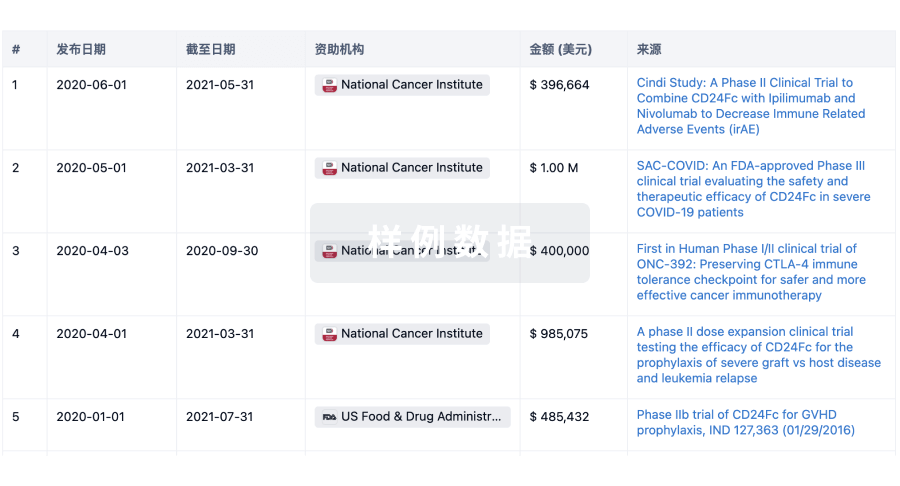
科研基金(NIH)
访问超过 200 万项资助和基金信息,以提升您的研究之旅。
登录
或
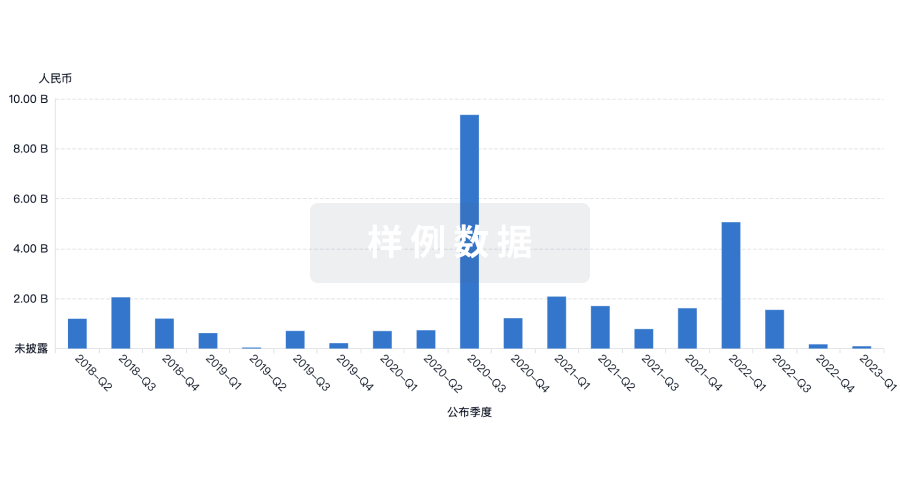
投资
深入了解从初创企业到成熟企业的最新公司投资动态。
登录
或
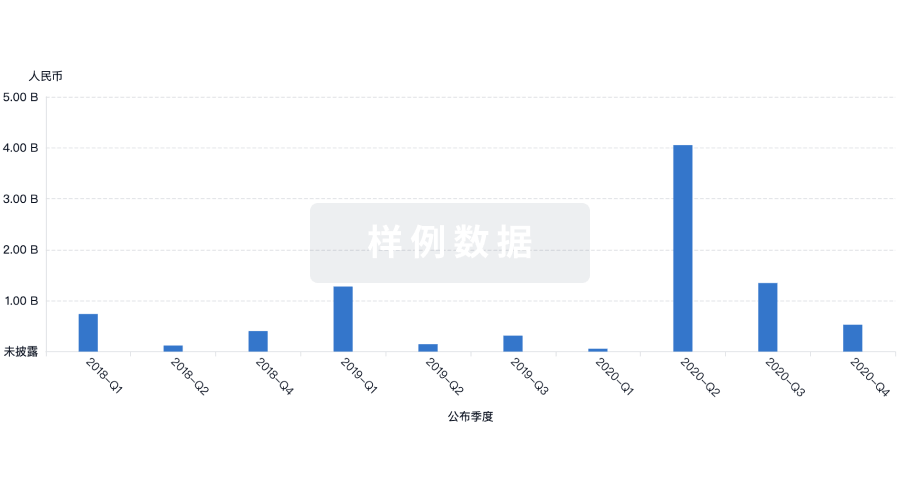
融资
发掘融资趋势以验证和推进您的投资机会。
登录
或
生物医药百科问答
全新生物医药AI Agent 覆盖科研全链路,让突破性发现快人一步
立即开始免费试用!
智慧芽新药情报库是智慧芽专为生命科学人士构建的基于AI的创新药情报平台,助您全方位提升您的研发与决策效率。
立即开始数据试用!
智慧芽新药库数据也通过智慧芽数据服务平台,以API或者数据包形式对外开放,助您更加充分利用智慧芽新药情报信息。
生物序列数据库
生物药研发创新
免费使用
化学结构数据库
小分子化药研发创新
免费使用