预约演示
更新于:2026-11-03

Zymedi Co. Ltd.
更新于:2026-11-03
概览
标签
呼吸系统疾病
消化系统疾病
其他疾病
小分子化药
单克隆抗体
抗体
疾病领域得分
一眼洞穿机构专注的疾病领域

技术平台
公司药物应用最多的技术
靶点
公司最常开发的靶点
关联
靶点 |
作用机制 |
在研机构 |
原研机构 |
在研适应症 |
非在研适应症 |
最高研发阶段 |
首次获批国家/地区 |
首次获批日期 |
靶点 |
作用机制 |
在研机构 |
原研机构 |
在研适应症 |
非在研适应症 |
最高研发阶段 |
首次获批国家/地区 |
首次获批日期 |


靶点 |
作用机制 |
在研机构 |
原研机构 |
在研适应症 |
非在研适应症 |
最高研发阶段 |
首次获批国家/地区 |
首次获批日期 |
NCT05967299
A Phase 1 Single-Ascending Dose Study to Evaluate the Safety, Tolerability and Pharmacokinetics of Intravenous ZMA001 in Healthy Subjects
100 项与 Zymedi Co. Ltd. 相关的临床结果
登录后查看更多信息
登录后查看更多信息
2026-07-24Bioanalysis
Electrochemiluminescence immunoassay for quantifying ZMA001 in human serum: method development, validation, and clinical pharmacokinetic application
Article
作者: Kwon, Nam Hoon ; Elinoff, Jason M. ; Arisa, Oluwatobi T. ; Figg, William D. ; Lanihun, Abdul-Azeez A. ; Cooper, Sandra ; Kim, Sunghoon ; Zeng, Yi ; Poczatek, Olivia
ZMA001 is a novel human IgG1 monoclonal antibody (mAb) specifically designed to target the N-terminal region of transmembrane lysyl-tRNA synthetase 1 (KARS1), an enzyme implicated in the pathobiology of pulmonary arterial hypertension. The study aimed to develop a bioanalytical method to quantify ZMA001 in human sera to support a phase 1 clinical trial (NCT05967299). An indirect Electrochemiluminescence Immunoassay (ECLIA) method was developed employing KARS1 antigen as the capture reagent and SULFOTAG goat antihuman antibody as the secondary antibody. The method was subsequently validated in accordance with relevant guidelines, including those of the International Council for Harmonization (ICH). The assay's quantification range was established at 0.5-50 µg/mL. The assay was accurate, precise, and selective for the determination of ZMA001 concentrations in human serum. Results revealed that ZMA001 was stable at room temperature for over 4 hours and could withstand multiple freeze-thaw cycles. No prozone/hook effect was apparent in the assay range. Based on preliminary pharmacokinetic data, the average maximum concentration is 41.8 μg/mL while the half-life is about 9.9 days. The method provides a rapid and sensitive approach for the quantitative assessment of ZMA001 in human serum and is well-suited for use in ongoing and future clinical studies.
Cellular & Molecular Immunology
Designing a tumor landscape-modifying vaccine with a unique TLR2/6 agonist for refractory pancreatic cancer
Article
作者: Park, Joohee ; Kim, Hyeong Yun ; Kim, Nayoung ; Kim, Seonghoon ; Kim, Uijoo ; Kim, Sunghoon ; Kim, Hyo Eun ; Do, Yoonju ; Song, Ee Chan ; Cho, Seongmin ; Ban, Hamin ; Suh, Ji Hun ; Lee, Hyun Seo ; Kong, Jiwon ; Kim, Sang Bum ; Yoon, Ina ; Hwang, Sunkyo ; Mun, Jeongwon ; Kwon, Eunhye ; Kang, Minju ; Min, Do Sik
Abstract:
Failure of cancer vaccines in clinical trials has been linked to poor preclinical translatability, immunosuppressive tumor microenvironments (TMEs), suboptimal antigen delivery to antigen-presenting cells, limited human MHC antigenicity, and insufficiently safe immune adjuvants. Therefore, this study aimed to design an integrated cancer vaccine and evaluate its efficacy in a KPC orthotopic pancreatic cancer model containing the G12D mutation. A novel immune adjuvant, C-VAX, was developed from the natural Toll-like receptor 2/6 agonist UNE-C1 and covalently linked to a KRAS
G12D
neoantigen and WNT5a, a tumor-associated antigen upregulated in resistant tumors. This integrated vaccine enhanced CD8⁺ T-cell infiltration and reduced α-SMA expression in the TME. The therapeutic effects were further enhanced following anti–PD-1 checkpoint blockade. These findings suggest that vaccines targeting tumor antigens and resistance-associated TME components may promote an immune-responsive TME in refractory cancers.
Frontiers in Immunology
Intratumoral delivery of mRNA encoding the endogenous TLR2/6 agonist UNE-C1 induces immunogenic cell death and enhances antitumor activity
Article
作者: Kim, Hyeong Yun ; Mun, Jeongwon ; Hwang, Sunkyo ; Cho, Seongmin ; Park, Joohee ; Kim, Sunghoon ; Suh, Ji Hun ; Kim, Nayoung ; Ban, Hamin ; Shin, Yungyeong ; Choi, Jihye ; Yoon, Ina ; Kim, Sang Bum ; Kwon, Hyuk-Sang ; Kim, Uijoo
Introduction:
Recent investigations have highlighted the intratumoral administration of Toll-like receptor (TLR) ligands as a promising approach to initiate localized immune responses and enhance antitumor immunity. However, the clinical application of these ligands is limited by their rapid dissemination from the tumor microenvironment, raising concerns about reduced effectiveness and systemic toxicity.
Methods:
To address these challenges, our study focused on the intratumoral delivery of mRNA encoding UNE-C1, a TLR2/6 ligand known for its efficacy and low toxicity profile. We explored the potential of UNE-C1 to induce immunogenic cell death (ICD) through autocrine mechanisms, facilitated by the release of damage-associated molecular patterns (DAMPs) triggered by TLR2 activation.
Results:
Our findings indicate that sensitivity to UNE-C1-induced cell death is dependent on the expression levels of TLR2 and the Fas-associated death domain (FADD) in cancer cells. Furthermore, we investigated the paracrine activation of dendritic cells (DCs) by UNE-C1 via TLR2 signaling, which primes a CD8+ T cell response essential for tumor regression.
Discussion:
Our results advocate for the intratumoral delivery of UNE-C1 via mRNA therapy as a promising strategy for innovative antitumor treatments.
2025-12-08
100 项与 Zymedi Co. Ltd. 相关的药物交易
登录后查看更多信息
100 项与 Zymedi Co. Ltd. 相关的转化医学
登录后查看更多信息
组织架构
使用我们的机构树数据加速您的研究。
登录
或
管线布局
2026年11月04日管线快照
管线布局中药物为当前组织机构及其子机构作为药物机构进行统计,早期临床1期并入临床1期,临床1/2期并入临床2期,临床2/3期并入临床3期
药物发现
2
4
临床前
临床1期
1
登录后查看更多信息
当前项目
登录后查看更多信息
药物交易
使用我们的药物交易数据加速您的研究。
登录
或
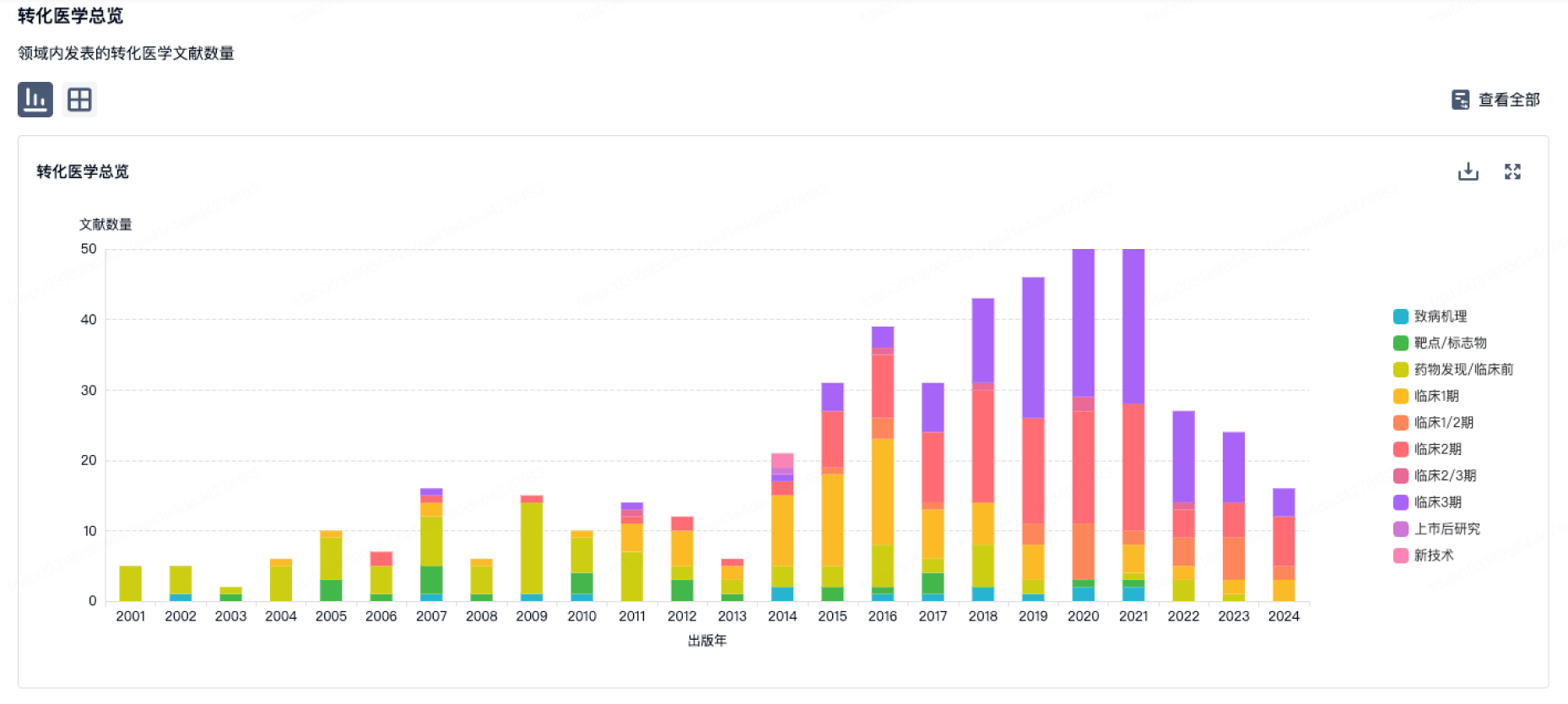
转化医学
使用我们的转化医学数据加速您的研究。
登录
或
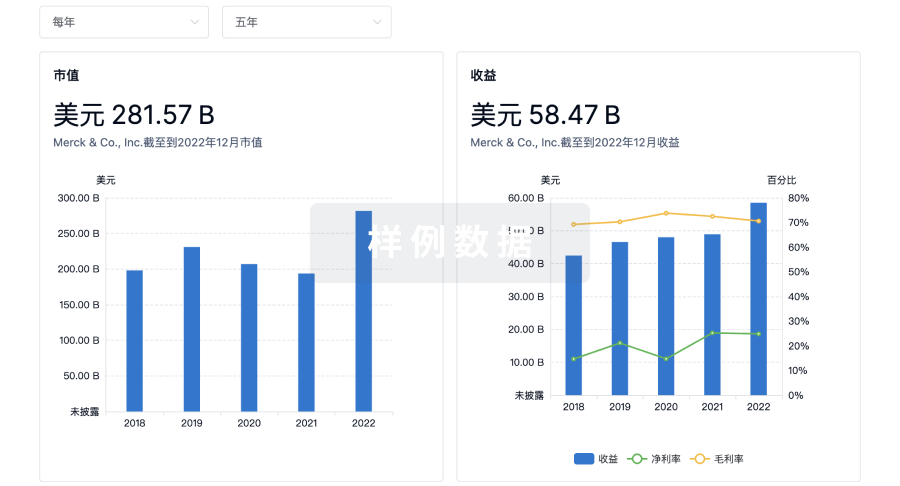
营收
使用 Synapse 探索超过 36 万个组织的财务状况。
登录
或
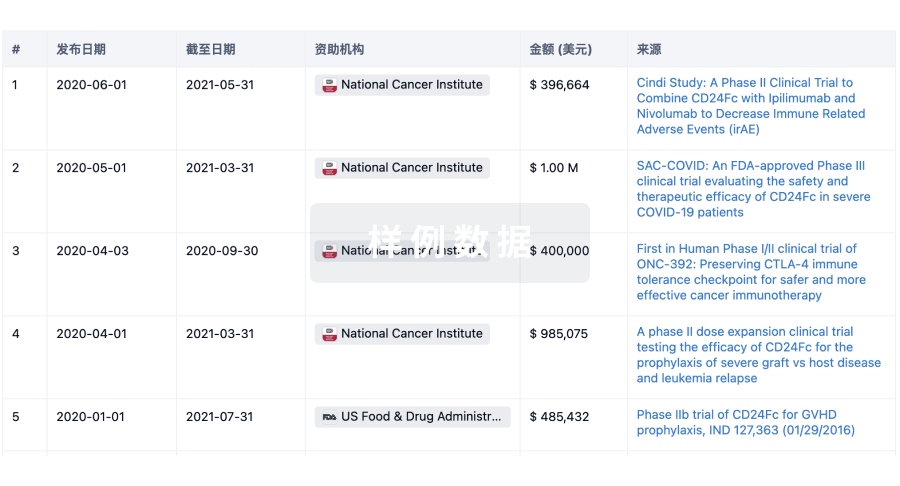
科研基金(NIH)
访问超过 200 万项资助和基金信息,以提升您的研究之旅。
登录
或
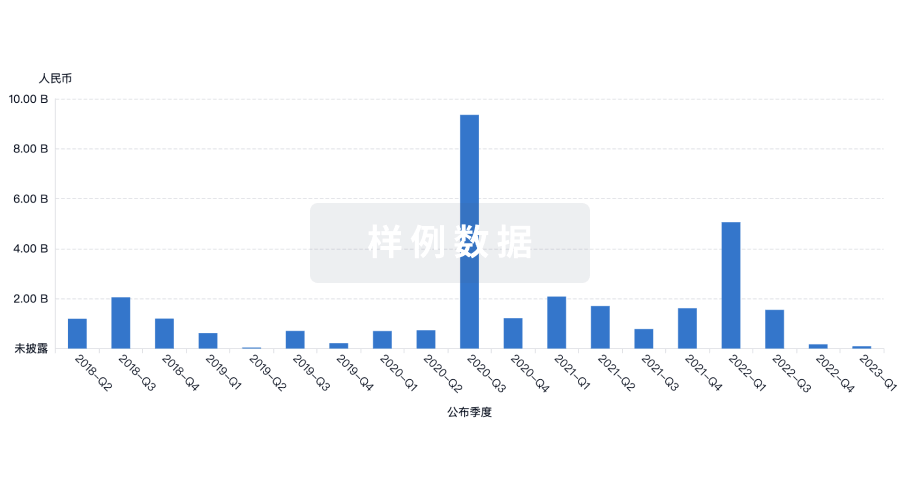
投资
深入了解从初创企业到成熟企业的最新公司投资动态。
登录
或
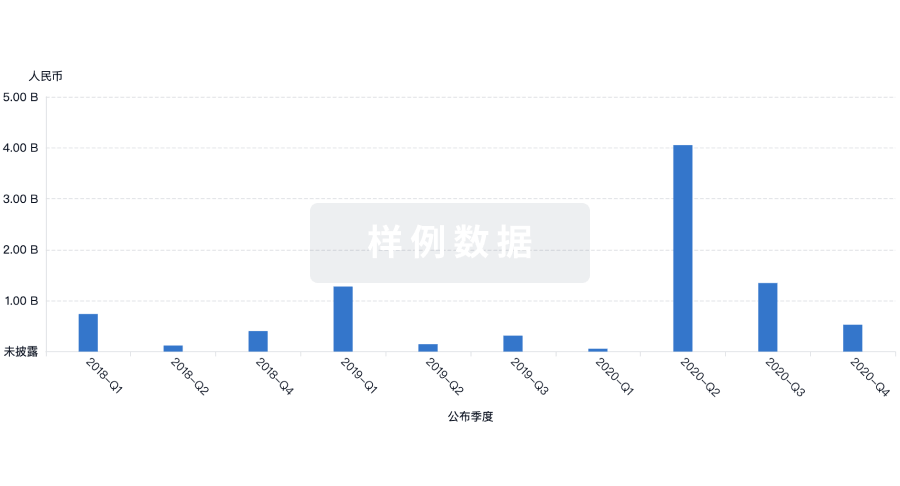
融资
发掘融资趋势以验证和推进您的投资机会。
登录
或
提出任何生物医药研究问题
让每一步生物医药决策都精准制胜
基于十亿级生物数据与全球情报的精准 AI,赋能早期药物发现
立即开始免费试用!
智慧芽新药情报库是智慧芽专为生命科学人士构建的基于AI的创新药情报平台,助您全方位提升您的研发与决策效率。
立即接入生物医药数据包
智慧芽新药库数据也通过智慧芽开放平台,以MCP或API服务形式对外开放。立即使用我们的MCP服务定制您的LLM智能体。
生物序列数据库
生物药研发创新
免费使用
化学结构数据库
小分子化药研发创新
免费使用