预约演示
更新于:2025-12-06

University of Maryland Eastern Shore
更新于:2025-12-06
概览
标签
神经系统疾病
小分子化药
疾病领域得分
一眼洞穿机构专注的疾病领域
技术平台
公司药物应用最多的技术
靶点
公司最常开发的靶点

暂无数据
关联
WO2023192814
专利挖掘靶点 |
作用机制 |
在研机构 |
原研机构 |
在研适应症 |
非在研适应症 |
最高研发阶段 |
首次获批国家/地区 |
首次获批日期 |
NCT06633367
Nature Dose Equity for Students

NCT06063837
The Implementation of a Community-health Focused Intervention Using Combined Aerobic and Resistance Training Protocols in a Group Setting
100 项与 University of Maryland Eastern Shore 相关的临床结果
登录后查看更多信息
登录后查看更多信息
2026-01-01JOURNAL OF VIROLOGICAL METHODS
In vitro modeling of human dorsal root ganglion neurons for GCaMP6-based calcium imaging of sensory responses to HSV-1 infection
Article
作者: Liu, Jia ; Bullock, Brandon ; Ai, Jinglu ; Chen, Yu-Chih ; Hsia, S Victor ; Ogbeh, Daniel I ; Okoh, Justin ; Qiang, Yuhao
Dorsal root ganglion (DRG) neurons play a pivotal role in transmitting sensory information from the periphery to the central nervous system, mediating diverse stimuli such as pain, touch, and temperature. Despite advances, translating findings from rodent models to human applications remains challenging due to species-specific differences, necessitating reliable human DRG neuron models. The immortalized human DRG neuronal cell line HD10.6, derived from embryonic DRG cells and capable of differentiating into functional nociceptive-like neurons, offers a promising in vitro system for studying sensory neuron biology and drug screening. This study explores the utility of GCaMP6s, a genetically encoded calcium indicator, as a molecular tool for imaging sensory activation in HD10.6 cells. To establish HD10.6 as a robust human DRG model, we constructed and characterized adeno-associated virus (AAV9) vectors for efficient GCaMP6s delivery. Differentiated HD10.6 cells were efficiently transduced, and calcium dynamics were validated to assess functional responses to sensory stimuli. The results showed that AAV9 serotype was sufficient to infect HD10.6 and the GCaMP6s was successfully introduced into the cells. The HD10.6-GCaMP6s responded to capsaicin well under the appropriate condition. A series of viral infection studies indicated that herpesvirus HSV-1 triggered robust calcium influx within 5 min after the exposure to the virus. Our findings highlight the potential of GCaMP6s-expressing HD10.6 cells as a high-throughput platform for studying nociception, neuronal signaling, host cell responses to viruses, and therapeutic interventions, bridging the gap between preclinical research and clinical applications.
2025-12-01JOURNAL OF CLINICAL IMMUNOLOGY
DOCK2 Deficiency and GATA2 Haploinsufficiency Can Underlie Critical Coronavirus Disease 2019 (COVID-19) Pneumonia
Article
作者: Tabatabaiefar, Mohammad Amin ; Zhang, Qian ; Rahimi, Hamid ; Vahidnezhad, Fatemeh ; Moghaddam, Atefeh Sohanforooshan ; Gudjonsson, Johann E ; Khorram, Erfan ; Babaei, Sharareh ; Jouanguy, Emmanuelle ; Vahidnezhad, Hassan ; Tsoi, Lam C ; Abtahi-Naeini, Bahareh ; Shahrooei, Mohammad ; Sherkat, Roya ; Youssefian, Leila ; Homayouni, Vida ; Cobat, Aurélie ; Rahimi, Maziyar ; Zaresharifi, Shirin ; Casanova, Jean-Laurent ; Hakonarson, Hakon ; Béziat, Vivien ; Mozafari, Nikoo ; Saeidian, Amir Hossein ; Biglari, Sajjad ; Mohaghegh, Fatemeh
The life-threatening coronavirus disease 2019 (COVID-19) affects about 1 in 1,000 healthy people under 50 without underlying conditions. Among patients with critical COVID-19 pneumonia, rare germline variants at genes controlling type I IFN immunity have been reported in up to 5% of patients. Causal etiologies in 80-85% of cases are still unknown. We analyzed two families with hypoxemic COVID-19 pneumonia for known single-gene inborn errors of immunity. In Family 1, two siblings with critical COVID-19 were homozygous for a DOCK2 variant, c.3624+5G>A. DOCK2 deficiency is a known T-cell disorder underlying severe viral diseases. The variant resulted in skipping exon 35, which was predicted to produce a frameshift truncated protein (p.L1157Ifs*12). The proband showed markedly decreased blood CD4 T-helper cell counts, impaired T lymphocyte transformation test, and increased serum IgG, IgA, and IgE levels, as documented in other DOCK2-deficient patients. In Family 2, the proband had lethal COVID-19 and HPV-2-associated multiple recalcitrant warts. She was heterozygous for a deletion in GATA2:c.1075_1102del28, p.W360Sfs*18. GATA2 haploinsufficiency is a known cause of severe viral diseases due to a lack of plasmacytoid dendritic cell (pDC) development. The proband had monocytopenia and a lack of circulating pDCs, as reported in other patients with GATA2 haploinsufficiency. Overall, both DOCK2 deficiency and GATA2 haploinsufficiency are associated with critical and often fatal COVID-19 pneumonia.
2025-11-18ACS Omega
Article
作者: Bratley, Keith ; Weaver, William ; Cable, Ezra E. ; Volkis, Victoria V.
Since the 15th century, scientists have been working to address biofouling, the accumulation of biofilm on submerged surfaces, like ships and buoys. Key stages in this process include bacterial precipitation and radical polymerization of bacteria's metabolites. Along with corrosion and extended fuel consumption by ships, biofilm also contributes to ecological changes by spreading invasive bacterial species across the world when segments of biofilm are detached from moving ships. Historically, effective antifouling solutions have been toxic to marine ecosystems and are now banned in many regions, including the US. While recently developed highly hydrophobic polymers have promise, they are currently expensive and challenging for technology transfer.As an alternative solution, nontoxic formulations have been studied for antifouling coatings that utilize organic renewable superfruits, medicinal herbs, and nonbiofilm-forming algae rich in antioxidants and/or essential oils and terpenes, combined with biocompatible polymers. It is hypothesized that antibacterial essential oils and terpenes would prevent precipitation and growth of bacteria on the protected surfaces, while antioxidants, which are natural free radical scavengers, would significantly slow down polymerization processes in the biofilms. This study focuses on formulations created with extracts of A. mitshurinii, known for its high antioxidant concentrations. Current short-term results indicate that A. mitschurnii serves as an effective antifouling agent in both freshwater and saltwater, but with a higher performance in freshwater environments. The influence of bacteria and phytochemical concentrations will be discussed, along with the current antifouling methodology and postsurface analysis.
100 项与 University of Maryland Eastern Shore 相关的药物交易
登录后查看更多信息
100 项与 University of Maryland Eastern Shore 相关的转化医学
登录后查看更多信息
组织架构
使用我们的机构树数据加速您的研究。
登录
或
管线布局
2026年02月08日管线快照
管线布局中药物为当前组织机构及其子机构作为药物机构进行统计,早期临床1期并入临床1期,临床1/2期并入临床2期,临床2/3期并入临床3期
药物发现
1
登录后查看更多信息
当前项目
登录后查看更多信息
药物交易
使用我们的药物交易数据加速您的研究。
登录
或
转化医学
使用我们的转化医学数据加速您的研究。
登录
或
营收
使用 Synapse 探索超过 36 万个组织的财务状况。
登录
或
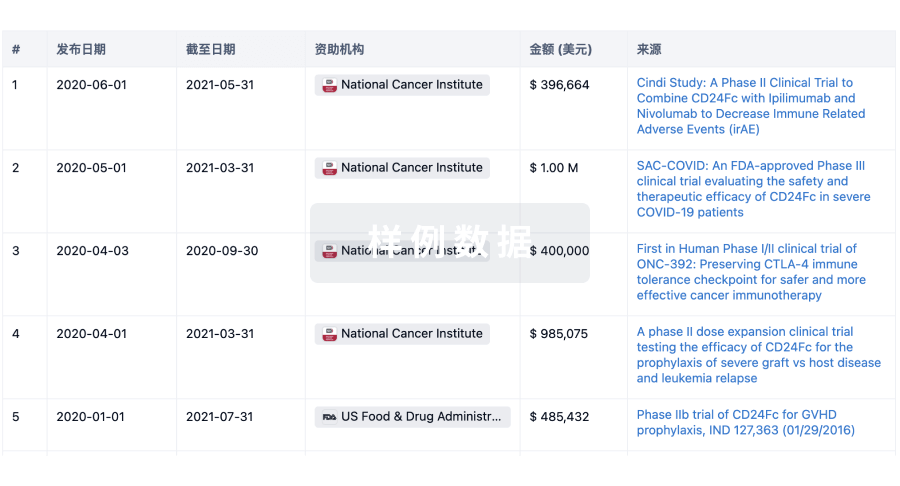
科研基金(NIH)
访问超过 200 万项资助和基金信息,以提升您的研究之旅。
登录
或
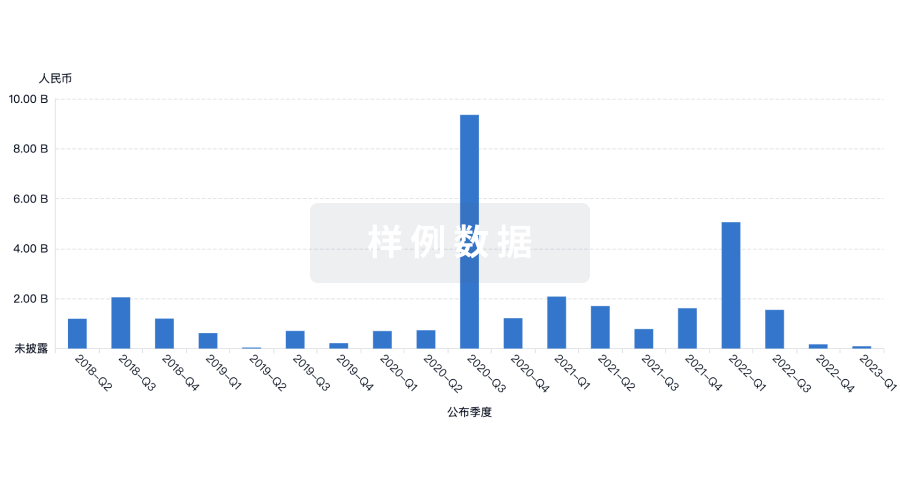
投资
深入了解从初创企业到成熟企业的最新公司投资动态。
登录
或
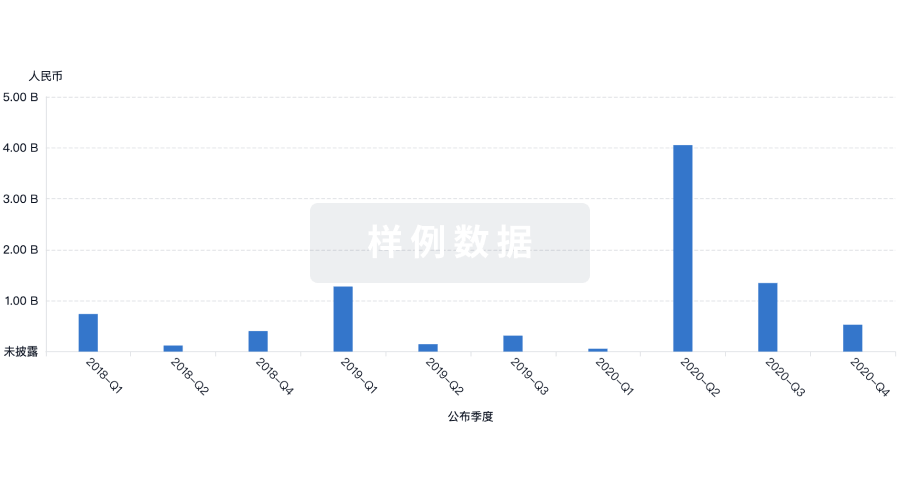
融资
发掘融资趋势以验证和推进您的投资机会。
登录
或
生物医药百科问答
全新生物医药AI Agent 覆盖科研全链路,让突破性发现快人一步
立即开始免费试用!
智慧芽新药情报库是智慧芽专为生命科学人士构建的基于AI的创新药情报平台,助您全方位提升您的研发与决策效率。
立即开始数据试用!
智慧芽新药库数据也通过智慧芽数据服务平台,以API或者数据包形式对外开放,助您更加充分利用智慧芽新药情报信息。
生物序列数据库
生物药研发创新
免费使用
化学结构数据库
小分子化药研发创新
免费使用