预约演示
更新于:2026-03-08

University of Malta
更新于:2026-03-08
概览
关联
NCT06898827
Distraction Therapy Using Virtual Reality in Patients Undergoing Cardiac Rehabilitation: Effects on Cardiac Efficiency, Anxiety and Exercise Tolerance
NCT06395493
A 12-week Pilates Programme for Low Back Pain: Perceived and Actual Outcomes
NCT06774066
High Volume Image Guided Injection in Mid Portion Achilles Tendinopathy
100 项与 University of Malta 相关的临床结果
登录后查看更多信息
登录后查看更多信息
2026-04-01BIORESOURCE TECHNOLOGY
Green seaweed Ulva spp. bioprocessing: Bioactive molecules, emerging extraction technologies, and industrial applications in the circular bioeconomy
Review
作者: Barba, Francisco J ; Zammit, Gabrielle ; Unal, Dilek ; Guttman, Lior ; Domingues, Rosario ; Koseoglu-Yilmaz, Pelin ; Mapelli-Brahm, Paula ; Wichard, Thomas ; Loureiro, Joana A ; Hutarova, Lenka ; Meléndez Martínez, Antonio J
Ulva spp., commonly known as sea lettuce, are versatile green macroalgae that offer strong potential for integration into emerging blue and circular bioeconomies. Ulva is a fast-growing and nutrient-tolerant species that produces renewable biomass rich in bioactive compounds with economic potential. This review summarizes advances in the characterization, extraction, and industrial utilization of Ulva biomass, highlighting opportunities for scalable biorefinery approaches. Key bioactive classes include sulfated polysaccharides (ulvans), proteins and peptides, polyunsaturated fatty acids, pigments, and phenolic compounds, which exhibit diverse antioxidant, antimicrobial, and anti-inflammatory properties. Recent developments in green extraction technologies, such as ultrasound-, microwave-, and enzyme-assisted methods, as well as supercritical fluids and deep eutectic solvents, have improved yields in processing Ulva biomass while reducing environmental impact. Beyond laboratory studies, industrial applications are expanding across the food, cosmetic, pharmaceutical, and biomaterial sectors, supported by growing interest in sustainable marine ingredients. However, challenges remain in biomass standardization, taxonomy, large-scale cultivation, and regulatory approval. Integrating Ulva within a circular bioeconomy requires harmonized methodologies and life-cycle assessments to ensure economic and environmental sustainability. Ulva spp. combine rapid growth, carbon capture, and a unique spectrum of bioactive compounds, making them a versatile and scalable marine feedstock for sustainable, circular biorefineries across food, health, and material applications.
2026-02-01IEEE Journal of Biomedical and Health Informatics
Prediction Consistency and Confidence-Based Proxy Domain Construction for Privacy-Preserving in Cross-Subject EEG Classification
Article
作者: Cichocki, Andrzej ; Kong, Wanzeng ; Lu, Bao-Liang ; Li, Junhua ; Peng, Yong ; Liu, Honggang ; Liu, Jiangchuan ; Padfield, Natasha
Domainadaptation has proven effective for suppressing the inter-subject variability problem in cross-subject EEG classification tasks in which labeled data is available for source subjects while only unlabeled data is provided for target subjects. Existing domain adaptation methods typically reduced the distribution discrepancy between source and target domains by directly utilizing source domain samples or features. To safeguard the privacy of source domain data, we propose to construct a Proxy Domain by simultaneously considering the prediction Consistency and Confidence (PDCC) of locally trained source models on target EEG samples, serving as the substitute to the source domain. The framework commences with the augmentation and alignment of the source domain data to enhance feature generalizability, after which source models are trained independently on each source subject's data in a decentralized manner. Knowledge transfer from source to target domains is achieved exclusively through accessing to the source domain model, enabling the PDCC-based proxy domain construction that encapsulates the source knowledge. Finally, domain adaptation is performed using the proxy domain and target domain. As a result, PDCC eliminates the need to access source domain data while effectively leveraging source knowledge. Experimental results on four benchmark EEG datasets demonstrate that PDCC consistently outperforms eleven existing methods, including several advanced transfer learning and source-free methods. Especially, the effectiveness of the proxy domain is extensively investigated.
2026-02-01Blood vessels, thrombosis & hemostasis
Exploring blood transcriptional signatures for thrombosis diagnosis in critically ill patients with COVID-19
Article
作者: de Jong, Menno D ; Cristella, Cosimo ; Aynekulu Mersha, Daniel G ; Dalibor, Niculina ; van Willigen, Hugo D G ; Endeman, Henrik ; Raadsen, Matthijs P ; Gommers, Diederik A M P J ; Hofstra, Jorrit J ; van Leeuwen, Sarah ; van Gorp, Eric C M ; Juffermans, Nicole P ; Koopmans, Marion P G ; Fraaij, Pieter L A ; Toliat, Mohammad R ; de Haan, Karen ; van den Akker, Johannes P C ; Scicluna, Brendon P
COVID-19 has revealed novel pathological mechanisms, particularly hypercoagulability, which leads to increased thrombotic risk in critically ill patients. This study investigates transcriptional signatures associated with thrombosis development in patients with COVID-19 in the intensive care unit and evaluates their predictive potential. We performed whole-blood transcriptional profiling of 57 mechanically ventilated patients with COVID-19, comparing those with thrombotic complications (TC; n = 36) with those without (non-TC, n = 21) using differential gene expression and machine learning approaches. Patients with TC showed greater transcriptome disruption and 283 differentially expressed genes compared with patients without TC. Key features included enhanced neutrophil activation, inflammatory responses, and monocyte activation alongside suppressed lymphocyte function. An orthogonal partial least squares discriminant analysis model achieved excellent classification performance (area under the curve [AUC] = 0.961; 95% confidence interval, 0.905-0.997). The maltase-glucoamylase (MGAM) gene was the top discriminatory biomarker outperforming traditional clinical markers such as D-dimer and C-reactive protein (AUC, 0.94). TC in critically ill patients with COVID-19 are characterized by distinct transcriptional signatures reflecting heightened neutrophil activation and inflammatory dysregulation. MGAM represents a novel potential biomarker that outperforms traditional clinical markers for identifying patients at high thrombotic risk, offering new opportunities for personalized risk stratification and management in severe COVID-19.
2023-04-17
·生物探索
100 项与 University of Malta 相关的药物交易
登录后查看更多信息
100 项与 University of Malta 相关的转化医学
登录后查看更多信息
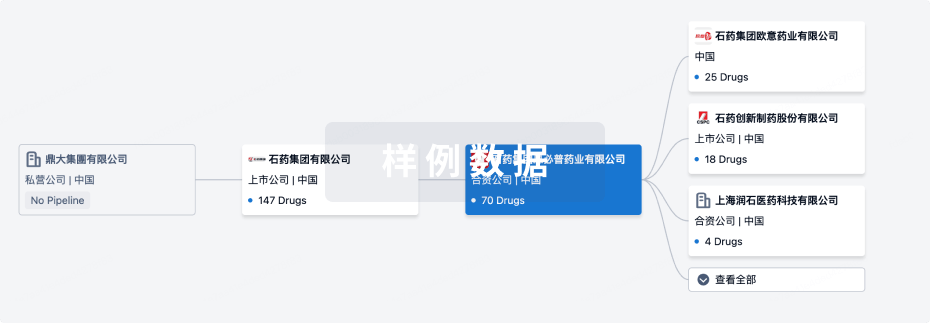
组织架构
使用我们的机构树数据加速您的研究。
登录
或
管线布局
2026年10月14日管线快照
无数据报导
登录后保持更新
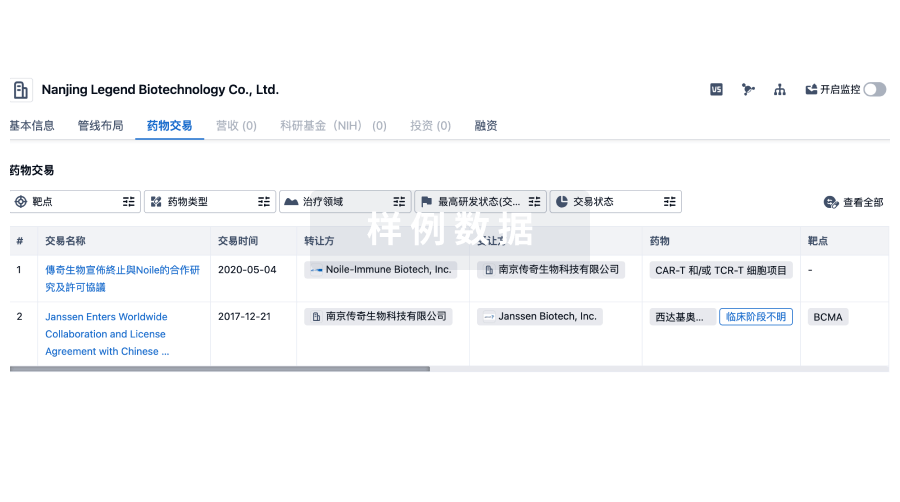
药物交易
使用我们的药物交易数据加速您的研究。
登录
或
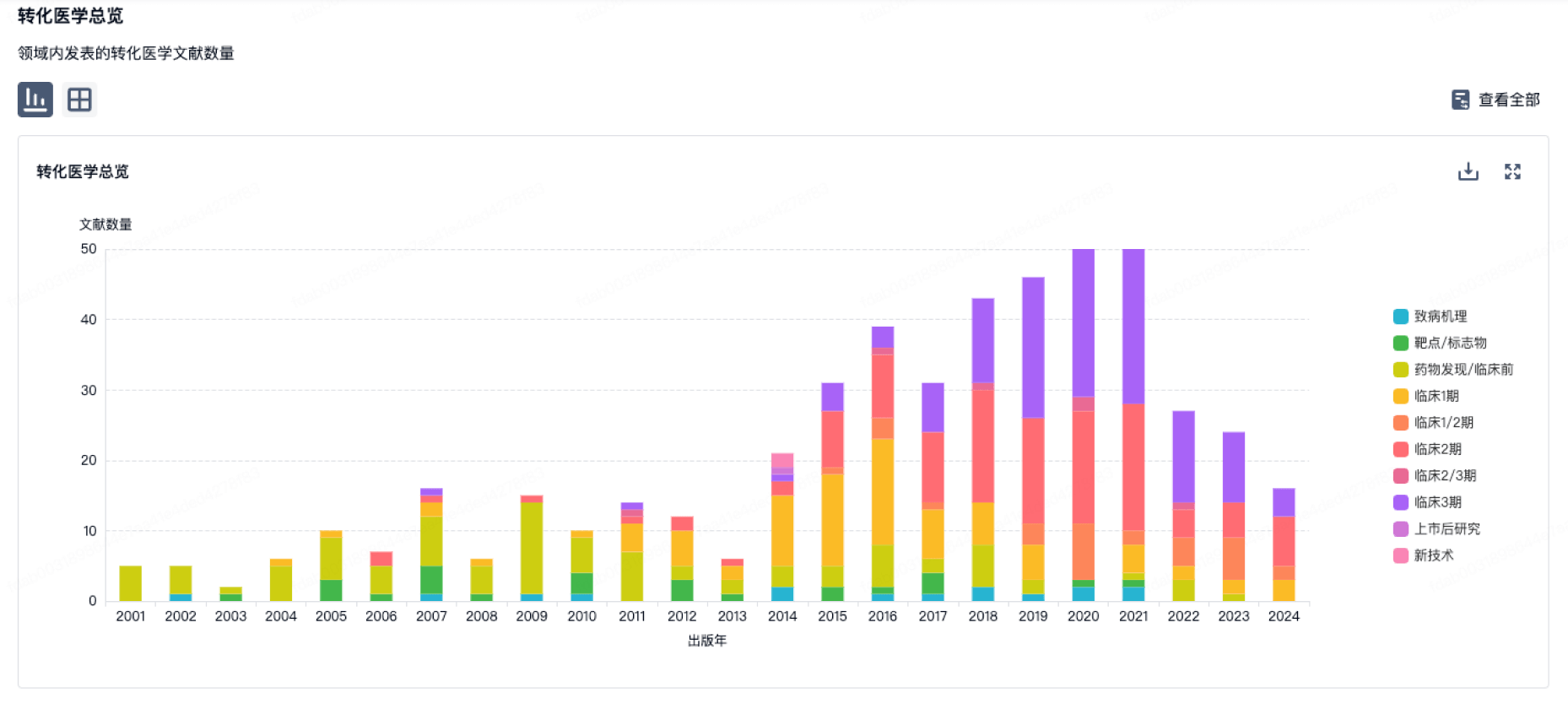
转化医学
使用我们的转化医学数据加速您的研究。
登录
或
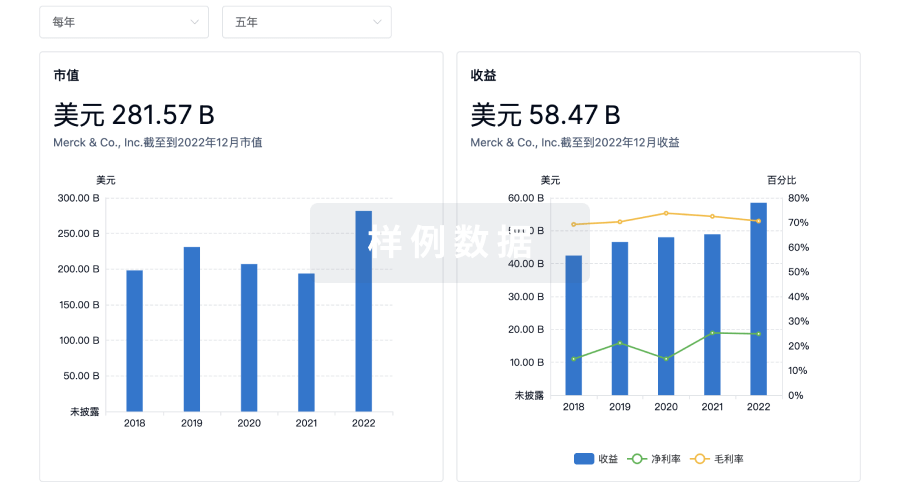
营收
使用 Synapse 探索超过 36 万个组织的财务状况。
登录
或
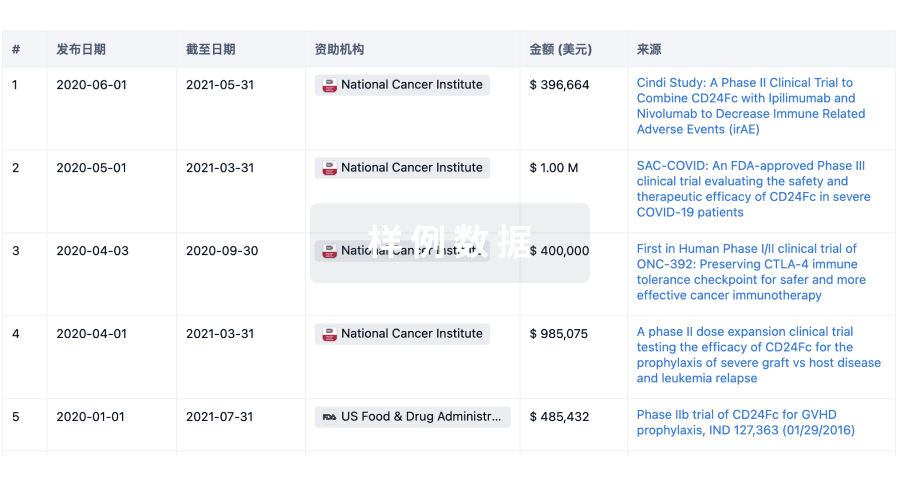
科研基金(NIH)
访问超过 200 万项资助和基金信息,以提升您的研究之旅。
登录
或
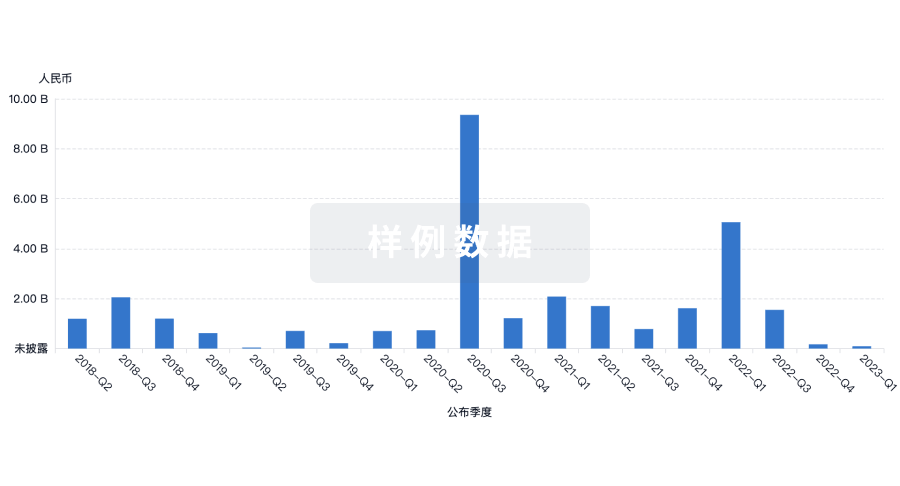
投资
深入了解从初创企业到成熟企业的最新公司投资动态。
登录
或
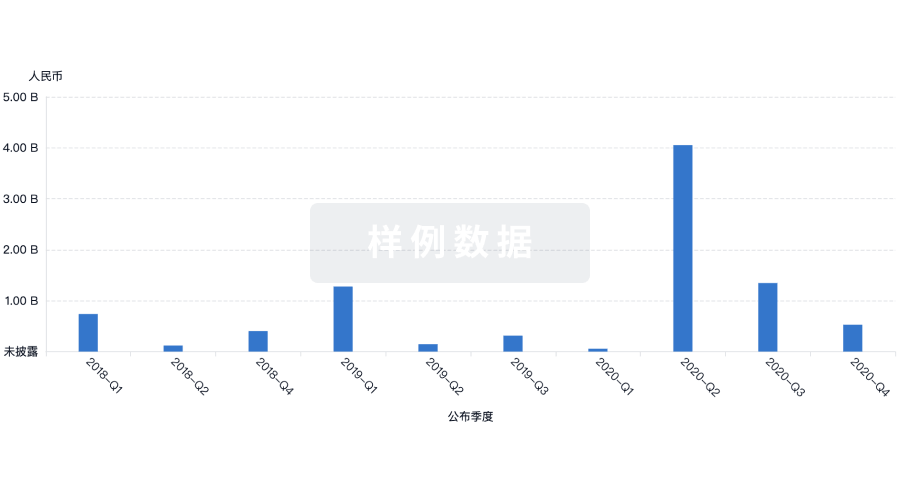
融资
发掘融资趋势以验证和推进您的投资机会。
登录
或
提出任何生物医药研究问题
让每一步生物医药决策都精准制胜
基于十亿级生物数据与全球情报的精准 AI,赋能早期药物发现
立即开始免费试用!
智慧芽新药情报库是智慧芽专为生命科学人士构建的基于AI的创新药情报平台,助您全方位提升您的研发与决策效率。
立即接入生物医药数据包
智慧芽新药库数据也通过智慧芽开放平台,以MCP或API服务形式对外开放。立即使用我们的MCP服务定制您的LLM智能体。
生物序列数据库
生物药研发创新
免费使用
化学结构数据库
小分子化药研发创新
免费使用