预约演示
更新于:2025-12-08

Universidad Juarez Autonoma de Tabasco
更新于:2025-12-08
概览
关联
ACTRN12623001311640
Effects of early time-restricted eating on metabolic control and circadian rhythm markers in subjects with obesity
NCT05503303
Clinical Characteristics in Adults With Type 1 Diabetes, Metabolic Syndrome and Insulin Resistance
NCT05235672
Detection of Latent Autoimmune Diabetes in Adults, Clinical and Metabolic Profile in Patients Treated at the Diabetes Clinic in a Hospital in the Mexican Southeast.
100 项与 Universidad Juarez Autonoma de Tabasco 相关的临床结果
登录后查看更多信息
登录后查看更多信息
2026-01-01INTERNATIONAL JOURNAL OF LAW AND PSYCHIATRY
Validity and reliability of Mexican version of MacArthur competence assessment tool for treatment decision (MacCAT-T) in patients with schizophrenia
Article
作者: Arienti-González, J Mónica ; Robles-García, Rebeca ; Fresán, Ana ; Tovila-Zárate, Carlos-Alfonso ; Martínez-López, J Nicolás I ; Saracco-Alvarez, Ricardo-Arturo
BACKGROUND:
The MacArthur Competence Assessment Tool for Treatment (MacCAT-T), a semi-structured interview, is designed to evaluate patient decision-making capacity, a crucial aspect of patient-physician interaction.
METHODS:
A process study was undertaken of a sample of Mexicans diagnosed with schizophrenia aged between 18 and 50 years to determine the validity and reliability of the MacCAT-T in this population. A ROC curve was plotted to obtain discriminant validity, convergent validity was tested with the VAGUS scale and internal consistency was obtained as a measure of reliability.
RESULTS:
Adequate sensitivity (0.95) and specificity (0.75) were obtained with a cut-off point of seven. Significant correlations were observed between the MacCAT-T and the VAGUS scales (r = 0.54 and r = 0.76, p < 0.05), indicative of adequate convergent validity. Internal consistency values were 0.93 for the total score and over 0.80 for all its dimensions.
CONCLUSION:
This study demonstrated that the MacCAT-T is a valid, reliable tool that can be used to assess decision-making capacity in Mexican patients with schizophrenia, which could have a heuristic value for promoting ethical clinical and research practices designed to achieve the crucial balance between patient autonomy and safeguarding.
2025-11-01Atencion Primaria
Electrocardiographic evaluation in healthy Mexican students
Article
作者: Guzmán Priego, Crystell Guadalupe ; Baeza Flores, Guadalupe Del Carmen ; Celorio Méndez, Karla Del Socorro ; Baños González, Manuel Alfonso ; Dervil Arroyo, Chesnel Alberon ; Quiroz Gómez, Sergio
2025-11-01TROPICAL ANIMAL HEALTH AND PRODUCTION
Can the body weight of Black Belly sheep be predicted using equations for Pelibuey sheep?
Article
作者: Arcos-Álvarez, Darwin Nicolas ; Barrientos-Medina, Roberto Carlos ; Chay-Canul, Alfonso Juventino ; Vázquez-Martínez, Ignacio ; Dias-Silva, Tairon Pannunzio ; Chaves Gurgel, Antonio Leandro ; Gastelum-Delgado, Miguel Ángel ; Ponce-Covarrubias, José Luis ; Dzib-Cauich, Dany Alejandro
100 项与 Universidad Juarez Autonoma de Tabasco 相关的药物交易
登录后查看更多信息
100 项与 Universidad Juarez Autonoma de Tabasco 相关的转化医学
登录后查看更多信息
组织架构
使用我们的机构树数据加速您的研究。
登录
或
管线布局
2026年02月07日管线快照
无数据报导
登录后保持更新
药物交易
使用我们的药物交易数据加速您的研究。
登录
或

转化医学
使用我们的转化医学数据加速您的研究。
登录
或
营收
使用 Synapse 探索超过 36 万个组织的财务状况。
登录
或
科研基金(NIH)
访问超过 200 万项资助和基金信息,以提升您的研究之旅。
登录
或
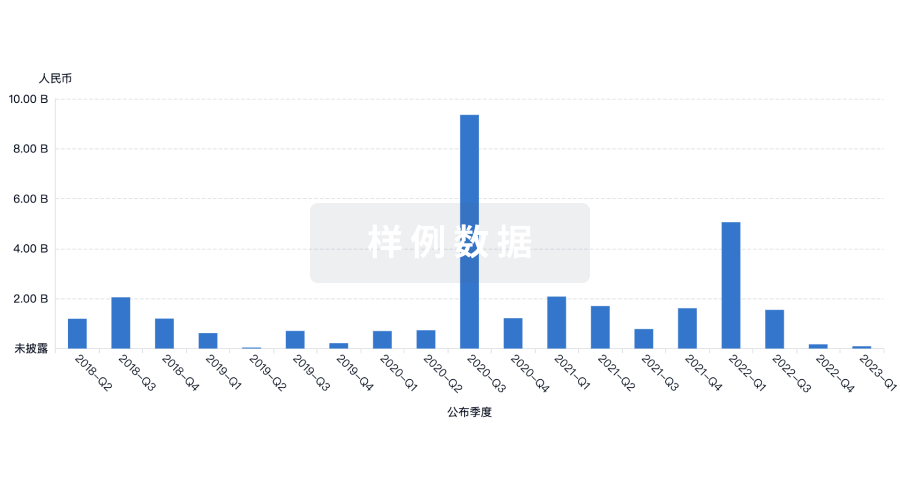
投资
深入了解从初创企业到成熟企业的最新公司投资动态。
登录
或
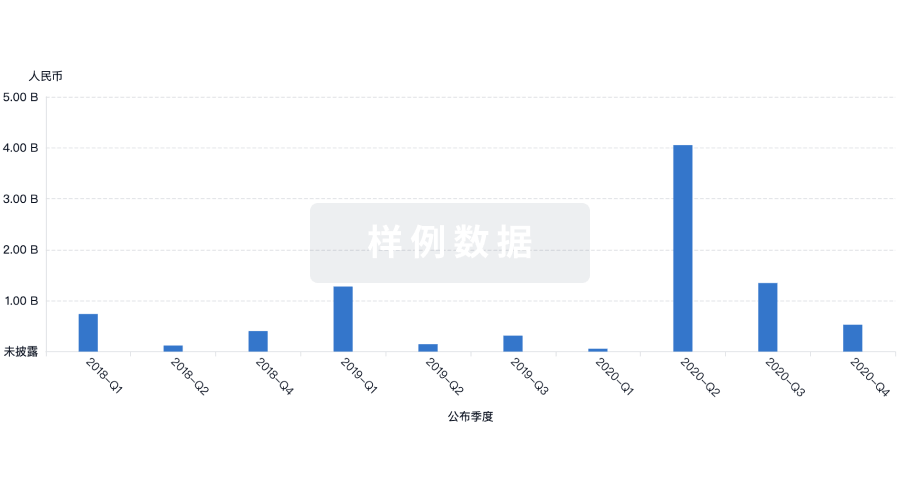
融资
发掘融资趋势以验证和推进您的投资机会。
登录
或
生物医药百科问答
全新生物医药AI Agent 覆盖科研全链路,让突破性发现快人一步
立即开始免费试用!
智慧芽新药情报库是智慧芽专为生命科学人士构建的基于AI的创新药情报平台,助您全方位提升您的研发与决策效率。
立即开始数据试用!
智慧芽新药库数据也通过智慧芽数据服务平台,以API或者数据包形式对外开放,助您更加充分利用智慧芽新药情报信息。
生物序列数据库
生物药研发创新
免费使用
化学结构数据库
小分子化药研发创新
免费使用