预约演示
更新于:2026-03-08

Allama Iqbal Medical College
更新于:2026-03-08
概览
关联
NCT07423156
Comparison of Efficacy of Tranexamic Acid Versus Vasopressin in Blood Loss Among Placenta Previa Patients Undergoing Cesarean Section
NCT07334587
Comparison of Efficacy and Safety Between FOLFOX-6 and CAPOX in Metastatic Colorectal Carcinoma
NCT07121764
Comparison of Post-Operative Analgesia With Bupivacaine Alone Versus Bupivacaine and Dexmedetomidine, in Caudal Block for Infra-Umbilical Surgeries in Children
100 项与 Allama Iqbal Medical College 相关的临床结果
登录后查看更多信息
登录后查看更多信息
2026-05-01Anaesthesia Critical Care & Pain Medicine
Perioperative ketamine or esketamine for acute postoperative pain after laparoscopic cholecystectomy: A systematic review and meta-analysis with meta-regression
Review
作者: Ahmad, Eeman ; Akram, Umar ; Raza, Muhammad Ahmed ; Ashraf, Hamza ; Qazi, Muhammad Saeed ; Surani, Salim ; Fatima, Eeshal ; Chaudhary, Ahmed Jamal ; Rehman, Fasih Khalil Ur ; Abdul Rehman, Khawaja ; Ratnani, Iqbal
BACKGROUND:
This systematic review and meta-analysis investigated the effectiveness and safety of perioperative ketamine/esketamine in patients undergoing laparoscopic cholecystectomy (LC).
METHODS:
A literature search was conducted across Medline, Embase, Google Scholar, and clinicaltrials.gov until April 2025. Forty-eight randomized controlled trials (RCTs) comparing ketamine/esketamine with a control in LC patients and assessing postoperative pain scores were included. Statistical analysis was performed using R.
RESULTS:
This review included a total of 48 RCTs (n = 3508). Pooled analysis revealed that intervention significantly reduced postoperative pain at 4 (mean difference [MD]: -1.11, I² = 97.8%, p = 0.044, very low-certainty evidence) and 6 h (MD: -0.40, I² = 86.1%, p = 0.019, very low-certainty evidence), 24-h opioid consumption (MD: -4.10, I² = 98.3%, p = 0.024, very low-certainty evidence) and need for rescue analgesia (risk ratios [RR]: 0.64, I² = 36%, p = 0.006, very low-certainty evidence) compared to the control. According to subgroup analysis on the basis of regimen, esketamine significantly reduced postoperative pain at 1 (MD: -0.67, I² = 0%, p = 0.034) and 2 h (MD: -0.91, I² = 79.3%, p = 0.008). Ketamine significantly reduced 24-h opioid consumption (MD: -5.35, I² = 96%, p = 0.01) and the need for rescue analgesia (RR: 0.64, I² = 41.7%, p = 0.011). Safety analysis revealed the significantly increased risk of hallucinations, diplopia, and nystagmus with the intervention.
CONCLUSION:
With a very low level of certainty, this meta-analysis demonstrated that ketamine/esketamine might help reduce acute postoperative pain and postoperative opioid needs in patients undergoing LC. Furthermore, ketamine may slightly increase the risk of some adverse events. However, dose-related meta-regression for adverse events was not performed due to inconsistent reporting across studies.
REGISTRATION:
PROSPERO (CRD420251035913).
2026-04-01JOURNAL OF VASCULAR AND INTERVENTIONAL RADIOLOGY
Endovenous Microwave Ablation versus Radiofrequency Ablation for Lower Limb Varicose Veins: A Systematic Review and Meta-Analysis
Review
作者: Jahanzeb, Ahmed ; Javed, Abdullah ; Javed, Dawood ; Jajja, Faran Ahmed ; Nadeem, Arsalan
PURPOSE:
To compare the effectiveness and safety of endovenous microwave ablation (MWA) versus radiofrequency ablation (RFA) for treating lower limb varicose veins (LLVVs).
MATERIALS AND METHODS:
A comprehensive search of PubMed, Embase, Scopus, and Web of Science databases identified relevant randomized controlled trials (RCTs) and observational studies comparing MWA and RFA for LLVV. Primary endpoints were occlusion rates and quality of life (QoL). Secondary outcomes included hospitalization days, procedural time, blood loss, and adverse events (AEs). Study quality was assessed using Cochrane Risk of Bias Tool and Newcastle-Ottawa scale. A random-effects meta-analysis was conducted with Review Manager 5.4 (The Cochrane Collaboration, Copenhagen, Denmark), including a leave-one-out sensitivity analysis.
RESULTS:
Four studies (1 RCT and 3 cohort studies) with 887 patients (436 who underwent MWA and 451 who underwent RFA) were included. At 1 month, occlusion rates were 100% for both; at 1 year, the pooled occlusion rates remained similarly high (MWA, 97.5%; RFA, 98.0%), with no significant difference observed between groups (odds ratio, 0.80; 95% CI, 0.33-1.92; P = .620; I2 = 0%). QoL scores also showed no significant difference between techniques at 1 year. For secondary outcomes, both procedures demonstrated comparable effectiveness (hospitalization days and procedural time) and AE rates. Sensitivity analysis favored RFA, with fewer hospitalization days (mean difference [MD], 0.14; 95% CI, 0.01-0.27; P = .050; I2 = 0%) and shorter procedural time (MD, 8.68; 95% CI, 6.45-10.90; P < .00001; I2 = 38.0%).
CONCLUSIONS:
MWA and RFA are safe and highly effective for treating LLVV, demonstrating similar 1-year occlusion rates (97.5% vs 98.0%) and low clinical severity scores.
2026-04-01INTERNATIONAL JOURNAL OF MEDICAL INFORMATICS
When artificial intelligence guides and misguides clinicians: A critical appraisal of AI recommendation correctness and diagnostic decision-making
Letter
作者: Tahir, Hasan Nawaz ; Yousaf, Muhammad ; Ali, Yousaf ; Khan, Muhammad Kamran ; Khan, Anfal ; Javed, Shahnila
100 项与 Allama Iqbal Medical College 相关的药物交易
登录后查看更多信息
100 项与 Allama Iqbal Medical College 相关的转化医学
登录后查看更多信息
组织架构
使用我们的机构树数据加速您的研究。
登录
或
管线布局
2026年08月03日管线快照
无数据报导
登录后保持更新
药物交易
使用我们的药物交易数据加速您的研究。
登录
或
转化医学
使用我们的转化医学数据加速您的研究。
登录
或
营收
使用 Synapse 探索超过 36 万个组织的财务状况。
登录
或
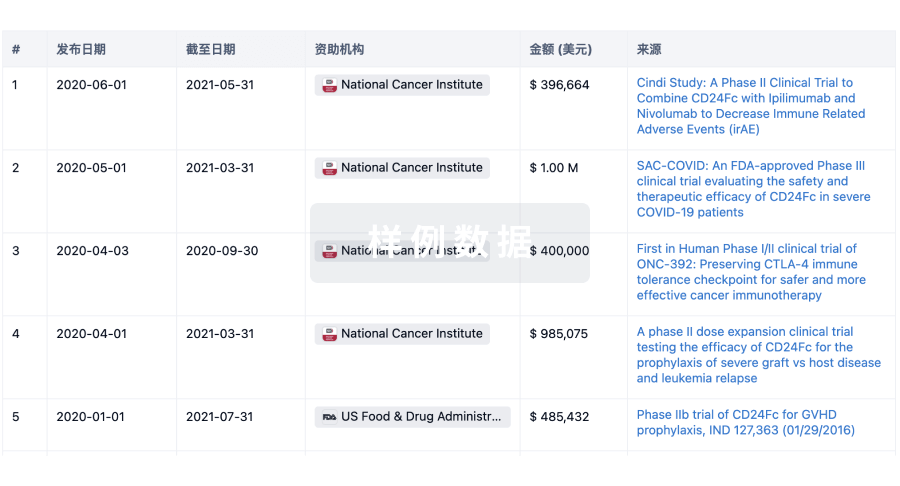
科研基金(NIH)
访问超过 200 万项资助和基金信息,以提升您的研究之旅。
登录
或
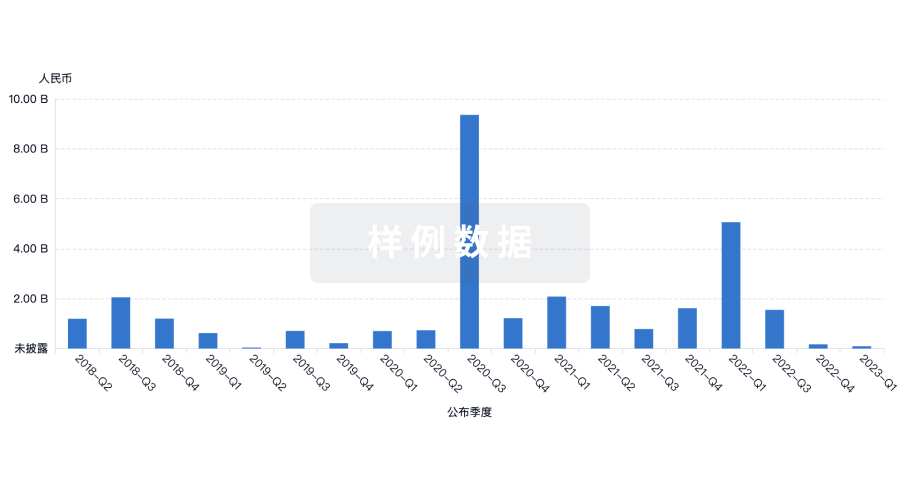
投资
深入了解从初创企业到成熟企业的最新公司投资动态。
登录
或
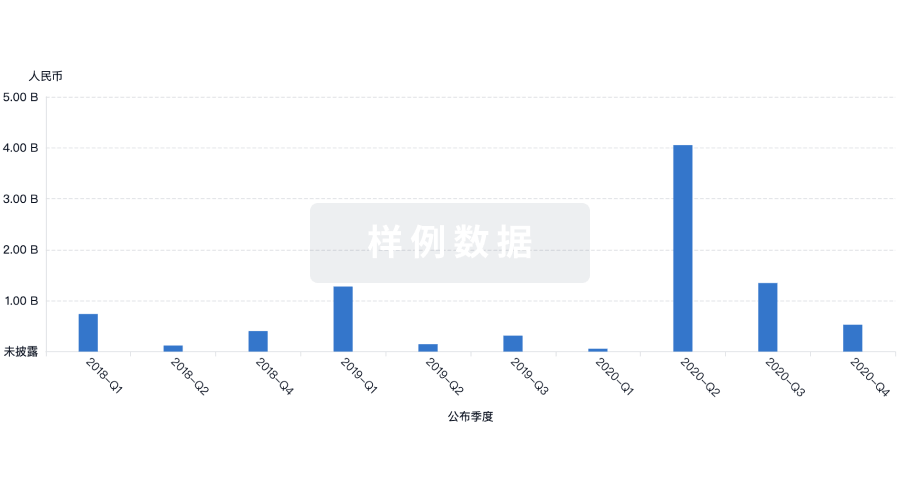
融资
发掘融资趋势以验证和推进您的投资机会。
登录
或
芽仔
全新生物医药AI Agent 覆盖科研全链路,让突破性发现快人一步
立即开始免费试用!
智慧芽新药情报库是智慧芽专为生命科学人士构建的基于AI的创新药情报平台,助您全方位提升您的研发与决策效率。
立即开始数据试用!
智慧芽新药库数据也通过智慧芽数据服务平台,以API或者数据包形式对外开放,助您更加充分利用智慧芽新药情报信息。
生物序列数据库
生物药研发创新
免费使用
化学结构数据库
小分子化药研发创新
免费使用