预约演示
更新于:2025-12-22

Universidad Autónoma de Nuevo León
更新于:2025-12-22
概览
标签
肿瘤
皮肤和肌肉骨骼疾病
小分子化药
疾病领域得分
一眼洞穿机构专注的疾病领域
技术平台
公司药物应用最多的技术
靶点
公司最常开发的靶点

暂无数据
关联
靶点 |
作用机制 |
在研机构 |
原研机构 |
在研适应症 |
非在研适应症 |
最高研发阶段 |
首次获批国家/地区 |
首次获批日期 |

NCT06824922
Be Yourself" Educational Intervention With Web Page and Chatbot to Promote Self-determined Motivation and Prevent Teenage Pregnancy: Pilot Trial.
NCT06861478
In-Hospital Morbidity Associated With Proton Pump Inhibitors in Acute Variceal Bleeding and Chronic Liver Disease Treatment
NCT06617299
Cognitive-Behavioral Intervention Targeting Mothers to Increase Practice of Responsive Feeding and Maintain Healthy Weight in Infants Minors
100 项与 Universidad Autónoma de Nuevo León 相关的临床结果
登录后查看更多信息
登录后查看更多信息
2026-02-01JOURNAL OF ONCOLOGY PHARMACY PRACTICE
Dexamethasone desensitization in type III hypersensitivity reaction and multiple myeloma
Article
作者: Hodoyan-Leal, Mónica Elizabeth ; García-Soto, Diana Laura ; Vidal-Gutiérrez, Oscar ; Villarreal-González, Rosalaura ; de la Fuente, Leslie Astrid ; Gómez-De León, Andrés ; Varela-Constantino, Ana Laura
Introduction:
Multiple myeloma (MM) is a hematologic cancer characterized by the accumulation of monoclonal plasma cells in the bone marrow. Dexamethasone is included in preferred regimens for primary therapy for both transplant-eligible and transplant-ineligible candidates. To date, type III hypersensitivity reactions to dexamethasone have not been previously reported.
Case report:
A 61-year-old man diagnosed with multiple myeloma received treatment with bortezomib and dexamethasone, achieving complete remission. In 2017, he experienced his first relapse and was managed with bortezomib, thalidomide, and dexamethasone. In 2019, his regimen was changed to carfilzomib, which was subsequently discontinued due to hematologic toxicity. In 2022, he presented with relapse and an ankle fracture, leading to the suspension of treatment. In 2023, carfilzomib and dexamethasone were restarted at lower doses. During intravenous and oral dexamethasone treatment, the patient developed skin lesions on his lower extremities, and, following evaluation by the Allergy and Immunology team, drug-induced vasculitis was diagnosed.
Management and outcome:
Given the need to reintroduce dexamethasone due to the lack of alternative therapeutic options, a dexamethasone desensitization protocol was implemented. A 5-step delayed desensitization protocol was successfully performed, with no reactivation of vasculitic lesions.
Discussion:
Although desensitization is generally contraindicated in type III hypersensitivity reactions, no prior cases of successful desensitization in dexamethasone-induced vasculitis have been reported. This is the first reported case of successful desensitization in a patient with dexamethasone-induced vasculitis. A limitation of this case report is that the mechanisms underlying drug tolerance remain unknown.
2026-02-01ARCHIVES OF MEDICAL RESEARCH
Long chain ceramides promote Anxiety-like behavior and microglia activation in female mice
Article
作者: Flores-Maldonado, Orlando ; Corona-Castillo, Juan Carlos ; Cruz-Carrillo, Gabriela ; Camacho-Morales, Alberto ; Becerril-García, Miguel ; Bernal-Vega, Sofía
BACKGROUND:
Long-chain ceramides have been implicated in anxiety-like behavior and in priming microglial activation, suggesting a possible lipid-immune crosstalk in emotional regulation.
METHODS:
We systemically administered a mixture of C16:0, C18:0, C22:0, C24:0, and C24:1 ceramides to adult male and female mice. Anxiety-like behavior was assessed with behavioral tests. Microglial phenotypes in the cortex, hippocampus, and striatum were evaluated via flow cytometry. Regression models examined associations between behavior and immune markers. In vitro assays assessed phagocytosis, gene expression, mitochondrial potential, and ROS production in microglia after ceramide exposure.
RESULTS:
Female, but not male, mice showed anxiety-like behavior after ceramide treatment. CD86+ microglia increased in the cortex, while CD206+ microglia decreased across brain regions. Behavioral scores correlated with CD86+ cells in cortex and CD206+ cells in hippocampus. In vitro, ceramides enhanced phagocytosis and induced NLRP3 and TNF-α expression. Ceramides also reduced mitochondrial potential and increased ROS in microglia.
CONCLUSIONS:
Ceramide administration was associated with anxiety-like behavior in female mice, along with changes in microglial activation. These effects appear to be associated with mitochondrial dysfunction and oxidative stress, suggesting a lipid-immune interaction that could contribute to anxiety vulnerability.
2026-02-01MICROBIOLOGICAL RESEARCH
Cellular responses of Aspergillus sydowii to growth at extreme chaotropic concentrations of MgCl2
Article
作者: Sánchez-Castellanos, Nilda Del C ; Gunde-Cimerman, Nina ; Aréchiga-Carbajal, Elva ; Del Rayo Sánchez-Carbente, María ; Gostinčar, Cene ; Gesto-Borroto, Reinier ; Cabral-Miramontes, Juán ; Moreno-Perlín, Tonatiuh ; Pérez-Llano, Yordanis ; Batista-García, Ramón Alberto ; de León, Lyselle Ruíz ; González-Abradelo, Deborah
Studies on microbial adaptations to salt stress, particularly in fungi, have focused mainly on high concentrations of NaCl. The effects of other inorganic salts on biological systems are much less well known. This study investigates the effects of MgCl2 (0-2.0 M), a chaotropic salt, on the halophilic fungus Aspergillus sydowii (EXF-12860) and compares these results with those obtained with the kosmotropic NaCl. While A. sydowii thrived at MgCl2 concentrations previously considered lethal (up to 2.0 M), differences in morphological, physiological, metabolic, and molecular responses were observed. At 0.5-1.0 M, growth rates were similar under both salts, but higher MgCl2 concentrations (1.5-2.0 M) significantly inhibited growth, reduced hyphal elongation, and decreased cell density. During growth in the presence of NaCl, a wide range of carbon sources was utilized, but high MgCl2 interfered with substrate metabolism and uncoupled growth from metabolic activity. Both salts induced the production of compatible solutes (glycerol, erythritol), with higher accumulation under MgCl2. Oxidative stress responses were also stronger under MgCl2, including increased catalase and glutathione peroxidase activity. Transcriptomic analyses revealed significant changes in gene expression under MgCl2 stress, with upregulation of ion transport, cell wall remodelling, glycerol biosynthesis, and oxidative defense pathways. In contrast, NaCl triggered responses focused on osmotic balance and maintenance of cell integrity. These findings emphasize the need for a deeper investigation of microbial tolerance mechanisms in chaotropic environments.
2023-02-01
100 项与 Universidad Autónoma de Nuevo León 相关的药物交易
登录后查看更多信息
100 项与 Universidad Autónoma de Nuevo León 相关的转化医学
登录后查看更多信息
组织架构
使用我们的机构树数据加速您的研究。
登录
或
管线布局
2026年10月16日管线快照
管线布局中药物为当前组织机构及其子机构作为药物机构进行统计,早期临床1期并入临床1期,临床1/2期并入临床2期,临床2/3期并入临床3期
临床前
1
登录后查看更多信息
当前项目
登录后查看更多信息
药物交易
使用我们的药物交易数据加速您的研究。
登录
或
转化医学
使用我们的转化医学数据加速您的研究。
登录
或
营收
使用 Synapse 探索超过 36 万个组织的财务状况。
登录
或
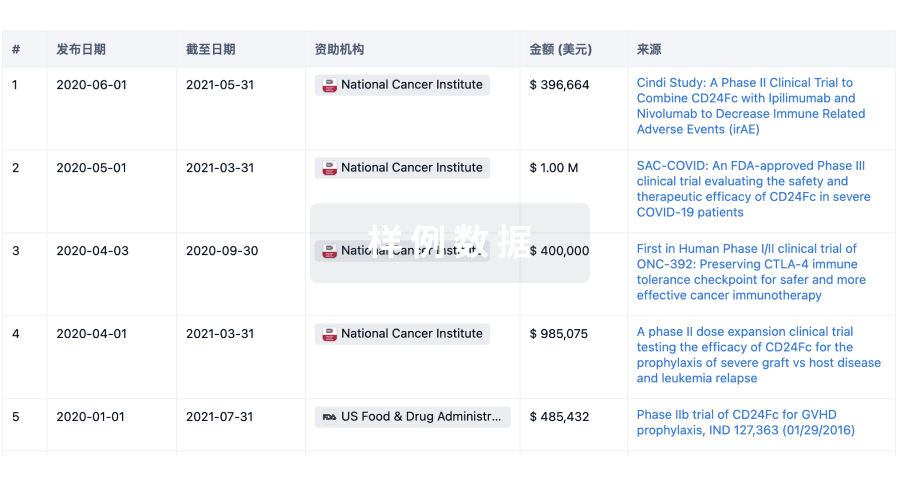
科研基金(NIH)
访问超过 200 万项资助和基金信息,以提升您的研究之旅。
登录
或
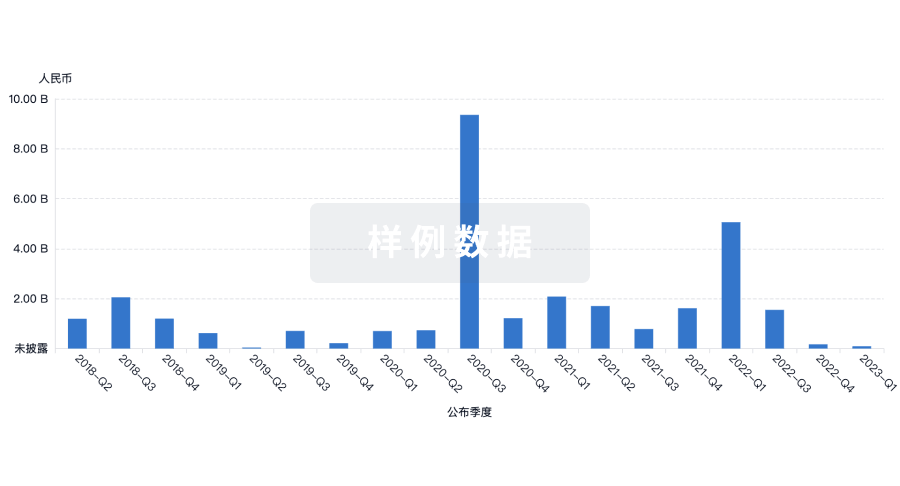
投资
深入了解从初创企业到成熟企业的最新公司投资动态。
登录
或
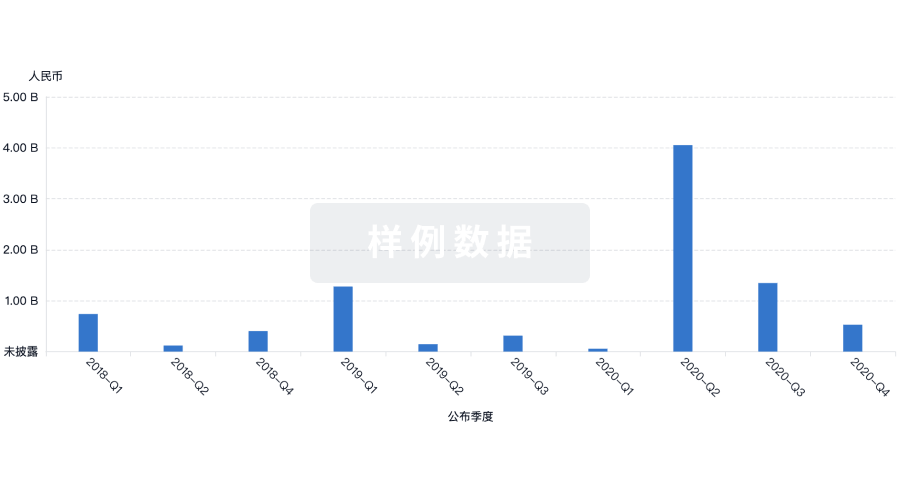
融资
发掘融资趋势以验证和推进您的投资机会。
登录
或
提出任何生物医药研究问题
让每一步生物医药决策都精准制胜
基于十亿级生物数据与全球情报的精准 AI,赋能早期药物发现
立即开始免费试用!
智慧芽新药情报库是智慧芽专为生命科学人士构建的基于AI的创新药情报平台,助您全方位提升您的研发与决策效率。
立即接入生物医药数据包
智慧芽新药库数据也通过智慧芽开放平台,以MCP或API服务形式对外开放。立即使用我们的MCP服务定制您的LLM智能体。
生物序列数据库
生物药研发创新
免费使用
化学结构数据库
小分子化药研发创新
免费使用