预约演示
更新于:2025-05-07

University of Uyo
更新于:2025-05-07
概览
关联
PACTR202002462358066
Standardized Corn-Soy Blend with Nutrition Education versus Nutrition Education Alone in Community-based Management of Children Under Five Years of Age with Moderate Acute Malnutrition: A Randomized Controlled Clinical Trial
100 项与 University of Uyo 相关的临床结果
登录后查看更多信息
登录后查看更多信息
2025-06-01Waste Management
Cereal processing by-products and wastewater for sustainable protein extraction
Article
作者: Sharma, Nitya ; Tiwari, Brijesh K ; Pojić, Milica ; Esua, Okon Johnson ; Bhardwaj, Aastha
2025-04-10Energy & Fuels
Decoupled Water Electrolysis at High Current Densities Using a Solution-Phase Redox Mediator
Article
作者: Symes, Mark D. ; Mbang Eze, Obeten ; Ertekin, Zeliha
2025-04-01Natural Product Communications
Glucosyl Xanthone, d-Idopyranoside, Fatty Acid and Isoprene Derivatives as New Anti-Malarial Compounds Targeting
Plasmodium Falciparum
Thymidine Monophosphate Kinase (PfTMPK)
作者: Eseyin, Olorunfemi ; Isienyi, Casmir ; Okoroiwu, Henshaw ; Joseph, Akaninyene ; Iwara, Praise ; Umoaffia, Nikita ; Asanga, Edet ; Edet, Tonia ; Ani, Deborah ; Akpan, Mfon ; Ufot, Usenobong ; Edet, Uwem ; Kolawole, Olamide ; Nkang, Ani ; Okokon, Jude ; Essang, Samuel ; Samuel, Goodnews ; Nelson, Promise
100 项与 University of Uyo 相关的药物交易
登录后查看更多信息
100 项与 University of Uyo 相关的转化医学
登录后查看更多信息
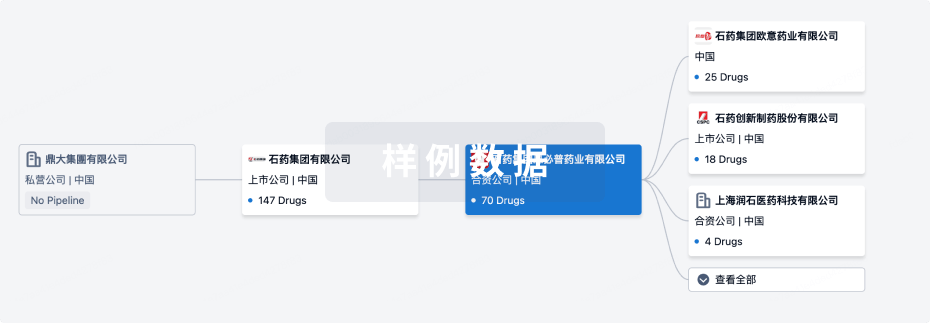
组织架构
使用我们的机构树数据加速您的研究。
登录
或
管线布局
2026年02月09日管线快照
无数据报导
登录后保持更新
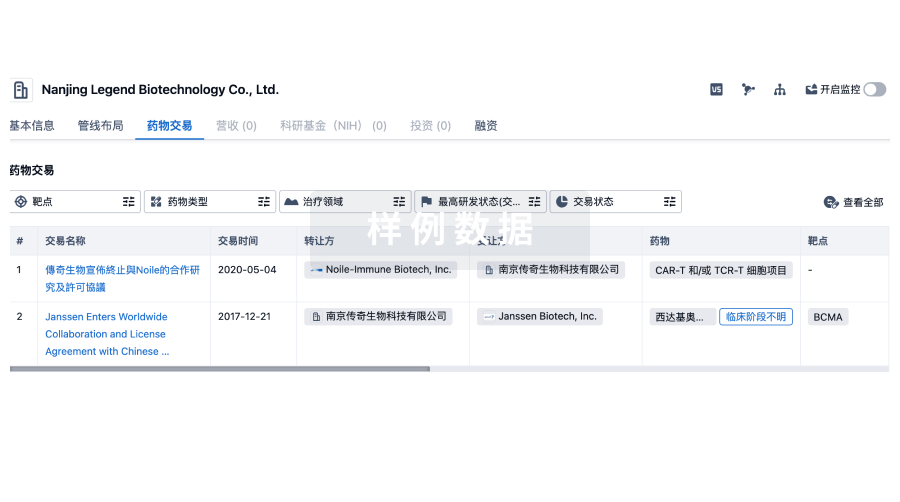
药物交易
使用我们的药物交易数据加速您的研究。
登录
或
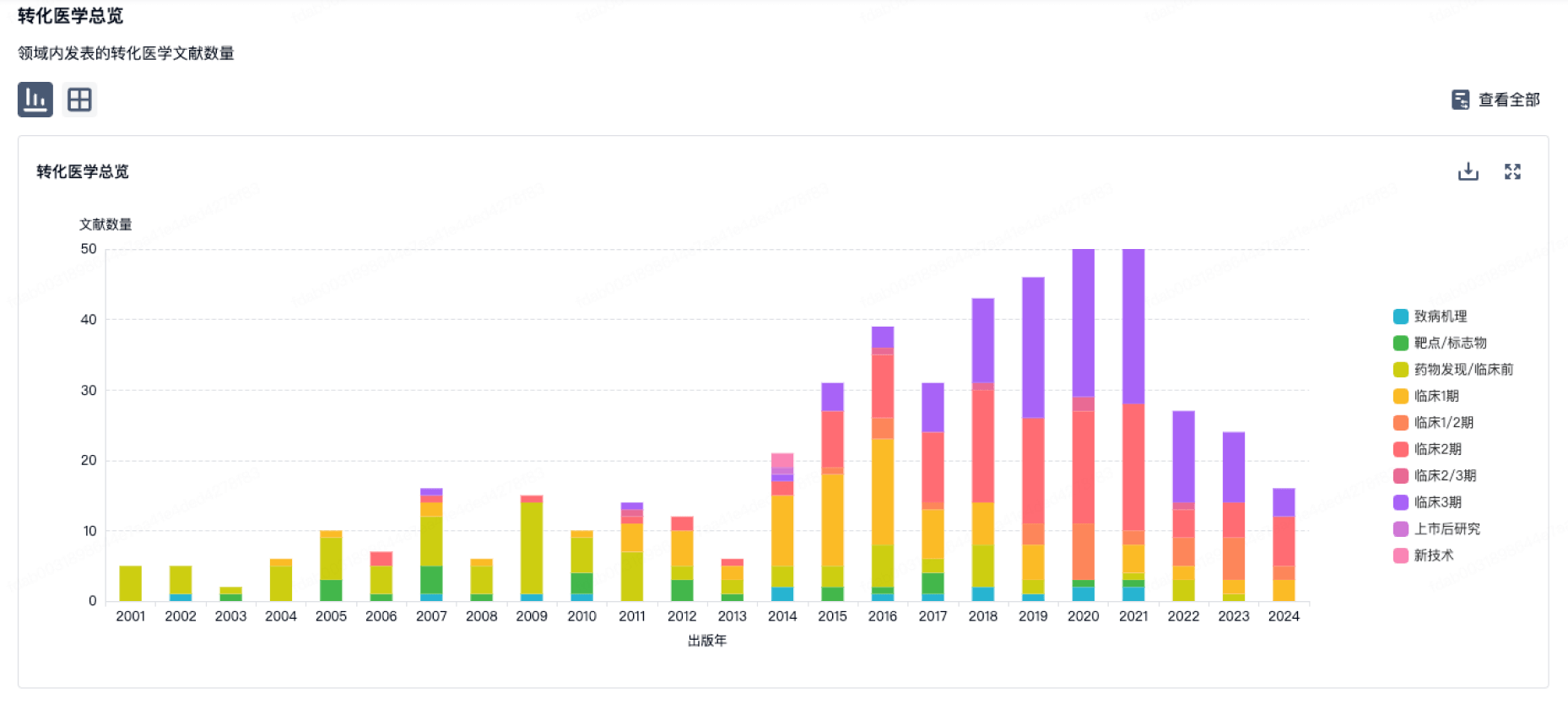
转化医学
使用我们的转化医学数据加速您的研究。
登录
或
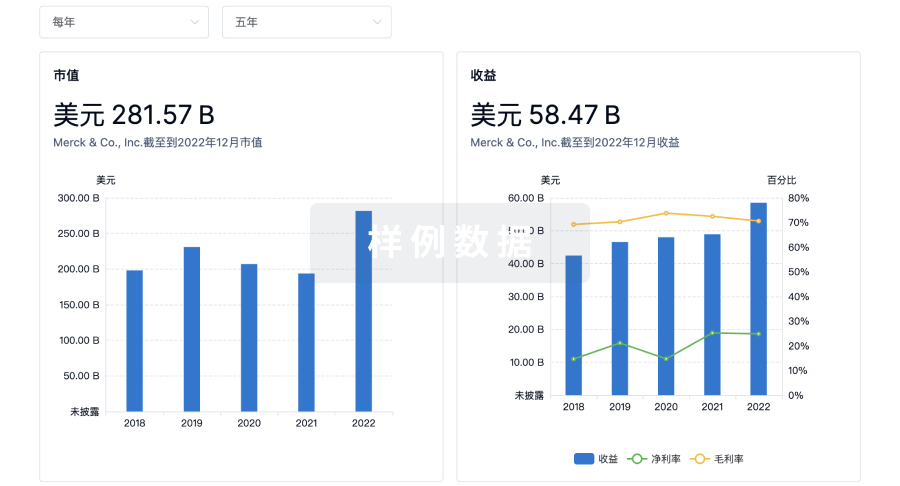
营收
使用 Synapse 探索超过 36 万个组织的财务状况。
登录
或
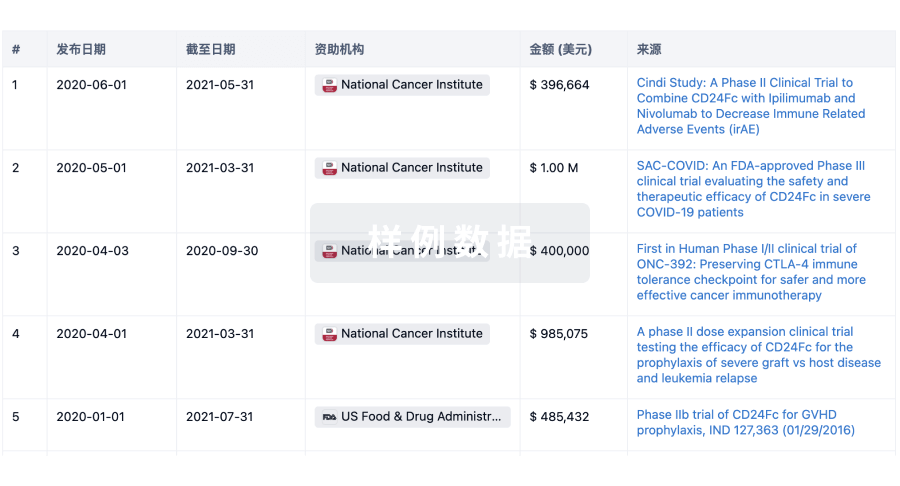
科研基金(NIH)
访问超过 200 万项资助和基金信息,以提升您的研究之旅。
登录
或
投资
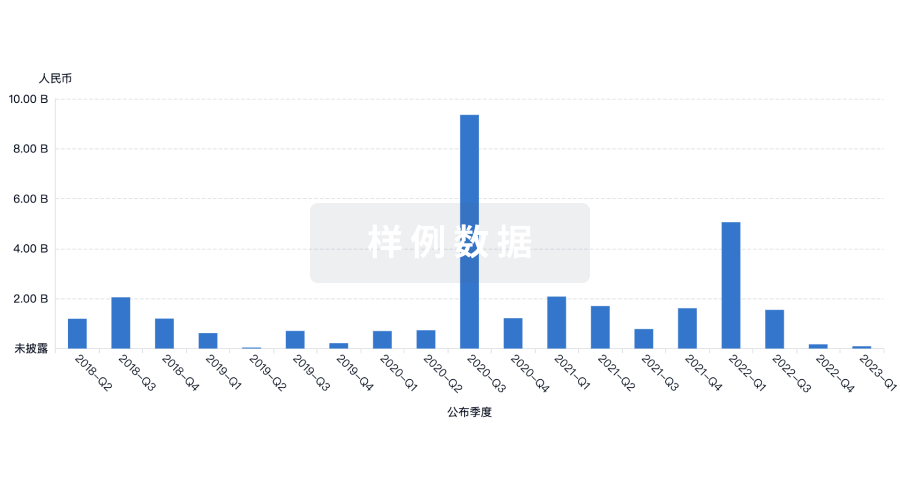
深入了解从初创企业到成熟企业的最新公司投资动态。
登录
或
融资
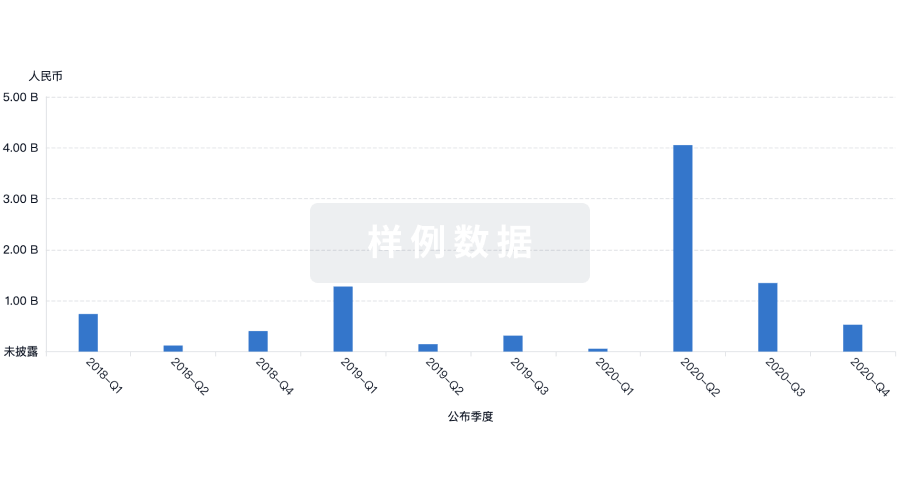
发掘融资趋势以验证和推进您的投资机会。
登录
或
生物医药百科问答
全新生物医药AI Agent 覆盖科研全链路,让突破性发现快人一步
立即开始免费试用!
智慧芽新药情报库是智慧芽专为生命科学人士构建的基于AI的创新药情报平台,助您全方位提升您的研发与决策效率。
立即开始数据试用!
智慧芽新药库数据也通过智慧芽数据服务平台,以API或者数据包形式对外开放,助您更加充分利用智慧芽新药情报信息。
生物序列数据库
生物药研发创新
免费使用
化学结构数据库
小分子化药研发创新
免费使用