预约演示
更新于:2026-02-08

Neon Laboratories Ltd.
更新于:2026-02-08
概览
关联
5
项与 Neon Laboratories Ltd. 相关的临床试验CTRI/2024/05/067399
Intrathecal hyperbaric bupivacaine versus hyperbaric ropivacaine in spinal anaesthesia in caesarean sections: a randomised control trial in a teaching hospital in northeast India. - Nil
开始日期2024-05-25 |
申办/合作机构 |
CTRI/2022/09/045624
Comparative Study Between Hyperbaric Preparation of Bupivacaine 0.5% and Ropivacaine 0.75% for Subarachnoid Block in Pediatric Population.
开始日期2022-09-20 |
申办/合作机构 |
CTRI/2022/03/040917
A Multicentre, Open Label, Post Marketing Surveillance Study to Evaluate the Safety and Efficacy of Ropin Heavy® [Ropivacaine Hydrochloride 0.75% (7.5mg/mL) in Dextrose 8% (80mg/mL)] injection for spinal anaesthesia in adult subjects ?
开始日期2022-03-25 |
申办/合作机构 |
100 项与 Neon Laboratories Ltd. 相关的临床结果
登录后查看更多信息
0 项与 Neon Laboratories Ltd. 相关的专利(医药)
登录后查看更多信息
14
项与 Neon Laboratories Ltd. 相关的新闻(医药)2025-09-02
San Francisco-based Neon Health just raised $6 million for AI tools that smooth out the many steps before a specialty medication can be issued,
Endpoints News
learned exclusively.
NFX led the seed round, and DigiTx, Olive Capital, Ascend, Village Global and Digital Health Venture Partners also invested in the round.
Patients often face insurance, financial, and logistical barriers that delay or block access to specialty drugs, which are expensive and often require injections or other difficult methods. As a result, some never finish their treatment programs.
Neon aims to speed up the process by using AI to make phone calls, navigate websites, monitor patients and schedule appointments. The goal is to help pharmaceutical companies cut costs by reducing the number of human staff necessary, like call center agents, case managers and other types of patient support staff. It also hopes to help pharma companies avoid losing insurer payouts and revenue when patients stop their treatment early.
“These hurdles are so hard for patients to get over, especially when they’re battling these chronic and acute conditions; they have a crazy drop-off rate,” co-founder and CEO Stedman Hood told Endpoints. “Pharma looks at this, and they say, ‘Let’s help them to help us.’ We spent $3.4 billion on average bringing this drug to market, and now we’ve got a crazy drop-off in our funnel when patients actually need this stuff.”
A new class of startups that uses AI to cut down on administrative work in healthcare has grown in recent years. The number of deals for AI to do that has shot past investment into research or clinical uses, according to a
Silicon Valley Bank 2025 midyear report.
Stedman said he chose specialty medicine because the workflows are messy, the impact is big and the market is large. In 2021, specialty drugs accounted for around 6% of prescriptions in Medicare Part D, but they made up 71% of overall drug spending, according to a
study.
Stedman is also betting on Neon’s ability to customize workflows, building AI tools that are tailored to its clients’ systems, which he said can be hard for companies to build themselves internally from scratch.
Neon is currently working with around six pharmaceutical brands. While it’s solely focused on pharma for now, Stedman said the company may expand its AI to health systems, such as helping prevent ER readmissions through follow-up calls.
(This story is from our Health Tech newsletter. If you’d like to sign up,
just click here.
)
2025-06-30
·药事纵横
新生抗原(Neoantigen)因其高度特异且能引发强效免疫应答的特性,已成为肿瘤免疫治疗领域备受瞩目的靶点。它们能够有效激活针对肿瘤的特异性T细胞,为攻克癌症带来了新的可能。围绕新生抗原的药物开发策略多样,涵盖了疫苗设计、过继性细胞疗法以及抗体药物等前沿方向,共同指向癌症治疗的新突破。得益于基因测序与质谱分析技术的飞速进步,研究人员如今能更深入地探究肿瘤新生抗原,实现对其免疫原性的精准识别与高效筛选一、新生抗原的发现与意义肿瘤新生抗原的概念起源于20世纪80年代。De Plaen教授团队在研究小鼠P815肿瘤模型时,观察到肿瘤细胞因体细胞突变产生的多肽可被T细胞识别,这一发现证实了新生抗原的存在[1]。肿瘤新生抗原是一类独特的肿瘤特异性抗原,其生成基础为肿瘤细胞基因的突变事件。其生物学特性表现为:能够在细胞表面被加工并经由主要组织相容性复合物(MHC)分子呈递,从而被T细胞有效识别。该识别事件是启动机体针对肿瘤的免疫应答的关键,为肿瘤免疫治疗策略的创新提供了可能[2]。一个核心特征是,新生抗原的表达严格限定于发生突变的肿瘤细胞,而正常组织细胞则不表达。正是这种表达上的差异,使得新生抗原能够诱导出高度特异性的抗肿瘤T细胞免疫,并有效避免对非肿瘤组织的非特异性损伤(即“脱靶”效应)。鉴于这些关键特性,新生抗原已成为基于T细胞的肿瘤免疫治疗领域备受瞩目的理想靶点,其在治疗潜力及临床转化方面的广阔前景,为肿瘤治疗带来了新的希望。具体而言,新生抗原的重要意义主要体现在以下几个方面:1)高特异性:新生抗原仅在肿瘤细胞中特异性表达,正常组织或细胞中不存在,这使得基于新生抗原的治疗能够精准地针对肿瘤细胞,避免对正常组织造成损伤,减少治疗的副作用。2)高免疫原性:新生抗原会被免疫系统视为外来抗原,不受免疫耐受的影响,能够激活自身特定的免疫细胞,如T细胞,发起免疫反应,进而杀伤肿瘤细胞。3)预测疗效:新生抗原可以作为肿瘤生存预后和免疫检查点阻断反应的前瞻性预测指标,帮助医生更好地评估患者的病情和治疗效果,为制定个性化的治疗方案提供依据。二、基于新生抗原的靶向药物研发策略2.1 新生抗原疫苗1)多肽疫苗:通过合成与新生抗原对应的多肽片段,将其作为疫苗成分,刺激机体的免疫系统产生针对新生抗原的免疫反应。多肽疫苗的优点是直接、成药性以及安全性相对较好、基础数据多,但不同序列多肽的理化性质差异较大,工艺路线和质量标准研究的难度较大。2)核酸疫苗:包括mRNA疫苗和DNA疫苗,在个性化新生抗原疫苗研发方面具有重要作用。其中,mRNA疫苗是将编码新生抗原的mRNA序列导入细胞,细胞会根据mRNA的指令合成新生抗原蛋白,从而激活免疫系统。DNA疫苗则是将编码新生抗原的DNA片段导入细胞,细胞先将DNA转录为mRNA,再翻译成新生抗原蛋白。值得注意的是,核酸疫苗不受HLA限制,能够同时刺激细胞免疫与体液免疫,制备简单、不同序列的抗原物质的理化性质相差不大、易于生产。3)树突状细胞(DC)疫苗:利用树突状细胞作为抗原呈递细胞,将新生抗原负载到树突状细胞上,然后将这些负载了新生抗原的树突状细胞回输到患者体内,激活T细胞等免疫细胞,产生针对新生抗原的免疫反应。新生抗原的合成流程示意图(来源:参考文献[2])2.2 过继性细胞疗法1)肿瘤浸润淋巴细胞(TIL)疗法:从患者的肿瘤组织中分离出TIL,这些TIL中富含新生抗原特异的T细胞。在体外对TIL进行扩增和活化,然后输回患者体内,同时给予大剂量白细胞介素-2等作为辅助因子,以增强TIL的功能和存活,从而实现对肿瘤细胞的杀伤。2)T细胞受体(TCR)基因和嵌合抗原受体(CAR)基因转导的T细胞治疗:将能识别肿瘤新生抗原的特异性TCR或CAR基因导入到患者外周血T细胞中,使其具有针对新生抗原的免疫活性,然后将这些基因修饰的T细胞输给患者,以直接杀伤表达新生抗原的肿瘤细胞。2.3 抗体药物开发1)双特异性抗体:一侧可以特异性结合CD3表面受体,另一侧则可以特异识别筛选到的新生抗原,从而将T细胞募集到肿瘤细胞周围,激活T细胞对肿瘤细胞进行杀伤。例如,研究人员将H2与结合T细胞受体CD3复合体融合,将其转化为基于T细胞的免疫治疗剂——双特异性单链介质H2-scDb,在小鼠模型中,显示出抑制肿瘤生长效果[3]。2)抗体-药物偶联物(ADC):将针对新生抗原的抗体与细胞毒性药物连接在一起,抗体可以特异性地识别并结合肿瘤细胞表面的新生抗原,然后将细胞毒性药物带到肿瘤细胞内部,发挥杀伤肿瘤细胞的作用。3)T细胞受体模拟(TCRm)抗体:通过聚焦肽-MHC复合物来识别细胞内新生抗原,比TCR具有更大的亲和力,可转化为多种治疗形式,包括全长抗体、抗体-药物偶联物和双特异性抗体等。双特异性抗体H2-scDb的作用机制示意图(来源:参考文献[3])三、基于新生抗原药物的研究最新管线状况目前,基于新生抗原的药物研究管线主要集中在肿瘤疫苗类。除此之外,也有一些管线分布于过继性细胞治疗类方面,例如在基因工程肿瘤免疫细胞研究管线赛道,北京马力喏生物的自体抗EGFRvIII CAR-T细胞已在复发性胶质母细胞瘤患者的试点项目中进行评估,科济的管线中也布局了一款EGFR/EGFRvIII双靶点CAR-T细胞治疗KJ-C2112。接下来,重点将对肿瘤疫苗类的研究管线展开讨论。3.1 mRNA肿瘤疫苗1)Moderna与默沙东的mrna-4157Moderna与默沙东合作的mrna-4157管线选择采用与pd-1抗体联合治疗的方案,目前处于II期临床阶段,评估在皮肤黑色素瘤完全切除且复发风险高的患者中,与单独使用派姆单抗相比,使用mrna-4157联合帕博利珠单抗进行术后辅助治疗是否能提高无复发生存率。数据显示,与单独使用pd-1相比,使用mrna-4157联合pd-1作为辅助治疗疫苗组的18个月无复发生存率(RFS)为78.6%,而pd-1组为62.2%,对于高风险黑色素瘤患者来说,相较于单独使用抗PD-1单抗,该联合疗法能够将患者复发或死亡风险降低44%。2)BioNTech的bnt122、ro7198457BioNTech的bnt122、ro7198457管线,基于mRNA的个体化肿瘤疫苗autogene cevumeran,目前该药物正在一项Ⅰ期临床试验中,对切除胰腺导管腺癌(PDAC)患者采用结合抗PD-L1抗体阿替唑单抗和化疗的方案,该试验的初步结果显示出良好的安全性和积极的临床活动迹象。3)斯微生物的swp1001斯微生物自主研发的编码新生抗原mRNA个性化肿瘤疫苗管线swp1001已在2022年1月获得澳洲Ⅰ期临床批件,并已经完成50ug剂量组爬坡入组工作,是世界范围内首个获得临床批件的国产自主研发mRNA个性化肿瘤疫苗,并且同步在国内多家医院开展iit研究。4)新合生物的xh101注射液新合生物自主开发的一款mRNA肿瘤新生抗原疫苗的新药临床试验申请(IND)已经在2023年3月4日获得国家药品监督管局药品审评中心(CDE)受理,xh101注射液是新合生物在全球首创的靶向胃癌公共新生抗原的治疗性mRNA肿瘤疫苗,该靶点为全球首创靶点。5)星锐医药的STR-V005STR-V005是星锐医药开发的一款靶向多种新生抗原的个性化肿瘤疫苗。2025年4月,星锐医药宣布其个性化肿瘤疫苗STR-V005已完成首例患者给药,拟联合PD1药物用于多种实体瘤的治疗。目前,其临床前和临床初步结果已展现出显著的免疫原性和良好的安全性。个性化肿瘤疫苗STR-V005患者给药示意图(来源:星锐医药)3.2多肽肿瘤疫苗1)Neon的neo-vaxNeon的neo-vax是基于肿瘤新生抗原的个性化多肽疫苗,目前处于Ⅱ期临床试验阶段,用于治疗黑色素瘤、肺癌、膀胱癌、胰腺癌、小儿脑肿瘤、结直肠癌等。2)杭州纽安津生物的注射用P01杭州纽安津生物的肿瘤新生抗原个体化多肽治疗性疫苗“注射用P01”临床试验申请(IND)已正式受理,成为国内首个正式受理的非细胞类的个体化肿瘤治疗性疫苗产品。3.3树突状细胞(DC)肿瘤疫苗1)中生康元的个性化DC疫苗中生康元的一项个性化DC疫苗注册临床申请获NMPA受理,该疫苗负载多个肿瘤新生抗原多肽,临床适应症为泛癌种实体肿瘤。2)LK101注射液由北京立康生命科技有限公司研发,是国内首个获批进入临床阶段的个性化肿瘤新生抗原疫苗,也是首个获批进入临床阶段的完全个性化的mRNA编辑产品。采用mRNA-DC疫苗形式,通过编码肿瘤新生抗原的mRNA体外转染树突细胞疫苗,用于治疗晚期实体瘤。3)CUD002注射液四川康德赛医疗科技有限公司研发,是国内首款基于患者肿瘤新生抗原的mRNA编辑DC肿瘤疫苗,用于治疗难治性/耐药复发性卵巢癌。4)多抗原自体免疫细胞注射液恒瑞源正(深圳)生物科技有限公司和恒瑞源正(上海)生物科技有限公司研发,活性成份包括负载多种肿瘤相关抗原的成熟自体树突状细胞和上述DC细胞活化扩增的自体效应T淋巴细胞,用于治疗晚期软组织肉瘤、恶性实体瘤等。四、面临的挑战以及未来研究方向新生抗原靶向药物的研发之路并非坦途,当前挑战重重。首要难题在于预测准确率不高,难以高效筛选出真正具有治疗价值的新生抗原。其次,这些抗原在癌细胞表面的表达量往往不足,导致药物难以精准“命中”。再者,患者个体间巨大的新生抗原差异,使得“通用型”药物的开发异常困难。最后,药物本身可能引发的免疫反应,对其安全性和有效性构成潜在威胁。面向未来,人工智能技术的发展为提高预测精度和筛选效能提供了契机[4]。纳米技术的突破可为药物提供更优的递送途径,改善其稳定性以及靶向性。除此之外,结合基因编辑、细胞治疗等多元技术手段,探索创新的联合治疗方案,被认为是克服现有障碍、推动该领域向前发展的关键,有望为肿瘤患者带来更为精准的治疗选择。主要参考资料:[1] De Plaen E, Lurquin C, Van Pel A,et al. Immunogenic (tum-) variants of mouse tumor P815: cloning of the gene of tum- antigen P91A and identification of the tum- mutation. Proc Natl Acad Sci U S A. 1988 Apr;85(7):2274-2278.[2] Zhang Z, Lu M, Qin Y, et al. Neoantigen: A New Breakthrough in Tumor Immunotherapy. Front Immunol. 2021 Apr 16;12:672356.[3] Hsiue EH, Wright KM, Douglass J, et al. Targeting a neoantigen derived from a common TP53 mutation. Science. 2021 Mar 5;371(6533):eabc8697.[4] Peng M, Mo Y, Wang Y, et al. Neoantigen vaccine: an emerging tumor immunotherapy. Mol Cancer. 2019 Aug 23;18(1):128.[5] 各企业研发管线新闻报告.作者介绍:Ketty,主要从事药物研发和科普,制药行业政策和发展研究工作。药事纵横投稿须知:稿费已上调,欢迎投稿
免疫疗法疫苗细胞疗法
2025-01-23
·同写意
本次大会由金力院士领衔,聚焦“创新科技成就未来健康产业”,旨在汇聚全球科学与产业精英,共创大湾区健康产业发展新机遇。欢迎报名!
一种“谨慎乐观”的情绪已经弥漫在生物医药行业很久了。
2024年曾被许多人视为“并购大年”。但纵观一整年,除了诺和诺德为扩大GLP-1药物产能而以110亿美元收购Catalent旗下三个工厂外,没有任何一笔并购超过50亿美元——即使是在2021年的交易低谷,也尚且有几项超100亿美元的交易。
伴随着专利悬崖的迫近,对MNC而言,打开钱包、填充“子弹”,变得越发紧迫。一些分析师因此直言“今年情况很有可能发生逆转”。
良好的现金状况助长了人们对并购浪潮发生的信心。来自Healthcare Investment Banking的《生物制药并购与战略合作洞察:2024年回顾与2025年展望》显示,目前各家MNC的现金总额达1700亿美元。
近期落幕的第43届JPM大会似乎对前述信心有所印证:强生宣布将以146亿美元收购Intra-Cellular加码CNS领域治疗,礼来、GSK也相继在肿瘤赛道出手几十亿美元。累计约182.5亿美元的总对价,超过过去七年任何一年的水平。
JPM大会向来被为生物医药行业的年度重要风向标。2019年至今,至少14起并购交易在大会期间发生。从并购方来看,出手最为阔绰的是强生,共达成两笔交易、花费166亿美元;紧随其后的是礼来,花费105亿美元。
从适应症来看,其中一半都集中在肿瘤,另外一半则依次分布在免疫、罕见病、心肾疾病、肝病、哮喘、神经精神病学,以及人工智能。写意君将之梳理如下。
1
2025年
1月13日至16日,第43届JPM大会
神经精神病学、罕见病、肿瘤
强生将以146亿美元收购Intra-Cellular Therapies。后者由诺贝尔奖得主Paul Greengard在2001年创立,于2014年登陆纳斯达克,其商业化产品主要是卢美哌隆(Lumateperone,商品名Caplyta),一款用于成人精神分裂症、成人双相抑郁的多靶点抗精神病药物。该药物的2023年度销售额已超4.6亿美元。
2024年12月,Intra-Cellular 宣布已向FDA提交一份补充新药申请,以期将Caplyta作为成人抑郁症(MDD)的辅助治疗药物。此前的临床研究中,该药物已在减轻抑郁症方面显示出统计学显著和具有临床意义的改善。
Intra-Cellular的候选药还包括适用于广泛性焦虑症、阿尔茨海默病的ITI-1284、治疗帕金森病的PDE1抑制剂Lenrispodun(ITI-214)、PDE抑制剂ITI-1020(癌症免疫疗法),以及用于疼痛和情绪障碍的ITI-333、治疗情绪和其他神经精神疾病的ITI-1549等。
GSK将收购胃肠道间质瘤(GIST)精准疗法公司IDRx。根据协议条款,GSK将支付10亿美元的预付款,并在达到监管批准里程碑后,额外支付1.5亿美元的潜在里程碑付款。
GIST是一种罕见病。临床上,其病情进展与KIT基因密切相关:80%的GIST由KIT基因突变引发;约90%的患者在接受一线治疗后会出现新的KIT基因突变,通常导致疾病复发、治疗选择有限。
IDRx的主打候选药物IDRX-42是一种具有高度选择性的KIT酪氨酸激酶抑制剂,正在开发用于GIST患者的一线和二线治疗。IDRX-42已展示出对所有关键的原发性和继发性KIT突变体的活性,其设计旨在改善GIST患者的治疗效果,具有“best-in-class”的潜力。
一项在晚期GIST患者中进行的I/Ib期研究显示,IDRX-42 在晚期GIST患者中具有较好抗肿瘤活性,且安全性可控。GSK计划在2025年加速其研发,并寄望于借之为2031年及以后的业务增长助力。
礼来宣布收购Scorpion Therapeutics的PI3Kα抑制剂项目STX-478。Scorpion是一家专注于开发小分子精准肿瘤疗法的生物技术公司,STX-478是一种每日口服一次的突变体选择性PI3Kα抑制剂,目前正在进行1/2期临床试验,用于治疗乳腺癌和其他晚期实体瘤。
通过选择性靶向癌细胞但非健康细胞中的通路,STX-478能够克服现有PI3Kα通路药物的主要局限,有望通过更深入的通路抑制提供更好的疾病控制,同时改善患者的耐受性。
根据协议,Scorpion的股东未来可能收获至高25亿美元的预付款及后续里程碑付款。此外,作为交易的一部分,Scorpion将分拆出一个新的独立实体,以保留其员工和非PI3Kα管线资产。礼来将持有该新公司的少数股权。
2
2024年
1月8日至11日,第42届JPM大会
肿瘤、哮喘
2024年JPM大会期间,有4笔并购交易达成。但总对价偏低,不到50亿美元。
强生宣布以20亿美元收购Ambrx Biopharma。Ambrx是一家临床阶段的生物制药公司,旗下合成生物技术平台可用于设计和开发下一代ADC。
Ambrx 拥有多个ADC管线。其中,靶向HER2受体的ARX788目前正在乳腺癌、胃癌/GEJ癌和其他实体瘤临床试验中进行广泛研究。此前,ARX788已获FDA授予的快速通道资格,用于治疗HER2+转移性乳腺癌治疗,亦获胃癌治疗孤儿药资格。
ARX517靶向前列腺特异性膜抗原(PSMA),后者是前列腺癌的临床重要生物标志物。ARX517此前已被FDA授予快速通道资格,用于治疗在雄激素受体通路抑制剂治疗无效后进展为转移性去势抵抗性前列腺癌(mCRPC)的患者。目前,一项相关临床I期研究正在推进中。
GSK宣布收购Aiolos Bio,并为此支付10亿美元的预付款,以及高达4亿美元的里程碑付款。此外,GSK还将负责向恒瑞医药支付基于成功的里程碑式付款以及分级版税。
Aiolos Bio的核心资产AIO-001引进自恒瑞医药,是一种长效抗胸腺基质淋巴生成素(TSLP)单克隆抗体,在哮喘、慢性鼻窦炎伴鼻息肉等疾病的治疗中展现出相当潜力,具备同类最佳潜质。
默沙东以约6.8亿美元的总股本价值收购Harpoon Therapeutics。Harpoon是一家临床阶段的免疫治疗公司,专注于开发一类新型 T 细胞接合器。
被收购时,Harpoon拥有三个技术平台,分别为:TriTAC(三特异性 T 细胞激活构建体平台)、ProTriTAC(旨在将前药概念应用于 TriTAC 平台)和TriTAC-XR(着力于缓解细胞因子释放综合征)。
其主要候选药物 HPN328此前已被FDA授予治疗SCLC的孤儿药资格,是一款靶向δ样配体3(DLL3)的T细胞接合剂。DLL3是一种抑制性经典Notch配体,在SCLC和神经内分泌肿瘤中高水平表达。
诺华以2.5亿美元首付款和高达1.75 亿美元的开发里程碑付款收购Calypso Biotech,后者专注于一系列自身免疫适应症的单克隆抗体的研究和开发,在白细胞介素-15(IL-15)方面尤其具有专长。
Calypso Biotech的主要候选药物CALY-002是一种潜在best in class的治疗性抗体,可结合并中和IL-15。被收购时,该候选药物正在乳糜泻和嗜酸性粒细胞性食管炎患者的Ib期试验中进行评估。
3
2023年
1月9日至12日,第41届JPM大会
心肾疾病、肝病、人工智能
2023年JPM大会期间发生的并购交易有3笔。
阿斯利康拟以13亿美元收购CinCor Pharma,借此巩固其心肾疾病领域在研新药产品管线。
CinCor是一家位于美国的临床阶段的生物制药公司,专注于开发治疗顽固性和不受控制的高血压以及慢性肾病的新型疗法。被收购时,其主要候选药物为Baxdrostat(CIN-107),一种高选择性口服小分子醛固酮合成酶抑制剂,在高血压、原发性醛固酮增多症和慢性肾脏疾病的治疗中展现出潜力。
法国Ipsen宣布将以9.52亿美元的总对价收购Albireo,一家专注于开发儿童和成人胆汁淤积性肝病治疗药物的创新药企。
Albireo的核心资产Bylvay(odevixibat)是一种口服非全身性回肠胆汁酸转运抑制剂(IBATi)。该药物是美国和欧盟首个获批用于治疗进行性家族性肝内胆汁淤积症的药物,亦在其他罕见病(如Alagille综合征,ALGS)中展现出治疗潜力。
被收购时,Albireo还持有数个临床阶段资产,例如用于治疗成人胆汁淤积性肝病的A3907,以及一种口服全身牛磺胆酸钠共转运肽(NTCP)抑制剂等。
BioNTech则宣布收购人工智能和机器学习技术公司InstaDeap。根据协议,BioNTech拟以约3.62亿英镑现金和BioNTech股份收购InstaDeep的剩余股份,InstaDeep股东将有资格获得额外的、基于业绩的未来里程碑付款至高约2亿英镑。
该次收购支持BioNTech的战略,即在人工智能驱动的药物发现、下一代免疫疗法及疫苗开发方面建立世界领先的能力。收购协议达成前,BioNTech已与InstaDeep开展多年合作,并在2022年对InstaDeep进行初始股权投资,作为其B轮融资的一部分。
4
2022年
1月10日至13日,第40届JPM大会
2022年JPM大会期间未传出任何并购交易。
甚至整个一月,也仅披露了1起并购:UCB出手19亿美元收购致力于开发罕见病药物的Zogenix。被收购时,Zogenix的核心产品Fintepla已登陆欧盟、美国市场,该药物能够通过调节血清素机制和sigma-1受体活性来减少癫痫发作的频率,曾获FDA突破性疗法和优先审评资格。
5
2021年
1月7日至13日,第39届JPM大会
免疫、肿瘤
2021年JPM大会期间,有2项并购交易达成。
赛诺菲以11亿美元的预付款及最高3.5亿美元里程碑付款收购Kymab,一家利用其专有的集成平台(统称为 IntelliSelect®)开发全人源单克隆抗体疗法、专注于免疫介导的疾病和免疫肿瘤学的公司。
被收购时,Kymab的核心管线之一是KY10055,一种靶向关键免疫系统调控因子OX40L的全人源单克隆抗体,其时已在特应性皮炎等自身免疫性疾病的治疗中展现出相当潜力。
Chimerix则以7800万美元收购Oncoceutics,后者的股东还可能获得至高3.6 亿美元的开发、监管和销售里程碑,以及一定比例的特许权使用费。
Oncoceutics是一家临床阶段的生物技术公司,开发一类新型化合物亚咪啶酮。被收购时,其主要候选药物之一是ONC201,一种口服小分子多巴胺受体D2(DRD2)拮抗剂和酪蛋白溶解蛋白酶(ClpP)激动剂,其时该药物已在进行复发性H3 K27M突变神经胶质瘤的注册临床试验,并被FDA授予快速通道资格,用于治疗成人复发性H3 K27M突变高级别胶质瘤。
6
2020年
1月13日至16日,第38届JPM大会
免疫/肿瘤
2020年JPM大会期间,仅有一项并购交易“官宣”:BioNTech以约6700万美元收购Neon Therapeutics,以增强其免疫肿瘤学研发管线。
Neon是一家生物技术公司,聚焦于开发新型新抗原靶向T细胞疗法。被收购时,Neon的核心管线之一是NEO-PV-01,一款个性化的新抗原靶向T细胞治疗候选药物,该药物在黑色素瘤、NSCLC、膀胱癌等疾病的治疗中展现出潜力。
根据协议条款,被收购后,Neon将与BioNTech的子公司Endor Lights合并。
7
2019年
1月7日至10日,第37届JPM大会
肿瘤
2019年同样只有一起并购交易在JPM大会期间达成——礼来以80亿美元收购抗癌药物研发公司Loxo Oncology。
Loxo成立于2013年。被收购时,持有的主要管线/产品包括多款口服TRK抑制剂、种口服RET抑制剂、口服BTK抑制剂,其中包括与拜耳合作开发并成功商业化的“广谱抗癌药”Vitrakvi,该药物能够在多种癌症中起效。
不过,当年的JPM大会上,被谈论最多的也许还是百时美施贵宝和Celgene在会前宣布的那起收购——百时美施贵宝以740亿美元收购Celgene,全球最大的两家癌症药物研产公司合二为一。这起史上规模最大的制药业并购案,被视为“重塑生物制药行业”的存在。
同写意媒体矩阵,欢迎关注↓↓↓
并购免疫疗法专利到期
100 项与 Neon Laboratories Ltd. 相关的药物交易
登录后查看更多信息
100 项与 Neon Laboratories Ltd. 相关的转化医学
登录后查看更多信息
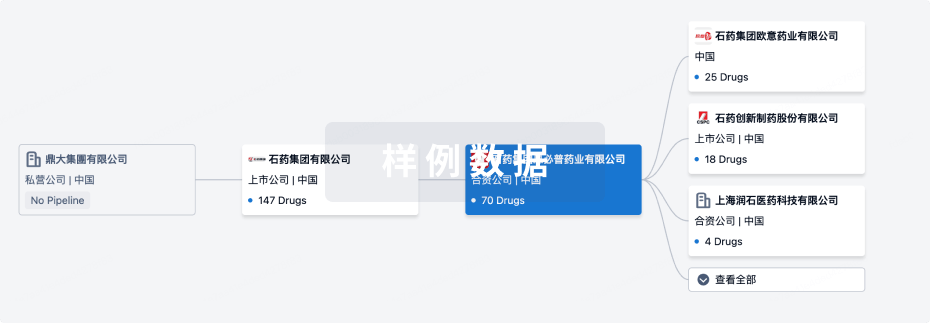
组织架构
使用我们的机构树数据加速您的研究。
登录
或
管线布局
2026年02月09日管线快照
无数据报导
登录后保持更新
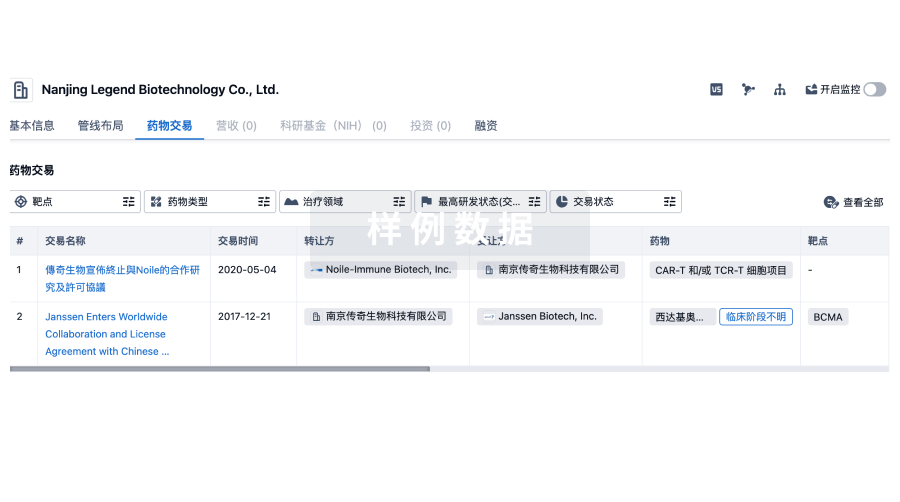
药物交易
使用我们的药物交易数据加速您的研究。
登录
或
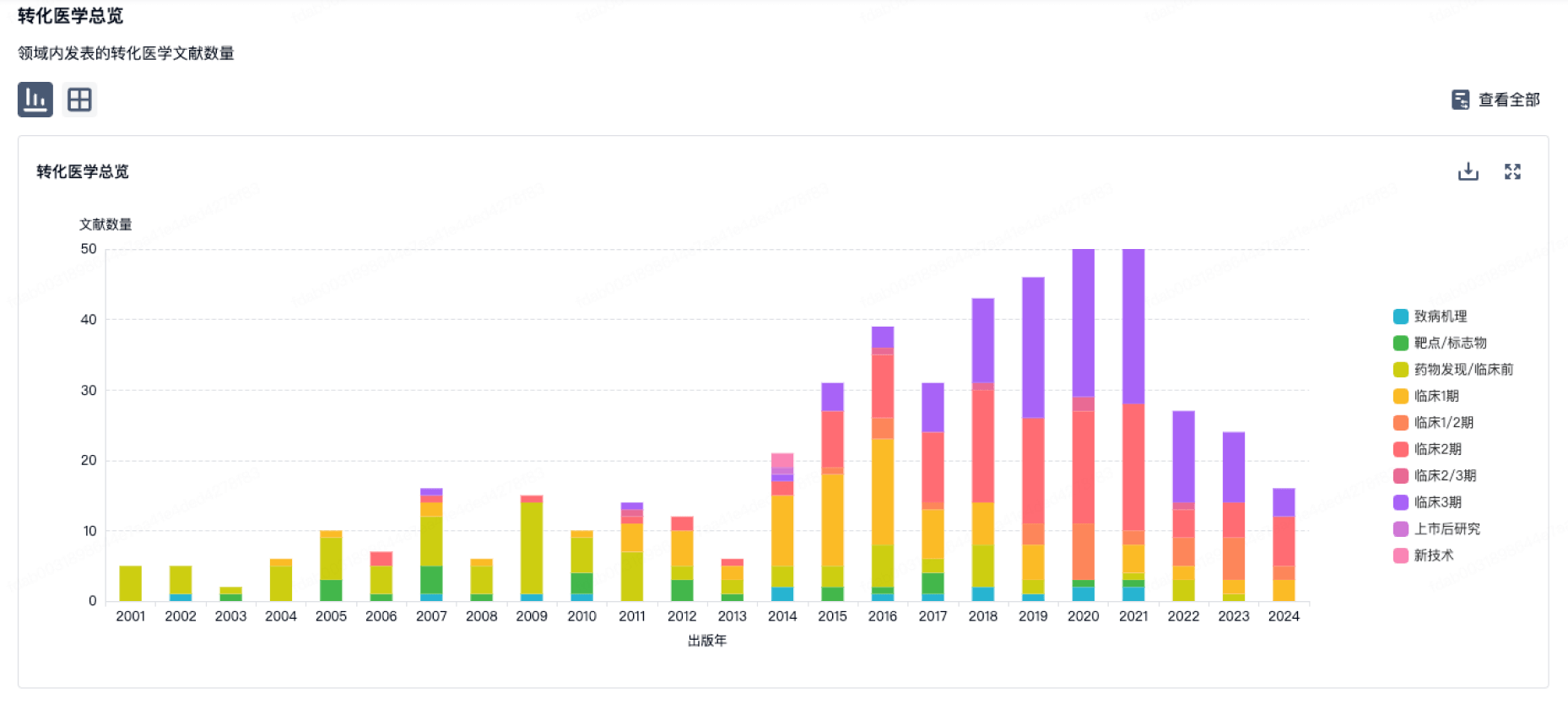
转化医学
使用我们的转化医学数据加速您的研究。
登录
或
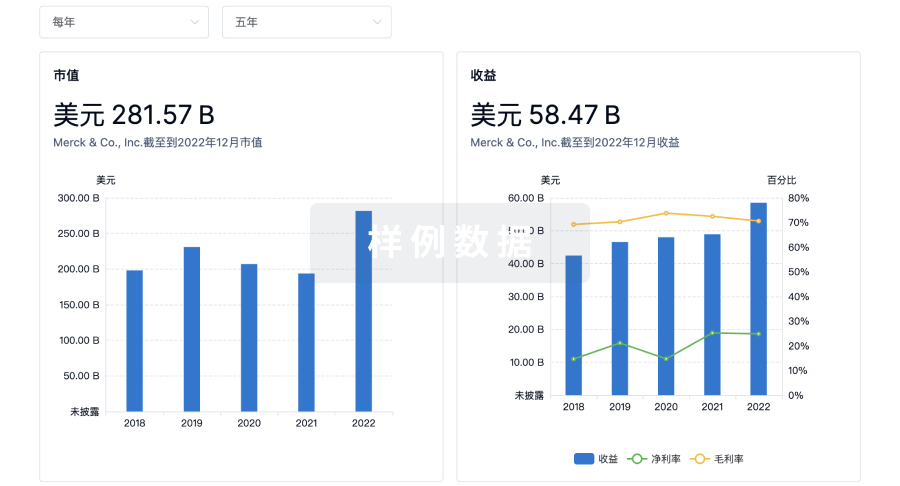
营收
使用 Synapse 探索超过 36 万个组织的财务状况。
登录
或
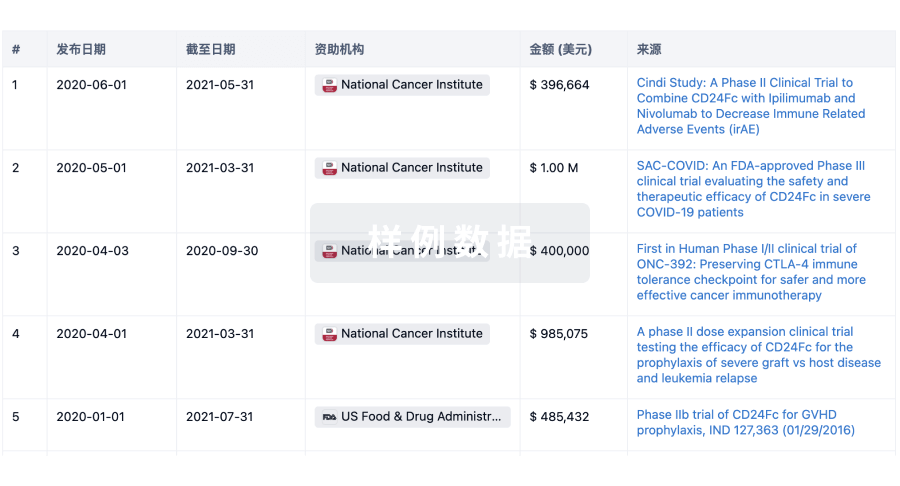
科研基金(NIH)
访问超过 200 万项资助和基金信息,以提升您的研究之旅。
登录
或
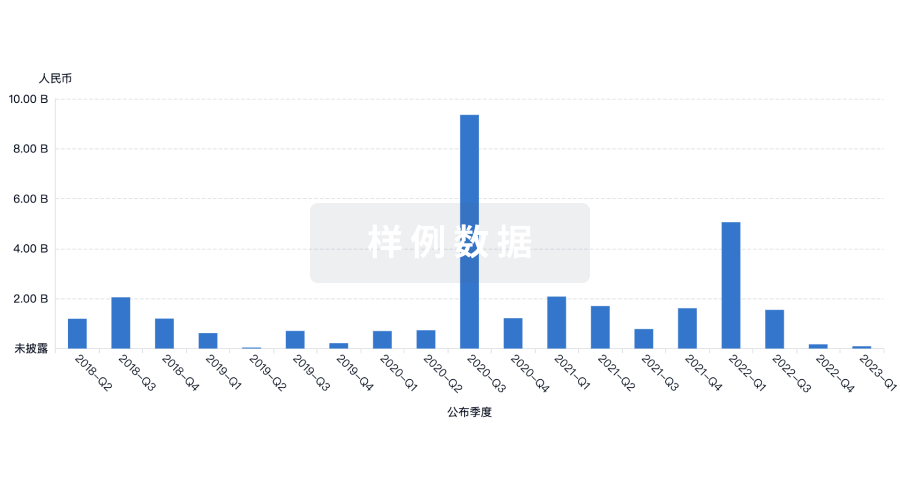
投资
深入了解从初创企业到成熟企业的最新公司投资动态。
登录
或
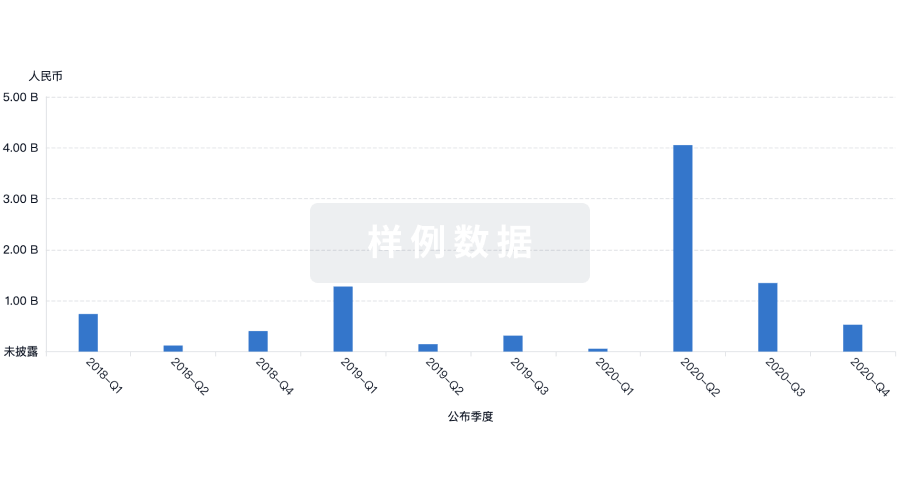
融资
发掘融资趋势以验证和推进您的投资机会。
登录
或
生物医药百科问答
全新生物医药AI Agent 覆盖科研全链路,让突破性发现快人一步
立即开始免费试用!
智慧芽新药情报库是智慧芽专为生命科学人士构建的基于AI的创新药情报平台,助您全方位提升您的研发与决策效率。
立即开始数据试用!
智慧芽新药库数据也通过智慧芽数据服务平台,以API或者数据包形式对外开放,助您更加充分利用智慧芽新药情报信息。
生物序列数据库
生物药研发创新
免费使用
化学结构数据库
小分子化药研发创新
免费使用