预约演示
更新于:2025-12-08
Universidade Catolica De Brasilia
更新于:2025-12-08
概览
关联
RBR-5kq7w75
Randomized clinical trial: effects of Physical Exercise on motor, behavioral and sensory aspects of children with Autism Spectrum Disorder
RBR-34qpgjn
The benefits of Physical Exercise and Biomolecular analyses as an intervention to reduce Uremic Toxins in patients with Chronic Kidney Disease: an exploratory study
RBR-83h7hfm
Impact of Nutrition and Exercise on Microbiota, Uremic Toxins and quality of Life in patients with Chronic Kidney Disease
100 项与 Universidade Catolica De Brasilia 相关的临床结果
登录后查看更多信息
登录后查看更多信息
2025-12-02AGING & MENTAL HEALTH
Effects of the cluster-set method on symptoms of depression and quality of life in older hemodialysis subjects: a randomized controlled clinical trial
Article
作者: Corrêa, Hugo de Luca ; Mestrinho, Vitória Marra da Motta Vilalva ; de Deus, Lysleine Alves ; Prestes, Emanuelle Fernandes ; Garcia, Danielle ; Rosa, Thiago dos Santos ; Neves, Rodrigo Vanerson Passos ; dos Santos, Rafael Lavarini ; Magalhães, Bruno ; Honorato, Fernando de Sousa ; Barbosa, Jéssica Mycaelle da Silva ; Prestes, Jonato ; de Araújo, Thaís Branquinho ; Tzanno-Martins, Carmen ; Reis, Andrea Lucena ; Melo, Gislane Ferreira
OBJECTIVES:
Chronic kidney disease (CKD) is associated with several disorders that compromise the physical, mental and social health. The aim of the present study was to investigate the effects of resistance training with cluster-set method (RT-CS) on quality of life (QoL) and depression symptoms in older subjects with CKD.
METHOD:
The QoL was evaluated by the Short Form Health Survey 36 questionnaire, and depression by the Beck Depression Inventory (BDI). Sixty-eight subjects with CKD on maintenance hemodialysis (age: 57.55 ± 4.06 years) were selected and randomly distributed into a control group without RT (CG, n = 26); traditional RT group (RT, n = 26); and RT cluster-set group (RT-CS, n = 26) with 15 s pause every four repetitions. Subjects completed 24 wk of RT, three times a week, 1 h and 30 min before the hemodialysis session.
RESULTS:
It was found that both the RT and the RT-CS group improved QoL, while only RT-CS displayed reduced depression symptoms. The minimally clinically important difference revealed that more subjects from the RT-CS were responsive to decrease of depression and functional capacity.
CONCLUSION:
This highlights the importance of RT-CS as an intervention to mitigate the effects of low QoL and depression in older subjects with CKD.
2025-12-01BRAZILIAN JOURNAL OF MICROBIOLOGY
Antifungal activity of cephalosporins as an alternative for the combat of Candida auris
Article
作者: Dos Santos Rodrigues, Milena Izabel ; Lucini, Fabíola ; Sturaro, Mariana Carvalho ; de Aquino, Thiago Mendonça ; da Silva, Gabrieli Argueiro ; Pereira, Fabricio Fagundes ; Silva, Osmar Nascimento ; Carvalho, Alex Polatto ; Simionatto, Simone ; Careaga, Lavinia Leite Pintan ; Rossato, Luana
Candida auris is a multidrug-resistant fungal pathogen that presents significant challenges in healthcare settings due to its robust biofilm-forming ability. Conventional antifungal treatments frequently prove ineffective, emphasizing the urgent need for innovative disinfection strategies, including the potential repurposing of existing agents. To evaluate the in vitro and in vivo antifungal and antibiofilm activity of cephalexin, cefixime, and cefotaxime against C. auris. The efficacy of cephalosporins was tested using in vitro assays for minimum inhibitory concentration (MIC), biofilm inhibition, biofilm eradication, cell membrane integrity, nucleotide leakage, sorbitol protection assay, and efflux pump inhibition. An in vivo model using Tenebrio molitor larvae assessed survival rates and fungal burden after treatment. Cephalexin, cefixime, and cefotaxime exhibited MICs of 64 mg/L against C. auris. Cephalosporins significantly inhibited biofilm formation, with cephalexin completely eradicating mature biofilms within 45 min, demonstrating superior activity compared to chlorhexidine. Cephalexin, cefixime, and cefotaxime do not cause damage to the fungal cell wall or interfere with C. auris efflux pumps. Instead, their activity triggers the externalization of nucleotides without promoting protein leakage. In T. molitor larvae, both cephalexin and cefixime significantly improved survival rates and reduced fungal burden, further supporting their therapeutic potential in managing C. auris infections. These findings highlight the potential of cephalexin and cefixime for repurposing as effective agents against superficial infections. Their demonstrated antibiofilm activity, biofilm eradication capabilities, and ability to reduce fungal burden in vivo underscore their promise in mitigating C. auris infections and enhancing infection control strategies.
2025-12-01JOURNAL OF BIOTECHNOLOGY
Komagataella phaffii as a microbial cell factory for antimicrobial peptide production
Review
作者: Oliveira, Kamila Botelho Sampaio de ; Franco, Octávio Luiz ; Brango-Vanegas, José ; Paes, Hugo Costa ; Lima, Letícia Ferreira ; Leite, Michel Lopes ; Melo, Nadielle Tamires Moreira
In recent decades, the methylotrophic yeast Komagataella phaffii has emerged as a powerful host for the heterologous production of antimicrobial peptides (AMPs) as an economical and scalable platform. K. phaffii combines several important advantages for a recombinant expression system, such as rapid growth, high-density cell culture, efficient protein secretion, and the ability to perform essential post-translational modifications. The methanol-inducible AOX1 promoter (PAOX1), generally employed through the pPICZalpha vector, allows strong and tightly regulated heterologous expression and is a central factor in the expression system of this yeast. However, several strategies have been employed to produce recombinant AMPs in K. phaffii, among them codon optimization, engineered methanol-resistant strains, alternative promoters, and the use of different secretory peptides. This review highlights the latest advances and practical considerations in the use of K. phaffii for AMP production, discussing challenges such as peptide stability, proteolytic degradation, and yield optimization. The insights provided contribute to the expansion of biotechnological applications of K. phaffii, reinforcing its potential as an efficient and safe platform for large-scale production of therapeutic AMPs.
100 项与 Universidade Catolica De Brasilia 相关的药物交易
登录后查看更多信息
100 项与 Universidade Catolica De Brasilia 相关的转化医学
登录后查看更多信息
组织架构
使用我们的机构树数据加速您的研究。
登录
或
管线布局
2026年03月14日管线快照
管线布局中药物为当前组织机构及其子机构作为药物机构进行统计,早期临床1期并入临床1期,临床1/2期并入临床2期,临床2/3期并入临床3期
其他
1
登录后查看更多信息
当前项目
登录后查看更多信息
药物交易
使用我们的药物交易数据加速您的研究。
登录
或
转化医学
使用我们的转化医学数据加速您的研究。
登录
或
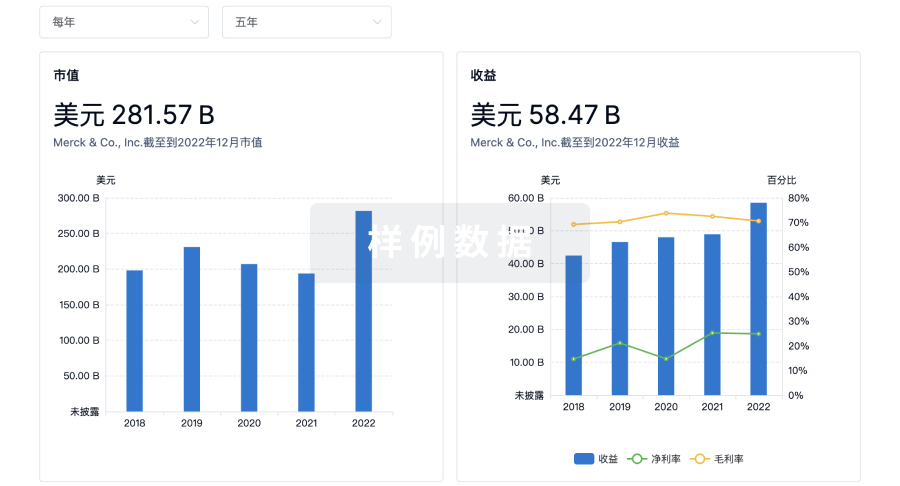
营收
使用 Synapse 探索超过 36 万个组织的财务状况。
登录
或
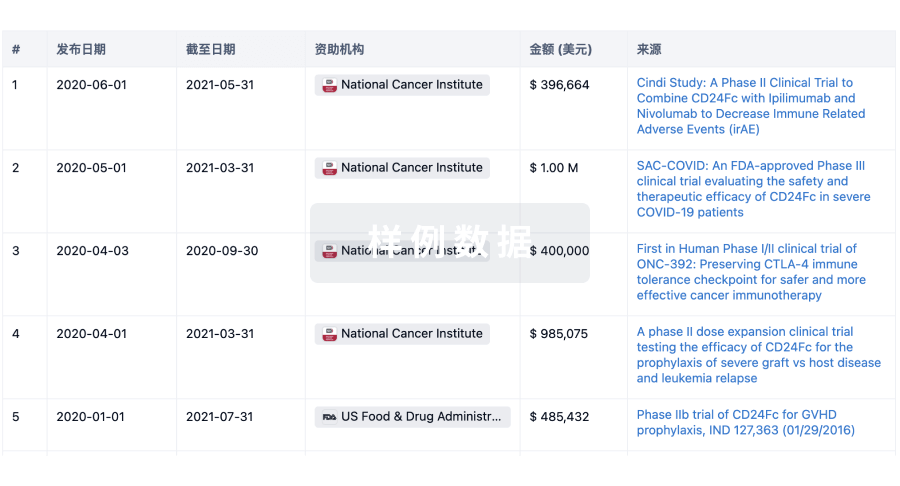
科研基金(NIH)
访问超过 200 万项资助和基金信息,以提升您的研究之旅。
登录
或
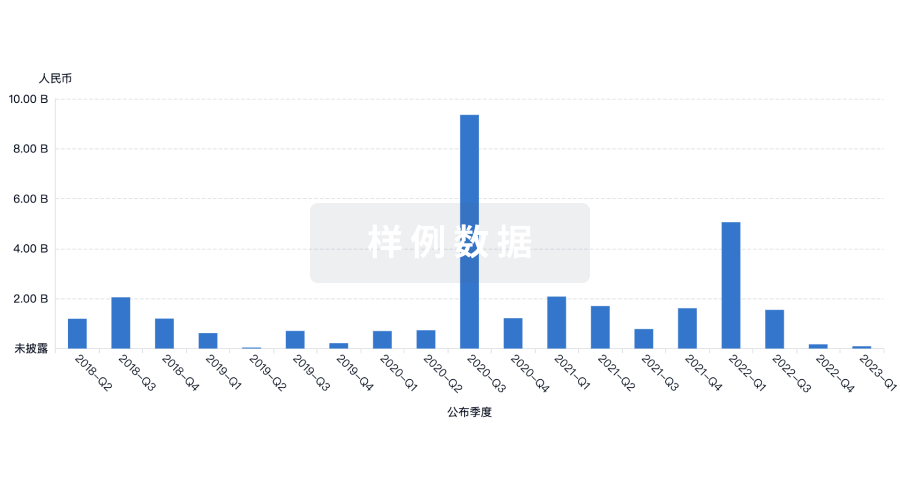
投资
深入了解从初创企业到成熟企业的最新公司投资动态。
登录
或
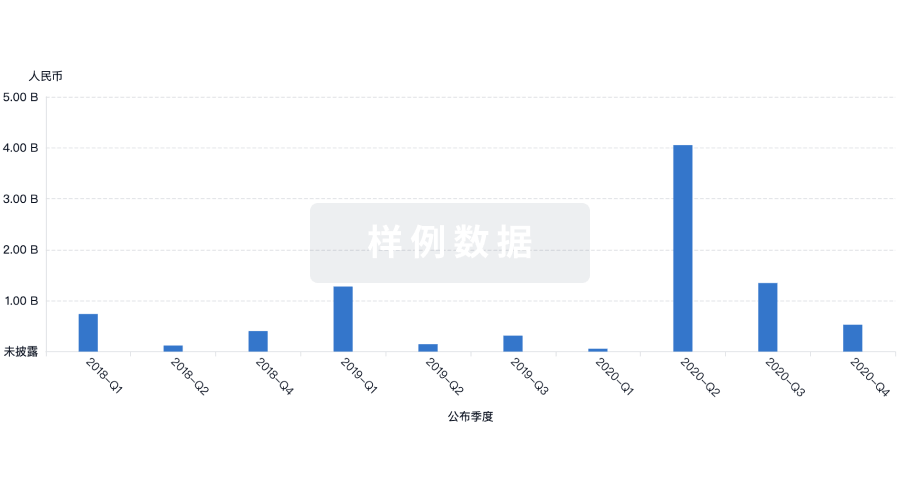
融资
发掘融资趋势以验证和推进您的投资机会。
登录
或
生物医药百科问答
全新生物医药AI Agent 覆盖科研全链路,让突破性发现快人一步
立即开始免费试用!
智慧芽新药情报库是智慧芽专为生命科学人士构建的基于AI的创新药情报平台,助您全方位提升您的研发与决策效率。
立即开始数据试用!
智慧芽新药库数据也通过智慧芽数据服务平台,以API或者数据包形式对外开放,助您更加充分利用智慧芽新药情报信息。
生物序列数据库
生物药研发创新
免费使用
化学结构数据库
小分子化药研发创新
免费使用