预约演示
更新于:2025-05-07
Nippon Dental University School of Life Dentistry At Niigata
更新于:2025-05-07
概览
关联
29
项与 Nippon Dental University School of Life Dentistry At Niigata 相关的临床试验JPRN-UMIN000040784
General management of late elderly patients during dental treatment. - General management of late elderly patients during dental treatment.
开始日期2020-04-01 |
JPRN-UMIN000038512
Randomized controlled trial on effect and risk of landmark method and ultrasonic guide method in stellate ganglion block - Randomized controlled trial of landmark method and ultrasonic guide method for stellate ganglion block
开始日期2019-11-08 |
JPRN-UMIN000050616
Effect of complementary therapies on the gag reflex: A randomized, placebo-controlled, double-blind, crossover study - Effect of complementary therapies on the gag reflex
开始日期2019-07-01 |
100 项与 Nippon Dental University School of Life Dentistry At Niigata 相关的临床结果
登录后查看更多信息
0 项与 Nippon Dental University School of Life Dentistry At Niigata 相关的专利(医药)
登录后查看更多信息
301
项与 Nippon Dental University School of Life Dentistry At Niigata 相关的文献(医药)2025-04-01·Odontology
Maximum standardized uptake value for parotid and submandibular glands in patients with Sjögren’s syndrome and submandibular sialolithiasis using salivary gland SPECT/CT
Article
作者: Ogura, Ichiro ; Shirai, Ai
2025-04-01·Modern Pathology
Cytoplasmic p53 Immunostaining in Salivary Duct Carcinoma: A Poor Prognostic Factor Associated With Characteristic TP53 Variants
Article
作者: Imanishi, Yorihisa ; Nagao, Toshitaka ; Utsumi, Yoshitaka ; Iwaki, Sho ; Hanazawa, Toyoyuki ; Nakaguro, Masato ; Sekimizu, Mariko ; Kohsaka, Shinji ; Sukeda, Aoi ; Shimizu, Akira ; Sato, Yuichiro ; Yamamura, Koji ; Fujii, Shota ; Imaizumi, Sae ; Hanyu, Kenji ; Hirai, Hideaki ; Honma, Yoshitaka ; Tada, Yuichiro ; Yamauchi, Mayu ; Kano, Satoshi ; Matsuki, Takashi ; Ueki, Yushi ; Tsukahara, Kiyoaki ; Saito, Yuki ; Takahashi, Hideaki ; Ozawa, Hiroyuki ; Yamazaki, Keisuke ; Kawakita, Daisuke ; Okami, Kenji ; Tanaka, Ryoko ; Arai, Tomoyuki
2025-04-01·Clinical Anatomy
Evidence‐Based Anatomical Terminology in Dentistry Developed by a Consortium of Experts
Review
作者: Matsushita, Yuki ; Toriumi, Taku ; Samrid, Rarinthorn ; Kabak, Sergey L ; Hur, Mi-Sun ; He, Puhan ; Kitagawa, Norio ; Kim, Hee-Jin ; Hamada, Yusuke ; Wada, Junichiro ; Kikuta, Shogo ; Berkban, Thewarid ; Ibaragi, Soichiro ; Takeshita, Yohei ; Iwanaga, Joe
100 项与 Nippon Dental University School of Life Dentistry At Niigata 相关的药物交易
登录后查看更多信息
100 项与 Nippon Dental University School of Life Dentistry At Niigata 相关的转化医学
登录后查看更多信息
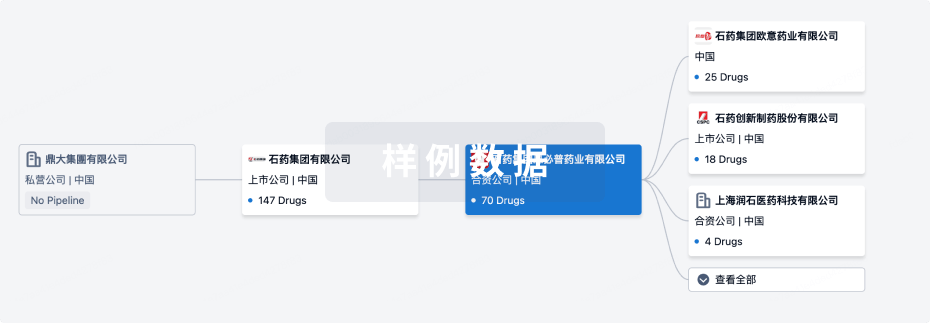
组织架构
使用我们的机构树数据加速您的研究。
登录
或
管线布局
2026年02月08日管线快照
无数据报导
登录后保持更新
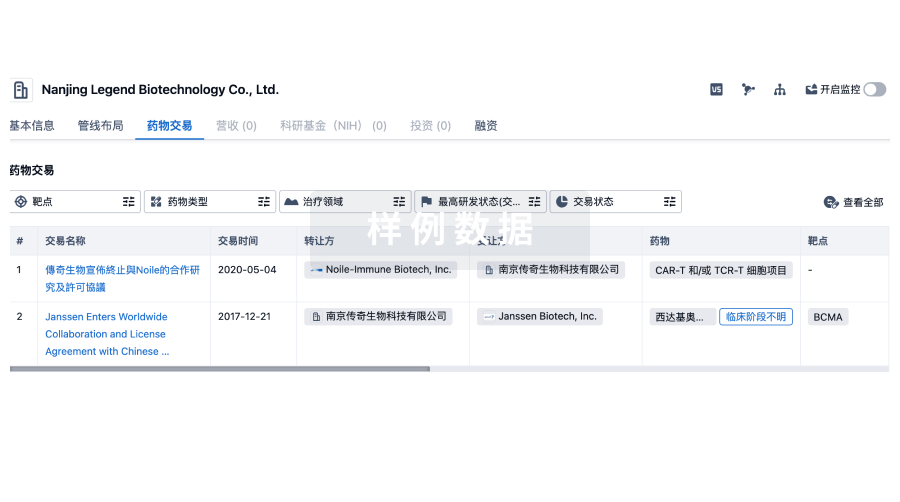
药物交易
使用我们的药物交易数据加速您的研究。
登录
或
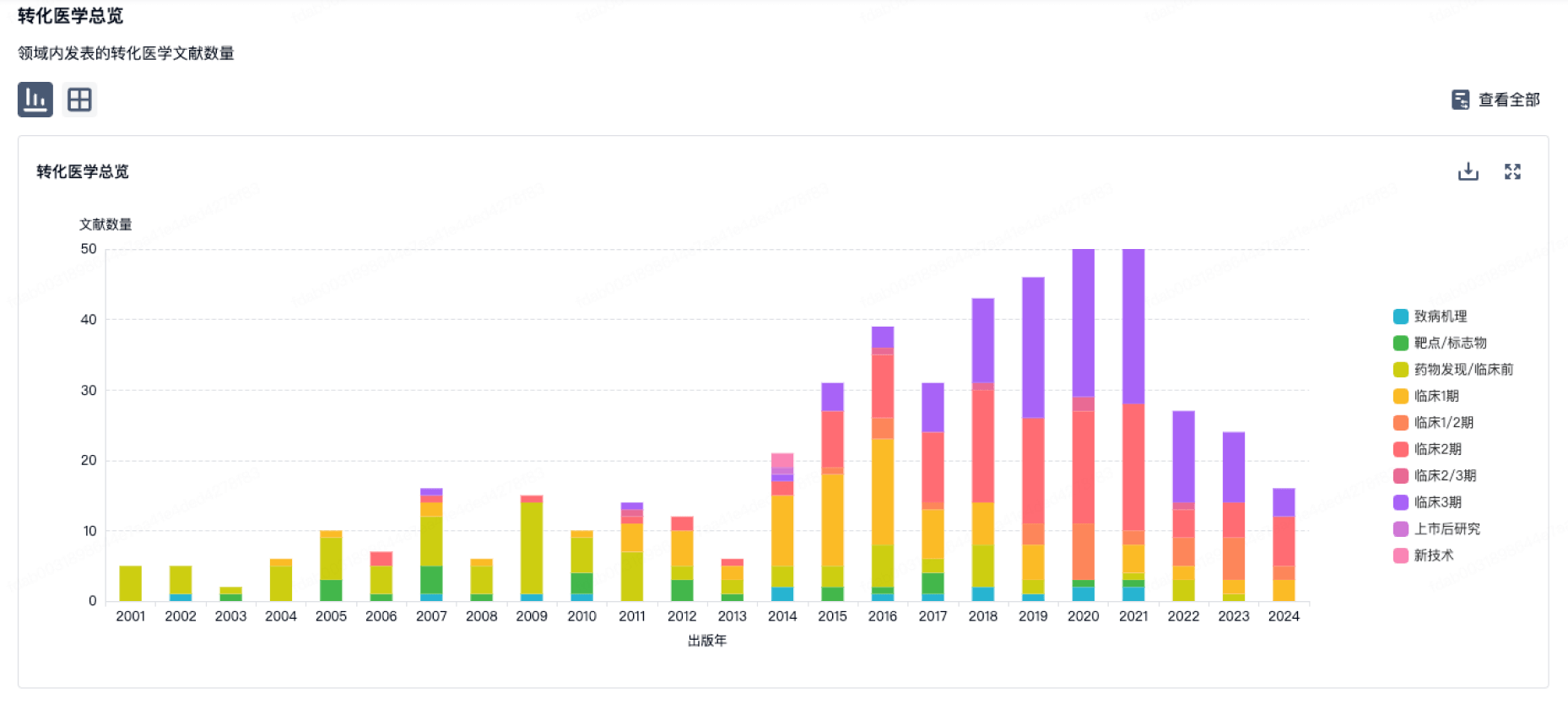
转化医学
使用我们的转化医学数据加速您的研究。
登录
或
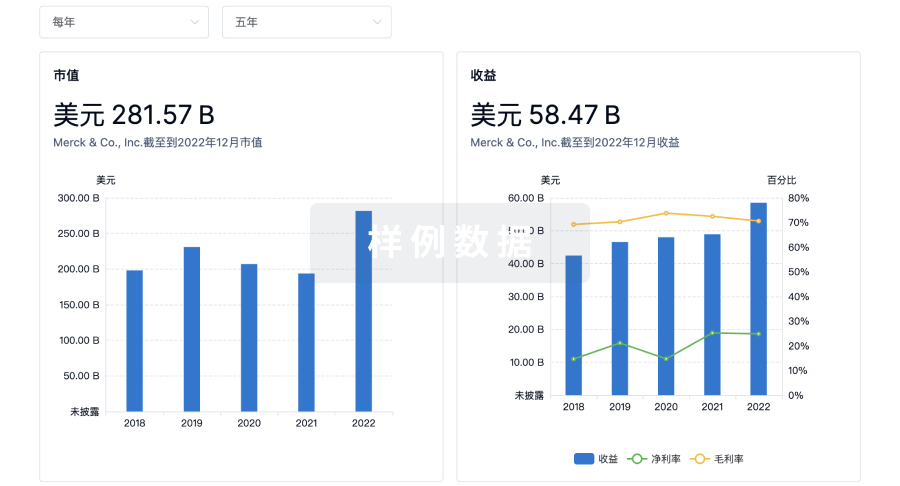
营收
使用 Synapse 探索超过 36 万个组织的财务状况。
登录
或
科研基金(NIH)
访问超过 200 万项资助和基金信息,以提升您的研究之旅。
登录
或
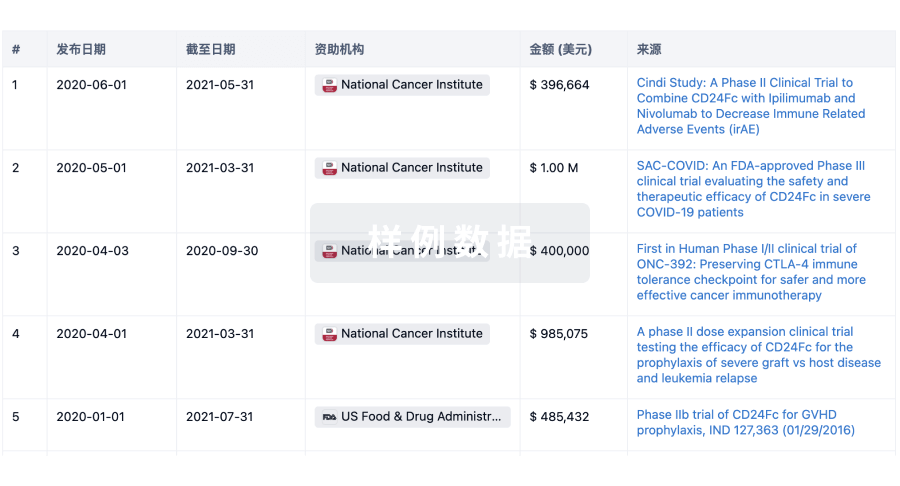
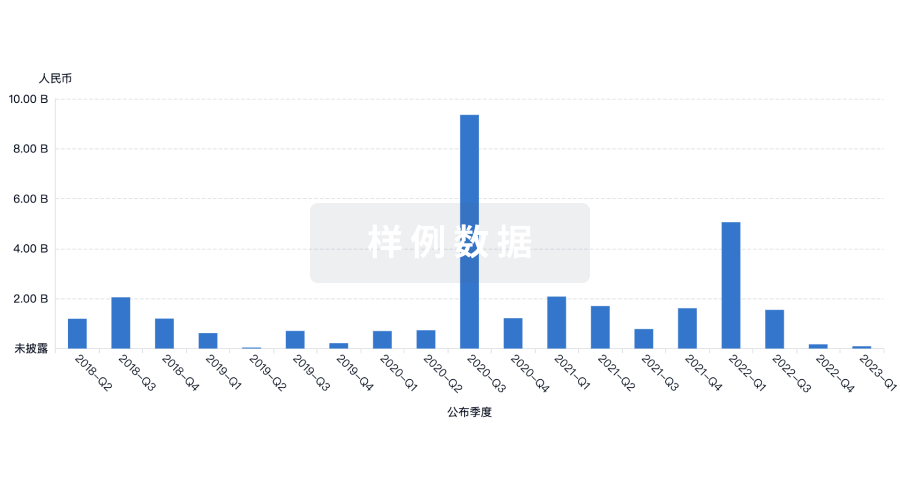
投资
深入了解从初创企业到成熟企业的最新公司投资动态。
登录
或
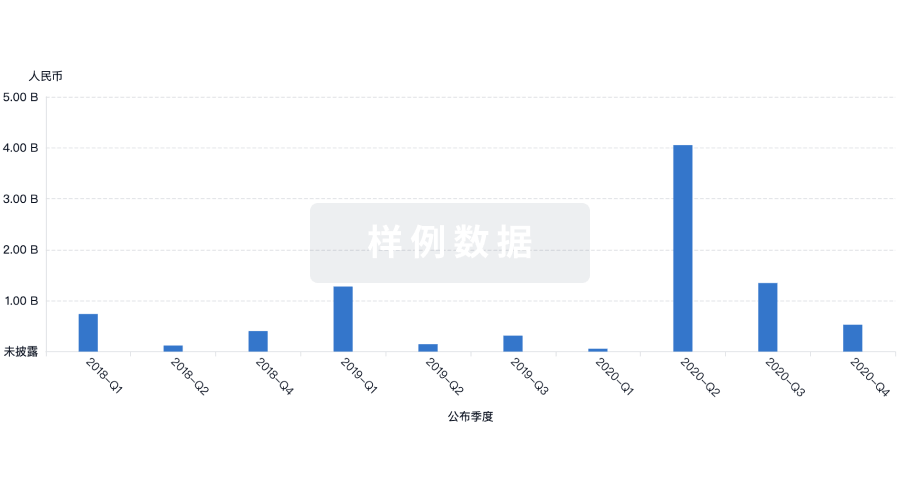
融资
发掘融资趋势以验证和推进您的投资机会。
登录
或
生物医药百科问答
全新生物医药AI Agent 覆盖科研全链路,让突破性发现快人一步
立即开始免费试用!
智慧芽新药情报库是智慧芽专为生命科学人士构建的基于AI的创新药情报平台,助您全方位提升您的研发与决策效率。
立即开始数据试用!
智慧芽新药库数据也通过智慧芽数据服务平台,以API或者数据包形式对外开放,助您更加充分利用智慧芽新药情报信息。
生物序列数据库
生物药研发创新
免费使用
化学结构数据库
小分子化药研发创新
免费使用