预约演示
更新于:2026-01-29

Hurley Medical Center, Inc.
更新于:2026-01-29
概览
关联
NCT05798728
Outpatient Transcervical Balloon: Does it Shorten the Hospital Stay for Induction of Labor? Randomized Control Trial
NCT05386316
Meeting Women Where They Are: The Maternal Health Multilevel Intervention for Racial Equity (MIRACLE) Project

NCT04767282
Innovative Nutrition Practices in Pediatric Health Care: Assessment of a Fruit and Vegetable Prescription Program for Children in Need
100 项与 Hurley Medical Center, Inc. 相关的临床结果
登录后查看更多信息
登录后查看更多信息
2026-01-01NEUROSURGERY
Evaluating the Impact of Frailty on Mortality in Patients With Nonoperative and Operative Type II Odontoid Fracture: An American College of Surgeons Trauma Quality Improvement Program Survival Analysis of 22 440 Patients
Article
作者: Owodunni, Oluwafemi P. ; Courville, Evan N. ; Schmidt, Meic H. ; Norii, Tatsuya ; Crandall, Cameron S. ; Bowers, Christian A.
BACKGROUND AND OBJECTIVES::
Type II odontoid fractures (T2OF) are the most prevalent cervical spine injuries among the elderly. Nonetheless, there are insufficient data regarding the influence of frailty on outcomes for both nonoperative and operative treatment approaches. We sought to evaluate the influence of frailty on outcomes using 5-factor modified frailty index.
METHODS::
We performed a retrospective review of the American College of Surgeons Trauma Quality Improvement Program database from 2015 to 2020. We analyzed nonoperative and operative traumatic T2OF cases. Outcomes included major complications, hospital length of stay (LOS), nonhome discharge (NHD), mortality rates, and survival probabilities. We used unmatched and propensity score–matched risk-adjusted models to assess the association between frailty and all outcomes. Survival probabilities were examined using Kaplan–Meier plots, stratified by frailty strata.
RESULTS::
A total of 22 440 patients comprising 7138 (31.8%) robust, 7913 (35.2%) normal, 5158 (22.9%) frail, and 2231 (9.9%) very frail patients were included. Results from unmatched multivariable analyses revealed a dose-dependent relationship between frailty and all outcomes, in both cohorts (
P
< .05). Propensity score–matched resulted in 3942 nonoperative and operative matched pairs. Preoperative characteristics were similar between cohorts, except for age: 75 years (IQR: 60-83) for nonoperative and 70 years (IQR: 56-78) for operative, and male sex: 1799 (55.8%) for nonoperative and 439 (61.1%) for operative cohorts. Significant mortality reductions (43%-77%;
P
< .05) were observed in the operative cohort compared with the nonoperative cohort across all frailty strata. As expected, the operative cohort had longer LOS and increased NHD risk ranging from 64% to 97%,
P
< .001. In Kaplan–Meier analyses, survival declined significantly across increasing frailty strata
P
< .001.
CONCLUSION::
Increasing frailty was independently associated with major complications, LOS, NHD, and decreased survival. Operative patients exhibited improved survival compared with nonoperative patients across all frailty strata. These findings highlight the importance of frailty in T2OF management and care coordination.
2026-01-01FERTILITY AND STERILITY
The impact of supraphysiologic estradiol levels on placental pathology among in vitro fertilization–conceived singleton livebirths after fresh embryo transfer
Article
作者: Cherouveim, Panagiotis ; Bormann, Charles L ; Fitz, Victoria ; Kavelidou, Marianthi ; James, Kaitlyn ; Dimitriadis, Irene ; Minis, Evelyn ; Jiang, Victoria ; Roberts, Drucilla ; Souter, Irene
OBJECTIVE:
To investigate the effect of supraphysiologic estradiol levels during ovarian stimulation on placental pathology among singleton livebirths conceived with in vitro fertilization (IVF) and fresh embryo transfer.
DESIGN:
Retrospective cohort study.
SUBJECTS:
Six hundred twenty six IVF-conceived singleton livebirths with associated placental pathology.
EXPOSURE:
Two separate analyses were performed, using the ≥75th (2588.75pg/mL), and ≥ 90th (3120.5 pg/mL) estradiol percentile as cut-offs. Livebirths were categorized as below or above the estradiol cut-off at time of trigger, and placental abnormalities were compared between groups.
MAIN OUTCOME MEASURES:
Placental pathology (abnormalities classified as: anatomic, vascular, infectious, and inflammatory).
RESULTS:
Mean (SD) age and body mass index were 35.2 (4.0) years and 24.8 (4.5) kg/m2. Most patients were identified as White (n = 482, 77.0%), and the most common infertility diagnosis was male factor (n = 178, 28.9%). Using the 75th percentile as estradiol cut-off, unadjusted rates of placental abnormalities did not differ between the two groups (anatomic: 63.7% vs. 65.9%; vascular: 72.0% vs. 66.1%; infectious:33.1% vs. 32%; and inflammatory: 14.6% vs. 20%, for ≥75th vs. <75th percentile, respectively). Adjusted risk ratio (adjRR) (95% confidence interval [CI]) was calculated to account for possible confounding factors (maternal age, body mass index, infertility diagnosis, stimulation protocol, gestational age at delivery, and infant sex). AdjRR (95% CI) did not show significant differences between groups in risk of anatomic or infectious abnormalities. In patients with estradiol levels ≥75th percentile, the risk of vascular abnormalities was higher vs. patients in the <75th percentile group (adjRR [95% CI] 1.14 [1.00-1.29]). Among patients with estradiol levels ≥75th percentile, the risk of inflammatory abnormalities was lower vs. patients in the <75th percentile group (adjRR [95% CI] 0.62 [0.38-0.99]). When using the 90th percentile as the cut-off, no significant differences were noted between groups in rates of anatomic, vascular, infectious, or inflammatory abnormalities (65.1% vs. 65.4%; 76.2% vs. 66.6%; 34.9% vs. 32%; and 15.9% vs. 19%, for ≥90th vs. <90th percentile, respectively). AdjRR (95% CI) did not show significant differences between groups in risk of anatomic, infectious, or inflammatory abnormalities. However, risk for vascular abnormalities was higher among patients with estradiol ≥90th vs. <90th percentile (adjRR [95% CI]: 1.19 [1.01-1.39]).
CONCLUSION:
Our study did not reveal clinically increased risks of placental abnormalities. Higher serum estradiol during IVF was associated with a marginally higher risk for vascular placental abnormalities.
2025-12-01JOURNAL OF CLINICAL NEUROSCIENCE
A systematic review on COVID-19 and spinal strokes, the end of an era
Review
作者: Mahdavi, Sadegh Baradaran ; Moisi, Marc ; Arora, Shubham ; Mirza, Sara ; Bowers, Christian ; Zoghi, Sina ; Shah, Smit ; Venero, Carmelo ; Sourani, Arman ; Foroughi, Mina ; Haridas, Abilash ; Vahdat, Noushin
AIM:
To investigate the association of the COVID-19 virus with hemorrhagic and ischemic spinal strokes.
, BACKGROUND:
COVID-19 has extensive extrapulmonary manifestations. Myelitis, demyelinating syndromes, hemorrhagic and ischemic presentations have been reported. To date, there is no comprehensive study to delineate an evidence-based correlation between COVID-19 and spinal strokes comprehensively.
MATERIALS AND METHODS:
A PRISMA-based systematic review.
RESULTS:
In the final review, 8 data sets for ischemia and 11 for hemorrhagic lesions were included. The mean age for ischemia and hemorrhagic lesions was 52 and 47 years old, respectively. Patients with cord ischemia had more severe COVID-19 pneumonia as compared to hemorrhagic (62 % vs 27 %). Lab results showed 75 % coagulation abnormalities in cord ischemia patients while there was no coagulopathy in the hemorrhage group. Somatosensory deficits were the most prevalent neurological presentations in both groups. MRI showed that the anterior spinal artery and central ischemia were the most common patterns of COVID-19 spinal ischemia. MRI images also revealed epidural and intramedullary hematomas were the most common type of hemorrhagic lesions with cervical and thoracic preferences. The most common on-admission neurological status was American Spinal Injury Association (ASIA) impairment scale A-B(ischemia) and ASIA B-D(hemorrhage). All of the ischemic patients received conservative management. In hemorrhagic patients, there were 4 laminectomies, 6 conservative management, and 1 combined approach. Post-intervention clinical outcomes in ischemia were unfavorable but in the hemorrhagic spinal strokes, it had more promising results.
CONCLUSION:
COVID-19 can cause both ischemia and hemorrhagic spinal strokes. Coagulopathy may be a precipitating factor in cord ischemia development while other neuropathogenesis mechanisms may precipitate spinal hemorrhage. Early surgical or conservative management is the key factor in determining long-term outcomes.
100 项与 Hurley Medical Center, Inc. 相关的药物交易
登录后查看更多信息
100 项与 Hurley Medical Center, Inc. 相关的转化医学
登录后查看更多信息
组织架构
使用我们的机构树数据加速您的研究。
登录
或
管线布局
2026年02月08日管线快照
无数据报导
登录后保持更新
药物交易
使用我们的药物交易数据加速您的研究。
登录
或
转化医学
使用我们的转化医学数据加速您的研究。
登录
或
营收
使用 Synapse 探索超过 36 万个组织的财务状况。
登录
或
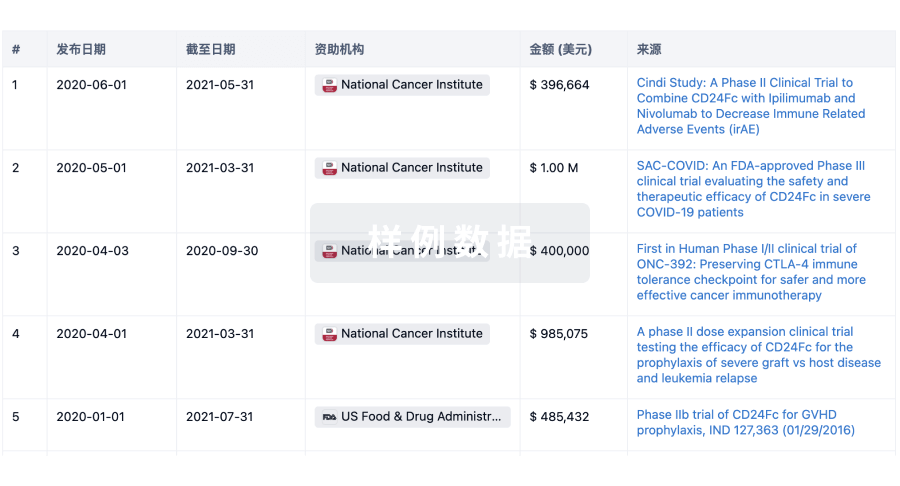
科研基金(NIH)
访问超过 200 万项资助和基金信息,以提升您的研究之旅。
登录
或
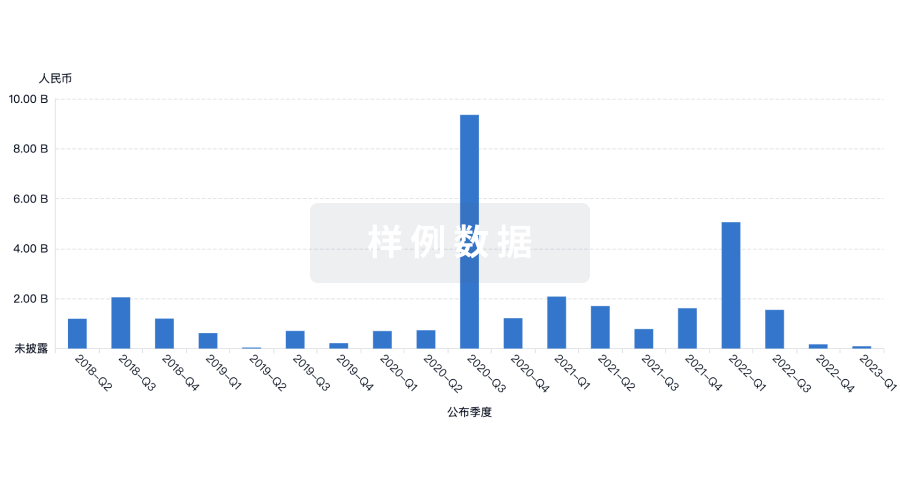
投资
深入了解从初创企业到成熟企业的最新公司投资动态。
登录
或
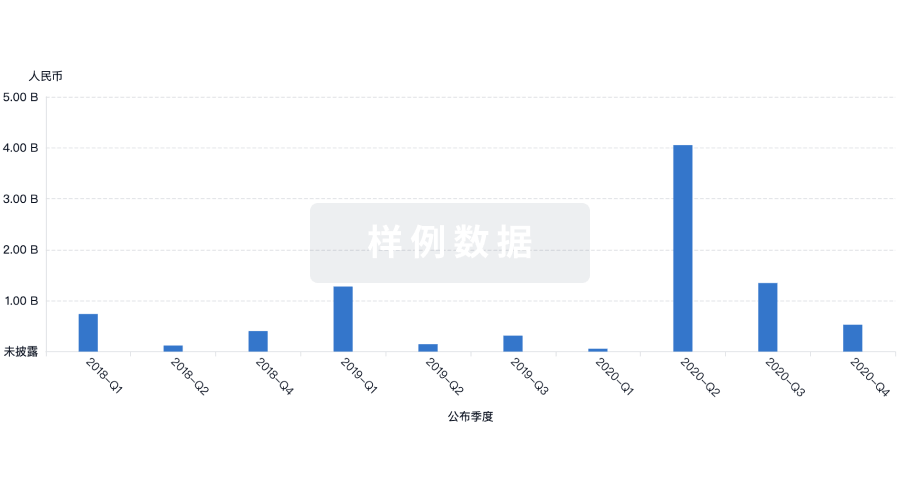
融资
发掘融资趋势以验证和推进您的投资机会。
登录
或
生物医药百科问答
全新生物医药AI Agent 覆盖科研全链路,让突破性发现快人一步
立即开始免费试用!
智慧芽新药情报库是智慧芽专为生命科学人士构建的基于AI的创新药情报平台,助您全方位提升您的研发与决策效率。
立即开始数据试用!
智慧芽新药库数据也通过智慧芽数据服务平台,以API或者数据包形式对外开放,助您更加充分利用智慧芽新药情报信息。
生物序列数据库
生物药研发创新
免费使用
化学结构数据库
小分子化药研发创新
免费使用