预约演示
更新于:2025-05-07
Biotech Research & Innovation Centre
更新于:2025-05-07
概览
关联
1
项与 Biotech Research & Innovation Centre 相关的药物靶点- |
作用机制- |
在研机构- |
在研适应症- |
最高研发阶段无进展 |
首次获批国家/地区- |
首次获批日期- |
100 项与 Biotech Research & Innovation Centre 相关的临床结果
登录后查看更多信息
0 项与 Biotech Research & Innovation Centre 相关的专利(医药)
登录后查看更多信息
87
项与 Biotech Research & Innovation Centre 相关的文献(医药)2025-04-21·Cancer Research
Abstract 530: A personalized HGSC organoid platform for repurposing lysosomal death inducing drugs
作者: Kallunki, Tuula Anneli ; Rasmussen, Benita Sophie ; Lahtinen, Alexandra ; Valkonen, Elina ; Ventura, Mar Casasnovas ; Skorda, Aikaterini ; Hynninen, Johanna ; Senkowski, Wojciech ; Fuso, Lorenzo ; Carpen, Olli ; Arias, Jaume Roca ; Wennerberg, Krister ; Lauridsen, Anna Røssberg ; Abdul-Al, Ahmad ; Afedeva, Daria ; Bay, Marie Lund ; Virtanen, Anni ; Oikkonen, Jaana ; Li, Yilin ; Hautaniemi, Sampsa
2023-07-20·Molecular cell
Chromatin regulation of transcriptional enhancers and cell fate by the Sotos syndrome gene NSD1.
Article
作者: Lin, Yuan ; Liu, Dingyu ; Sun, Zhen ; Hedehus, Lin ; Vierbuchen, Thomas ; Sawyers, Charles L ; Huang, Chang ; Islam, Mohammed T ; Helin, Kristian ; Koche, Richard
2023-06-02·Cancer Research
Abstract A047: Panorama of complex structural variants in primary localized prostate cancer
作者: Girma, Etsehiwot ; Papenfuss, Tony ; Li, Yilong ; Helin, Kristian ; Reimand, Jüri ; Feran, Breon ; Favero, Francesco ; Weischenfeldt, Joachim ; Olsen, André
4
项与 Biotech Research & Innovation Centre 相关的新闻(医药)2023-12-05
The Biotech Innovation Organization on Tuesday named Amicus Therapeutics co-founder and longtime leader John Crowley as its new CEO, taking over a spot interim chief Rachel King has held for the past 14 months.BIOs decision to name Crowley, who will assume the role effective March 4, as permanent CEO comes just over a year after the tumultuous exit of Michelle McMurry-Heath, who left the organization after reportedly clashing with its board amid lagging staff morale and financial problems.Crowley will take the reins at a time when the industry group is challenging the U.S. government on at least two fronts: The newly granted drug pricing power bestowed to Medicareunder the Inflation Reduction Act, and the Federal Trade Commissions more aggressive stance toward biopharmaceutical deals.Crowley has experience not only lobbying for the industry before Congress, but advocating for rare disease research and leading one of its companies, Amicus, for nearly two decades.In a statement, Ted Love, BIOs board chair and the former CEO of Global Blood Therapeutics, praised Crowleys unwavering commitment to patients.He possesses a lifelong dedication to service, whether fighting for his country, wisely negotiating on behalf of our companies in Congress, or advocating in hospitals on behalf of his children and patients with rare disease, Love said in a statement.Crowley pivoted from financial consulting to the pharmaceutical industry after two of his children were born with a rare disorder called Pompe disease. After working in a management role at Bristol Myers Squibb, he ran a biotech known as Novazyme, which successfully developed a treatment for Pompe now marketed by Sanofi. The story was recounted in a book and later, the motion picture Extraordinary Measures.He joined Amicus in 2005 and served as its CEO through 2022 when he transitioned to a role as the companys executive chairman. During that time the New Jersey-based company won approval for two rare-disease drugs, Galafold for Fabry disease and Pombiliti for Pompe.That journey wasnt without its setbacks. The Food and Drug Administration hesitated to approve Galafoldapproval because of limited data, but later reversed course and cleared it, a turnaround linked to a meeting between Crowley and former President Donald Trump.Amicus also still isnt turning a profit. In 2022, it recorded a lossof $237 million on $329 million in product revenue. '
高管变更上市批准财报
2023-07-05
More than 10 urgent visits to the bathroom a day due to diarrhea can make it virtually impossible to lead a normal life. But new research can help doctors diagnose bile acid diarrhea and find the right treatment.
Most people have at some point in their life suffered an intestinal infection or food poisoning forcing them to stay close to the bathroom. It is very uncomfortable. Most of the time, though, it passes quickly.
But around 60,000-100,000 Danes suffer from a form of chronic diarrhea called bile acid malabsorption or bile acid diarrhea.
It is a chronic condition characterised by frequent and sudden diarrhea more than 10 times a day. Even though the disease is not life-threatening, it can seriously affect the patient's everyday life, especially their social life, and be extremely disabling.
"You have to rush to the bathroom several times a day. Therefore, keeping a job or maintaining social relations can be difficult, and a lot of people isolate themselves. The disease controls their life," says Professor Jesper Bøje Andersen from the Biotech Research & Innovation Centre.
He and his research group and clinical cooperation partners at Herlev and Gentofte Hospital headed by Professor and Consultant Doctor Filip Krag Knop are responsible for a new study, which provides new ways of diagnosing bile acid diarrhea and identifying the most effective treatment for the individual patient.
"A lot of people with chronic diarrhea don't realise that they suffer from bile acid diarrhea and what has caused it. This is a result of lack of knowledge among healthcare workers and the relatively complex and expensive -- and for the patient difficult -- process of diagnosing the disease," says Filip Krag Knop.
Jesper Bøje Andersen adds:
"We have developed a new concept which may be used to diagnose the disease based on a simple blood sample. Today, diagnostics involves radiopharmaceuticals, which means that there is a radiation risk. The process is not necessarily dangerous, but unpleasant and arduous, and not all countries in the world support the method, including the US."
The new method means that doctors should be able to determine whether the patient has bile acid diarrhea based on a simple blood sample. They focus on molecules known as metabolites in the blood.
"A blood sample contains lots of different metabolites. Right now we are able to identify almost 1,300 different metabolites, and around a handful of these can be used to diagnose bile acid diarrhea. The metabolites of bile acid diarrhea patients form a particular pattern that makes them recognisable," says Jesper Bøje Andersen.
Which treatment?
The researchers analysed blood samples from 50 patients and they quickly realised that the samples -- and patients -- could be divided into two groups.
"First, we did not understand why. All the blood samples had been taken before treatment, typically at the time of diagnosis," says Jesper Bøje Andersen.
The patients then participated in a randomised clinical study at the Center for Clinical Metabolic Research at Herlev and Gentofte Hospital. Here the doctors studied the effect of two different treatments: the conventional treatment involving bile acid sequestrant colesevelam and a new treatment involving liraglutide, which is normally used to treat type 2 diabetes and severe overweight.
"What is interesting is that the metabolites in the patients' blood divided them into two groups: one that responds well to colesevelam and one that responds well to liraglutide. This suggests that we should be able to say which treatment is the most effective by analysing the patient's blood at the time of diagnosis," says Jesper Bøje Andersen.
The clinical study showed that colesevelam treatment eased the bile acid diarrhea symptoms of 50 per cent of the patients, while liraglutide treatment eased the symptoms of 77 per cent of the patients.
Jesper Bøje Andersen, Filip Krag Knop and their research groups hope the new study will benefit the 60,000-100,000 Danes who suffer from bile acid diarrhea.
The majority of cases of bile acid diarrhea is diagnosed at a very late stage or never diagnosed at all.
"Around 40 per cent of the patients suffer from this condition for up to five years before it is diagnosed. Of course, this may be because they do not realise that it is a disease and that it can be treated. But it may also be because chronic diarrhea is a tabooed disease," says Filip Krag Knop.
2022-07-27
How do you detect a dangerous cancer if you do not know exactly what to look for or where? New research into biliary tract cancer can pave the way for early detection of the deadliest cancers.
One of the deadliest forms of cancer is biliary tract cancer. Only one in three patients diagnosed with the disease is operable. The rest must settle for life-sustaining treatment.
The reason why this cancer is so deadly is that it is difficult to diagnose, and therefore, most patients are not diagnosed with the disease until after the cancer has had time to spread.
Nevertheless, new research from the University of Copenhagen can pave the way for early detection of biliary tract cancer and other serious cancers.
"Our study shows that biliary tract cancer causes the immune cells to change behaviour, resulting in a unique expression of microRNA molecules in the patient's blood. These changes enable us to diagnose biliary tract cancer much earlier than with existing tests," says Associate Professor Jesper Bøje Andersen. He is head of the group of researchers from the Biotech Research & Innovation Centre at the University of Copenhagen who are responsible for the new study.
"Sometimes tumours, including the ones you find in the biliary tract, differ considerably, and developing a comprehensive measure for these tumours can therefore be difficult. But one thing all cancers have in common is the fact that they affect the immune system," says PhD Dan Høgdall, who is first author of the study and a doctor at the Department of Oncology at Herlev and Gentofte Hospital. He adds:
"We need to focus attention on how cancer affects the body as a whole instead of focussing solely on the cancer cells. Among other things, such a broad approach has paved the way for brand new treatments involving immunotherapy, which is targeted at the immune cells instead of the cancer cells. Adopting a broad approach can also provide us with important knowledge about early diagnostics."
Cancer causes the immune cells to change behaviour
The researchers have examined more than 200 blood samples from people with and without biliary tract cancer. They have analysed the cells in the blood, a large part of which were immune cells. More specifically, they have conducted microRNA analyses. MicroRNA is a group of genes, which play a key part in the complex development of the human genome.
"By comparing the different levels of microRNA in the blood, we identified four microRNAs, and this enabled us to distinguish patients with biliary tract cancer from healthy participants. Other types of blood analyses were unable to do that. All in all, the data indicates that microRNAs change in patients with biliary tract cancer," says Jesper Bøje Andersen.
The new study is not the first to research cancer and the immune system, but it is the first to do so in relation to biliary tract cancer.
"The research method is also new. We look at the blood as a whole and thus at all the cells, which largely consist of immune cells. A lot of research seeks to identify methods for early detection of cancer. But it is like looking for a needle in a haystack, as the goal is to find the tumours while they are still very small. The idea behind this approach is to look not for the needle, but for small changes in the haystack," explains Dan Høgdall.
Even though the researchers have completed the study, it will be a while before the new method can be used to diagnose patients.
"This is basic research, which means that it will take some time. But it does suggest that it makes sense to look at the systemic impact of cancer. It will require more in-depth research, though," he says.
Biliary tract cancer
免疫疗法
100 项与 Biotech Research & Innovation Centre 相关的药物交易
登录后查看更多信息
100 项与 Biotech Research & Innovation Centre 相关的转化医学
登录后查看更多信息
组织架构
使用我们的机构树数据加速您的研究。
登录
或
管线布局
2026年02月08日管线快照
管线布局中药物为当前组织机构及其子机构作为药物机构进行统计,早期临床1期并入临床1期,临床1/2期并入临床2期,临床2/3期并入临床3期
其他
1
登录后查看更多信息
药物交易
使用我们的药物交易数据加速您的研究。
登录
或
转化医学
使用我们的转化医学数据加速您的研究。
登录
或
营收
使用 Synapse 探索超过 36 万个组织的财务状况。
登录
或
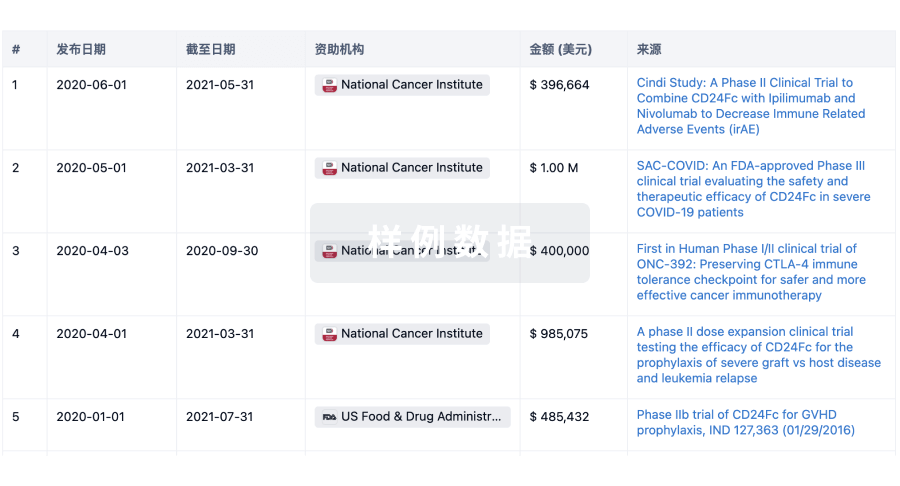
科研基金(NIH)
访问超过 200 万项资助和基金信息,以提升您的研究之旅。
登录
或
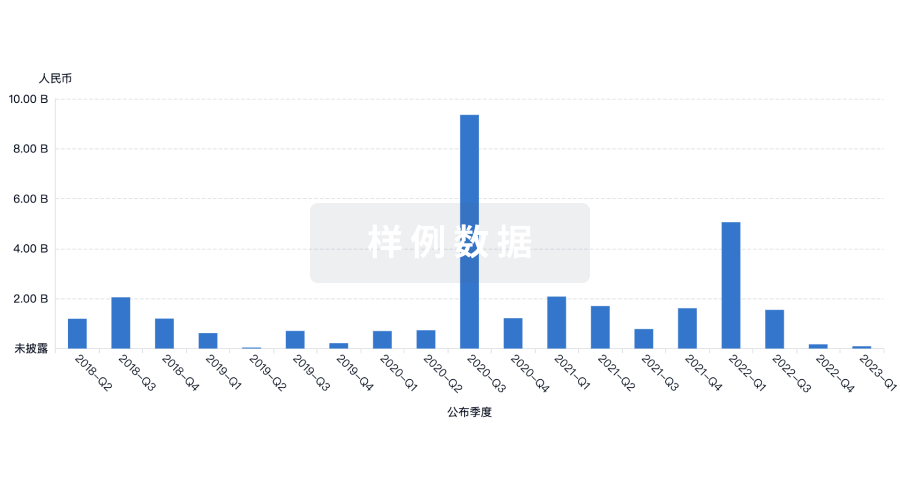
投资
深入了解从初创企业到成熟企业的最新公司投资动态。
登录
或
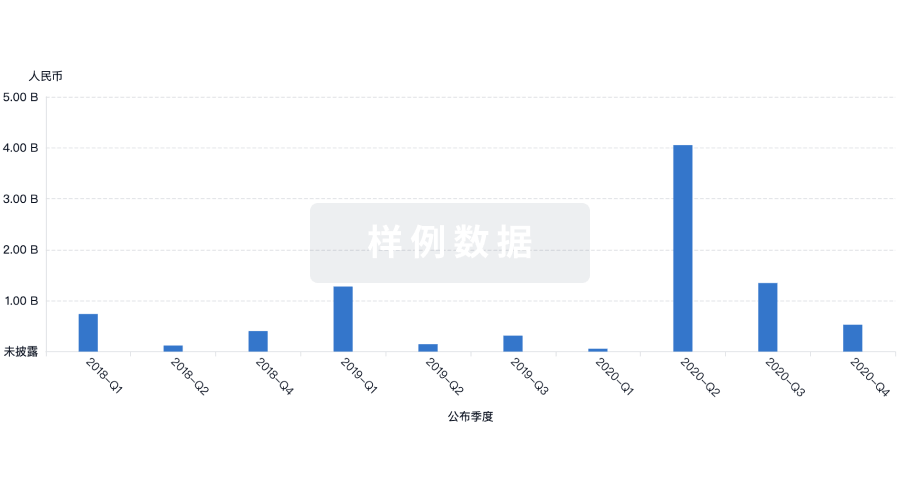
融资
发掘融资趋势以验证和推进您的投资机会。
登录
或
生物医药百科问答
全新生物医药AI Agent 覆盖科研全链路,让突破性发现快人一步
立即开始免费试用!
智慧芽新药情报库是智慧芽专为生命科学人士构建的基于AI的创新药情报平台,助您全方位提升您的研发与决策效率。
立即开始数据试用!
智慧芽新药库数据也通过智慧芽数据服务平台,以API或者数据包形式对外开放,助您更加充分利用智慧芽新药情报信息。
生物序列数据库
生物药研发创新
免费使用
化学结构数据库
小分子化药研发创新
免费使用