预约演示
更新于:2026-09-30
Inha University Hospital Co., Ltd.
更新于:2026-09-30
概览
关联
173
项与 Inha University Hospital Co., Ltd. 相关的临床试验NCT07844434
Prospective Observational Comparative Pilot Study to Evaluate Performance of an AI-based Cardiac Disease Analysis Algorithm Using Standard 12-lead ECG and Single-lead ECG Data
This pilot study is designed to evaluate the clinical performance and utility of the SmartECG-EF software in patients undergoing evaluations at Inha University Hospital. The primary objective is to assess how effectively the device assists clinicians in evaluating cardiac function and related clinical parameters. The study will prospectively enroll eligible participants to gather real-world clinical data, contributing to enhanced diagnostic accuracy and patient management.
开始日期2026-08-30 |
KCT0012422
Clinical Efficacy and Safety Evaluation of Total Hip Arthroplasty Using the CUVIS-joint 150 Robotic System with Automatic Bone Resection Function: A Single-Center Study
开始日期2026-08-10 |
KCT0012114
Intramuscular Atelocollagen Injection Therapy for Recovery After Hip Fracture Surgery: A Single-Center Randomized Clinical Trial
开始日期2026-06-12 |
100 项与 Inha University Hospital Co., Ltd. 相关的临床结果
登录后查看更多信息
0 项与 Inha University Hospital Co., Ltd. 相关的专利(医药)
登录后查看更多信息
1,121
项与 Inha University Hospital Co., Ltd. 相关的文献(医药)2026-09-01·Annals of Gastroenterological Surgery
Pylorus‐Preserving Gastrectomy for Gastric Cancer: Current Evidence and Future Directions
Review
作者: Sa-Hong Kim ; Hyuk-Joon Lee
ABSTRACT:
Pylorus‐preserving gastrectomy (PPG) is a function‐preserving surgery for clinically T1N0M0 (cT1N0M0) early gastric cancer (EGC) located in the middle third of the stomach, at least 4 cm proximal from the pylorus. By preserving the peri‐pyloric tissues, including the hepatic branch of the vagus nerve and the infrapyloric vessels, PPG maintains physiological pyloric function without compromising oncologic safety. Several randomized controlled trials (RCTs) have demonstrated the functional advantages of PPG. In particular, the Korean multicenter RCT (KLASS‐04) reported a lower incidence of gallstone formation, bile reflux, and postoperative nutritional deficiencies. While PPG is technically demanding and associated with concerns regarding delayed gastric emptying (DGE), recent advances in minimally invasive surgery and intraoperative assessment tools, including augmented imaging technology using indocyanine green (ICG), have facilitated its safe implementation. Although PPG is currently indicated for cT1N0M0 EGC, emerging evidence suggests that patients pathologically confirmed as advanced disease postoperatively may still achieve favorable outcomes with standard adjuvant therapy without requiring additional surgery, suggesting potential oncological acceptability of PPG in carefully selected patients with advanced disease. The integration of robotic platforms and navigation‐guided visualization with augmented imaging technology may further enhance oncologic safety and technical feasibility. This review aims to outline the current evidence and future directions of PPG, focusing on the feasibility of extending its application beyond its traditional indications.
2026-07-01·Tuberculosis and Respiratory Diseases
SERPINA3 as a Secreted-Protein Biomarker Associated with Poor Prognosis and T-Cell Dysfunction in Non-small Cell Lung Cancer
Article
作者: Lee, Sang Hoon ; Jeong, Wooju ; Kim, Joon ; Kim, Eun Young ; Oh, Chang-Myung ; Lee, Geunin ; Jo, Yunju ; Yong, Seung-Hyun ; Ryu, Dongryeol
Background: Lung cancer remains the leading cause of cancer-related mortality, with poor outcomes driven by late presentation and therapy resistance. While genes encoding secreted proteins may reflect tumor biology and have biomarker potential, systematic multi-cohort studies that identify and validate prognostically relevant secreted protein candidates in non-small cell lung cancer (NSCLC) are limited.Methods: We conducted a multi-cohort transcriptomic screen of 1,896 genes encoding secreted proteins to nominate prognostic candidates in NSCLC. Candidates were prioritized based on differential expression between tumor and normal tissues and survival associations across public NSCLC cohorts. Serpin family A member 3 (SERPINA3) was selected for further validation in The Cancer Genome Atlas (TCGA) NSCLC dataset. Tumors were stratified by SERPINA3 expression for Kaplan–Meier survival analysis and gene set enrichment analysis (GSEA) using the Hallmark and Kyoto Encyclopedia of Genes and Genomes (KEGG) collections. Translational relevance was assessed in a retrospective bronchoalveolar lavage fluid (BALF) registry using multivariable Cox models.Results: In the TCGA NSCLC dataset, SERPINA3-high tumors had shorter overall survival (OS; log-rank p=0.016) and progression-free survival (PFS; log-rank p=0.018). GSEA showed enrichment in tumor necrosis factor-α/nuclear factor-κB, inflammatory response, interleukin 6 (IL-6)–Janus kinase (JAK)–signal transducer and activator of transcription 3 (STAT3), and IL-17 signaling pathways. The SERPINA3-high state exhibited a T-cell–infiltrated, checkpoint-high phenotype consistent with T-cell dysfunction, characterized by increased levels of transforming growth factor-β, IL-10, and indoleamine 2,3-dioxygenase (IDO). In the BALF registry, higher BALF—but not plasma—SERPINA3 independently predicted shorter PFS, with a nonsignificant trend toward OS after adjustment.Conclusion: Across datasets, SERPINA3 indicates an immune-inflammatory tumor state associated with worse survival. BALF-based measurement captured tumor-proximal signals that may be less apparent in plasma, supporting its potential clinical utility for risk stratification and warranting prospective validation.
2026-06-01·PSYCHIATRY RESEARCH
Association between premenstrual syndrome and postnatal depression in women with recurrent major depressive disorder
Article
作者: Cho, Sung Joon ; Kim, Won-Hyoung ; Rhee, Sang Jin ; Song, Yoojin ; Lee, Kyu Young ; Lee, Jung Jae ; Jeong, Ji-Woon ; Won, Seunghee ; Lee, Moon Soo ; Kim, Do Hoon ; Ahn, Yong Min ; Joo, Eun-Jeong ; Baek, Ji Hyun ; Kendler, Kenneth S ; Moon, Seok Woo ; Lee, Heon-Jeong ; Lee, Dongyun ; Myung, Woojae ; Song, Joo Yun ; Min, Sooyeon ; Park, Christopher Hyung Keun ; Yang, Jeong Hun ; Park, Jaesub ; Choe, Young Min ; Na, Kyoung-Sae ; Yoo, So Young ; Flint, Jonathan ; Lee, So Hee
Postnatal depression (PND) represents a major mental health concern with significant implications for mothers and children. Premenstrual syndrome (PMS) has been suggested as a potential risk factor for PND, although its role among women with recurrent major depressive disorder (MDD) remains unclear. Using data from the Korean Mood Disorder Genetic Study-Depression (KOMOGEN-D), an analysis of 2309 women with recurrent major depressive disorder and at least one childbirth experience was conducted to investigate the association between PMS and PND.PMS was defined by self-reported premenstrual emotional symptoms, and PND was defined as a depressive episode within 6 months postpartum. Logistic regression analysis was performed. Women with PMS demonstrated significantly higher rates of PND than those without PMS (45.5% vs. 22.5%, p < 0.001). Younger age (odd ratio [OR]: 0.93, 95% confidence interval [CI]: 0.93-0.94, p < 0.001), younger age at menarche (OR: 0.84, 95% CI: 0.8-0.87, p < 0.001), PMS (OR: 2.87, 95% CI: 2.4-3.45, p < 0.001), childhood sexual abuse (OR: 1.65, 95% CI: 1.33-2.04, p < 0.001), and a family history of MDD (OR: 1.76, 95% CI: 1.48-2.1, p < 0.001) were associated with PND. A positive association was observed between PMS symptom burden and PND incidence. Women with PND also exhibited earlier onset of depression, longer illness duration, and higher trauma exposure. These findings identify PMS as a marker of a clinically meaningful vulnerability profile within recurrent MDD, underscoring the need for tailored screening and intervention strategies across the reproductive life cycle.
4
项与 Inha University Hospital Co., Ltd. 相关的新闻(医药)2024-11-11
- Published clinical study on sleep apnea patients in the prestigious journal Digital Health
- Clinical research on HoneyNaps SOMNUM validates its clinical efficacy
BOSTON, Nov. 11, 2024 /PRNewswire/ -- Medical AI company HoneyNaps has published a paper demonstrating the clinical value and efficacy of its sleep disorder diagnostic algorithm, SOMNUM, in a leading international journal.
According to the validation results, SOMNUM exhibited high sensitivity and specificity in interpreting apnea and hypopnea from polysomnography (PSG) across all groups of sleep-disordered breathing patients, with excellent predictive performance in mild, moderate, and severe sleep apnea cases.
Continue Reading
[Area under the receiver operating characteristic (ROC) curve of a deep learning algorithm model for predicting obstructive sleep apnea (OSA).]
The study, titled "A Deep Learning Algorithm Model to Automatically Score and Grade Obstructive Sleep Apnea in Adult Polysomnography," was published in the latest issue of the SCIE-level international journal Digital Health (Volume 10: 1–13).
The clinical study was conducted by Prof. Choi JiHo, Head of the Center for Sleep Medicine at SoonChunHyang University Hospital Bucheon, and Prof. Park MarnJoon of the Department of Otolaryngology at Inha University Hospital. It involved 1,000 adults diagnosed with various levels of sleep-disordered breathing through polysomnography, including simple snoring and mild, moderate and severe sleep apnea.
Comparing data interpreted by the AI-based SOMNUM with expert readings of polysomnography, the study showed high sensitivity (95% CI: 98.06–98.51) and specificity (95% CI: 95.46–97.79) for detecting apnea and hypopnea across all sleep-disordered breathing groups.
SOMNUM also demonstrated excellent predictive accuracy for sleep apnea across all severity levels. The AUC (area under the ROC curve) scores for disease prediction in mild, moderate, and severe groups were 0.9402, 0.9388 and 0.9442, respectively, with no significant differences among the groups.
Sean Ha (Tae Kyoung Ha), the president of HoneyNaps USA Inc., "We are pleased that the clinical efficacy and efficiency of our sleep medical AI solutions are being validated through a reputable journal as well as through R&D and clinical trials, allowing steady adoption in medical settings. We will continue our research and development efforts and publish diverse study outcomes in global journals to validate the clinical value of HoneyNaps' medical AI technology."
For further information, please contact:
HoneyNaps USA, Inc.
Christine Kwon / Managing Director
Email: [email protected]
Address: #517, SPACES, 361 Newbury Street, Boston, MA, 02115
Website:
SOURCE HoneyNaps
WANT YOUR COMPANY'S NEWS FEATURED ON PRNEWSWIRE.COM?
440k+
Newsrooms &
Influencers
9k+
Digital Media
Outlets
270k+
Journalists
Opted In
GET STARTED
临床结果
2024-02-22
"AI Assistant for Radiologists"
Kakao Brain introduced last month a web-based radiology report Research Use Only (RUO) service powered by its large-scale artificial intelligence (AI), "KARA-CXR."
Kakao Brain plans to expand the interactive functions supporting various imaging medical examinations through the advancement of large-scale multi-modal generation AI technology.
SEOUL, South Korea, Feb. 22, 2024 /PRNewswire/ -- Kakao Brain has unveiled the research use only (RUO) web-based solution powered by "KARA-CXR" (short for "Kakao Brain AI for Radiology Assistant-CXR"), a large-scale AI algorithm that instantly generates preliminary radiology reports for doctor's review when chest X-ray images are uploaded onto the web.
Through this user-friendly and seamless solution, medical researchers can experience various functions such as: receiving two types of AI interpretations of chest X-ray images together (a simple report and a detailed full report); ability to upload multiple DICOM files at once and receiving multiple reports simultaneously; and being able to share the AI interpretations within the research group or medical community. It also features compliant security measures that anonymize and protect any personal information contained in DICOM files.
Kakao Brain started developing 'KARA-CXR' in 2022, collaborating with 11 leading university hospitals and large medical institutions. Partners include: Ewha Womans University Medical Center (Seoul, Mok-dong), Ajou University Hospital, Soonchunhyang Medical Center (Cheonan, Gumi, Seoul), Chungnam National University Hospital, Chungbuk National University Hospital, Keimyung University Dongsan Medical Center, Inha University Hospital, Dongguk University Ilsan Hospital, among others. 'KARA-CXR' has analyzed over 16 million chest X-ray images and readings. KARA-CXR is built on Kakao Brain's healthcare-specialized large-scale generative AI model, and the research team is preparing to publish the results in influential academic journals.
Kakao Brain is preparing to obtain the European Union certification and seek approval from the US FDA and Korean Ministry of Food and Drug Safety. Kakao Brain is committed to the expansion of AI-powered radiology solution to address the inefficiency in the existing interpretation and reporting process, a shortage of radiologists, and to unburden healthcare professionals from the increasing workload. As an RUO tool, KARA-CXR is currently available for research use only and is not intended to diagnose, treat, cure, or prevent any disease.
Kim Il-doo, CEO of Kakao Brain, stated, "As KARA-CXR was developed using high-quality data and the latest technology involving large-scale learning and generative AI, I hope that it will eventually play a great role in enhancing the workflow for the radiologists, not to mention improving the efficiency of chest x-ray image interpretation." He also added, "We are planning to go beyond generating AI interpretations of chest X-rays by expanding the algorithms to include interactive functions that support a variety of medical imaging tests, by utilizing the advanced large-scale multi-modal generative AI technology."
Kakao Brain is a Korea-based global AI technology company. Founded in 2017, Kakao Brain aims to develop AI technology that will change people's lifestyle and embraces the challenge of asking the 'Unthinkable Question' to spark innovation, allowing everyone to live better lives. Kakao Brain has developed numerous innovative AI technologies and services designed to enhance people's quality of life through continuous technological innovation. These include the large-scale language model KoGPT and the image generation model Karlo. Additionally, Kakao Brain contributes to the development of the AI technology community by releasing 'Coyo,' a dataset consisting of approximately 740 million images and text. More information about Kakao Brain can be found on their official website: .
SOURCE Kakao Brain
2023-09-18
SEOUL, South Korea, Sept. 18, 2023 /PRNewswire/ -- VUNO Inc., South Korean medical AI company announced that its AI-based cardiac arrest risk management system, VUNO Med®-DeepCARS™, has proven its clinical validity for the first time through a prospective study utilizing Real World Data(RWD).
VUNO announced that the multicenter clinical study paper, which confirms the clinical validity of VUNO Med®-DeepCARS™ through its initial prospective research, has been published in "Critical Care," a leading international journal in intensive care medicine.
Continue Reading
VUNO Med®-DeepCARS™ is a medical AI device that analyzes four vital signs: respiratory rate, body temperature, blood pressure, and heart rate to predict cardiac arrest within 24 hours in general ward patients. It's Korea's first cardiac arrest prediction AI medical device and is recognized as a breakthrough device by the Korean Ministry of Food and Drug Safety(MFDS).
In the study published in Critical Care, the VUNO research team conducted a multicenter study using patient data from general wards at four tertiary medical institutions: Seoul National University Hospital, Bundang Seoul National University Hospital, Inha University Hospital, and Dong-A University Hospital, each with varying sizes, locations, and medical environments.
A total of 55,083 patients admitted to general wards in all participating institutions over three months, comparing the in-hospital cardiac arrest (IHCA) prediction accuracy, unexpected intensive care unit transfer (UIT) prediction accuracy, and false alarm rate of VUNO Med®-DeepCARS™ with existing high-risk patient prediction systems like NEWS (National Early Warning Score).
The study found that the predictive performance of VUNO Med®-DeepCARS™ had an AUROC score of 0.869, outperforming traditional methods (NEWS 0.767, MEWS 0.756). The number of alarms per 1,000 beds was more than halved compared to the same sensitivity level, proving higher trustworthiness in the alarms leading to actual medical interventions. Furthermore, its effectiveness was apparent across varying patient ages, genders, and times of occurrence.
In this study, VUNO Med®-DeepCARS™ displayed exceptional predictive abilities and adaptability in identifying high-risk patients, even in its first prospective research. It consistently performed at the same level as in previous retrospective studies published in renowned international journals.
Yeha Lee, CEO of VUNO said, "The significance of this research lies in its successful execution of the first multicenter prospective study with many variables and challenges, thereby reaffirming the consistent predictive performance and versatility of VUNO Med®-DeepCARS™" and he said, adding "We will continue to enhance the product's credibility in clinical settings by conducting additional prospective research. We are committed to introducing it to more medical settings as essential care to ensure patient safety."
SOURCE VUNO Inc.
临床研究
100 项与 Inha University Hospital Co., Ltd. 相关的药物交易
登录后查看更多信息
100 项与 Inha University Hospital Co., Ltd. 相关的转化医学
登录后查看更多信息
组织架构
使用我们的机构树数据加速您的研究。
登录
或
管线布局
2026年10月16日管线快照
无数据报导
登录后保持更新
药物交易
使用我们的药物交易数据加速您的研究。
登录
或
转化医学
使用我们的转化医学数据加速您的研究。
登录
或
营收
使用 Synapse 探索超过 36 万个组织的财务状况。
登录
或
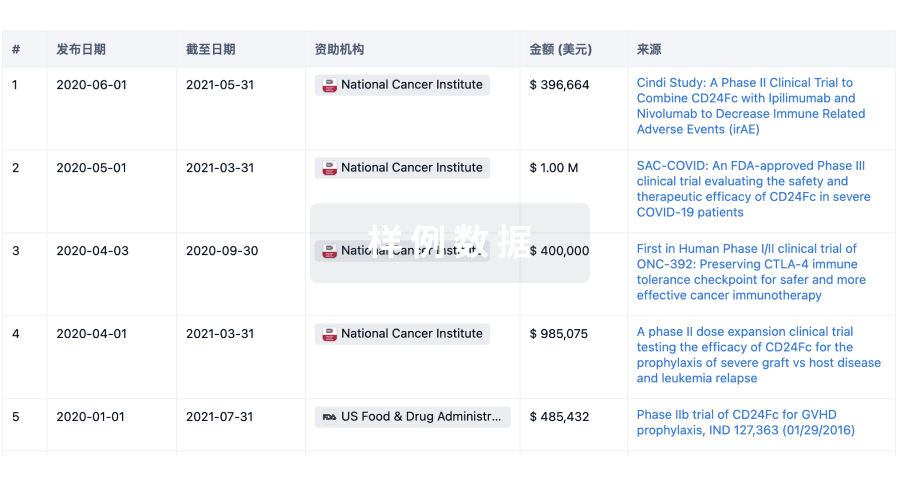
科研基金(NIH)
访问超过 200 万项资助和基金信息,以提升您的研究之旅。
登录
或
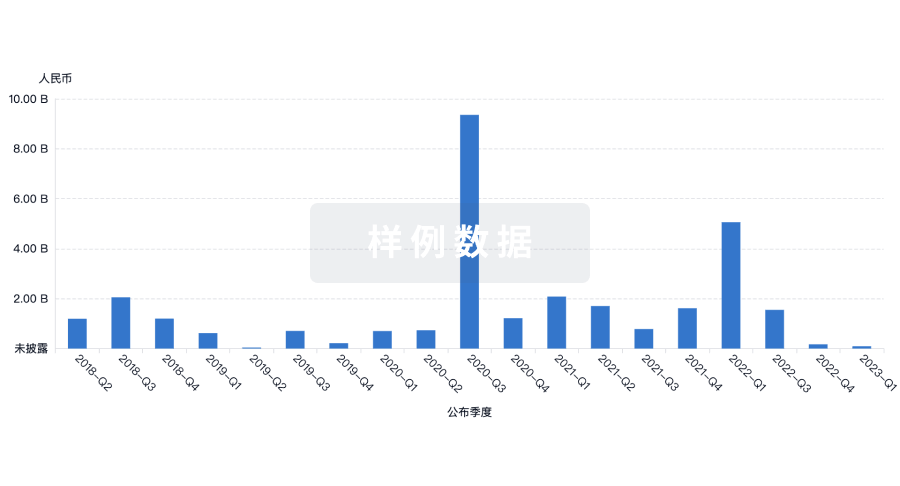
投资
深入了解从初创企业到成熟企业的最新公司投资动态。
登录
或
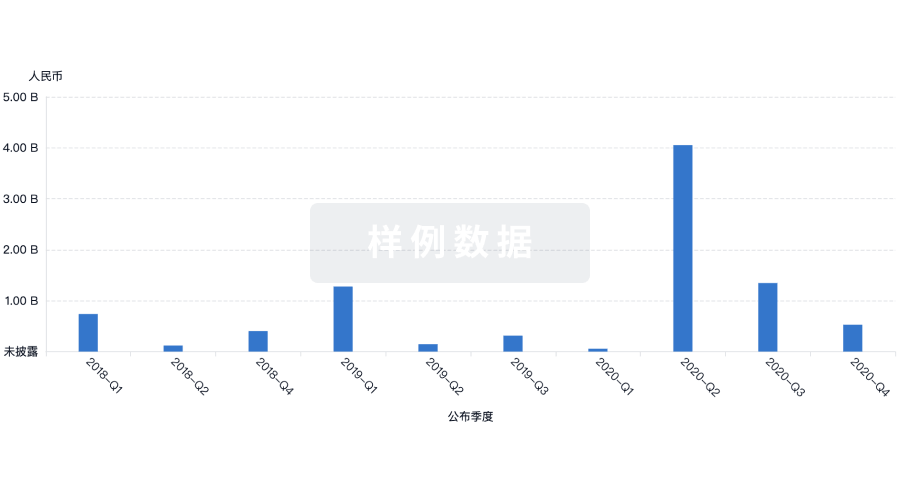
融资
发掘融资趋势以验证和推进您的投资机会。
登录
或
提出任何生物医药研究问题
让每一步生物医药决策都精准制胜
基于十亿级生物数据与全球情报的精准 AI,赋能早期药物发现
立即开始免费试用!
智慧芽新药情报库是智慧芽专为生命科学人士构建的基于AI的创新药情报平台,助您全方位提升您的研发与决策效率。
立即接入生物医药数据包
智慧芽新药库数据也通过智慧芽开放平台,以MCP或API服务形式对外开放。立即使用我们的MCP服务定制您的LLM智能体。
生物序列数据库
生物药研发创新
免费使用
化学结构数据库
小分子化药研发创新
免费使用