预约演示
更新于:2025-05-07

Universidad Católica de Temuco
更新于:2025-05-07
概览
关联
NCT06911346
Exploring the Role of Native Plant-Based Foods and (Poly)Phenol Supplementation in Modifying Gut-Microbiota Metabolism: A Strategy for Reducing Body Weight and Cardiometabolic Risk
NCT06698367
Addition of Unilateral Training of the Uninjured Limb to Standard Rehabilitation on Grip Strength and Manual Dexterity of Patients with Surgically Treated Distal Radius Fracture.
NCT04390932
The Impact of Therapeutic Alliance on Clinical Outcomes in Patients With Symptomatic Knee Osteoarthritis. A Randomized Clinical Trial Protocol.
100 项与 Universidad Católica de Temuco 相关的临床结果
登录后查看更多信息
登录后查看更多信息
2025-06-01Physiotherapy
Reply to letter to the editor regarding article “Optimal Days of Application of Kinesiotaping for the Treatment of Lumbo-Pelvic Pain During Pregnancy: a Systematic Review and Dose-Response Meta-Analysis”
Letter
作者: Carrasco, Benjamín ; Guzmán-Muñoz, Eduardo ; Cuyul-Vásquez, Iván ; Calatayud, Joaquín ; Suso-Martí, Luis ; González, Areli ; Salazar-Méndez, Joaquín ; Sazo-Rodriguez, Sergio ; Aguayo, Anyela ; Núñez-Cortés, Rodrigo
2025-06-01Environmental Pollution
Land-ocean export of microplastic in central Chile: The contribution of the Biobío River using a particle tracking model approach
Article
作者: Girones, Lautaro ; Pozo, Katerine ; Torres, Mariett ; Urrutia, Roberto ; Arias, Andrés ; Ye, Guozhu ; Přibylová, Petra ; Recabarren, Tatiana ; Jacobsen, Camila ; Ahumada, Ramón ; Klánová, Jana ; Pozo, Karla
2025-05-01Ecological Modelling
Phenological analysis through biomathematical models of three varieties of pear (Pyrus communis L.) in mediterranean climate conditions
作者: Ortega-Farias, Samuel ; Diaz, Gonzalo A. ; Ahumada-Orellana, Luis ; Lopez-Olivari, Rafael ; Campillay-Llanos, William
100 项与 Universidad Católica de Temuco 相关的药物交易
登录后查看更多信息
100 项与 Universidad Católica de Temuco 相关的转化医学
登录后查看更多信息
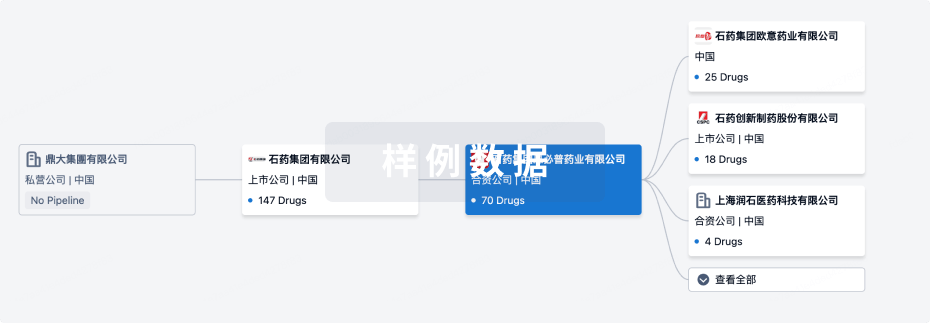
组织架构
使用我们的机构树数据加速您的研究。
登录
或
管线布局
2026年02月07日管线快照
无数据报导
登录后保持更新
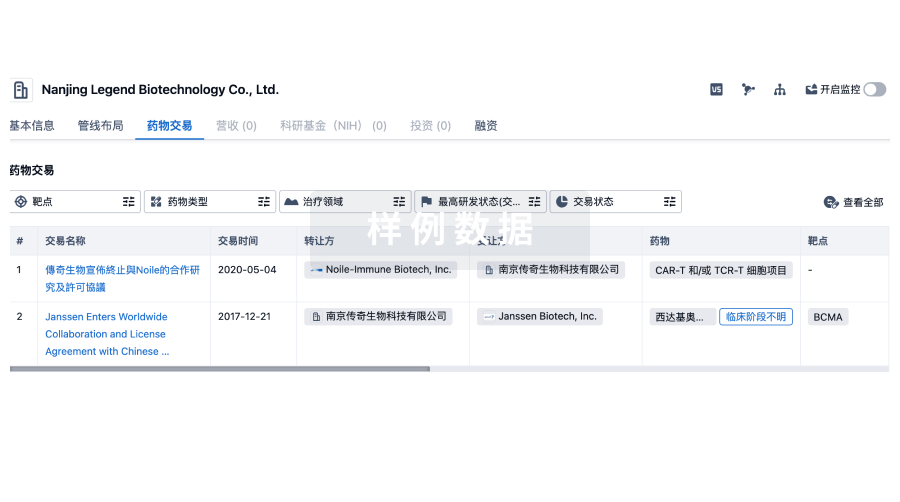
药物交易
使用我们的药物交易数据加速您的研究。
登录
或
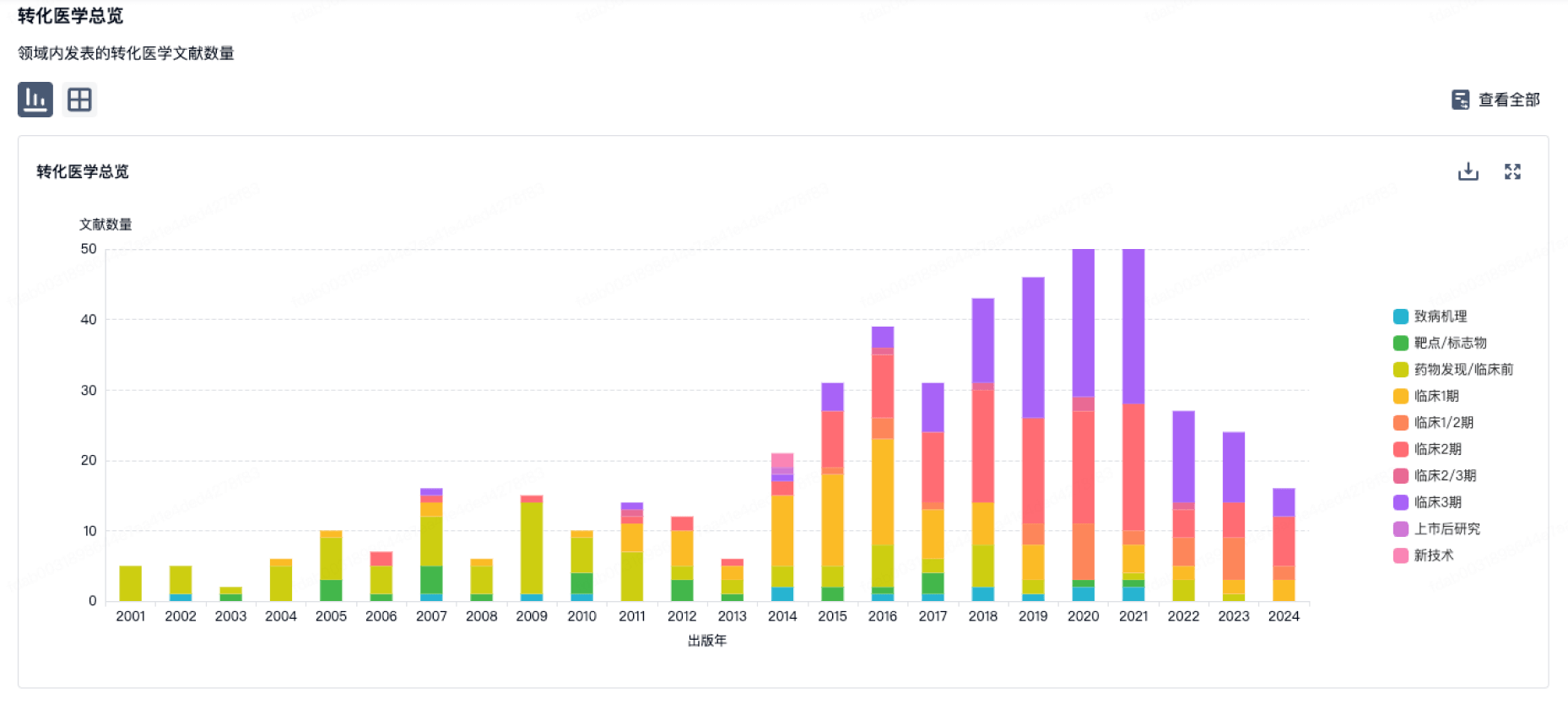
转化医学
使用我们的转化医学数据加速您的研究。
登录
或
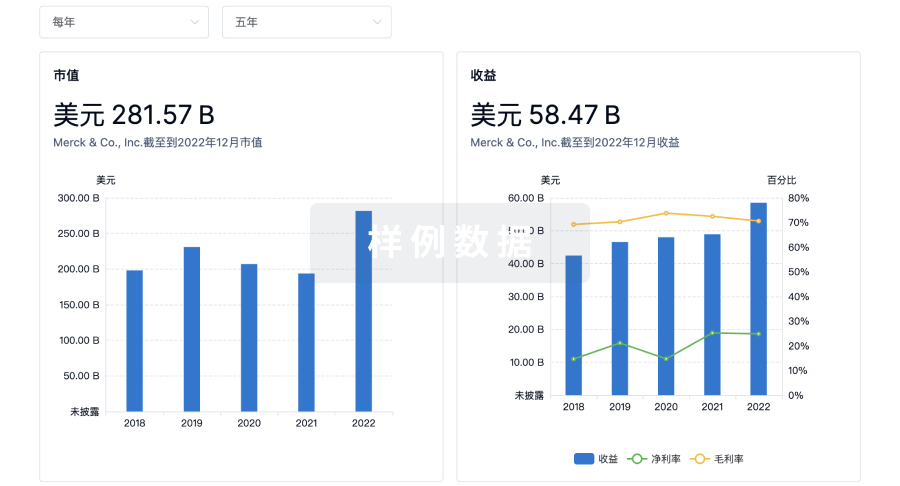
营收
使用 Synapse 探索超过 36 万个组织的财务状况。
登录
或
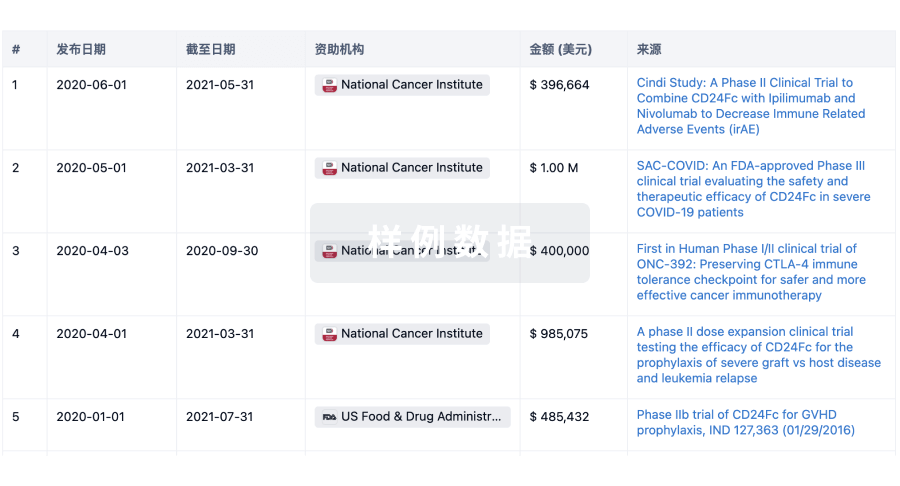
科研基金(NIH)
访问超过 200 万项资助和基金信息,以提升您的研究之旅。
登录
或
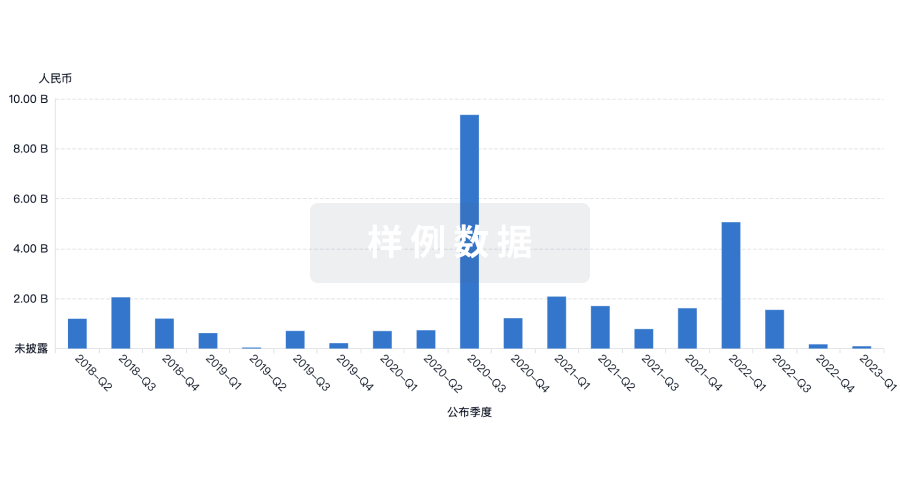
投资
深入了解从初创企业到成熟企业的最新公司投资动态。
登录
或
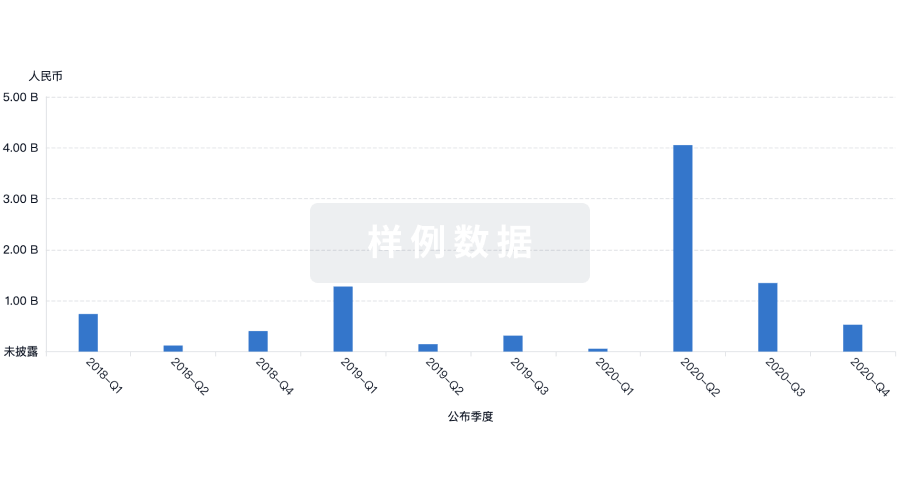
融资
发掘融资趋势以验证和推进您的投资机会。
登录
或
生物医药百科问答
全新生物医药AI Agent 覆盖科研全链路,让突破性发现快人一步
立即开始免费试用!
智慧芽新药情报库是智慧芽专为生命科学人士构建的基于AI的创新药情报平台,助您全方位提升您的研发与决策效率。
立即开始数据试用!
智慧芽新药库数据也通过智慧芽数据服务平台,以API或者数据包形式对外开放,助您更加充分利用智慧芽新药情报信息。
生物序列数据库
生物药研发创新
免费使用
化学结构数据库
小分子化药研发创新
免费使用