预约演示
更新于:2026-03-24

Nucleome Therapeutics Ltd.
更新于:2026-03-24
概览
标签
其他疾病
抗体
疾病领域得分
一眼洞穿机构专注的疾病领域

暂无数据
技术平台
公司药物应用最多的技术
靶点
公司最常开发的靶点
暂无数据
关联
靶点 |
作用机制 |
在研机构 |
原研机构 |
在研适应症 |
非在研适应症 |
最高研发阶段 |
首次获批国家/地区 |
首次获批日期 |
100 项与 Nucleome Therapeutics Ltd. 相关的临床结果
登录后查看更多信息
登录后查看更多信息
2025-10-01MOLECULAR THERAPY
Efficient in vivo generation of CAR T cells using a retargeted fourth-generation lentiviral vector
Article
作者: Whilding, Lynsey ; Pombal, Diana ; O'Connor, Deirdre M ; Barnard, Alun R ; Iqball, Sharifah ; Coradin, Tiziana ; Rao, Ravi M ; Alberts, Ben M ; Mitrophanous, Kyriacos A ; Keating, Amy L ; Farley, Daniel C ; Jones, Daniel M ; Lad, Yatish ; Hannoun, Zara ; Wright, Jordan ; Ferluga, Sara ; Devarajan, Gayathri ; Nimmo, Rachael ; Burton, Emma ; Lewis, Jack
Chimeric antigen receptor (CAR) T cell therapy has proved remarkably successful for the treatment of hematological malignancies. However, the bespoke manufacturing of autologous CAR T cells is complex and expensive. The development of methods for in vivo engineering of T cells will enable generation of CAR T cells directly within the patient, bypassing the need for ex vivo manufacturing and thereby enabling greater access for patients. Here, we describe development of an improved retargeted Nipah envelope system paired with a fourth-generation lentiviral vector capable of specifically targeting T cells with increased efficiency, which generates high levels of functional CAR T cells in vivo. The retargeted vectors exhibited greater specificity to T cells compared to the VSV-G pseudotyped vector. Vectors targeted to either CD3 or CD8 similarly generated high levels of CAR T cells, which rapidly eradicated B cells, suggesting that T cell receptor (TCR) engagement is not required for lentiviral vectors to efficiently transduce T cells in vivo. Furthermore, the fourth-generation lentiviral vector platform (referred to as the TetraVecta system) employs the TRiP system to prevent incorporation of CAR protein into the vector particles, minimizing the risk of inadvertent transduction of tumor cells.
Nature communications1区 · 综合性期刊
On-microscope staging of live cells reveals changes in the dynamics of transcriptional bursting during differentiation
1区 · 综合性期刊
ArticleOA
作者: Babbs, C ; Sloane-Stanley, J ; Smith, A J H ; Jeziorska, D M ; Higgs, D R ; Sharpe, J A ; Brown, J M ; Tunnacliffe, E A J ; Lagerholm, B C ; Buckle, V J ; Ayyub, H
Abstract:
Determining the mechanisms by which genes are switched on and off during development is a key aim of current biomedical research. Gene transcription has been widely observed to occur in a discontinuous fashion, with short bursts of activity interspersed with periods of inactivity. It is currently not known if or how this dynamic behaviour changes as mammalian cells differentiate. To investigate this, using an on-microscope analysis, we monitored mouse α-globin transcription in live cells throughout erythropoiesis. We find that changes in the overall levels of α-globin transcription are most closely associated with changes in the fraction of time a gene spends in the active transcriptional state. We identify differences in the patterns of transcriptional bursting throughout differentiation, with maximal transcriptional activity occurring in the mid-phase of differentiation. Early in differentiation, we observe increased fluctuation in transcriptional activity whereas at the peak of gene expression, in early erythroblasts, transcription is relatively stable. Later during differentiation as α-globin expression declines, we again observe more variability in transcription within individual cells. We propose that the observed changes in transcriptional behaviour may reflect changes in the stability of active transcriptional compartments as gene expression is regulated during differentiation.
2026-03-09
100 项与 Nucleome Therapeutics Ltd. 相关的药物交易
登录后查看更多信息
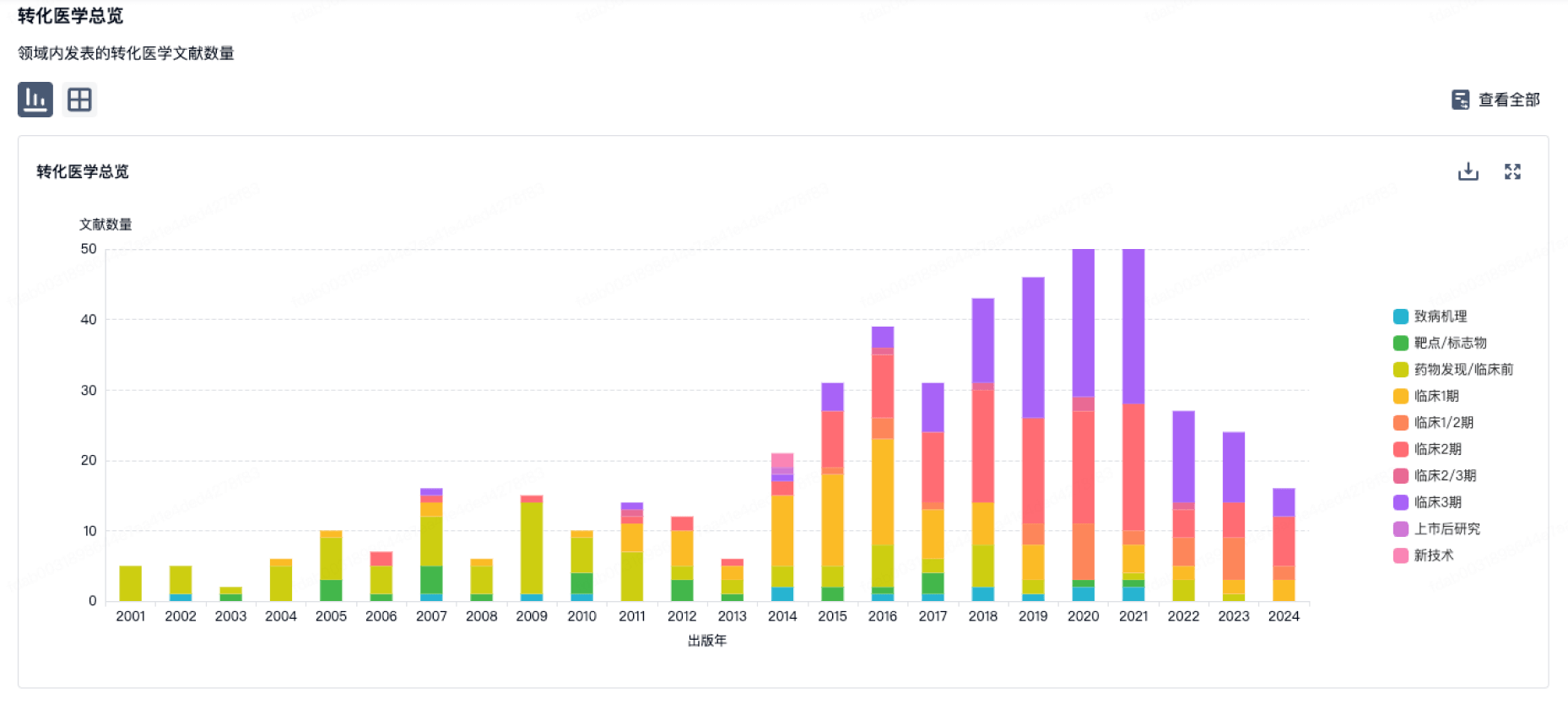
100 项与 Nucleome Therapeutics Ltd. 相关的转化医学
登录后查看更多信息
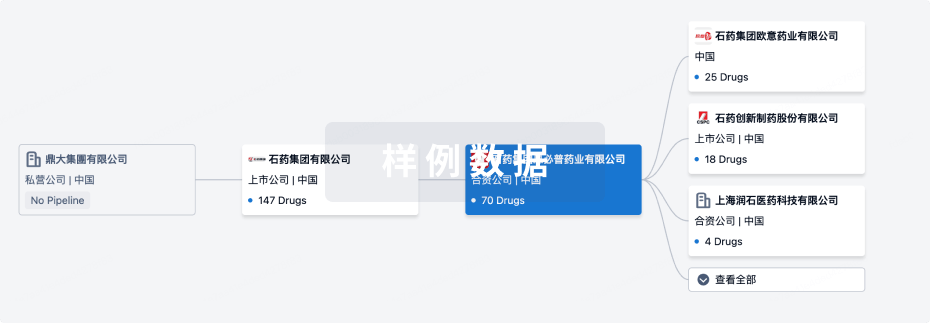
组织架构
使用我们的机构树数据加速您的研究。
登录
或
管线布局
2026年04月15日管线快照
管线布局中药物为当前组织机构及其子机构作为药物机构进行统计,早期临床1期并入临床1期,临床1/2期并入临床2期,临床2/3期并入临床3期
临床前
1
6
其他
登录后查看更多信息
当前项目
登录后查看更多信息
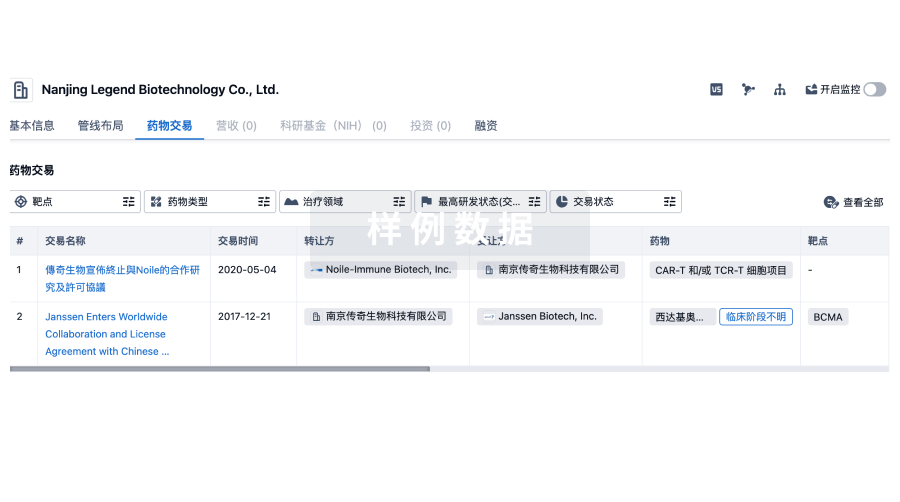
药物交易
使用我们的药物交易数据加速您的研究。
登录
或
转化医学
使用我们的转化医学数据加速您的研究。
登录
或
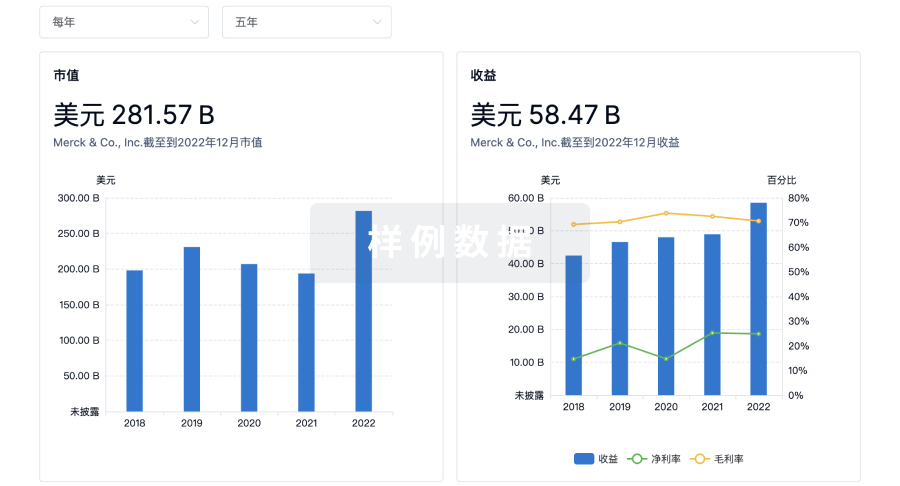
营收
使用 Synapse 探索超过 36 万个组织的财务状况。
登录
或
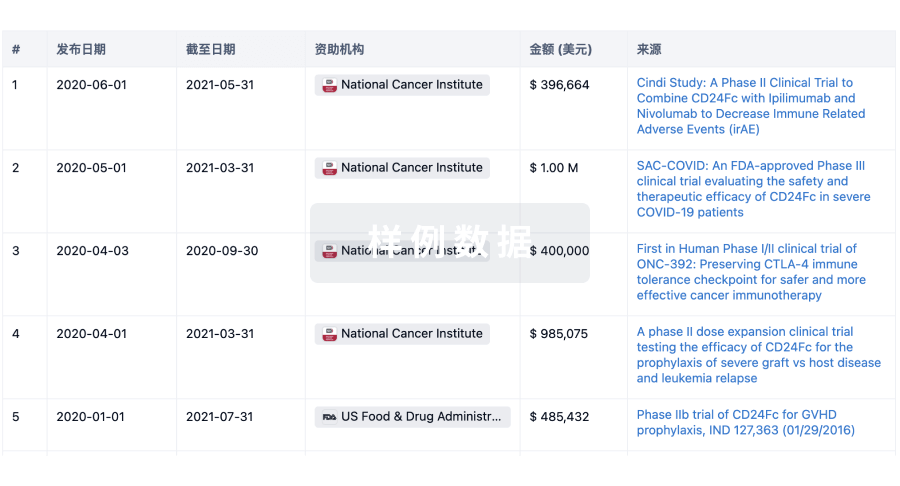
科研基金(NIH)
访问超过 200 万项资助和基金信息,以提升您的研究之旅。
登录
或
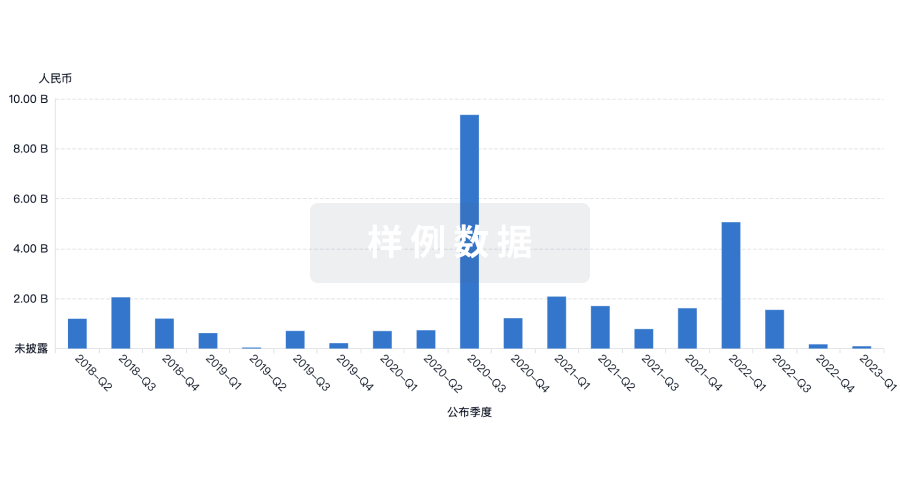
投资
深入了解从初创企业到成熟企业的最新公司投资动态。
登录
或
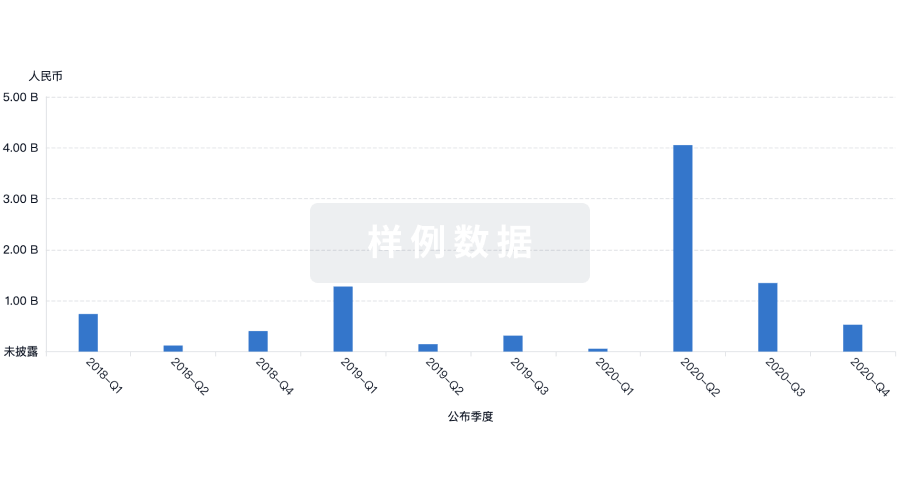
融资
发掘融资趋势以验证和推进您的投资机会。
登录
或
生物医药百科问答
全新生物医药AI Agent 覆盖科研全链路,让突破性发现快人一步
立即开始免费试用!
智慧芽新药情报库是智慧芽专为生命科学人士构建的基于AI的创新药情报平台,助您全方位提升您的研发与决策效率。
立即开始数据试用!
智慧芽新药库数据也通过智慧芽数据服务平台,以API或者数据包形式对外开放,助您更加充分利用智慧芽新药情报信息。
生物序列数据库
生物药研发创新
免费使用
化学结构数据库
小分子化药研发创新
免费使用