预约演示
更新于:2025-12-09

University of Zululand
更新于:2025-12-09
概览
标签
感染
小分子化药
疾病领域得分
一眼洞穿机构专注的疾病领域

技术平台
公司药物应用最多的技术
靶点
公司最常开发的靶点
关联
WO2023007325
专利挖掘靶点 |
作用机制 |
在研机构 |
原研机构 |
在研适应症 |
非在研适应症 |
最高研发阶段 |
首次获批国家/地区 |
首次获批日期 |

IRCT20190908044722N6
Effects of aerobic dance exercise intensity on body composition, cholesterol, glucose, and cardiovascular fitness in sedentary rural obese black African women
NCT00735098
The Effects of Home-Based Rehabilitation Treatments Among Persons With Symptomatic Knee Osteoarthritis.
100 项与 University of Zululand 相关的临床结果
登录后查看更多信息
登录后查看更多信息
2026-01-01MARINE ENVIRONMENTAL RESEARCH
Metal enrichment in the tropical estuarine environment and associated health risk assessment using PMF and Monte Carlo simulation
Article
作者: Ramasamy, Nagarajan ; Mohan Viswanathan, Prasanna ; Elumalai, Vetrimurugan ; Sabarathinam, Chidambaram ; Gantayat, Rakesh Roshan
Study of metal enrichment in water and sediment was carried out in the tropical estuarine environment of Sibuti river in northern Borneo, Malaysia. In this study, a novel approach of PMF-Monte Carlo Integration was used to assess the source-oriented health risk that effectively allows source-based mitigation of metal pollution with higher accuracy. Targeted metals (Fe, Cu, Zn, Co, Mn, Cd, Cr, Se, Al, Ba) were modelled using the PMF receptor model and FreeViz projection via Orange ML for source apportionment, where Monte Carlo Simulation (MCS) assessed probabilistic health risks in adults and children. Results showed that erosion and leaching of geogenic formations (peat soil and marine shale, pyrite concretions) significantly contributes to metal enrichment denoted by decade long agricultural deforestation. Higher release and deposition of Se, Cu, and Zn was noted in estuary and were facilitated by Mn and clay minerals. The dominance of sources towards health risk contribution was observed as agricultural effluents (>90 %) > Leaching from Pyrite concretion > Peat soil leaching for adults and children in both mediums. Metal concentrations in Sibuti estuary water were within safe limits for non-carcinogenic risk, with mean THI values of 7.392E-05 (children) and 6.471E-05 (adults). However, TCR values for Cr and Cd exceeded guidelines in 100 % of water and sediment scenarios. Co and Cr in sediments posed non-carcinogenic risks in over 97 % of scenarios for children and 57 % for adults. These findings highlight the need for preventive measures against metal contamination. The results underscore the importance of monitoring and managing metal sources such as agricultural activities along with rapid land use changes.
2025-12-01Toxicology reports
Selective modulation of orexinergic receptors by neem-derived phytochemicals: Computational analysis of structure-activity relationships
Article
作者: Oyinloye, Oluwatoyin M ; Ajiboye, Basiru O ; Fajana, Omotola M ; Osunsanmi, Foluso O ; Oyebamiji, Abel K ; Agboinghale, Precious Eseose ; Agboola, Oluwaseun E ; Agboola, Samuel S ; Ayinla, Zainab A ; Idowu, Olajumoke Tolulope ; Olaiya, Oluranti E ; Adewale, Adetola I ; Oyinloye, Babatunji E
Orexinergic system dysfunction is the fundamental basis for several neurological illnesses like narcolepsy, insomnia, and drug dependency, yet none of the existing medications are subtype receptor specific. This study examines 124 chemicals from neem to determine if they can be utilised as specific orexinergic receptor modulators using advanced computational methods. The methodology includes detailed clustering, pharmacophoric interaction, pharmacokinetic, statistical, and clustering analyses. Molecular property profiling indicated the majority of the compounds exhibit excellent drug-like qualities (MW 350-450 Da, LogP 0-2), while principal component analysis captured 100 % structural variability between two components (92.5 % and 7.5 %, respectively). Molecular docking simulations indicated selective binding to the 6V9S receptor (-11.3 to -4 kcal/mol) over 4S0V (-9.7 to -4 kcal/mol). Lead compounds Neem_PDB_10257 (Tirucallol) (-11.3 kcal/mol) and Neem_PDB_12072821 ([(5 R,7 R,8 R,9 R,10 R,13S,17 R) -17-(2-methoxy-5-oxo-4,4,8,10,13-pentamethyl-3-oxo-5,6,7,9,11,12,16,17-octahydrocyclopenta[a]phenanthren-7-yl] acetate) were particularly 6V9S selective (>2 kcal/mol difference), whereas Neem_PDB_10160319 ((4S,4aS,5S,10S,13S,14S,17-4,4,10,13,14-pentam -1, 2, 3, 5, 6, 7, 11, 12, 15, 17-decahydrocyclopenta[a]phenanthren-16-one) was most sensitive towards 4S0V. Two top-ranked compound families were discovered by hierarchical cluster analysis with a distance requirement of 35 units, and receptor-specific dendrograms revealed distinctive subcluster branching patterns (4S0V: 5.5 and 6.7 unit subclusters; 6V9S: 7.1 and 7.2 unit subclusters). Interaction pattern (heatmap analysis) identified major interaction hotspots, including TYR348, TRP120, PHE227, and HIS350. Neem_PDB_163184214 (Meliatetraolenone) specifically targeted ASN318 in 6V9S, while Neem_PDB_54580354 (7-Benzoylnimbocinol) favored interaction with GLN134 in 4S0V (>90 interactions). These findings dispute the "one-pharmacophore" theory for orexinergic modulators, showing that intentional functionalization of NEM templates can deliver subtype-selective treatments with maximal sleep-wake modulation and low off-target effects.
2025-11-01NANO
Influence of Zinc Ion Concentration on the Structural, Surface Morphology and Optical Properties of Zinc Selenide Thin Films
作者: Ndlangamandla, C. L. ; Hile, D. D. ; Motloung, S. V. ; Ahemen, I. ; Koao, L. F. ; Swart, H. C.
ZnSe thin films were deposited on nonconducting glass substrates using different Zn[Formula: see text] ion concentrations. The films were deposited at 80°C for 2.0[Formula: see text]h via photo-assisted chemical bath technique and annealed for 2.0[Formula: see text]h at 250°C. X-ray diffraction revealed a hexagonal structure with preferred orientation along the (002) plane and the average crystallite size decreased from 10.5[Formula: see text]nm to 6.8[Formula: see text]nm with increased Zn[Formula: see text] ions. Raman spectra were used to confirm ZnSe phonon modes whose intensity increased with Zn[Formula: see text] ion concentrations although with fluctuation. Optical analysis showed higher absorbance and low transmittance in the visible region than near infrared making the thin films good materials for selective absorber surfaces. The band gap increased from 2.52[Formula: see text]eV to 2.78[Formula: see text]eV as the Zn[Formula: see text] ion concentration varied from 0.05% to 0.25%. The presence of the desired elements was confirmed by the EDS. Photoluminescence studies revealed three emission peaks which were all ascribed to defect state levels in ZnSe and all the samples emitted in reddish color according to CIE color chromaticity analysis. The selective absorption, wide band gap and broad emission properties suggest that the material is promising for optoelectronic applications.
100 项与 University of Zululand 相关的药物交易
登录后查看更多信息
100 项与 University of Zululand 相关的转化医学
登录后查看更多信息
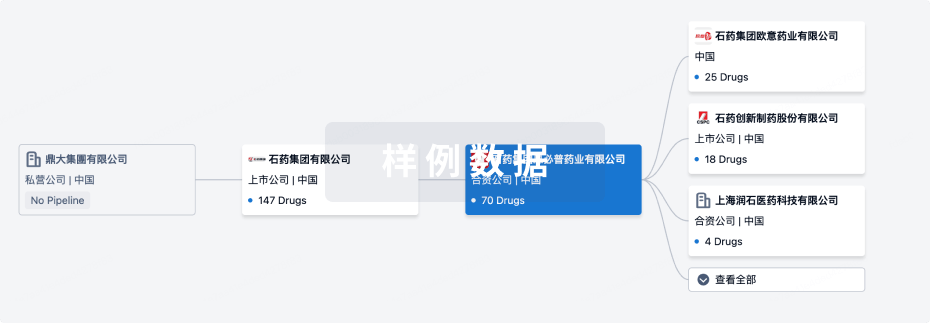
组织架构
使用我们的机构树数据加速您的研究。
登录
或
管线布局
2026年09月17日管线快照
管线布局中药物为当前组织机构及其子机构作为药物机构进行统计,早期临床1期并入临床1期,临床1/2期并入临床2期,临床2/3期并入临床3期
药物发现
1
登录后查看更多信息
当前项目
登录后查看更多信息
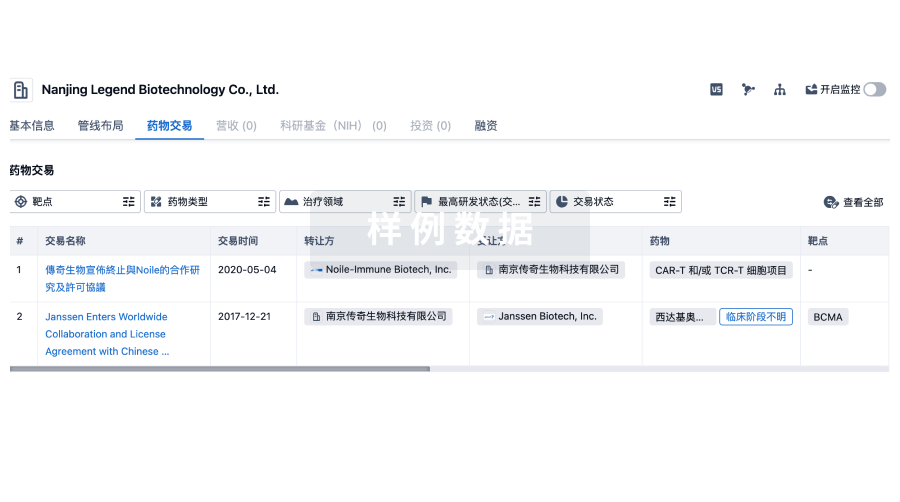
药物交易
使用我们的药物交易数据加速您的研究。
登录
或
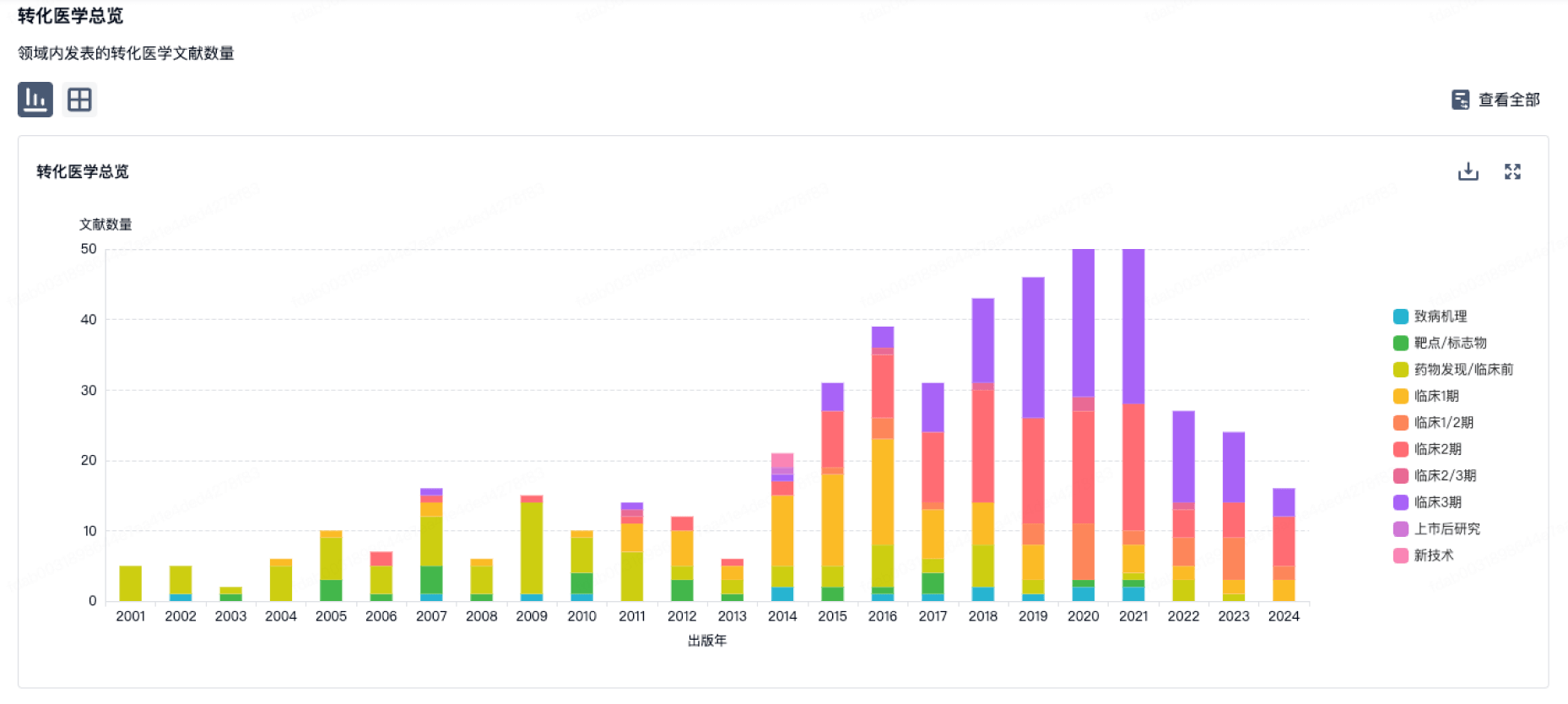
转化医学
使用我们的转化医学数据加速您的研究。
登录
或
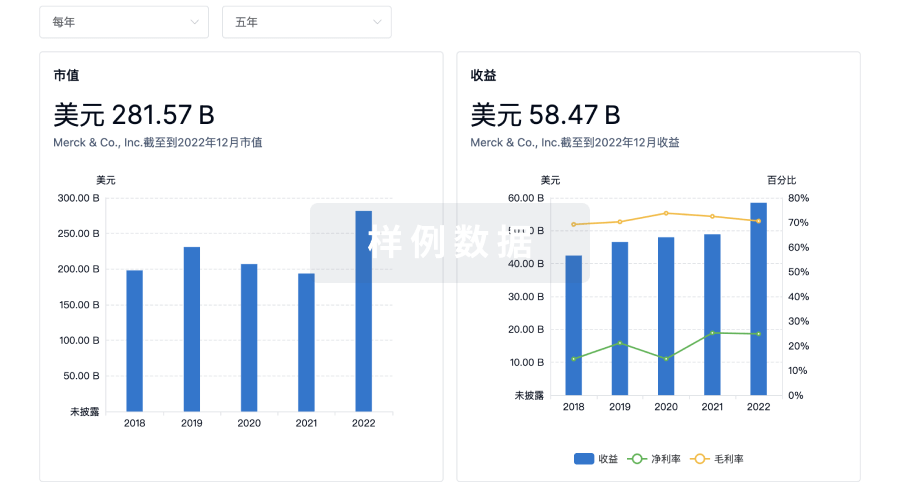
营收
使用 Synapse 探索超过 36 万个组织的财务状况。
登录
或
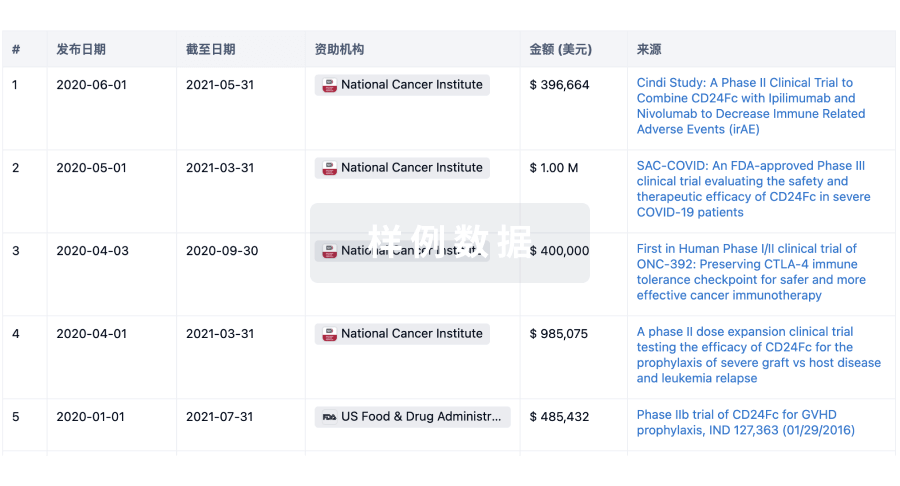
科研基金(NIH)
访问超过 200 万项资助和基金信息,以提升您的研究之旅。
登录
或
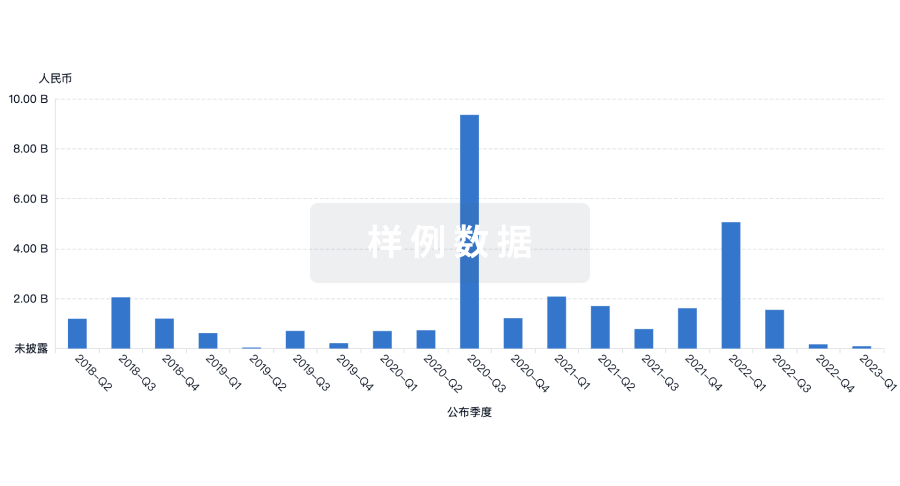
投资
深入了解从初创企业到成熟企业的最新公司投资动态。
登录
或
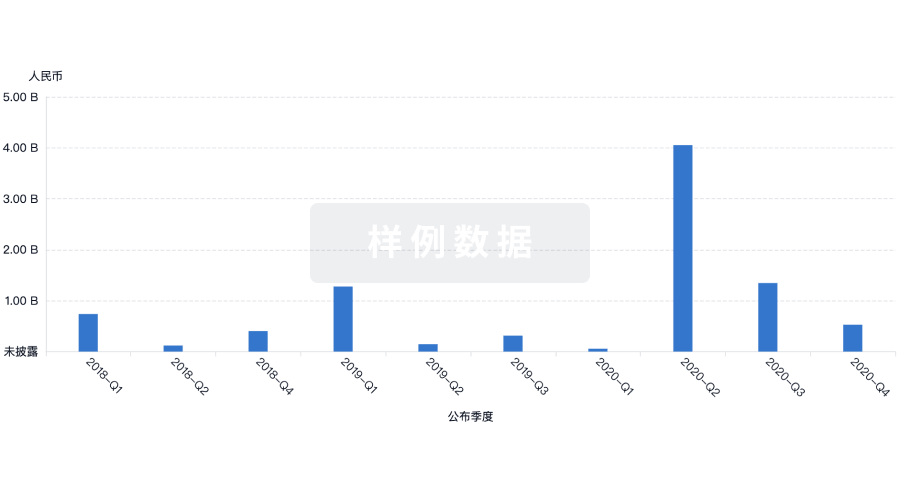
融资
发掘融资趋势以验证和推进您的投资机会。
登录
或
提出任何生物医药研究问题
让每一步生物医药决策都精准制胜
基于十亿级生物数据与全球情报的精准 AI,赋能早期药物发现
立即开始免费试用!
智慧芽新药情报库是智慧芽专为生命科学人士构建的基于AI的创新药情报平台,助您全方位提升您的研发与决策效率。
立即接入生物医药数据包
智慧芽新药库数据也通过智慧芽开放平台,以MCP或API服务形式对外开放。立即使用我们的MCP服务定制您的LLM智能体。
生物序列数据库
生物药研发创新
免费使用
化学结构数据库
小分子化药研发创新
免费使用