预约演示
更新于:2026-03-08

Nanjing University of Science & Technology
更新于:2026-03-08
概览
标签
肿瘤
消化系统疾病
感染
化学药
小分子偶联药物
CRISPR/Cas9
疾病领域得分
一眼洞穿机构专注的疾病领域

技术平台
公司药物应用最多的技术
靶点
公司最常开发的靶点
关联
靶点 |
作用机制 |
在研机构 |
原研机构 |
在研适应症 |
非在研适应症 |
最高研发阶段 |
首次获批国家/地区 |
首次获批日期 |
靶点 |
作用机制 |
在研机构 |
原研机构 |
在研适应症 |
非在研适应症 |
最高研发阶段 |
首次获批国家/地区 |
首次获批日期 |

CN118662662
专利挖掘靶点 |
作用机制 |
在研机构 |
原研机构 |
在研适应症 |
非在研适应症 |
最高研发阶段 |
首次获批国家/地区 |
首次获批日期 |
NCT05868694
Huai'an First People's Hospital
100 项与 南京理工大学 相关的临床结果
登录后查看更多信息
登录后查看更多信息
2026-12-01Nano-Micro Letters
Multifunctional Dipoles Enabling Enhanced Ionic and Electronic Transport for High-Energy Batteries
Review
作者: Wang, Ao ; Lee, Jong-Min ; Hao, Zhendong ; Zhang, Wenyao ; Sun, Yuntong ; Li, Yinghao ; Cao, Shihai
Abstract:
Achieving high-energy density remains a key objective for advanced energy storage systems. However, challenges, such as poor cathode conductivity, anode dendrite formation, polysulfide shuttling, and electrolyte degradation, continue to limit performance and stability. Molecular and ionic dipole interactions have emerged as an effective strategy to address these issues by regulating ionic transport, modulating solvation structures, optimizing interfacial chemistry, and enhancing charge transfer kinetics. These interactions also stabilize electrode interfaces, suppress side reactions, and mitigate anode corrosion, collectively improving the durability of high-energy batteries. A deeper understanding of these mechanisms is essential to guide the design of next-generation battery materials. Herein, this review summarizes the development, classification, and advantages of dipole interactions in high-energy batteries. The roles of dipoles, including facilitating ion transport, controlling solvation dynamics, stabilizing the electric double layer, optimizing solid electrolyte interphase and cathode–electrolyte interface layers, and inhibiting parasitic reactions—are comprehensively discussed. Finally, perspectives on future research directions are proposed to advance dipole-enabled strategies for high-performance energy storage. This review aims to provide insights into the rational design of dipole-interactive systems and promote the progress of electrochemical energy storage technologies.
2026-07-01NEURAL NETWORKS
A knowledge-driven self-supervised learning method for enhancing EEG-based emotion recognition
Article
作者: Yang, Kun ; Ye, Peng ; Zhang, Jingyu ; Wang, Hanqi ; Xiong, Jichuan ; Song, Liang ; Liu, Xuefeng ; Chen, Tao
Emotion recognition brain-computer interface (BCI) using electroencephalography (EEG) is crucial for human-computer interaction, medicine, and neuroscience. However, the scarcity of labeled EEG data limits progress in this field. To address this, self-supervised learning has gained attention as a promising approach. Despite its potential, self-supervised methods face two key challenges: (1) ensuring emotion-related information is effectively preserved, as its loss can degrade emotion recognition performance, and (2) overcoming inter-subject variability in EEG signals, which hinders generalization across subjects. To tackle these issues, we propose a novel knowledge-driven self-supervised learning framework for EEG emotion recognition. Our method incorporates domain knowledge to approximate the extraction of statistical feature differential entropy (DE), aiming to preserve emotion-related and generalizable information. The framework consists of two cascaded components as hard and soft alignments: a multi-branch convolutional differential entropy learning (MCDEL) module that simulates the DE extraction process, and a contrastive entropy alignment (CEA) module that exposes complex emotional semantics in high-dimensional space. Experiment results show that our method exhibits superior performance over existing self-supervised methods. The subject-independent mean accuracy and standard deviation of our method reached 84.48% ± 5.79 on SEED and 67.64% ± 6.35 and 68.63% ± 7.77 on the Arousal and Valence dimensions of DREAMER, respectively. We conduct an ablation study to demonstrate the contribution of each proposed component. Moreover, the t-SNE visualization intuitively presents the effect of our method on reducing inter-subject variability and discriminating emotional states.
2026-04-01BIORESOURCE TECHNOLOGY
Differential tolerance and response of chain-elongation bacteria and methanogens to undissociated n-octanoic acid: Protective layer, membrane stability, and energy metabolism
Article
作者: Ge, Shijian ; Lu, Xiyang ; Li, Zimu ; Xu, Shiling ; Wang, Yuhan ; Bai, Jiawei ; Qiu, Shuang
In medium-chain carboxylic acids (MCCAs) biosynthesis, methanogens compete with chain-elongating bacteria (CEB) for substrates. While undissociated MCCAs inhibit methanogens, their differential effects on methanogens and CEB remain unclear. To address this, our study elucidated their differential tolerances to undissociated n-octanoic acid (UnOA). CEB retained superior activity at 0.2-0.8 mM UnOA, whereas methanogens were severely inhibited primarily due to disrupted electron transport and energy metabolism, as evidenced by the decrease in substrate utilization (20.04 % vs 40.10 %) and metabolite production (14.31 % vs 68.82 %). CEB's tolerance was attributed to: (1) extracellular protection via c-di-GMP-induced extracellular polymeric substances (EPS) secretion, (2) intrinsic membrane stability from a higher saturated: unsaturated fatty acid ratio and average chain length, and (3) superior energy metabolism via multiple ATP synthesis pathways and intracellular pH homeostasis. Applying 0.2-0.6 mM UnOA at pH 6.0-6.5 selectively suppressed methanogens, validating a strategy to promote MCCAs production.
100 项与 南京理工大学 相关的药物交易
登录后查看更多信息
100 项与 南京理工大学 相关的转化医学
登录后查看更多信息
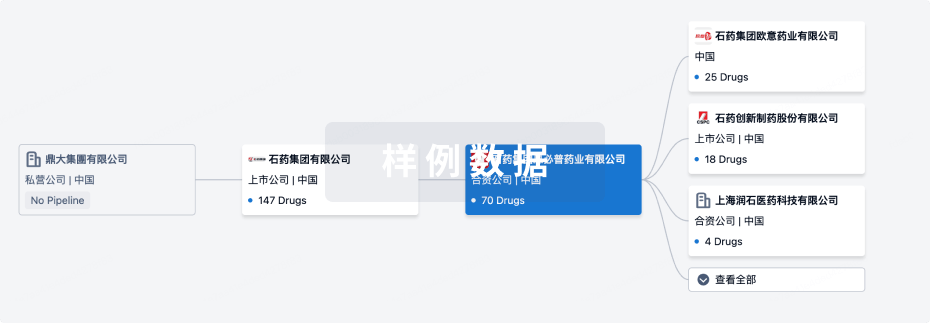
组织架构
使用我们的机构树数据加速您的研究。
登录
或
管线布局
2026年06月11日管线快照
管线布局中药物为当前组织机构及其子机构作为药物机构进行统计,早期临床1期并入临床1期,临床1/2期并入临床2期,临床2/3期并入临床3期
药物发现
1
2
临床前
其他
1
登录后查看更多信息
当前项目
登录后查看更多信息
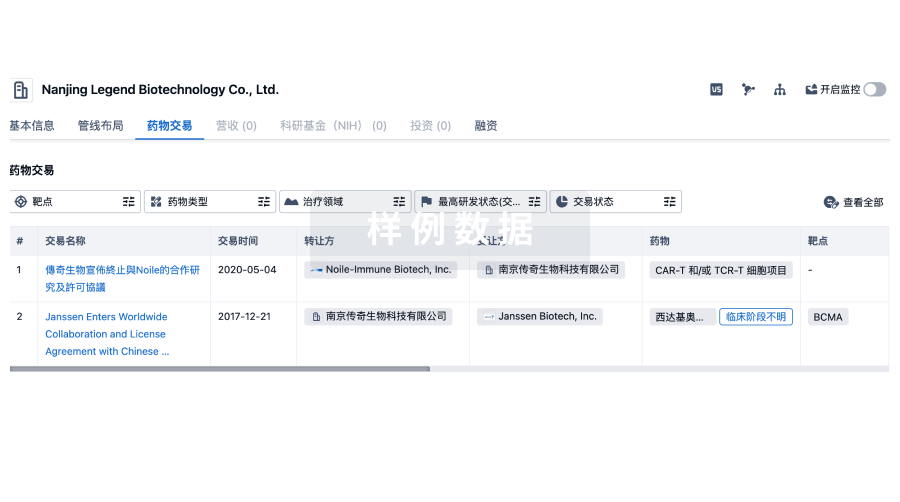
药物交易
使用我们的药物交易数据加速您的研究。
登录
或
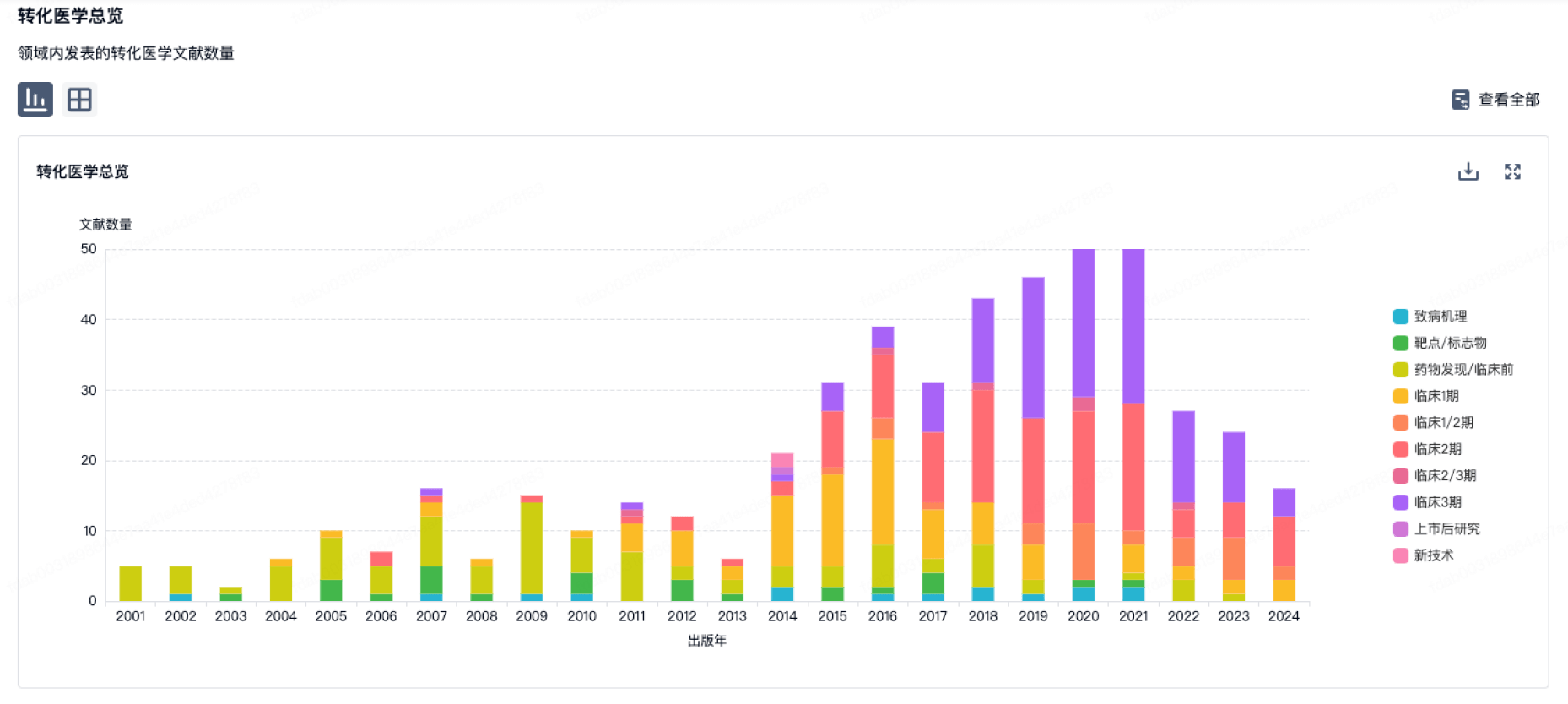
转化医学
使用我们的转化医学数据加速您的研究。
登录
或
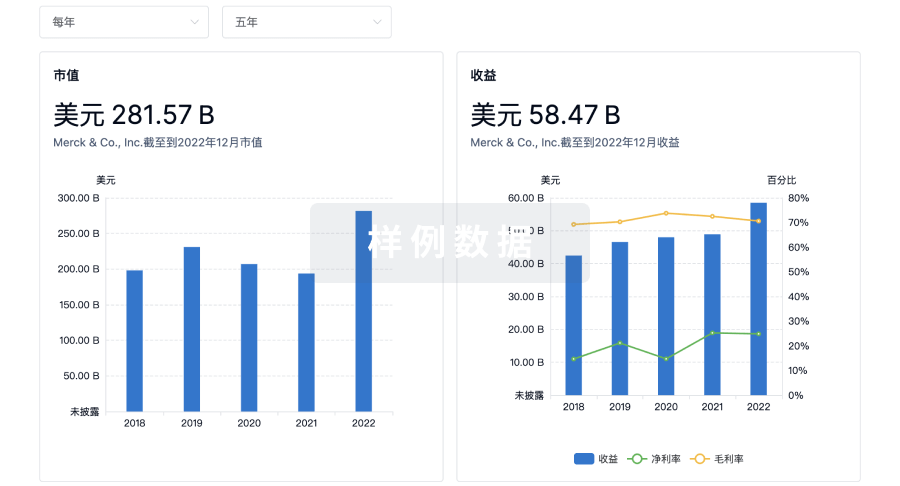
营收
使用 Synapse 探索超过 36 万个组织的财务状况。
登录
或
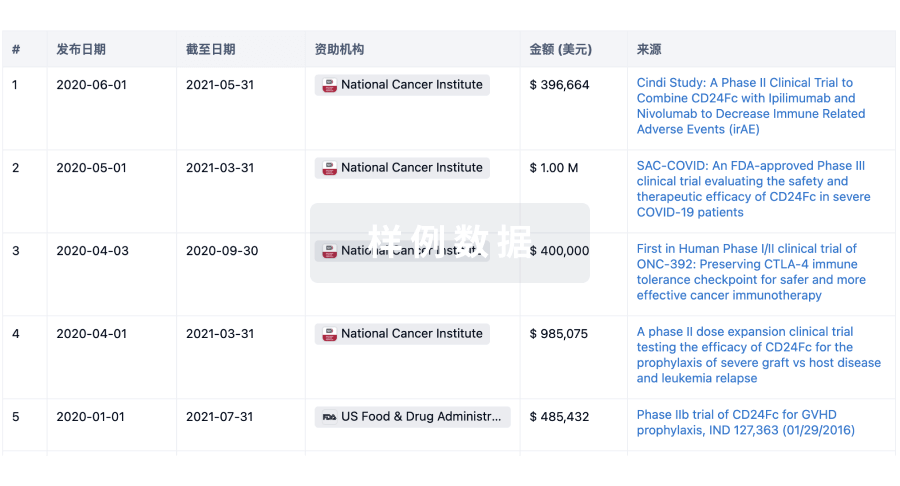
科研基金(NIH)
访问超过 200 万项资助和基金信息,以提升您的研究之旅。
登录
或
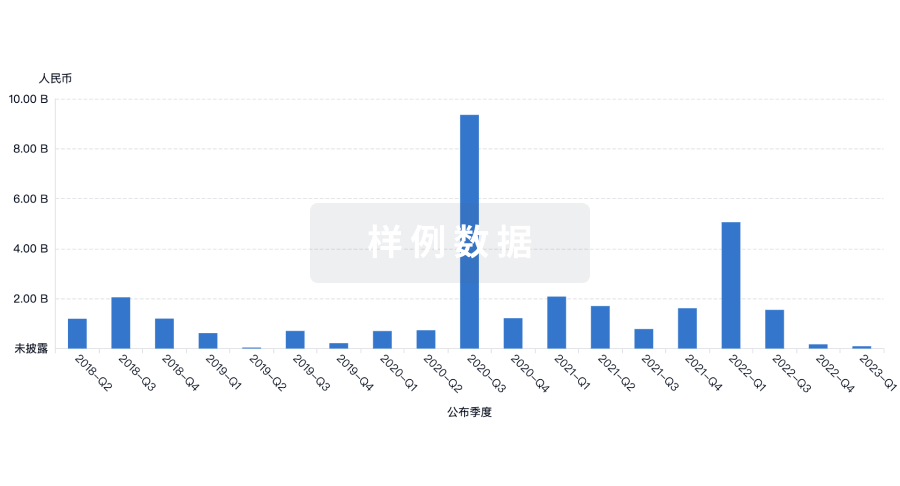
投资
深入了解从初创企业到成熟企业的最新公司投资动态。
登录
或
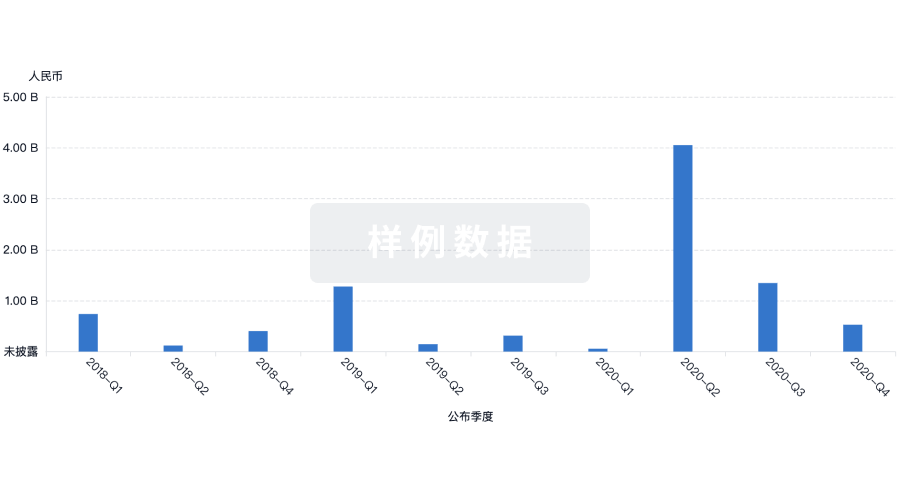
融资
发掘融资趋势以验证和推进您的投资机会。
登录
或
生物医药百科问答
全新生物医药AI Agent 覆盖科研全链路,让突破性发现快人一步
立即开始免费试用!
智慧芽新药情报库是智慧芽专为生命科学人士构建的基于AI的创新药情报平台,助您全方位提升您的研发与决策效率。
立即开始数据试用!
智慧芽新药库数据也通过智慧芽数据服务平台,以API或者数据包形式对外开放,助您更加充分利用智慧芽新药情报信息。
生物序列数据库
生物药研发创新
免费使用
化学结构数据库
小分子化药研发创新
免费使用