预约演示
更新于:2025-12-08

Myongji Hospital
更新于:2025-12-08
概览
标签
消化系统疾病
肿瘤
T细胞疗法
疾病领域得分
一眼洞穿机构专注的疾病领域

技术平台
公司药物应用最多的技术
靶点
公司最常开发的靶点
关联
靶点 |
作用机制 |
在研机构 |
原研机构 |
在研适应症 |
非在研适应症 |
最高研发阶段 |
首次获批国家/地区 |
首次获批日期 |
靶点 |
作用机制 |
在研机构 |
原研机构 |
在研适应症 |
非在研适应症 |
最高研发阶段 |
首次获批国家/地区 |
首次获批日期 |
NCT06903429
A Comparative Study to Evaluate Targeting Methods for Axillary Surgery in Patients With Clinically Node-positive Breast Cancer: A Prospective Multicenter Pilot Study

NCT06028165
A Prospective, Randomized Comparison of Coronary Artery Bypass Grafting Based on COmputed Tomography-derived Fractional Flow REserve Versus Angiography (CABG-COREA Trial)
KCT0008381
Effects of Preoperative Nefopam Dosage on the frequency and Severity of Catheter-Related Bladder Discomfort After Ureteroscopic litholapaxy
100 项与 Myongji Hospital 相关的临床结果
登录后查看更多信息
登录后查看更多信息
2025-12-01JPAD-Journal of Prevention of Alzheimers Disease
Pulse pressure as a predictor of Alzheimer’s disease biomarkers and cognitive decline: The moderating role of APOE ε4
Article
作者: Lee, Seunghoon ; Kong, Nayeong ; Jung, Joon Hyung
BACKGROUND:
Elevated pulse pressure (PP), indicative of arterial stiffness, has been implicated in cognitive impairment and Alzheimer's disease (AD) pathology. However, its role in preclinical AD and interactions with genetic risk factors like apolipoprotein E ε4 (APOE4) remain unclear.
OBJECTIVES:
To investigate the association between baseline PP and AD biomarkers (amyloid-beta (Aβ) and tau) and cognitive decline, and to determine whether APOE4 carrier status moderates these relationships.
DESIGN:
Prospective cohort study and secondary analysis of the Anti-Amyloid Treatment in Asymptomatic Alzheimer's (A4) randomized clinical trial SETTING: Multicenter observational cohort and randomized clinical trial conducted at 67 sites across the United States, Canada, Australia, and Japan.
PARTICIPANTS:
This study included 1690 cognitively unimpaired older adults from the A4 and Longitudinal Evaluation of Amyloid Risk and Neurodegeneration (LEARN) studies. Participants underwent baseline PP assessment, Aβ and tau PET imaging, and cognitive testing with longitudinal follow-up over 240 weeks.
MEASUREMENTS:
Blood pressure was measured at baseline, with PP calculated as the difference between systolic and diastolic pressures. AD pathologies were assessed through Aβ PET imaging using 18F-Florbetapir, and regional tau deposition in inferior temporal and meta-temporal regions using 18F-Flortaucipir PET imaging. Cognitive performance was measured using the Preclinical Alzheimer Cognitive Composite (PACC).
RESULTS:
Higher baseline PP was significantly associated with increased Aβ (β = 0.078; p = 0.001), inferior temporal tau (β = 0.110; p = 0.032), and meta-temporal tau deposition (β = 0.116; p = 0.022). In longitudinal analyses, elevated PP predicted greater decline in PACC scores (β = -0.020; p < 0.001). APOE4 status moderated these associations, with significant effects of PP on tau deposition and cognitive decline observed exclusively among APOE4 carriers. Mediation analysis indicated that tau deposition significantly mediated the association between PP and cognitive decline (indirect effect β = -0.068; 95 % CI [-0.126, -0.011]).
CONCLUSIONS:
Elevated PP is associated with increased AD biomarker burden and accelerated cognitive decline in cognitively unimpaired older adults, particularly among APOE4 carriers. Our study suggests that arterial stiffness may contribute to AD pathogenesis and progression via tau pathology. These results highlight the potential of vascular health management as an early intervention target for AD prevention, especially in genetically at-risk populations.
2025-11-30Clinical and Experimental Otorhinolaryngology
Insights Into Responses to Caloric and Head Impulse Stimulation in Lateral Semicircular Canal Benign Paroxysmal Positional Vertigo
Article
作者: Kwak, Sang Hyun ; Lee, Jeon Mi ; Bae, Seong Hoon ; Kim, Sung Huhn ; Shim, Dae Bo ; Han, Ji Hyuk
Objectives. The aim of this study was to investigate the pathophysiology of persistent geotropic direction-changing positional nystagmus (pGeo DCPN) by analyzing caloric responses and the clinical course in patients with pGeo DCPN and other variants of lateral semicircular canal benign paroxysmal positional vertigo (LSCC BPPV).Methods. In this prospective case-control study, 101 patients diagnosed with pGeo DCPN (pGeo group, n=34), persistent apogeotropic (pApo) DCPN (pApo group, n=40), or transient geotropic (tGeo) DCPN (tGeo group, n=27) involving the LSCC were enrolled. The video head impulse test (vHIT) and caloric test were performed at diagnosis. If one or both tests were abnormal, follow-up testing was conducted after nystagmus resolution. Differences in test results and clinical courses among the LSCC BPPV types were analyzed and compared.Results. The mean disease duration was significantly longer in patients with pGeo (23.0 days) than those with pApo (8.0 days) and tGeo (9.0 days) (P<0.005). All patients demonstrated normal vHIT gain. The pGeo group showed the highest canal paresis (CP) value (vs. pApo: P=0.002; vs. tGeo: <i>P<0.001) and a higher frequency of abnormal CP (61.8%) than the pApo (22.5%) and tGeo (11.1%) groups. CP was predominantly ipsilesional (85.7%) in the pGeo group. Follow-up caloric tests indicated decreased CP in 72.7% of pGeo patients, with normalization in 36.4% following the disappearance of nystagmus.Conclusion. The clinical course, caloric tests, and vHIT results indicate distinct pathophysiological mechanisms for different LSCC BPPV types. Cupular deflection due to buoyancy in pGeo DCPN plausibly leads to CP while preserving vHIT integrity.
2025-11-01OPHTHALMOLOGY
Visual Axis Opacification after Pediatric Cataract Surgery in the IRIS® Registry (Intelligent Research in Sight)
Article
作者: Jeon, Ju Hyun ; Oke, Isdin ; AlMuasher, Nadine ; Elze, Tobias ; Miller, Joan W ; Lorch, Alice C ; Lee, Ju-Yeun ; Altamirano, Francisco ; VanderVeen, Deborah K
In the IRIS® Registry, approximately one-third of children developed visual axis opacification within two years of cataract surgery. Children with a history of trauma or uveitis were most likely to develop visual axis opacification.
100 项与 Myongji Hospital 相关的药物交易
登录后查看更多信息
100 项与 Myongji Hospital 相关的转化医学
登录后查看更多信息
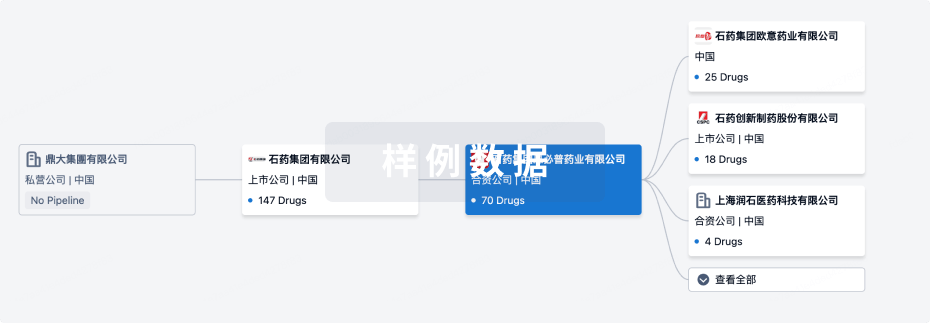
组织架构
使用我们的机构树数据加速您的研究。
登录
或
管线布局
2026年02月08日管线快照
管线布局中药物为当前组织机构及其子机构作为药物机构进行统计,早期临床1期并入临床1期,临床1/2期并入临床2期,临床2/3期并入临床3期
临床前
2
登录后查看更多信息
当前项目
登录后查看更多信息
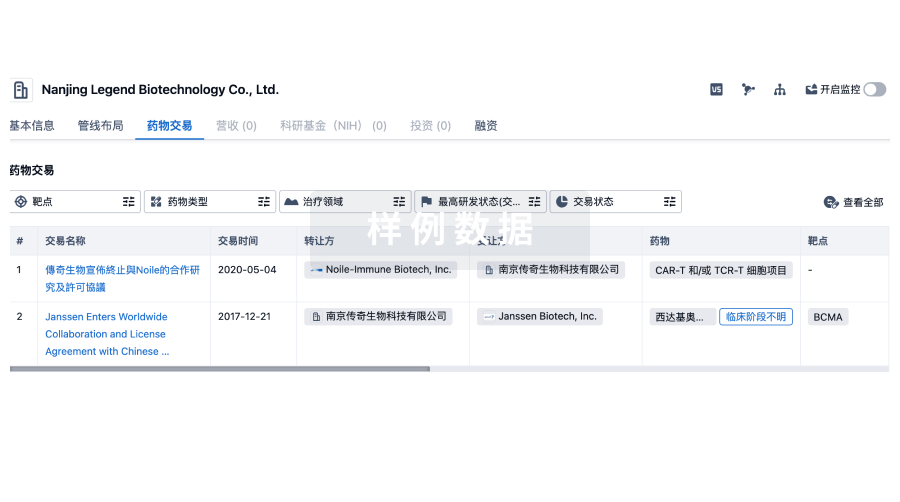
药物交易
使用我们的药物交易数据加速您的研究。
登录
或
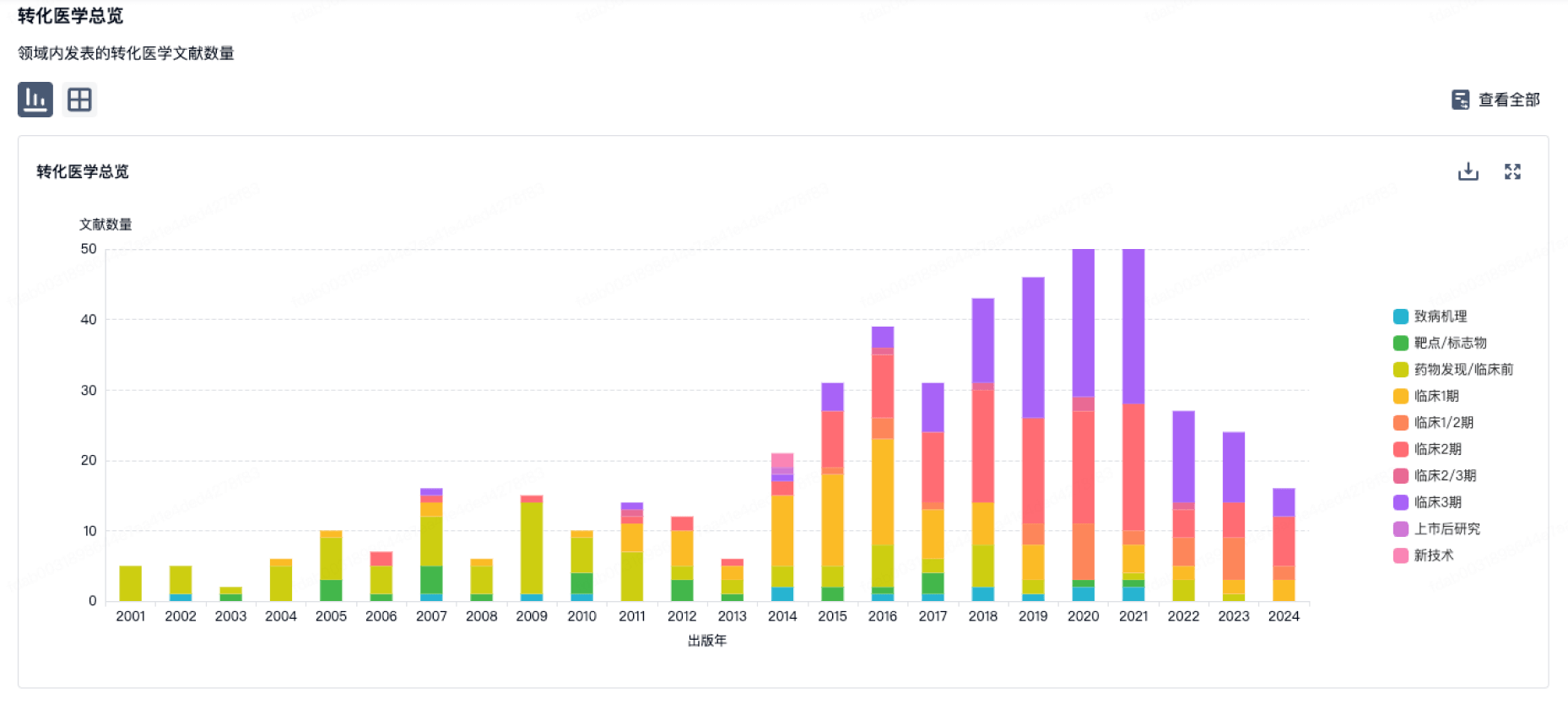
转化医学
使用我们的转化医学数据加速您的研究。
登录
或
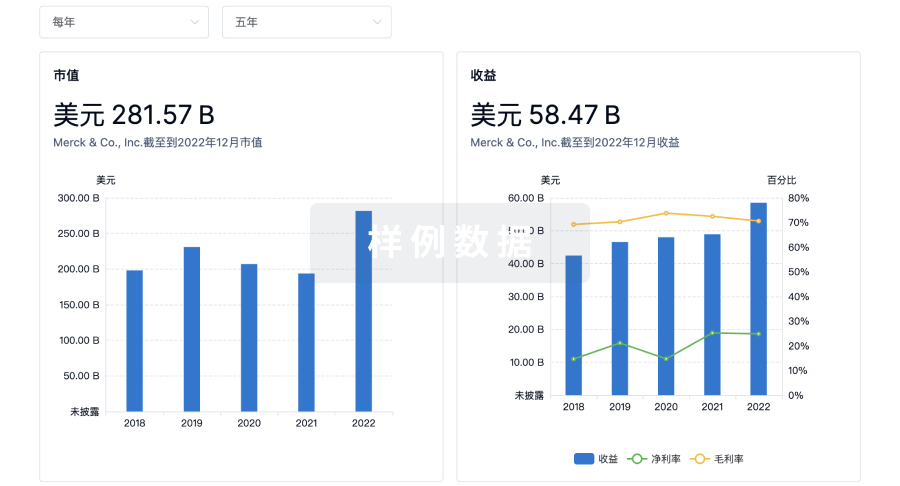
营收
使用 Synapse 探索超过 36 万个组织的财务状况。
登录
或
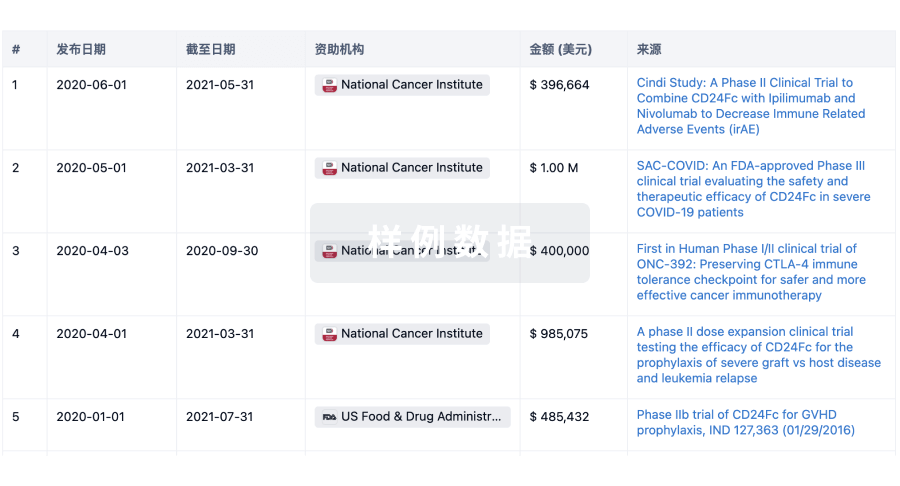
科研基金(NIH)
访问超过 200 万项资助和基金信息,以提升您的研究之旅。
登录
或
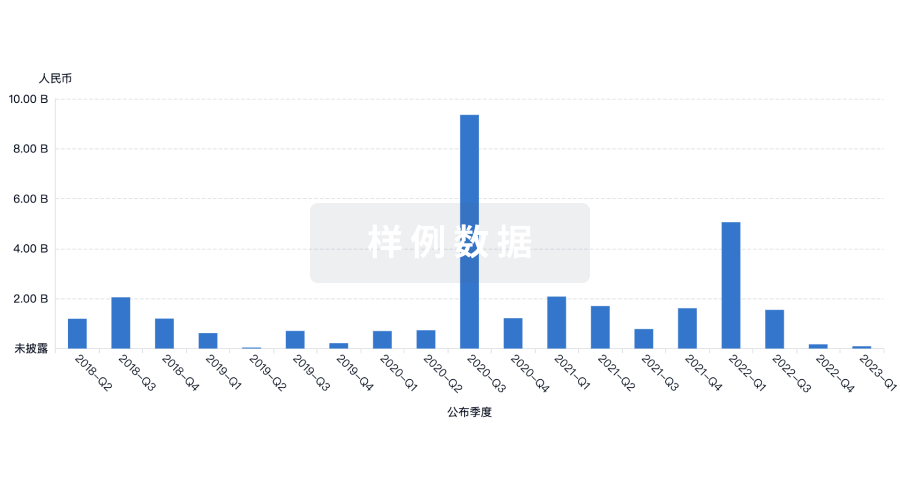
投资
深入了解从初创企业到成熟企业的最新公司投资动态。
登录
或
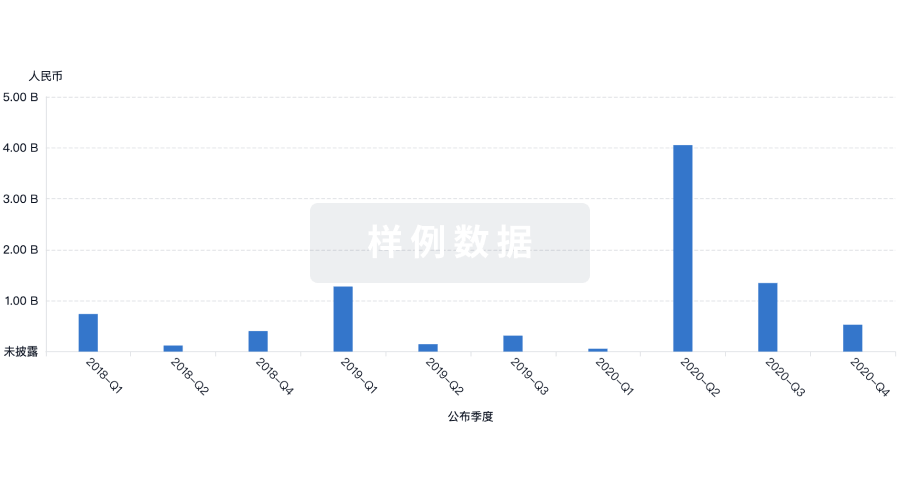
融资
发掘融资趋势以验证和推进您的投资机会。
登录
或
生物医药百科问答
全新生物医药AI Agent 覆盖科研全链路,让突破性发现快人一步
立即开始免费试用!
智慧芽新药情报库是智慧芽专为生命科学人士构建的基于AI的创新药情报平台,助您全方位提升您的研发与决策效率。
立即开始数据试用!
智慧芽新药库数据也通过智慧芽数据服务平台,以API或者数据包形式对外开放,助您更加充分利用智慧芽新药情报信息。
生物序列数据库
生物药研发创新
免费使用
化学结构数据库
小分子化药研发创新
免费使用