预约演示
更新于:2026-05-25

GangNeung Asan Hospital
更新于:2026-05-25
概览
关联
NCT07039955
Effectiveness of Daily Chlorhexidine Bathing and Antibiotic and Proton Pump Inhibitor (PPI) Stewardship in Preventing Transmission and Infection Caused by Carbapenemase-Producing Enterobacteriaceae (CPE)
KCT0009610
A single-arm, open-label study evaluating safety and efficacy of switching treatment to Enped tab (entecavir) in patients with chronic hepatitis B treated with Baraclude tab (ETV)
KCT0009588
Advancement of Breath-Guided Virtual Reality for Pain and Anxiety Relief in Cancer Patients Undergoing Systemic Chemotherapy
100 项与 GangNeung Asan Hospital 相关的临床结果
登录后查看更多信息
登录后查看更多信息
2026-05-05EUROPEAN HEART JOURNAL
Temporal modulation of antiplatelet therapy in high-risk patients undergoing complex percutaneous coronary intervention: the TAILORED-CHIP randomized clinical trial
Article
作者: Jang, Jae-Sik ; Bae, Jang-Whan ; Lee, Se-Whan ; Wee, Seong-Bong ; Park, Duk-Woo ; Park, Hanbit ; Bae, Jae Seok ; Suh, Jung-Won ; Lee, Jin Bae ; Kang, Do-Yoon ; Won, Hoyoun ; Suh, Jon ; Cho, Jang Hyun ; Yun, Sung-Cheol ; Park, Sangwoo ; Park, Kyoung-Ha ; Rha, Seung-Woon ; Oh, Jun-Hyok ; Choi, Jaewoong ; Park, Chul Soo ; Her, Sung-Ho ; Lee, Cheol Hyun ; Ahn, Young Keun ; Kang, Se Hun ; Ahn, Jung-Min ; Kwon, Osung ; Lee, Bong-Ki ; Cho, Young-Rak ; Park, Seung-Jung
Abstract:
Background and Aims:
Limited data exist on optimal antiplatelet strategies for high-risk patients undergoing complex percutaneous coronary intervention (PCI). This study aimed to investigate the efficacy and safety of tailored antiplatelet treatment with temporal modulation of the intensity of platelet inhibition in patients undergoing complex high-risk PCI.
Methods:
We randomly assigned 2018 patients with high-risk anatomical or clinical characteristics undergoing complex PCI to a tailored antiplatelet strategy with early escalation (low-dose ticagrelor at 60 mg twice daily plus aspirin <6 months) and late de-escalation (clopidogrel monotherapy >6 months) or dual antiplatelet therapy (clopidogrel plus aspirin for 12 months). The primary outcome was a composite of death from any cause, myocardial infarction, stroke, stent thrombosis, unplanned urgent revascularization, and clinically relevant bleeding (Bleeding Academic Research Consortium Type 2, 3, or 5) at 12 months.
Results:
The mean age was 64.0 years, 22.6% had left main PCI, 19.5% had complex bifurcation PCI, 84.1% had diffuse long lesions, 93.7% had multivessel PCI, and 36.7% had medically treated diabetes. At 12 months, a primary outcome event occurred in 105 patients (10.5%) assigned to tailored antiplatelet therapy and in 89 patients (8.8%) assigned to dual antiplatelet therapy [hazard ratio, 1.19; 95% confidence interval (CI), 0.90–1.58; P = .21]. The incidence of major ischaemic events appeared to be similar in both groups. The incidence of clinically relevant bleeding at 12 months was 7.2% in the tailored-therapy group and 4.8% in the dual-therapy group (difference, 2.45% points; 95% CI, 0.37–4.53).
Conclusions:
Among high-risk patients undergoing complex PCI, tailored antiplatelet strategy with early escalation and late de-escalation, as compared with dual antiplatelet therapy, did not decrease the incidence of primary net adverse events at 12 months.
Clinical Trial Registration:
ClinicalTrials.gov number, NCT03465644.
2026-05-01STROKE
Outcomes and Safety of Revascularization Approaches for Stroke Related to Isolated Vertebral Artery Occlusions (BRAVO)
Article
作者: Heldner, Mirjam R. ; Giacobazzi, Laura ; Grisendi, Ilaria ; Truessel, Simon ; Nolte, Christian H. ; Gensicke, Henrik ; Tariq, Muhammad Bilal ; Nguyen, Thanh N. ; Pezzini, Alessandro ; Molina, Carlos A. ; Picchetto, Livio ; Clark, Judith ; Friedrich Scheitz, Jan ; Sykora, Marek ; Boehme, Christian ; Riegler, Christoph ; Puetz, Volker ; Pascarella, Rosario ; Pallesen, Lars-Peder ; Ryan, Dylan ; Gralla, Jan ; Bianco, Giovanni ; Abrahamson, Margareta ; Knoflach, Michael ; Caparros, François ; Leker, Ronen ; Engelter, Stefan T. ; Siegler, James E. ; Zini, Andrea ; Ahmad, Mohammad J. ; Rizzo, Federica ; Mordasini, Pasquale ; Ribo, Marc ; Nordanstig, Annika ; Napoli, Manuela ; Bigliardi, Guido ; Flottmann, Fabian ; Patel, Parth ; Salerno, Alexander ; Carrera, Emmanuel ; Simonnet, Fanny ; Kim, Jong S. ; Machi, Paolo ; Curtze, Sami ; Jeong, Soo ; Cordonnier, Charlotte ; Abdalkader, Mohamad ; Mac Grory, Brian ; Zamzam, Ahmad ; Maffei, Stefania ; Bernardo Escribano Paredes, José ; Ferrari, Julia ; Marto, Joao Pedro ; Strambo, Davide ; Henon, Hilde ; Fiehler, Jens ; Mazini, Bianca ; Nahhas, Michael ; Wischmann, Johannes ; Zedde, Marialuisa ; Wegener, Susanne ; Padjen, Visnja ; Migliaccio, Ludovica ; Frediani, Luca ; Cereda, Carlo W. ; Dunet, Vincent ; Baumgartner, Philipp ; Michel, Patrik ; Kellert, Lars ; Min, Jiangyong ; Dhar, Srishti ; Arnold, Marcel ; Krebs, Stefan ; Saliou, Guillaume ; Antonenko, Kateryna ; Gentile, Mauro
BACKGROUND::
The best revascularization strategy for acute ischemic stroke from isolated vertebral artery occlusion remains unclear.
METHODS::
This retrospective, international, multicenter cohort study included patients from 30 comprehensive stroke centers across Europe (n=23), North America (n=5), and Asia (n=2) between 2016 and 2022. Eligible patients presented with acute ischemic stroke within 24 hours of last seen well and had imaging-confirmed isolated vertebral artery occlusion. Two treatment comparisons were analyzed: intravenous thrombolysis (IVT)-only versus conservative treatment (Cx), and endovascular treatment (EVT)±IVT versus medical management (Cx and IVT). The primary outcome was the shift in 3-month modified Rankin Scale (mRS) score; secondary outcomes included early neurological improvement (24-hour-delta National Institutes of Health Stroke Scale score), recanalization, early neurological deterioration of ischemic origin, symptomatic intracerebral hemorrhage, and 3-month mortality. Analyses were adjusted using inverse probability of treatment weighting (IPTW).
RESULTS::
Among 494 patients, 143 (29%) received Cx, 218 (44%) IVT-only, and 133 (27%) EVT±IVT. Compared with Cx, IVT-only showed similar 3-month mRS score (IPTW-adjusted odds ratio [aOR] mRS shift score, 1.32 [95% CI, 0.80–2.18]), greater early neurological improvement (IPTW-adjusted-β coefficient, −1 [95% CI, −2.05 to 0.05]), and higher recanalization rates (IPTW-aOR, 4.33 [95% CI, 1.36–13.78]). Compared with MM (=IVT+Cx), EVT±IVT was associated with an unfavorable mRS shift score (IPTW-aOR mRS shift score, 0.51 [95% CI, 0.35–0.74]), higher early neurological deterioration of ischemic origin (IPTW-aOR, 9.06 [95% CI, 2.86–28.67]), and symptomatic intracerebral hemorrhage (IPTW-aOR, 6.05 [95% CI, 1.14–32.1]) though recanalization was over 4-fold higher (OR, 4.64 [95% CI, 1.90–11.33]). Patients with National Institutes of Health Stroke Scale score ≥10 showed point estimates favoring EVT+IVT (
Pinteraction
=0.025).
CONCLUSIONS::
IVT-only appeared safe and was associated with better early recovery and recanalization. EVT±IVT showed overall worse outcomes, potentially due to increased early neurological deterioration of ischemic origin and symptomatic intracerebral hemorrhage rates, but may confer benefit in moderate-to-severe strokes, warranting prospective trials in symptomatic isolated vertebral artery occlusion.
2026-04-30Journal of Neurogastroenterology and Motility
Real‑world Application of the International Anorectal Physiology Working Group Standardized Protocol and London Classification: A Multi‑country Cross‑sectional Survey of Anorectal Manometry Practice in Asia
Article
作者: Seo, Myeongsook ; Park, Seon-Young ; Sohn, Chong Il ; Choi, Soo In ; Choi, Suck Chei ; Lee, Han Hee ; Lee, Ju Yup ; Kim, Jong Wook ; Jung, Kee Wook
Background/Aims:
: The International Anorectal Physiology Working Group (IAPWG) has proposed a standardized protocol and the London classification to enhance the consistency and diagnostic accuracy of anorectal manometry (ARM). However, real-world adoption in Asian countries has not been systematically assessed. This study aims to evaluate current ARM practices and adherence to the IAPWG protocol across Asian centers.
Methods:
: A cross-sectional, 50-item web-based survey was distributed to gastroenterologists and motility specialists practicing in Asian countries.
Results:
: Thirty-one centers from 8 countries responded (20 in Korea, 3 in Japan, 2 in Taiwan, 1 in China, and 7 in other countries). High-resolution ARM was used in 80.6% of centers, primarily with solid-state catheters. While all centers performed rest and short squeeze maneuvers, only 58.1% conducted all maneuvers recommended by the IAPWG protocol. Considerable variation was observed in test methodology and interpretation, including definitions of resting pressure, squeeze duration, push maneuver repetition, and rectal balloon volume for rectoanal inhibitory reflex. For balloon expulsion and rectal sensory testing, centers differed in patient positioning, balloon type, inflation methods, and threshold definitions. Only 38.7% of centers reported having institutional normative values for test interpretation, and 64.5% applied the London classification.
Conclusions:
: Across Asian centers, ARM practice shows marked regional variation and incomplete implementation of the IAPWG standardized protocol and London classification, highlighting persistent gaps in standardization. Strengthening procedural guidance, regionally appropriate normative data, and interpretation criteria through coordinated education and international collaboration is needed to support more consistent and clinically meaningful use of ARM in routine practice.
100 项与 GangNeung Asan Hospital 相关的药物交易
登录后查看更多信息
100 项与 GangNeung Asan Hospital 相关的转化医学
登录后查看更多信息
组织架构
使用我们的机构树数据加速您的研究。
登录
或
管线布局
2026年09月15日管线快照
无数据报导
登录后保持更新
药物交易
使用我们的药物交易数据加速您的研究。
登录
或
转化医学
使用我们的转化医学数据加速您的研究。
登录
或
营收
使用 Synapse 探索超过 36 万个组织的财务状况。
登录
或
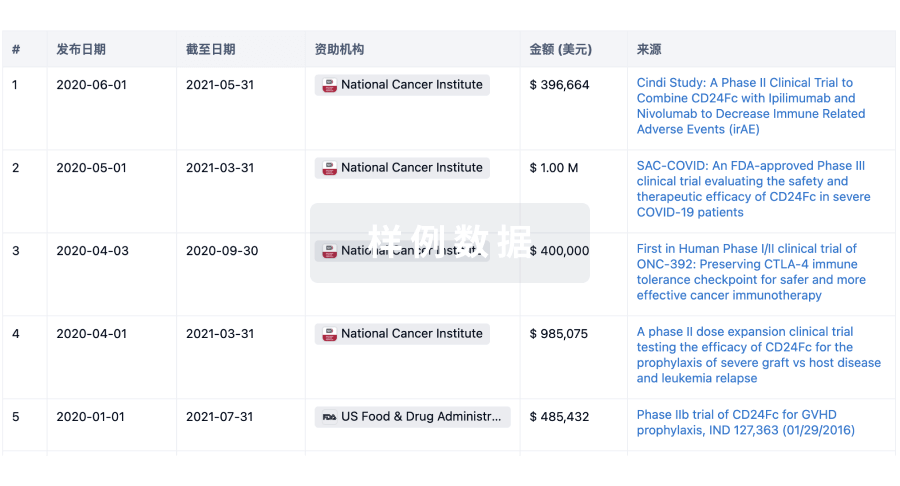
科研基金(NIH)
访问超过 200 万项资助和基金信息,以提升您的研究之旅。
登录
或
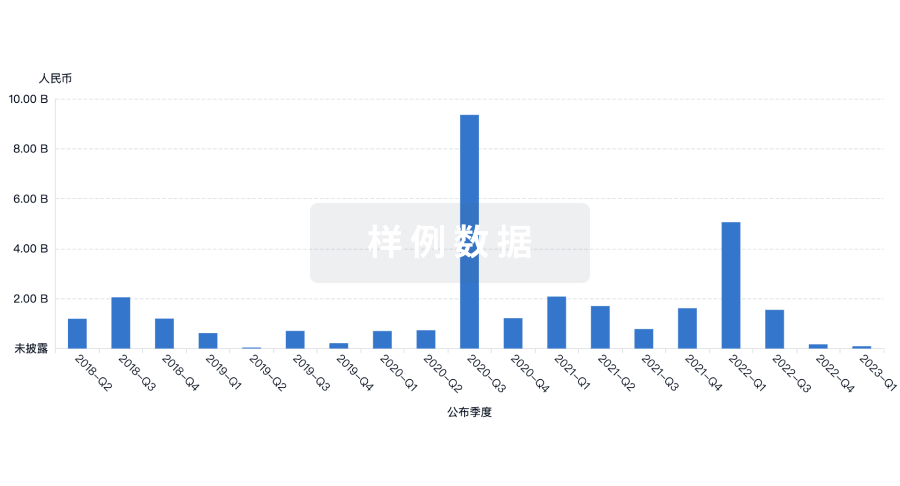
投资
深入了解从初创企业到成熟企业的最新公司投资动态。
登录
或
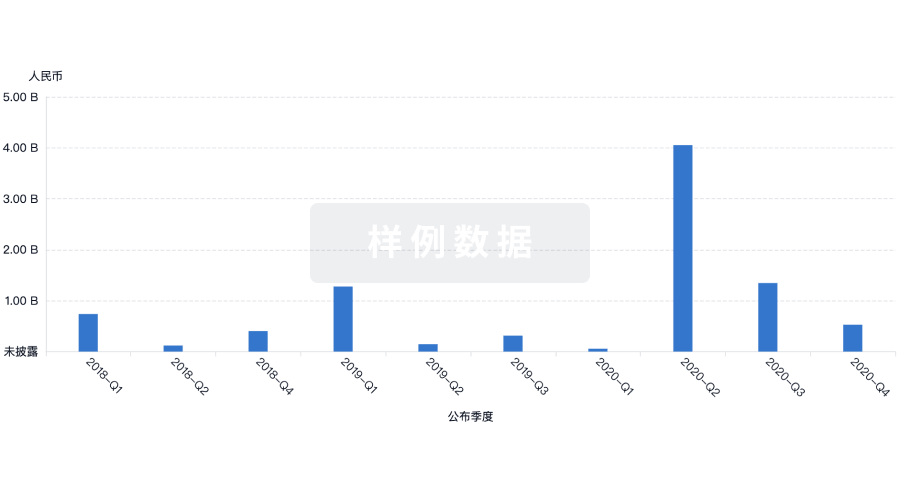
融资
发掘融资趋势以验证和推进您的投资机会。
登录
或
提出任何生物医药研究问题
让每一步生物医药决策都精准制胜
基于十亿级生物数据与全球情报的精准 AI,赋能早期药物发现
立即开始免费试用!
智慧芽新药情报库是智慧芽专为生命科学人士构建的基于AI的创新药情报平台,助您全方位提升您的研发与决策效率。
立即接入生物医药数据包
智慧芽新药库数据也通过智慧芽开放平台,以MCP或API服务形式对外开放。立即使用我们的MCP服务定制您的LLM智能体。
生物序列数据库
生物药研发创新
免费使用
化学结构数据库
小分子化药研发创新
免费使用