预约演示
更新于:2026-01-10

Royal Institute of Technology
更新于:2026-01-10
概览
标签
神经系统疾病
消化系统疾病
其他疾病
小分子化药
合成多肽
疾病领域得分
一眼洞穿机构专注的疾病领域

技术平台
公司药物应用最多的技术
靶点
公司最常开发的靶点
关联
靶点 |
作用机制 |
在研机构 |
原研机构 |
在研适应症 |
非在研适应症 |
最高研发阶段 |
首次获批国家/地区 |
首次获批日期 |
靶点 |
作用机制 |
在研机构 |
原研机构 |
在研适应症 |
非在研适应症 |
最高研发阶段 |
首次获批国家/地区 |
首次获批日期 |
WO2022242892
专利挖掘靶点 |
作用机制 |
在研机构 |
原研机构 |
在研适应症 |
非在研适应症 |
最高研发阶段 |
首次获批国家/地区 |
首次获批日期 |


NCT07163143
Optimal Treatment Duration for Radiographically Apparent, Bacteriologically Unconfirmed TB, Identified Through Active Case Finding

NCT05359367
A Novel Approach to the Development of New Treatment Strategies to Enhance True Recovery After Stroke, Based on Laboratory Movement Analysis and Clinical Aspects of Gait Function and Walking
NCT04832594
Image Analysis With Artificial Intelligence to Increase Precision in Breast Cancer Screening - the ScreenTrust MRI Substudy: a Prospective Trial of AI to Select Women for Supplemental Screening MRI

100 项与 Royal Institute of Technology 相关的临床结果
登录后查看更多信息
登录后查看更多信息
2026-04-01BIOMATERIALS
Engineering biomimetic tissue barrier models on chips: From design and fabrication to applications in disease modeling and drug screening
Review
作者: Enrico, Alessandro ; Tirpáková, Zuzana ; Gokce, Begum ; Shah, Shilp ; Madadelahi, Masoud ; Zhu, Yangzhi ; Bijarchi, Mohamad Ali ; Jain, Saumey ; Sendemir, Aylin ; Van Gastel, Dirkje ; Gulicli, Baris ; Herland, Anna ; de Barros, Natan Roberto ; Nikmaneshi, Mohammad Reza ; Nasiri, Rohollah ; Morcimen, Zehra Gul ; Lauschke, Volker M ; Khademhosseini, Ali ; Habibey, Rouhollah ; Taebnia, Nayere ; Dokmeci, Mehmet Remzi ; Pratx, Guillem
Replicating the in vitro properties of tissue barriers-such as the blood-brain barrier, gut, skin, lung, kidney, retina, nasal epithelium, and placenta-is crucial for many applications, including drug screening, studying molecular transport, drug delivery, and disease modeling in preclinical studies. Organ-on-a-chip (OoC) platforms are advanced three-dimensional (3D) in vitro models that aim to replicate various aspects of organ functionality within microfluidic systems by providing microenvironments akin to native tissue. When used to model the interface between two different tissue compartments, OoC technology offers a promising platform for more accurately replicating the physiology and pathophysiology of various tissue barriers in the body. This review focuses on the state-of-the-art biomimetic tissue barrier models, ranging from two-channel tissue barrier-on-a-chip systems with a thin porous membrane to hydrogel-based membrane models. Specifically, it explores the engineering of tissue barrier-on-a-chip platforms, highlighting various fabrication techniques for microfluidic chips and membranes, as well as methods for functional characterization of the engineered tissue barriers. Additionally, we discuss the development of organ-specific barrier models and multi-organ-on-a-chip systems for studying inter-organ communication. Finally, we highlight the current challenges in the field and future directions in advancing tissue barrier modeling using OoC technology.
2026-04-01APPETITE
“I care but it doesn't keep me up at night”: A qualitative exploration of perceptions of biodiversity-friendly food consumption
Article
作者: Shen, Julia Q ; Wertheim-Heck, Sigrid ; Mulder, Bob C ; House, Jonas
Biodiversity, crucial for resilient agri-food systems, is declining at an unprecedented rate, partly due to changing food systems. Lack of consumer willingness has been identified as a barrier to adopt biodiversity-friendly agricultural practices, however, a consumer perspective remains underexplored. This paper presents findings from four focus group discussions in the Netherlands with a relatively environmentally-conscious sample (N = 24), exploring how they perceive biodiversity-friendly production and consumption. These discussions reveal two main insights: first, participants are aware of the negative ecological impacts of food systems and can identify key drivers of biodiversity loss, such as increased chemical inputs, monocultures and unsustainable consumption patterns. They recognize the systemic nature of these problems, describing the system as 'locked in' by economic and institutional constraints. Second, while participants stress the role of consumers in driving food systems (change), they simultaneously express ambivalence around their own agency to do so. Mapped according to the COM-B model, the study identifies drivers and barriers related to people's perceived capability (e.g., limited visibility of biodiversity), opportunity (e.g., limited availability and accessibility of alternatives), and motivation (e.g., conflicting priorities) to consume in a more biodiversity-friendly way. We argue that this tension between responsibility and agency reflects a broader discourse of consumer responsibilization, in which individuals are assigned responsibility for solving broader problems through their consumption, without being given the means to. The study demonstrates the need for systems that enable biodiversity-friendly food consumption, as well as foster a more balanced societal discourse on responsibility and agency in food systems.
2026-03-01ADVANCES IN COLLOID AND INTERFACE SCIENCE
Recent progress in grazing incidence small-angle neutron scattering
Review
作者: Birch, Jens ; Wolff, Max ; Arnold, Thomas ; Cárdenas, Marité ; Rogers, Sarah ; Roth, Stephan V ; Köhler, Sebastian ; Sassa, Yasmine ; Dorri, Samira ; Nylander, Tommy ; Månsson, Martin
Interfacial structures on the nanoscale are crucial for a wide field of applications ranging from biological membranes in life sciences through organic solar cells and industrial coatings in soft matter to hard matter structures. The latter include thin film coatings and materials such as magnetic nanoparticles and topological structures like magnetic skyrmions. Advancing such application rests on the ability to reveal structures at hidden interfaces at different length scales. Techniques like scanning probe microscopy provide information about surface structures and topology with high precision, but are limited to the probe interacting with the surface. The high penetration power of neutrons, their sensitivity to light elements and the capability to probe magnetic structures makes grazing incidence small-angle neutron scattering (GISANS) a valuable, but yet underexploited, tool for organic materials and condensed matter systems and, in particular, to study buried interfaces. Together with specular and off specular neutron reflectometry, interfacial structures on length scales from a few nanometres up to micrometres can be revealed. Apart from giving a comprehensive introduction to the GISANS technique, we will highlight the importance of interfacial layer structures in different fields and how recent developments in the surface techniques have revealed common features in a range of systems. This includes the formation, structure, and topology of the interfaces of and between materials, which are controlled by the same fundamental molecular and colloidal forces.
100 项与 Royal Institute of Technology 相关的药物交易
登录后查看更多信息
100 项与 Royal Institute of Technology 相关的转化医学
登录后查看更多信息
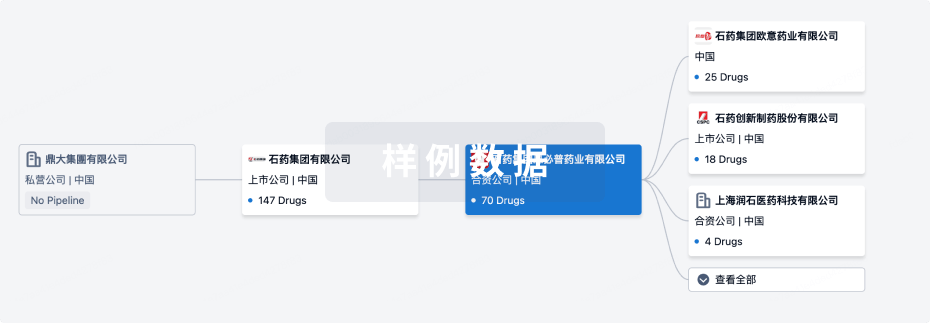
组织架构
使用我们的机构树数据加速您的研究。
登录
或
管线布局
2026年02月09日管线快照
管线布局中药物为当前组织机构及其子机构作为药物机构进行统计,早期临床1期并入临床1期,临床1/2期并入临床2期,临床2/3期并入临床3期
药物发现
2
2
临床前
其他
1
登录后查看更多信息
当前项目
登录后查看更多信息
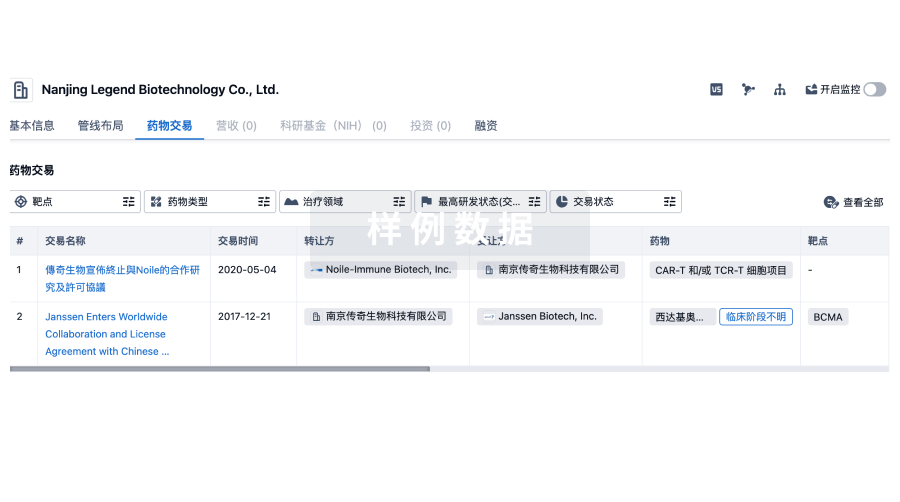
药物交易
使用我们的药物交易数据加速您的研究。
登录
或
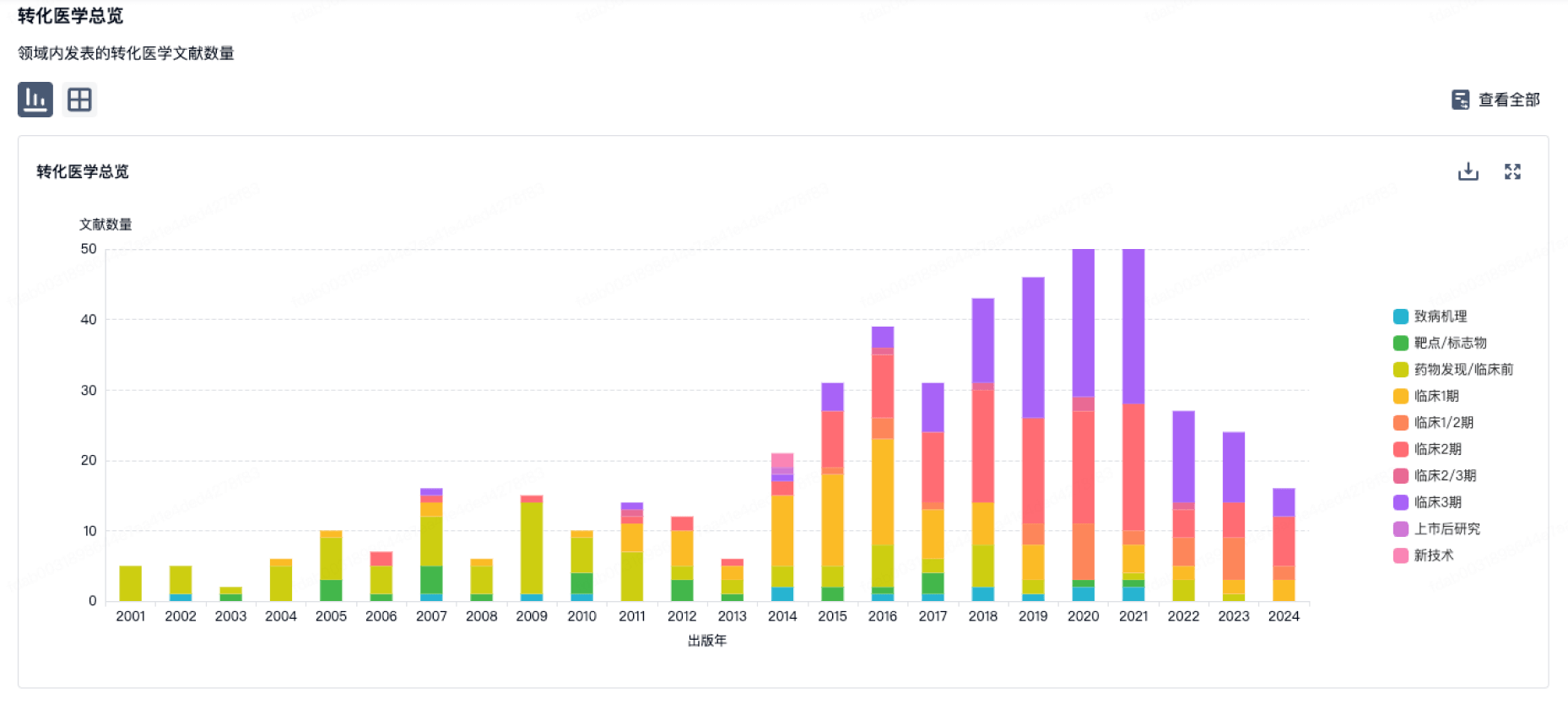
转化医学
使用我们的转化医学数据加速您的研究。
登录
或
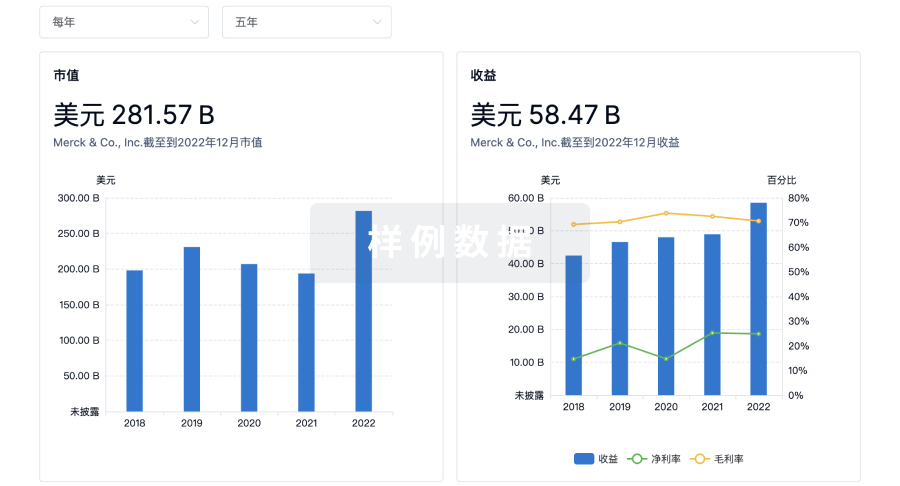
营收
使用 Synapse 探索超过 36 万个组织的财务状况。
登录
或
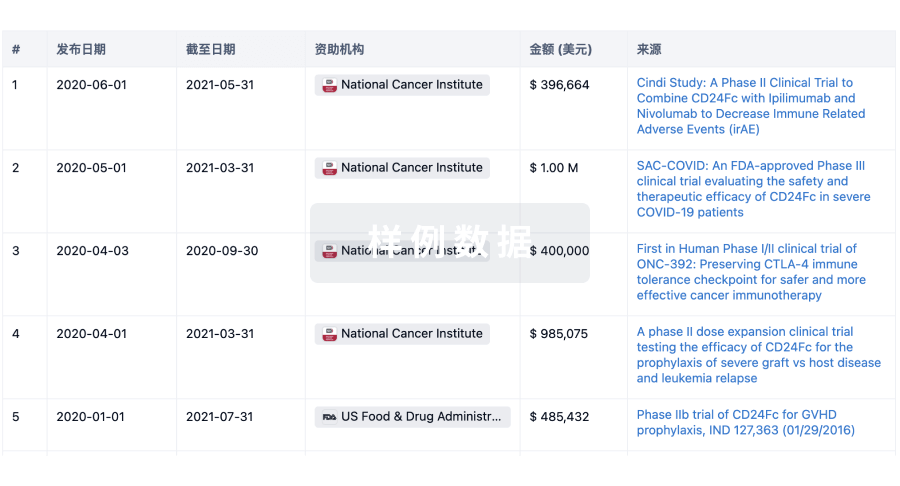
科研基金(NIH)
访问超过 200 万项资助和基金信息,以提升您的研究之旅。
登录
或
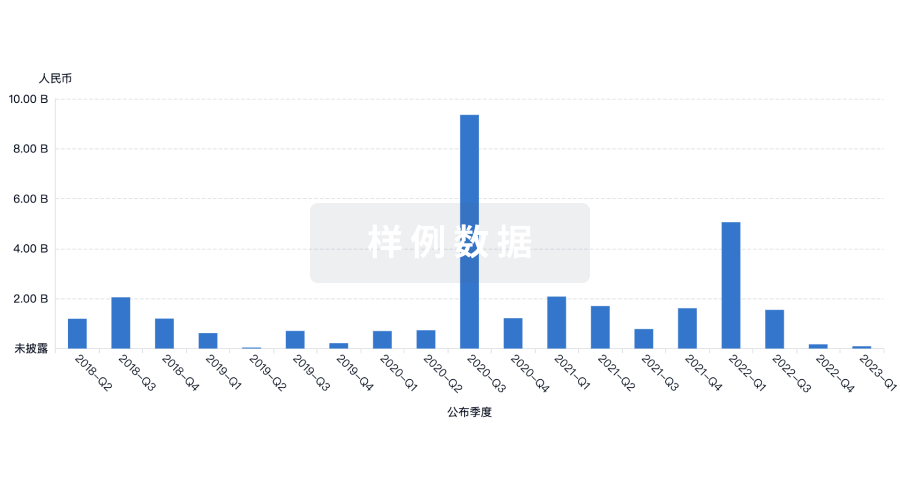
投资
深入了解从初创企业到成熟企业的最新公司投资动态。
登录
或
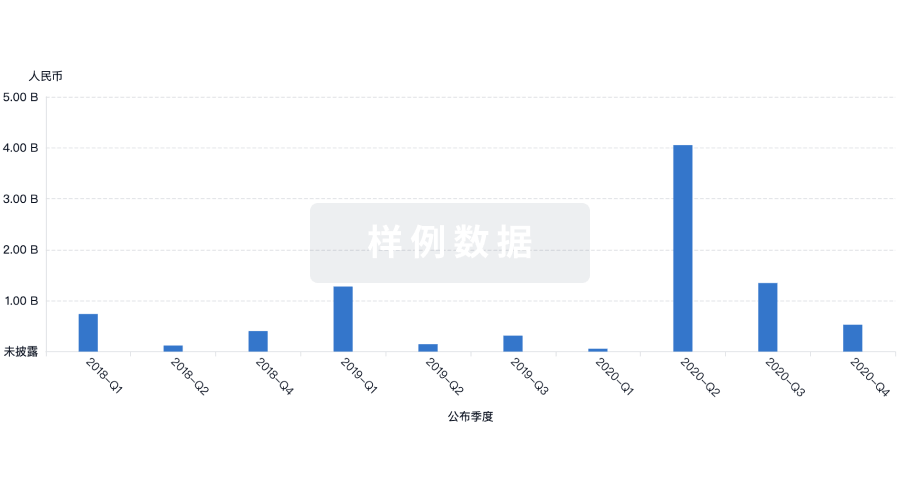
融资
发掘融资趋势以验证和推进您的投资机会。
登录
或
生物医药百科问答
全新生物医药AI Agent 覆盖科研全链路,让突破性发现快人一步
立即开始免费试用!
智慧芽新药情报库是智慧芽专为生命科学人士构建的基于AI的创新药情报平台,助您全方位提升您的研发与决策效率。
立即开始数据试用!
智慧芽新药库数据也通过智慧芽数据服务平台,以API或者数据包形式对外开放,助您更加充分利用智慧芽新药情报信息。
生物序列数据库
生物药研发创新
免费使用
化学结构数据库
小分子化药研发创新
免费使用