预约演示
更新于:2025-05-07

5 Santé SAS
更新于:2025-05-07
概览
关联
NCT04279730
Impact of Fatigue on Physical Performance During a Pulmonary Rehabilitation Program in Patients With COPD
NCT04010825
Impact of Hypnosis Intervention Focused on the Emotional Dimension of Dyspnea on the Maintenance of Benefits for Patients With COPD After a Pulmonary Rehabilitation: A Multicenter Randomized Controlled Clinical Study
NCT03807258
Functional Implication of Corpus Callosum in Voluntary Strength in COPD Patients
100 项与 5 Santé SAS 相关的临床结果
登录后查看更多信息
登录后查看更多信息
2018-10-01Journal of Sport and Health Science1区 · 医学
Intention and automaticity toward physical and sedentary screen-based leisure activities in adolescents: A profile perspective
1区 · 医学
ArticleOA
作者: Marchant, Gonzalo ; Boiché, Julie ; Chevance, Guillaume
2016-09-011.2 Rehabilitation and Chronic Care
LATE-BREAKING ABSTRACT: Antioxidant supplementation in chronic obstructive pulmonary disease (COPD): A relevant way to optimize pulmonary rehabilitation effects
作者: Joël Pincemail ; Nelly Héraud ; Christian Préfaut ; Jacques Mercier ; François Bughin ; Philippe De Rigal ; Pascal Pomiès ; Dalila Laoudj-Chenivesse ; Maurice Hayot ; Fares Gouzi ; Marine Blaquière ; Magali Poulain ; Jonathan Maury ; Nicolas Molinari
100 项与 5 Santé SAS 相关的药物交易
登录后查看更多信息
100 项与 5 Santé SAS 相关的转化医学
登录后查看更多信息
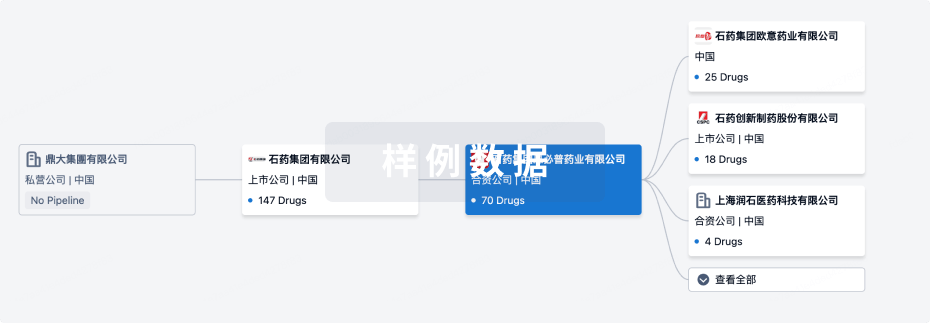
组织架构
使用我们的机构树数据加速您的研究。
登录
或
管线布局
2026年02月09日管线快照
无数据报导
登录后保持更新
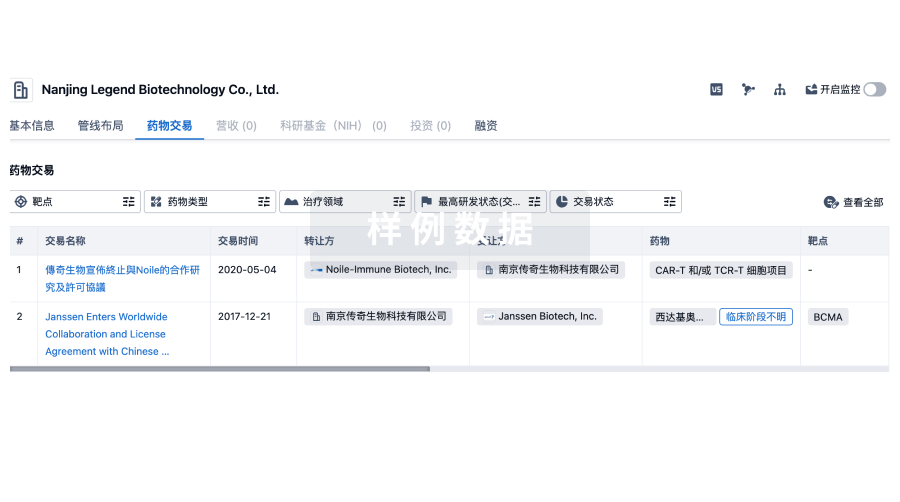
药物交易
使用我们的药物交易数据加速您的研究。
登录
或
转化医学
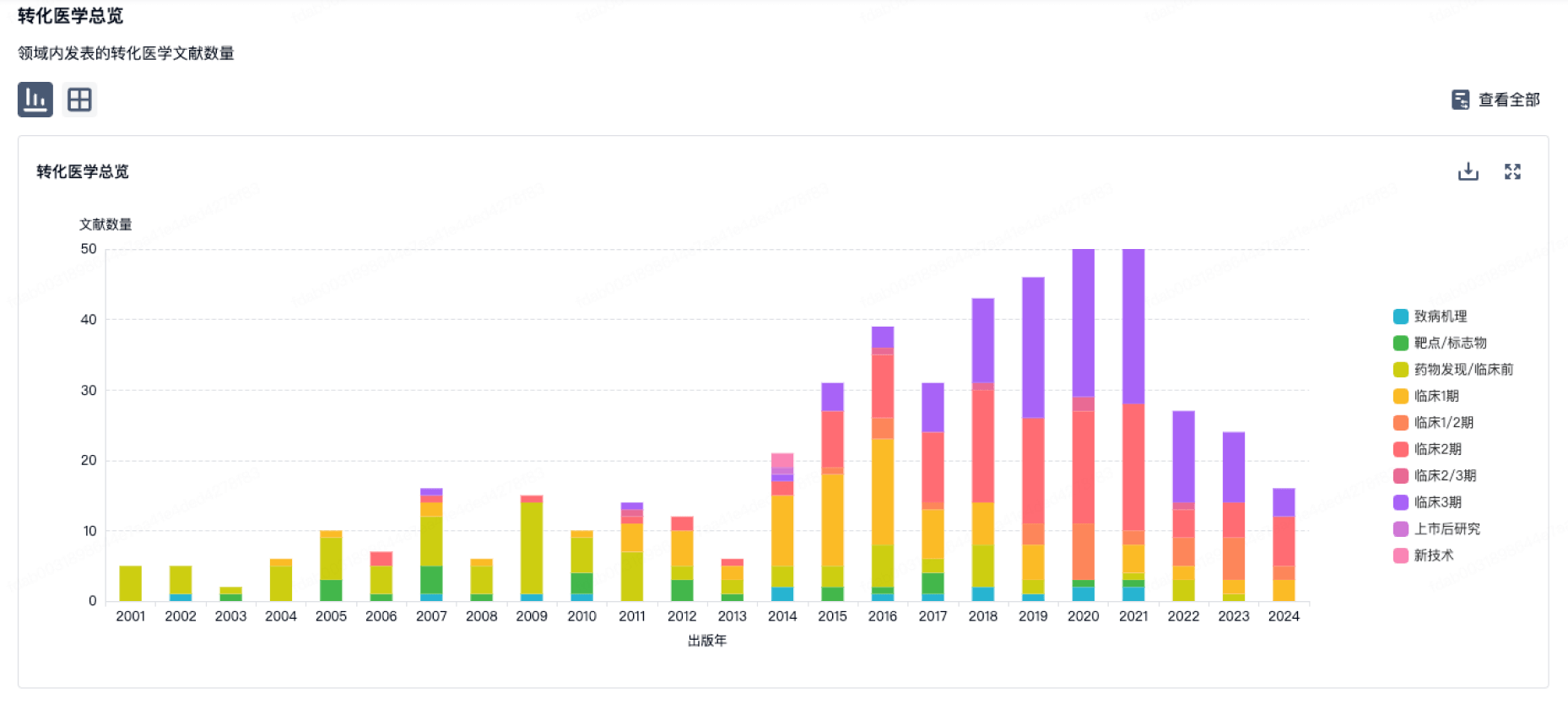
使用我们的转化医学数据加速您的研究。
登录
或
营收
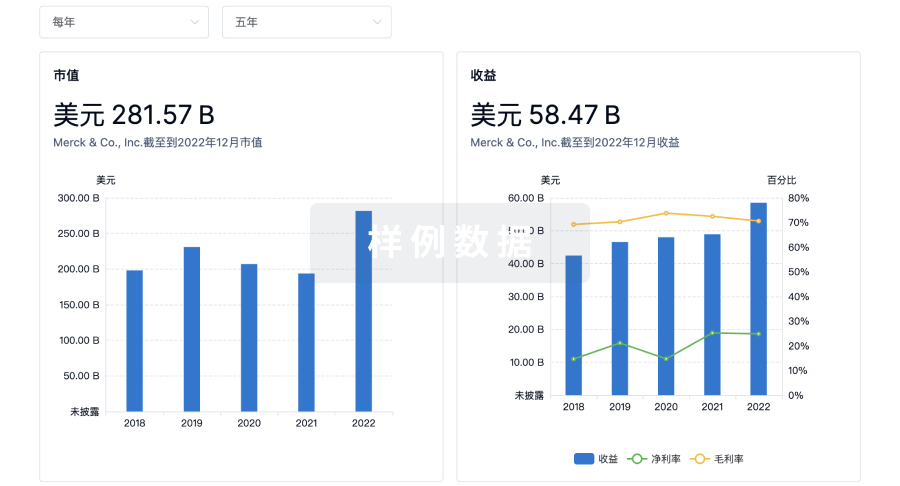
使用 Synapse 探索超过 36 万个组织的财务状况。
登录
或
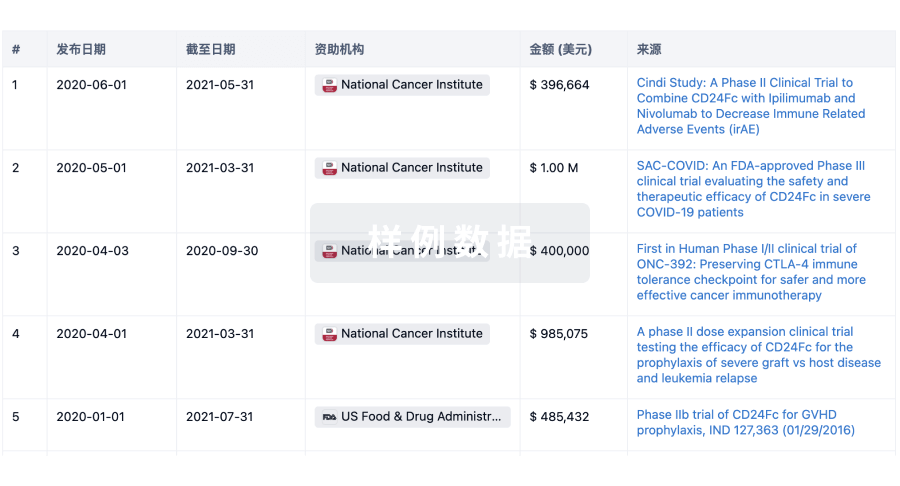
科研基金(NIH)
访问超过 200 万项资助和基金信息,以提升您的研究之旅。
登录
或
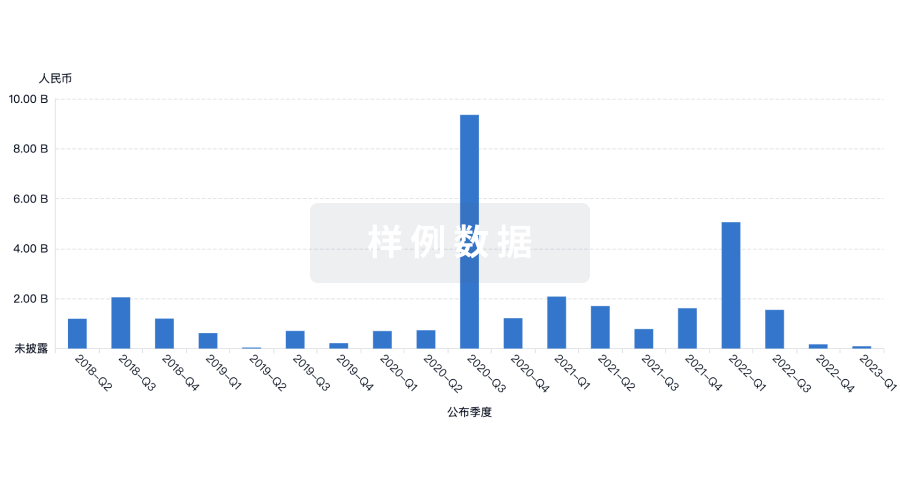
投资
深入了解从初创企业到成熟企业的最新公司投资动态。
登录
或
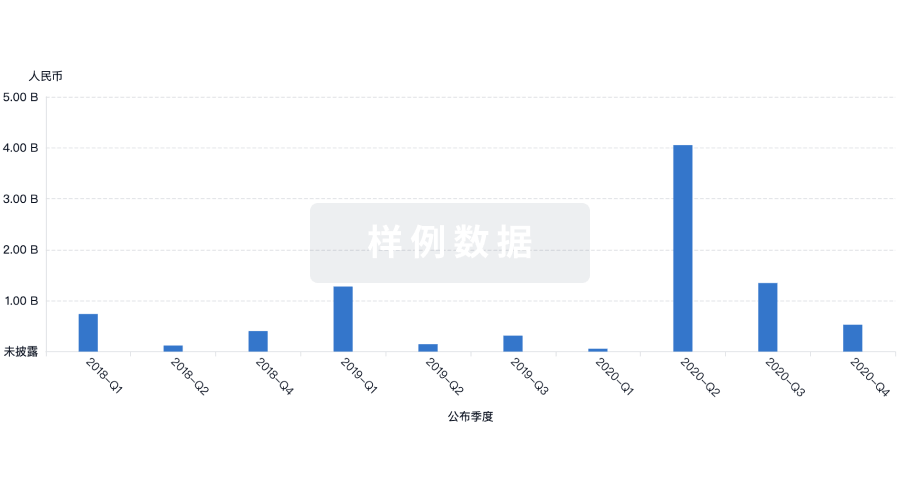
融资
发掘融资趋势以验证和推进您的投资机会。
登录
或
生物医药百科问答
全新生物医药AI Agent 覆盖科研全链路,让突破性发现快人一步
立即开始免费试用!
智慧芽新药情报库是智慧芽专为生命科学人士构建的基于AI的创新药情报平台,助您全方位提升您的研发与决策效率。
立即开始数据试用!
智慧芽新药库数据也通过智慧芽数据服务平台,以API或者数据包形式对外开放,助您更加充分利用智慧芽新药情报信息。
生物序列数据库
生物药研发创新
免费使用
化学结构数据库
小分子化药研发创新
免费使用