预约演示
更新于:2026-05-01

Click Therapeutics, Inc.
更新于:2026-05-01
概览
标签
消化系统疾病
心血管疾病
内分泌与代谢疾病
化学药
疾病领域得分
一眼洞穿机构专注的疾病领域
技术平台
公司药物应用最多的技术
靶点
公司最常开发的靶点

暂无数据
关联
靶点 |
作用机制 |
在研机构 |
原研机构 |
在研适应症 |
非在研适应症 |
最高研发阶段 |
首次获批国家/地区 |
首次获批日期 |
靶点 |
作用机制 |
在研机构 |
原研机构 |
在研适应症 |
非在研适应症 |
最高研发阶段 |
首次获批国家/地区 |
首次获批日期 |
靶点 |
作用机制 |
在研机构 |
原研机构 |
在研适应症 |
非在研适应症 |
最高研发阶段 |
首次获批国家/地区 |
首次获批日期 |
NCT06486948
A Multicenter, Exploratory, Randomized, Double-Arm, 8-week Study to Evaluate the Feasibility and Acceptability of an Abbreviated Treatment with CT-156 in People with Schizophrenia
NCT06275659
An Exploratory Study to Evaluate a Digital Intervention to Disrupt Scratching in Atopic Dermatitis and Psoriasis
NCT06136923
An Exploratory Study to Evaluate Attention Biases in Adults With Multiple Sclerosis, Breast Cancer, and Lung Cancer
100 项与 Click Therapeutics, Inc. 相关的临床结果
登录后查看更多信息
登录后查看更多信息
2025-11-01JOURNAL OF AFFECTIVE DISORDERS
A digital therapeutic (CT-152) as adjunct to antidepressant medication: A phase 3 randomized controlled trial (the Mirai study)
Article
作者: Docherty, John P ; Forbes, Ainslie ; Fahmy, Michael ; Rothman, Brian ; Rush, A John ; Carpenter, Daniel ; Chen, Dalei ; Trivedi, Madhukar H ; Lakhan, Shaheen E ; Slomkowski, Mary ; Speier, Austin ; Lawson, Erica
OBJECTIVE:
Digital therapeutics (DTx) are a new treatment class for major depressive disorder (MDD). This study evaluated the effectiveness and safety of a novel DTx, CT-152 (Rejoyn™), for MDD adjunctive to antidepressant medication monotherapy.
METHODS:
Adults aged 22-64 years with MDD having an inadequate response to current antidepressant medication monotherapy were enrolled in a phase 3 multicenter, randomized, blinded, sham-controlled, remote trial with a 6-week intervention and 4-week extension. Delivered via smartphone apps, the CT-152 group received a cognitive-emotional and behavioral therapeutic intervention; the control group received a sham app with a working memory task. Both groups received supportive text messages and continued current antidepressant medication. The primary outcome was Montgomery-Åsberg Depression Rating Scale (MADRS) score change from baseline to week 6. Treatment-emergent adverse events (TEAEs) were assessed.
RESULTS:
Overall, 386 participants were randomly assigned (CT-152, n = 194; sham, n = 192). In the primary efficacy analysis of participants with ≥ 1 treatment session and ≥ 1 MADRS assessment post-baseline (n = 354), MADRS score changed -9.03 in the CT-152 group and - 7.25 in the sham (difference, - 1.78; P = 0.0568). These results were consistent with data from additional patient and clinician scales. In a supportive analysis of the intent-to-treat sample (N = 386), the between-group difference in 6-week MADRS change from baseline was -2.12 (P = 0.0211), favoring CT-152. No TEAEs or discontinuations were considered related to CT-152, and no deaths occurred.
CONCLUSIONS:
CT-152 resulted in depression symptom improvement and a favorable safety profile. Based on these data, CT-152 became the first FDA-authorized prescription DTx for the adjunctive treatment of MDD.
2025-09-30PROCEEDINGS OF THE NATIONAL ACADEMY OF SCIENCES OF THE UNITED STATES OF AMERICA
Software-Enhanced Drugs™: The third platform reshaping drug development
Letter
作者: Wicks, Paul ; Lakhan, Shaheen E.
2025-06-13Cureus Journal of Medical Science
The Wrong Fix: Why America Doesn’t Need More Medical Schools to Solve the Physician Shortage
作者: Lakhan, Shaheen E
The United States is grappling with a physician shortage, but the solution does not lie in simply opening more medical schools. As a physician-scientist and former founding dean of a medical school, I argue that the true bottleneck is not the number of medical school graduates but the insufficient number of residency training positions. Since the Balanced Budget Act of 1997, which froze the number of Medicare-funded residency slots, the United States has seen a steady increase in medical graduates, yet the availability of residency spots has stagnated. This mismatch between undergraduate medical education (UME) expansion and the lack of corresponding growth in graduate medical education (GME) is the key issue. This editorial explores the structural flaws in the current system, particularly the artificial cap on residency slots, and critiques the recent push to open new medical schools without addressing the underlying problem in residency training. Drawing on personal experience and data, I examine the consequences of this mismatch, including the vast number of unmatched graduates, a growing physician shortage, and the inefficient use of educational resources. I propose policy reforms, including lifting the federal GME cap, creating public-private partnerships, leveraging technology for AI-augmented supervision, and adopting hybrid training models to modernize GME. Only by expanding and modernizing residency programs in tandem with UME growth can the U.S. effectively resolve its physician shortage and ensure that the medical graduates of today are trained and ready to meet the healthcare needs of tomorrow.
2026-04-21
·今日头条

2026-04-17
临床3期临床结果引进/卖出临床2期
100 项与 Click Therapeutics, Inc. 相关的药物交易
登录后查看更多信息
100 项与 Click Therapeutics, Inc. 相关的转化医学
登录后查看更多信息
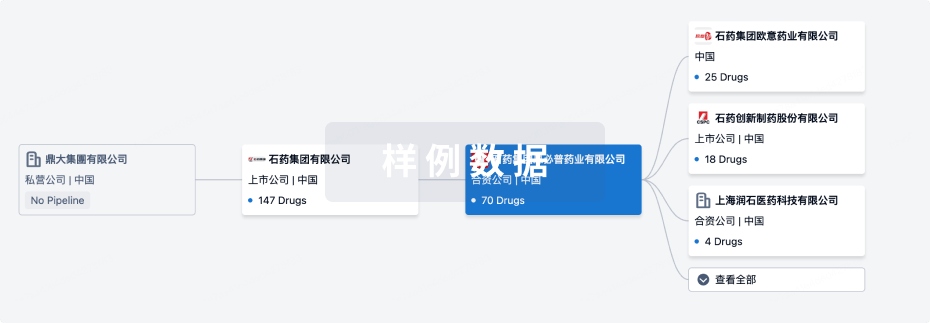
组织架构
使用我们的机构树数据加速您的研究。
登录
或
管线布局
2026年06月03日管线快照
管线布局中药物为当前组织机构及其子机构作为药物机构进行统计,早期临床1期并入临床1期,临床1/2期并入临床2期,临床2/3期并入临床3期
临床前
3
登录后查看更多信息
当前项目
登录后查看更多信息
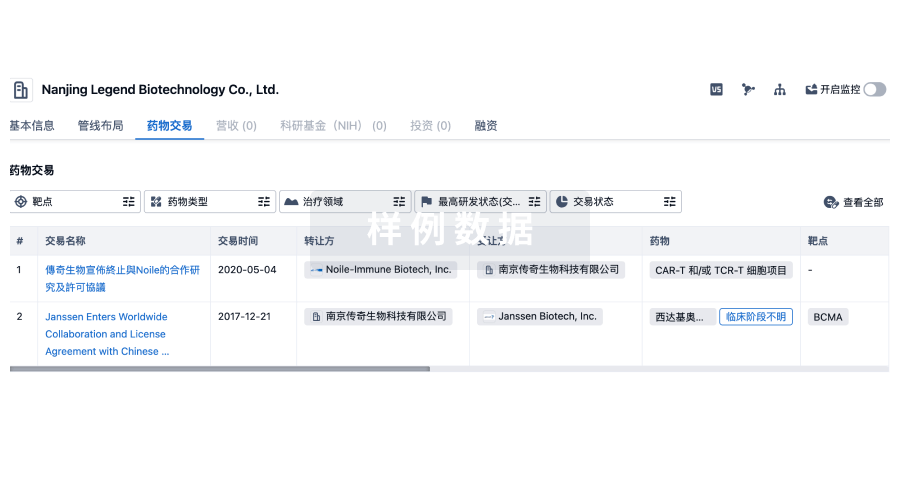
药物交易
使用我们的药物交易数据加速您的研究。
登录
或
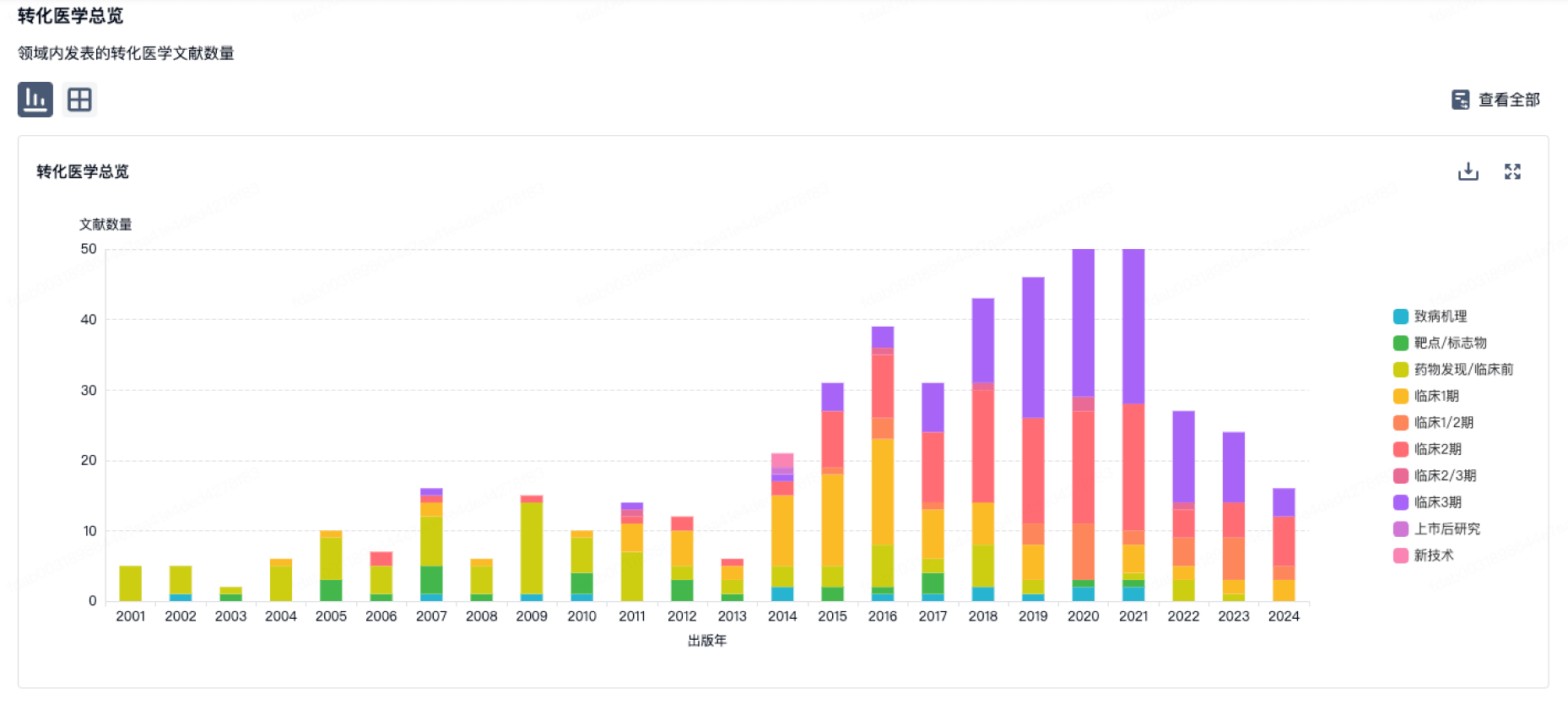
转化医学
使用我们的转化医学数据加速您的研究。
登录
或
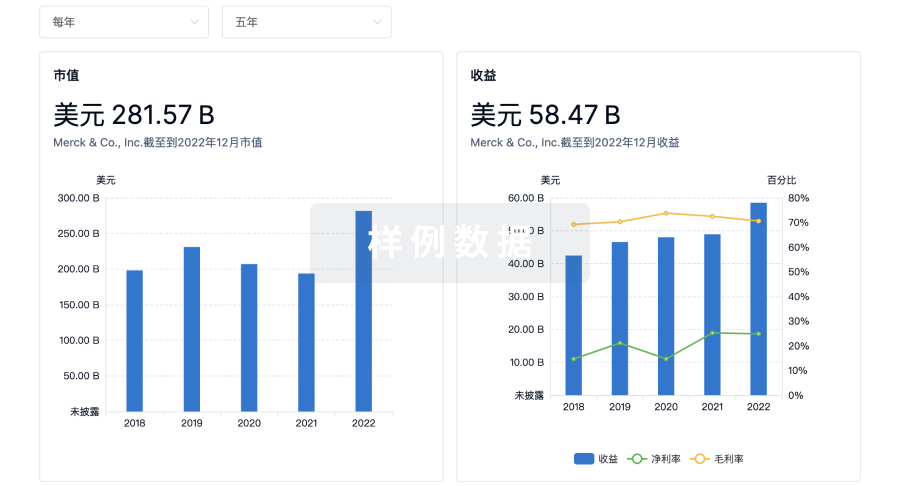
营收
使用 Synapse 探索超过 36 万个组织的财务状况。
登录
或
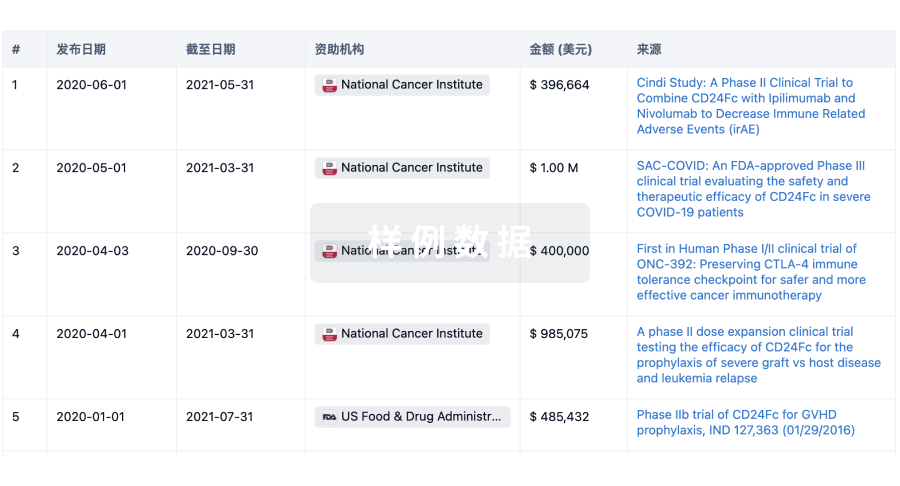
科研基金(NIH)
访问超过 200 万项资助和基金信息,以提升您的研究之旅。
登录
或
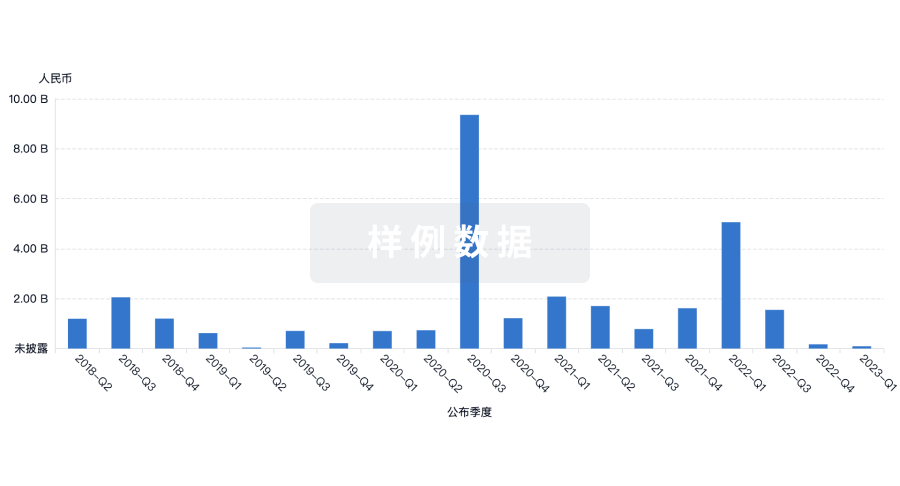
投资
深入了解从初创企业到成熟企业的最新公司投资动态。
登录
或
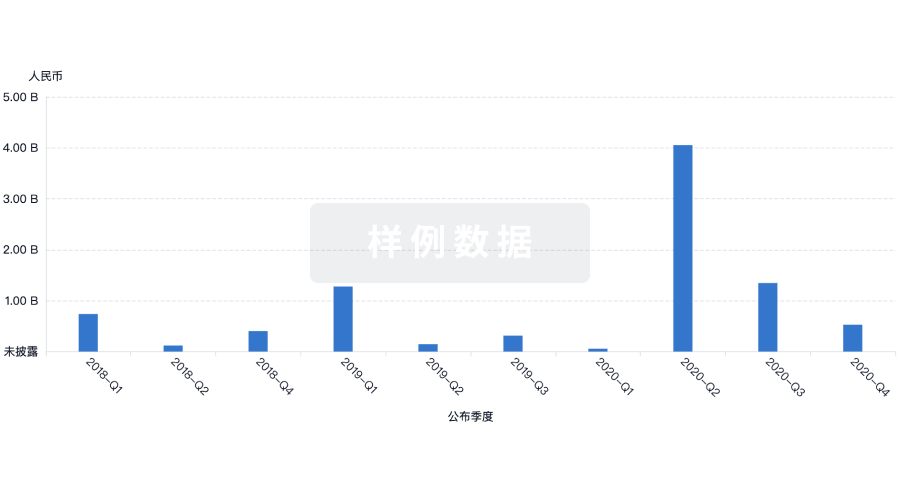
融资
发掘融资趋势以验证和推进您的投资机会。
登录
或
生物医药百科问答
全新生物医药AI Agent 覆盖科研全链路,让突破性发现快人一步
立即开始免费试用!
智慧芽新药情报库是智慧芽专为生命科学人士构建的基于AI的创新药情报平台,助您全方位提升您的研发与决策效率。
立即开始数据试用!
智慧芽新药库数据也通过智慧芽数据服务平台,以API或者数据包形式对外开放,助您更加充分利用智慧芽新药情报信息。
生物序列数据库
生物药研发创新
免费使用
化学结构数据库
小分子化药研发创新
免费使用