预约演示
更新于:2025-12-06

GENEWIZ, Inc.
更新于:2025-12-06
概览
标签
神经系统疾病
腺相关病毒基因治疗
疾病领域得分
一眼洞穿机构专注的疾病领域
技术平台
公司药物应用最多的技术
靶点
公司最常开发的靶点

暂无数据
关联
靶点 |
作用机制 |
在研机构 |
原研机构 |
在研适应症 |
非在研适应症 |
最高研发阶段 |
首次获批国家/地区 |
首次获批日期 |
100 项与 GENEWIZ, Inc. 相关的临床结果
登录后查看更多信息
登录后查看更多信息
2025-09-01Cell Reports Medicine
Oral virome metagenomic catalog links Porphyromonas gingivalis phages to obesity and type 2 diabetes
Article
作者: Zhang, Yu ; Liu, George ; Luo, Qingqing ; Chen, Feng ; Chen, Xi ; Xu, Tiansong ; Huang, Yueqing ; Wu, Huihui ; Jiao, Xianyue ; Li, Xue ; Liang, Guanxiang ; Zhang, Gaopu ; Chai, Xiaofen ; Li, Bowen ; Deng, Feng ; Cheung, Yoo
The human microbiota has a critical role in maintaining human microbiome homeostasis and health, yet the viral component of the oral microbiome remains largely unidentified. We establish the Human Oral Virome Database (HOVD) catalog, a freely accessible online resource cataloging 24,440 bacteriophage viral operational taxonomic units and 83 eukaryotic viral genomes. Utilizing HOVD, we investigate oral virome variation and its correlation with oral bacteria and gut virome in 220 obese individuals with or without type 2 diabetes mellitus (T2D). Obese individuals with T2D exhibit reduced oral viral diversity, lower correlations with clinical features, disrupted viral-bacterial correlations, and enhanced oral-gut virome transmission. Furthermore, we computationally identify bacteriophages that infect Porphyromonas gingivalis and screen six putative endolysins. Experimental validation reveals that a mixture of three endolysins significantly inhibits Porphyromonas gingivalis growth. These findings highlight the potential of phage-derived endolysins for periodontitis with T2D, offering a path toward oral and systemic disease intervention.
2017-09-02Journal of biomaterials science. Polymer edition3区 · 工程技术
Silicon nanowires enhanced proliferation and neuronal differentiation of neural stem cell with vertically surface microenvironment
3区 · 工程技术
Article
作者: Fang, Lipao ; Liu, Chunfeng ; Yan, Qiuting ; Ma, Quanhong ; Xiao, Guipeng ; Wei, Jiyu ; Wang, Wang ; Lv, Meihong
Owing to its biocompatibility, noncytotoxicity, biodegradability and three-dimensional structure, vertically silicon nanowires (SiNWs) arrays are a promising scaffold material for tissue engineering, regenerative medicine and relevant medical applications. Recently, its osteogenic differentiation effects, reorganization of cytoskeleton and regulation of the fate on stem cells have been demonstrated. However, it still remains unknown whether SiNWs arrays could affect the proliferation and neuronal differentiation of neural stem cells (NSCs) or not. In the present study, we have employed vertically aligned SiNWs arrays as culture systems for NSCs and proved that the scaffold material could promote the proliferation and neuronal differentiation of NSCs while maintaining excellent cell viability and stemness. Immunofluorescence imaging analysis, Western blot and RT-PCR results reveal that NSCs proliferation and neuronal differentiation efficiency on SiNWs arrays are significant greater than that on silicon wafers. These results implicate SiNWs arrays could offer a powerful platform for NSCs research and NSCs-based therapy in the field of neural tissue engineering.
2013-07-31Bioprocessing
Adventitious Virus Contamination Testing: Massively Parallel Sequencing in a Multimodal Solution for Biopharmaceutical Safety Testing
作者: Huang, Wenying ; Yu, Jack X. ; Jia, Yankai ; Zhou, Ginger ; Hantman, Michael J. ; Karakasidis, Stephen ; Shaman, Jeffrey A.
Virus contamination of com. valued cell cultures can be a health risk to the general population and imposes financial burdens on manufacturing and biopharmaceutical companies.We investigated the use of massively parallel sequencing/next-generation sequencing (MPS/NGS) and bioinformatics for the detection and subsequent identification of adventitious contamination.Specifically, the Illumina HiSeq 2000 instrument, in the 2 × 100 base pair (bp) paired end (PE) run configuration, was used to determine the identity and limit of detection of a DNA virus spiked into a virus vaccine, and an RNA virus spiked into a mammalian master cell bank (MCB).This configuration provided sufficient sequence read lengths and depth of coverage to detect and identify spiked-in SV40 and measles viruses in a background of vaccine, MCB, and host nucleic acid that make up the bulk of these samples.Furthermore, the detection of 30 SV40 reads within one tested sample suggested a < 1 plaque forming unit (pfu) sensitivity in a background of 2.8 × 10⁷ infectious adenovirus serotype 5 (Ad5) particles.Results from subsequent virus vaccine testing suggested the presence of non-viable virus DNA contamination in the sample.Therefore, we propose that a multimodal approach, in which broad-range screening for known or unknown adventitious agents by MPS/NGS is complemented by targeted virus detection assays (e.g., PCR-based and infectivity assays), should provide the most useful safety monitoring information.We suggest that MPS/NGS and the accompanying bioinformatics is a sensitive, broad-range, and long-lasting tool with the ability to improve upon existing biosafety testing within a larger testing program.
2025-11-25
·同写意
100 项与 GENEWIZ, Inc. 相关的药物交易
登录后查看更多信息
100 项与 GENEWIZ, Inc. 相关的转化医学
登录后查看更多信息
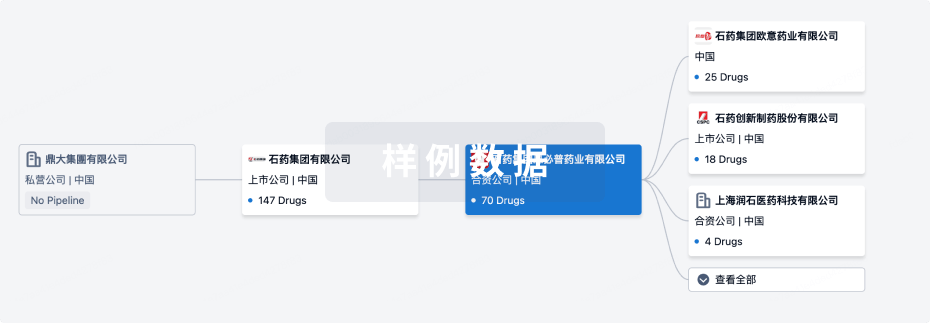
组织架构
使用我们的机构树数据加速您的研究。
登录
或
管线布局
2026年02月09日管线快照
管线布局中药物为当前组织机构及其子机构作为药物机构进行统计,早期临床1期并入临床1期,临床1/2期并入临床2期,临床2/3期并入临床3期
临床前
1
登录后查看更多信息
当前项目
登录后查看更多信息
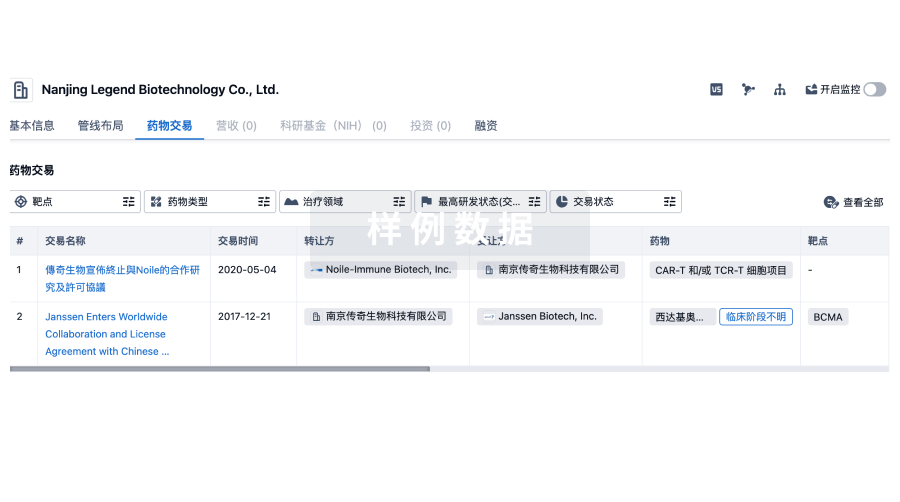
药物交易
使用我们的药物交易数据加速您的研究。
登录
或
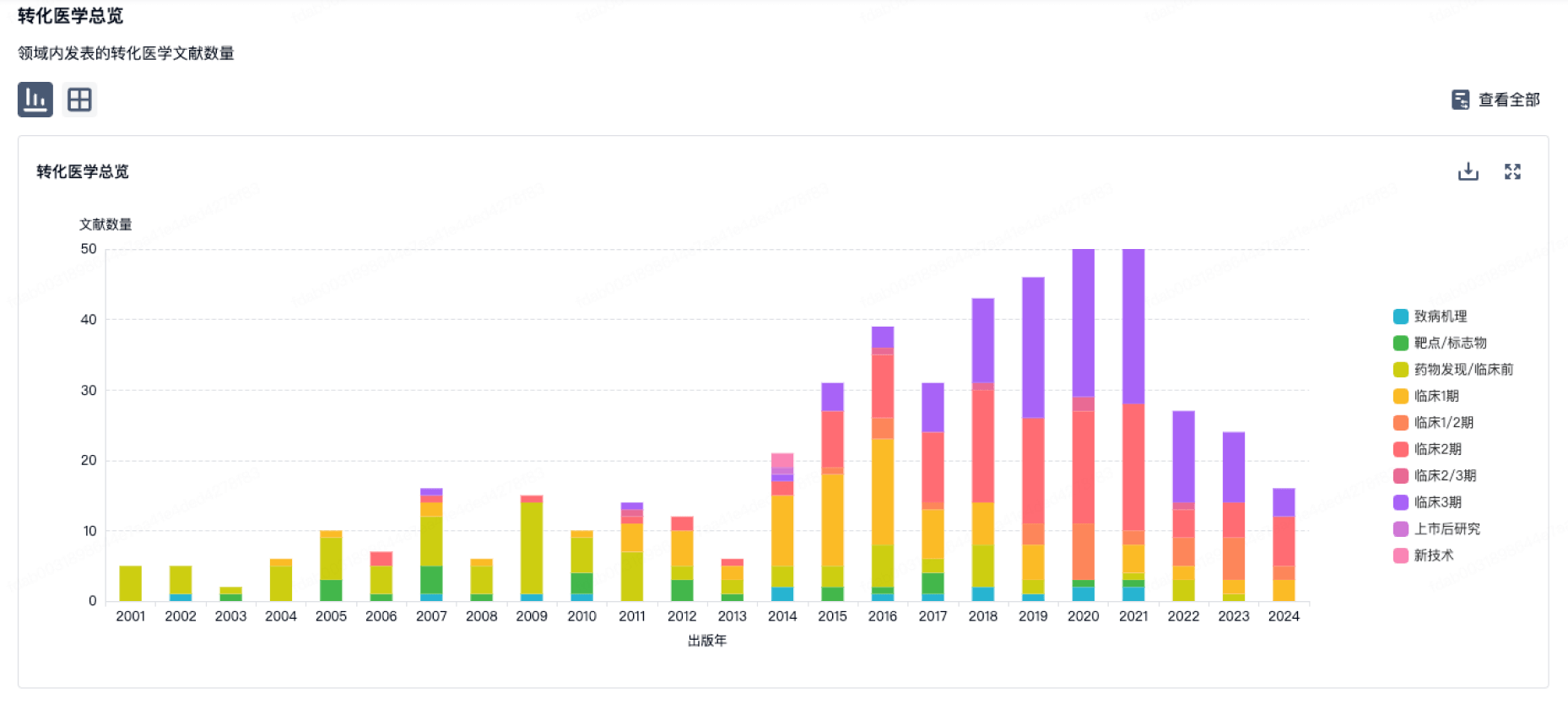
转化医学
使用我们的转化医学数据加速您的研究。
登录
或
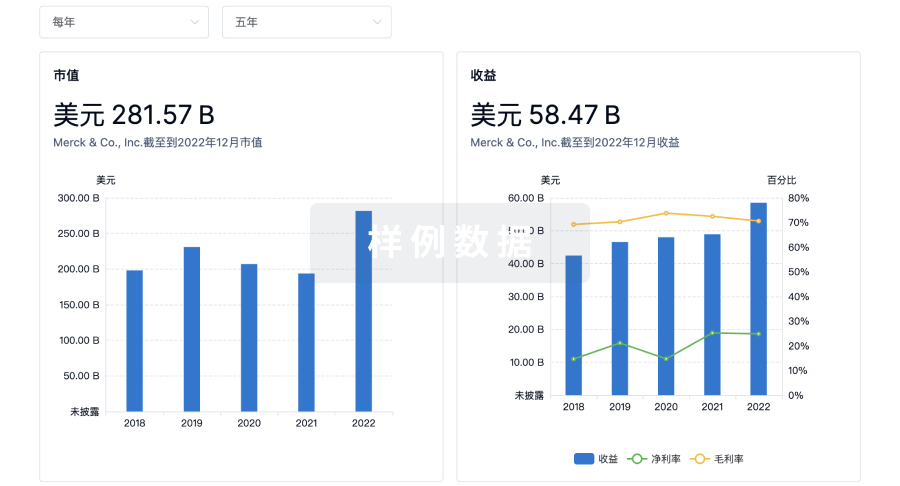
营收
使用 Synapse 探索超过 36 万个组织的财务状况。
登录
或
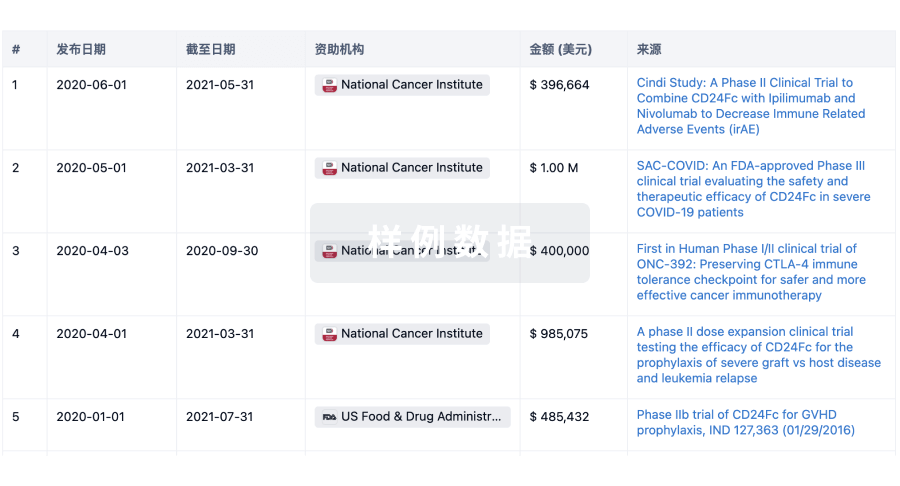
科研基金(NIH)
访问超过 200 万项资助和基金信息,以提升您的研究之旅。
登录
或
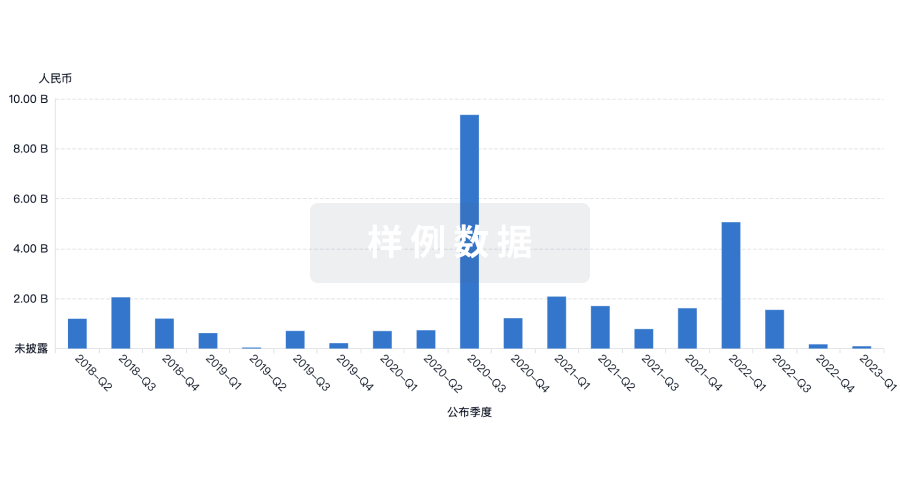
投资
深入了解从初创企业到成熟企业的最新公司投资动态。
登录
或
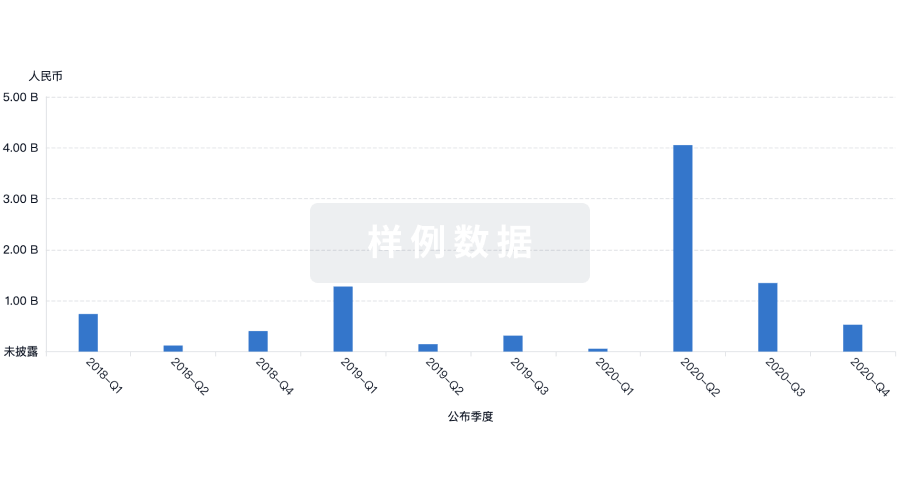
融资
发掘融资趋势以验证和推进您的投资机会。
登录
或
生物医药百科问答
全新生物医药AI Agent 覆盖科研全链路,让突破性发现快人一步
立即开始免费试用!
智慧芽新药情报库是智慧芽专为生命科学人士构建的基于AI的创新药情报平台,助您全方位提升您的研发与决策效率。
立即开始数据试用!
智慧芽新药库数据也通过智慧芽数据服务平台,以API或者数据包形式对外开放,助您更加充分利用智慧芽新药情报信息。
生物序列数据库
生物药研发创新
免费使用
化学结构数据库
小分子化药研发创新
免费使用