预约演示
更新于:2025-12-05

Staffordshire University
更新于:2025-12-05
概览
关联
NCT04630795
An Investigation Into the Efficacy of a Patient-specific Turf-Like Insole in Reducing Plantar Pressure and Improving Skin Microcirculation in Patients With Diabetic Neuropathy.
NCT05901142
The Feasibility of a Multi-phasic Exercise-based Intervention Utilising the Health Action Process Approach, Dyadic Coping and Wearable Technology in Women Before and After Surgery for Breast Cancer
NCT04805216
A Single-centre, Observational Study to Evaluate Immune Response to Covid-19 Vaccines in Immunocompromised Patients With Haematological Disorders

100 项与 Staffordshire University 相关的临床结果
登录后查看更多信息
登录后查看更多信息
2025-10-01DIABETES RESEARCH AND CLINICAL PRACTICE
The rapidly increasing incidence of type 2 diabetes and macrovascular and microvascular complications disproportionately affects younger age groups: A decade of evidence from an international federated database
Article
作者: Jaffar, Shabbar ; Garrib, Anupam ; Wang, Duolao ; Alam, Uazman ; Cuthbertson, Daniel J ; Nabrdalik, Katarzyna ; Henney, Alex E ; Perkins, Bruce A ; Edwards, Harry ; Anson, Matthew ; Lip, Gregory Y H ; Mordi, Ify ; Ibarburu, Gema H
AIMS:
To characterise recent trends in incidence and prevalence of type 2 diabetes (T2D) associated complications, and their relative impact across the lifespan.
METHODS:
We conducted a retrospective cohort study using the TriNetX global federated database. Incidence and prevalence of T2D and associated complications: ischaemic heart disease (IHD), heart failure, cerebral infarction, neuropathy, nephropathy, and retinopathy were assessed between 2012 and 2023. Incidence odds ratios (IOR) were calculated by age group.
RESULTS:
7,918,666 individuals had T2D. The IOR (95 % CI), comparing individuals aged ≥ 85 years to < 35 years decreased for all complications from 2012 to 2023: IHD [IOR 6.82, (6.40, 7.26) to IOR 2.27 (2.17, 2.38)], heart failure [IOR 5.38, (5.03, 5.75) to IOR 1.80 (1.72, 1.89)], cerebral infarction [IOR 3.06, (2.76, 3.40) to IOR 1.45 (1.34, 1.57)], neuropathy [IOR 0.84, (0.74, 0.95) to IOR 0.47 (0.44, 0.49)], nephropathy [IOR 1.14, (1.03, 1.27) to IOR 0.90 (0.87, 0.94)] and retinopathy [IOR 0.56, (0.50, 0.63) to IOR 0.27 (0.25, 0.29)].
CONCLUSIONS:
Rising rates of T2D associated complications in younger adults signal an emerging epidemic of early-onset comorbidity with substantial lifetime burden. These findings emphasise the urgent need for earlier detection, aggressive risk factor management, and targeted prevention strategies in younger populations.
2025-10-01JOURNAL OF HEALTH PSYCHOLOGY
Self-management and coping in young adults with chronic pain: A reflexive thematic analysis
Article
作者: Karadag, Paige ; Burton, Amy ; Taylor, Jennifer
Young adults face specific challenges, potentially impacting engagement with chronic pain self-management and coping. This project aims to explore the experiences of young adults with chronic pain to determine facilitators and barriers to self-management, identify coping strategies and understand how they map onto the COM-B model. A qualitative study was conducted with 14 adults aged 19–30 (10 females, 4 males) experiencing chronic pain in the UK. Semi-structured interviews were conducted and were recorded and transcribed verbatim. Reflexive thematic analysis was used and three themes were developed: (1) Pivotal role of self-advocacy and diagnosis; (2) Understanding of chronic pain is essential for self-management; (3) Coping through compassion. This study provided insights regarding self-management and coping strategies and several practical implications are provided for healthcare and employment settings. Healthcare professionals should provide young adults with information regarding their chronic pain. Support from employers must also be improved to aid self-management.
2025-10-01MEDICAL ENGINEERING & PHYSICS
The effect of thickness variation on the rigidity of ankle foot orthoses provided to the NHS: A case for the need for quality control
Article
作者: Theodorakos, Ilias ; Chockalingam, Nachiappan ; Eddison, Nicola ; Chatzistergos, Panagiotis E
BACKGROUND:
Drape-forming is a cost-effective method used worldwide to manufacture bespoke ankle foot orthoses (AFOs). It involves draping a heated polymer material sheet over a positive cast of the user's limb. Previous research has shown that the manual nature of drape-forming can influence the thickness of the final AFO and even lead to structures that are inadequately rigid to be clinically effective. This study assesses the difference between the prescribed and the final thickness of AFOs meant for use by UK's National Health Service (NHS) and estimates its potential impact on AFO rigidity.
METHODS:
A clinically relevant method to measure AFO thickness as part of the manufacturing process was developed and validated. This method was used by three major UK manufacturers for all bespoke rigid AFOs they provided to the NHS within a predefined period. A validated finite element model was used to estimate the impact of the observed difference between prescribed and final thickness on AFO stiffness.
RESULTS:
86 AFOs were assessed in total. Final thickness was between 4.0% and 35.5% lower than the prescribed one (median thickness reduction= 17.4%). This discrepancy in thickness led to a relative reduction in AFO stiffness ranging between 7.0% and 80.0% (median stiffness reduction= 30.7%).
DISCUSSION:
The adequacy of AFO thickness cannot be judged based on prescription thickness. Measurements of final thickness as part of standard practice should be considered to enhance the provision of bespoke AFOs. Further research is needed to establish thresholds of acceptable manufacturing-induced deviation from the prescribed AFO thickness.
100 项与 Staffordshire University 相关的药物交易
登录后查看更多信息
100 项与 Staffordshire University 相关的转化医学
登录后查看更多信息
组织架构
使用我们的机构树数据加速您的研究。
登录
或
管线布局
2026年02月08日管线快照
无数据报导
登录后保持更新
药物交易
使用我们的药物交易数据加速您的研究。
登录
或
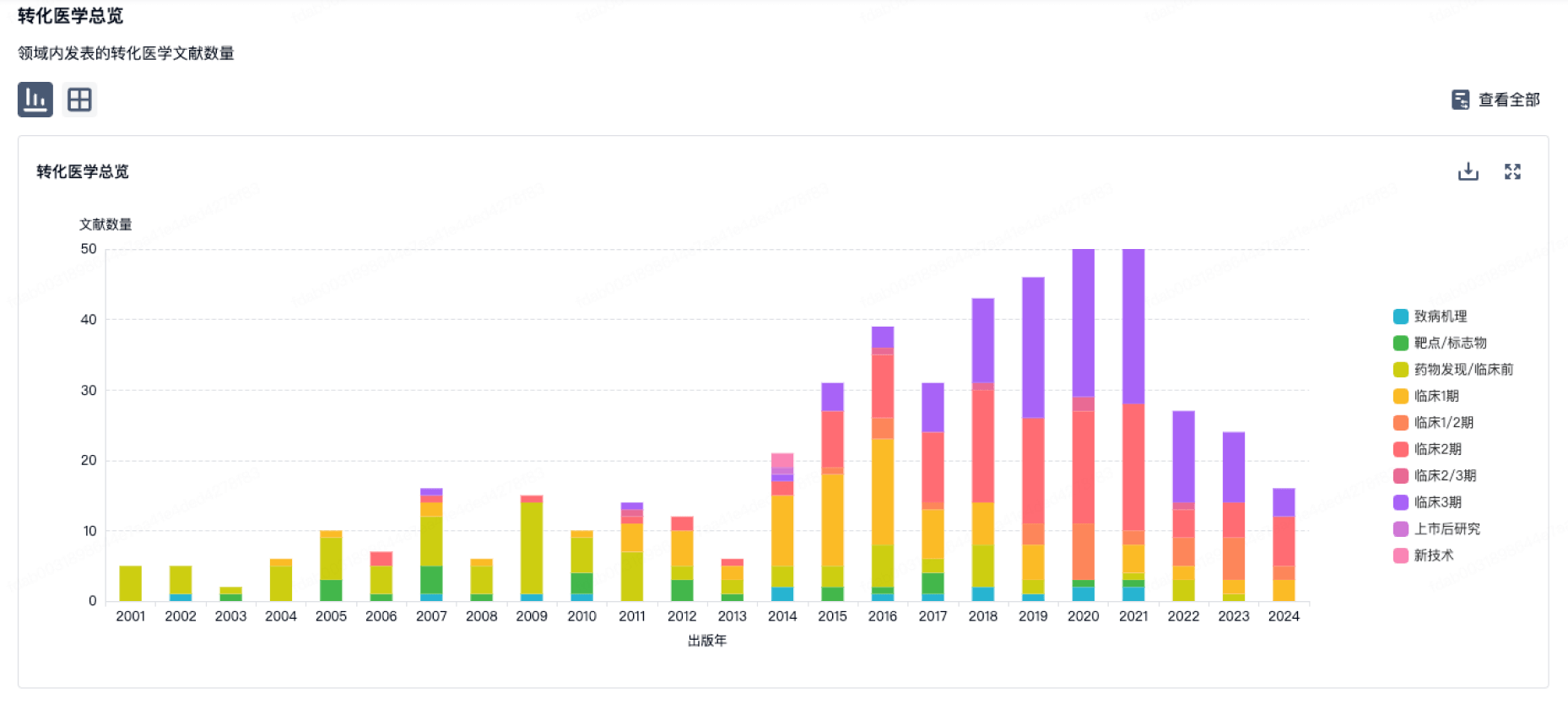
转化医学
使用我们的转化医学数据加速您的研究。
登录
或
营收
使用 Synapse 探索超过 36 万个组织的财务状况。
登录
或
科研基金(NIH)
访问超过 200 万项资助和基金信息,以提升您的研究之旅。
登录
或
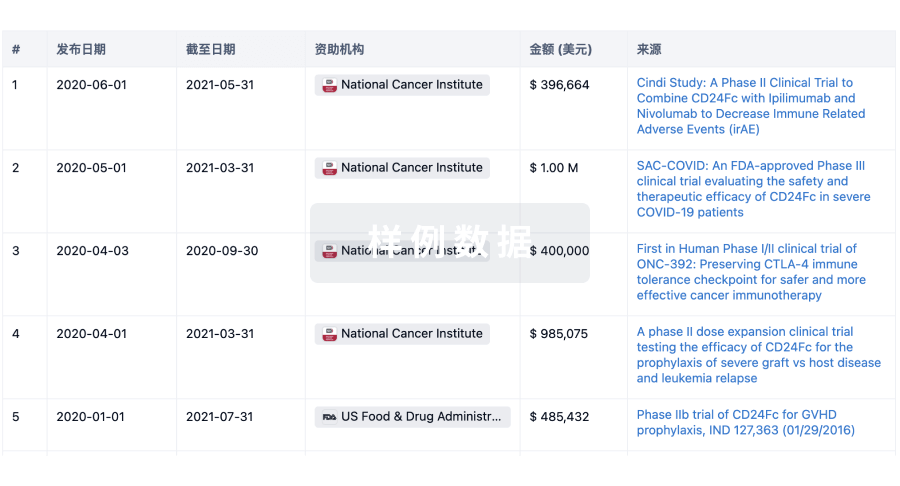
投资
深入了解从初创企业到成熟企业的最新公司投资动态。
登录
或
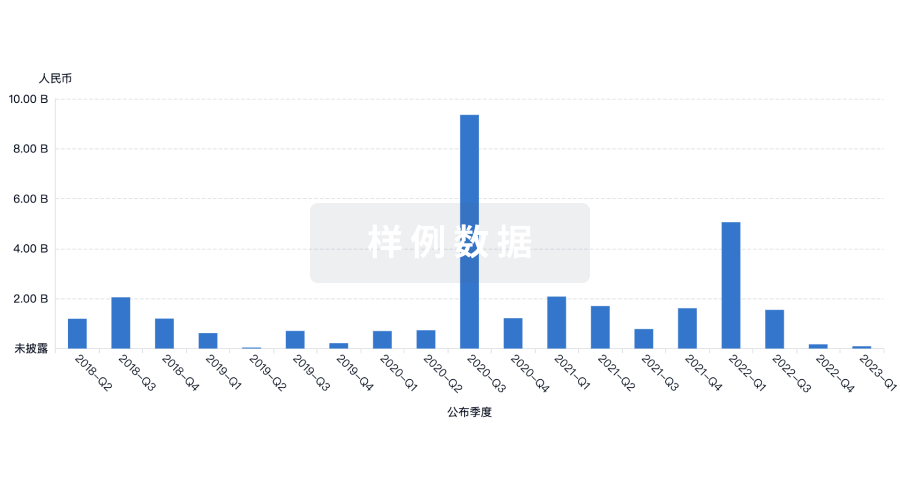
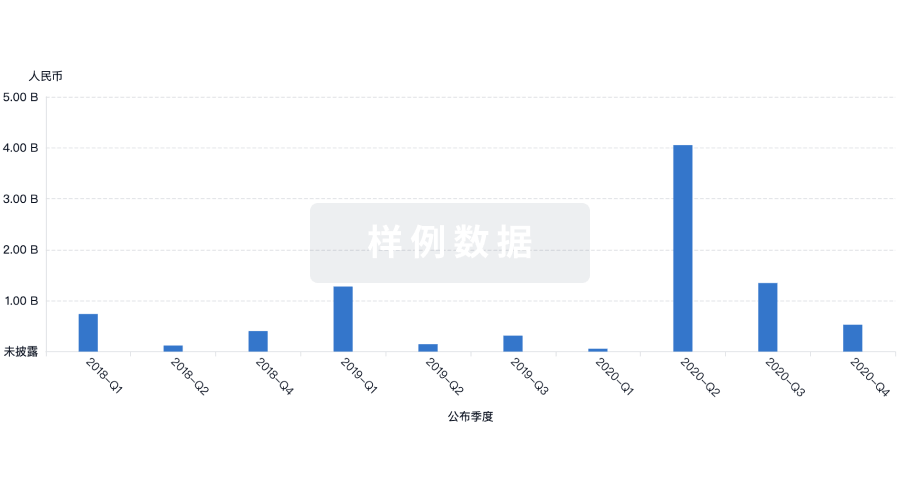
融资
发掘融资趋势以验证和推进您的投资机会。
登录
或
生物医药百科问答
全新生物医药AI Agent 覆盖科研全链路,让突破性发现快人一步
立即开始免费试用!
智慧芽新药情报库是智慧芽专为生命科学人士构建的基于AI的创新药情报平台,助您全方位提升您的研发与决策效率。
立即开始数据试用!
智慧芽新药库数据也通过智慧芽数据服务平台,以API或者数据包形式对外开放,助您更加充分利用智慧芽新药情报信息。
生物序列数据库
生物药研发创新
免费使用
化学结构数据库
小分子化药研发创新
免费使用