预约演示
更新于:2026-02-02

National Cheng Kung University
更新于:2026-02-02
概览
标签
肿瘤
其他疾病
神经系统疾病
小分子化药
抗体
融合蛋白
疾病领域得分
一眼洞穿机构专注的疾病领域

技术平台
公司药物应用最多的技术
靶点
公司最常开发的靶点
关联
靶点 |
作用机制 |
在研机构 |
原研机构 |
在研适应症 |
非在研适应症 |
最高研发阶段 |
首次获批国家/地区 |
首次获批日期 |

靶点 |
作用机制 |
在研机构 |
原研机构 |
在研适应症 |
非在研适应症 |
最高研发阶段 |
首次获批国家/地区 |
首次获批日期 |

靶点 |
作用机制 |
在研机构 |
原研机构 |
在研适应症 |
非在研适应症 |
最高研发阶段 |
首次获批国家/地区 |
首次获批日期 |
NCT07288905
The Feasibility and Effects of Exercise Training Combined With Blood Flow Restriction Training on Exercise Capacity and Exercise Tolerance in Patients With Chronic Kidney Disease
NCT07131215
Smart Technology-Based Intervention and Monitoring of Physical and Mental Health in Early Postmenopausal Women
NCT07118293
Developing and Examine the Efficacy of the Family-Centered Multi-Sensory Environment Intervention on Parent's Empowerment and Children's Engagement (MSE-PEACE) in Children With Developmental Disabilities and Their Parents: A Mixed Methods Study
100 项与 国立成功大学 相关的临床结果
登录后查看更多信息
登录后查看更多信息
2026-12-31Human Vaccines & Immunotherapeutics
Investigating how sociodemographic factors and vaccination attitudes explain awareness, experience, and willingness toward COVID-19 and influenza vaccination among Taiwan residents
Article
作者: Huang, Po-Ching ; Lai, Mei-Dan ; Saffari, Mohsen ; Ye, Jiajia ; Lin, Chung-Ying ; Griffiths, Mark D ; Aljaberi, Musheer A ; Üztemur, Servet
Sociodemographic factors and individual attitudes may influence individuals' decisions for vaccination against infectious diseases. The present study aimed to identify how these factors were associated with COVID-19 and influenza vaccination experiences among Taiwanese individuals. Using a cross-sectional design, 914 individuals (female = 58%; aged 50 years or above = 43.1%) completed an online survey between October and November 2024. Chi-squares and odds ratios (ORs) derived from logistic regression were used to examine the associations and perform predictive analysis. Results showed that 54% were undecided (those who answered 'not sure') or reluctant (those who answered 'no') about receiving a COVID-19 booster vaccine, while 65% were willing to get the next influenza vaccine. Factors such as age, employment, and education were significantly associated with awareness and experience for both types of vaccination. Older people had a higher awareness of the vaccination and were more likely to receive the vaccines. Individuals who worked in health-related settings or had an education in a related field, along with those with higher education, showed increased awareness and experience of vaccination. After controlling for sociodemographic factors, attitude (i.e., vaccination readiness and conspiracy belief) predicted vaccination willingness for both vaccines (pseudo-R2 = 0.28-0.33). Moreover, factors such as age, education, occupation, and attitudes (readiness, conspiracy beliefs) may be associated with awareness, experience, and willingness to receive COVID-19 and influenza vaccines among Taiwanese individuals. Developing awareness programs for younger and less educated people, and those who work in non-health-related sectors, may be helpful to encourage individuals to get vaccinated.
2026-05-01Respiratory Medicine and Research
Impact of systemic sclerosis on outcomes of patients hospitalized for influenza: Evidence from the US nationwide inpatient sample
Article
作者: Chu, Hsueh-Ting ; Chang, Hen-Hong ; Yang, Tai-Hua ; Chen, Yu-Pei ; Liu, Ang-Jun
BACKGROUND:
Systemic sclerosis (SSc) is a chronic autoimmune disease characterized by fibrosis and immune dysregulation, often involving pulmonary and cardiovascular systems. Limited data exist regarding its impact on outcomes among patients hospitalized with influenza.
METHODS:
Using the US Nationwide Inpatient Sample (2016-2020), we identified adults hospitalized with a principal diagnosis of influenza using ICD-10 codes. Patients were categorized into SSc and non-SSc groups. Propensity score matching (1:4) was applied to balance baseline characteristics. Logistic and linear regression analyses estimated adjusted odds ratios (aORs) or coefficients with 95% confidence intervals (CIs) for in-hospital mortality, complications, length of stay (LOS), and adverse discharge outcomes.
RESULTS:
After matching, 1,265 patients (253 with SSc, 1,012 without SSc) were included, representing 6,248 hospitalizations nationwide after weighting. Compared with non-SSc patients, those with SSc had significantly higher risks of secondary bacterial or fungal infections (aOR = 1.42; 95% CI: 1.05-1.92; p = 0.025) and bronchiectasis (aOR = 3.91; 95% CI: 1.77-8.65; p < 0.001). Among patients aged ≥60 years, SSc was associated with increased risks of bronchiectasis (aOR = 4.67; 95% CI: 2.13-10.24) and respiratory failure requiring mechanical ventilation (aOR = 1.47; 95% CI: 1.06-2.02). Smokers with SSc had a higher risk of shock, while non-smokers with SSc remained at elevated risk for secondary infections, bronchiectasis, and respiratory failure.
CONCLUSIONS:
SSc was associated with excess risks of severe in-hospital complications among influenza patients, particularly in older adults and smokers, underscoring the need for targeted prevention and early intervention strategies.
2026-04-01JOURNAL OF AFFECTIVE DISORDERS
Integrating AI-driven technologies and facial-semantic features for depression detection: A cross-sectional study
Article
作者: Tseng, Huai-Hsuan ; Mudiyanselage, Sriyani Padmalatha Konara ; Lu, Wen-Hsiang ; Liu, Fei-Pi ; Pan, Yi-Chien ; Shen, Hong-Ju ; Lin, Mei-Feng
BACKGROUND:
Depression is a major global health concern, still individuals with depressive tendencies remain undetected in outpatient settings due to the limitations of self-report, stigma, and reporting bias. Advances in artificial intelligence (AI) offer opportunities for objective, scalable, and unobtrusive methods of early detection. This study examined predictive accuracy of two AI-driven systems, the iSeeME facial-expression model and the Event-Driven Depression Tendency Warning System (EDDTW-V2) in identifying depressive symptoms among high-risk outpatients in Taiwan.
METHODS:
A cross-sectional study was conducted with 62 outpatients recruited from psychiatric and surgical-oncology clinics at a medical center in southern Taiwan. Participants completed standardized depression assessments, including the Hamilton Depression Rating Scale (HDRS), Beck Depression Inventory-II (BDI-II), and Patient Health Questionnaire-9 (PHQ-9). Facial-expression data were analyzed using iSeeME, while narrative transcripts were processed with EDDTW-V2. Predictive validity was assessed through accurate metrics, correlations with clinical scales, and k-means cluster analysis.
RESULTS:
Of the 62 participants, 39 were clinically depressed (HDRS ≥7). The iSeeME system achieved precision of 0.761, recall of 0.854, F1-score of 0.805, and accuracy of 0.770, showing stronger correlations with BDI-II (r = 0.442, p < 0.01) and PHQ-9 (r = 0.335, p < 0.01) than EDDTW-V2. Cluster analysis revealed a high-distress subgroup characterized by younger age, single status, fewer children, and predominance of psychiatric patients.
CONCLUSION:
Both AI systems showed potential as complementary tools to traditional assessments. iSeeME was more sensitive to affective-behavioral symptoms, while EDDTW-V2 captured cognitive-linguistic features. They support earlier detection, monitoring, and targeted interventions in outpatient settings.


100 项与 国立成功大学 相关的药物交易
登录后查看更多信息
100 项与 国立成功大学 相关的转化医学
登录后查看更多信息
组织架构
使用我们的机构树数据加速您的研究。
登录
或
管线布局
2026年10月25日管线快照
管线布局中药物为当前组织机构及其子机构作为药物机构进行统计,早期临床1期并入临床1期,临床1/2期并入临床2期,临床2/3期并入临床3期
药物发现
4
6
临床前
其他
4
登录后查看更多信息
当前项目
登录后查看更多信息
药物交易
使用我们的药物交易数据加速您的研究。
登录
或
转化医学
使用我们的转化医学数据加速您的研究。
登录
或
营收
使用 Synapse 探索超过 36 万个组织的财务状况。
登录
或
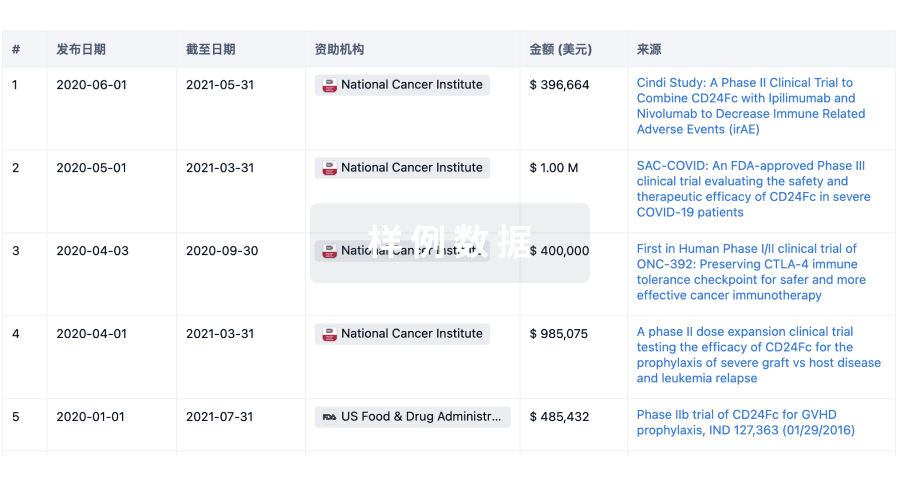
科研基金(NIH)
访问超过 200 万项资助和基金信息,以提升您的研究之旅。
登录
或
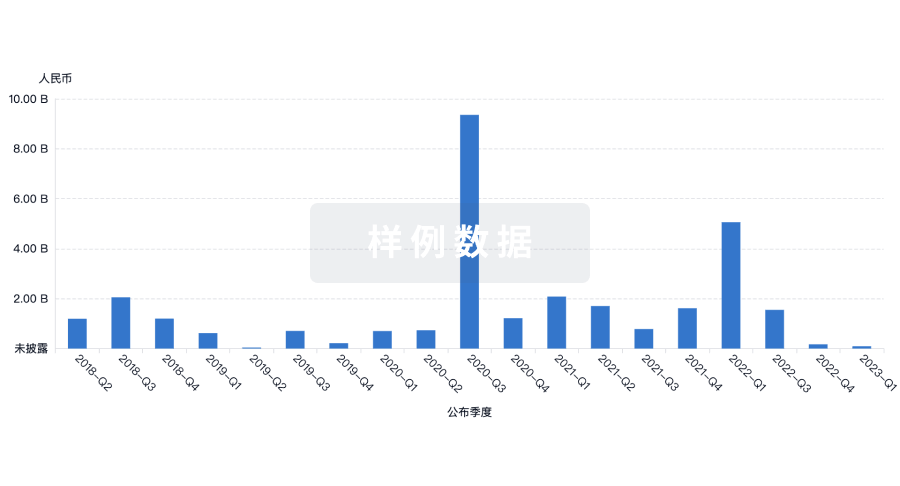
投资
深入了解从初创企业到成熟企业的最新公司投资动态。
登录
或
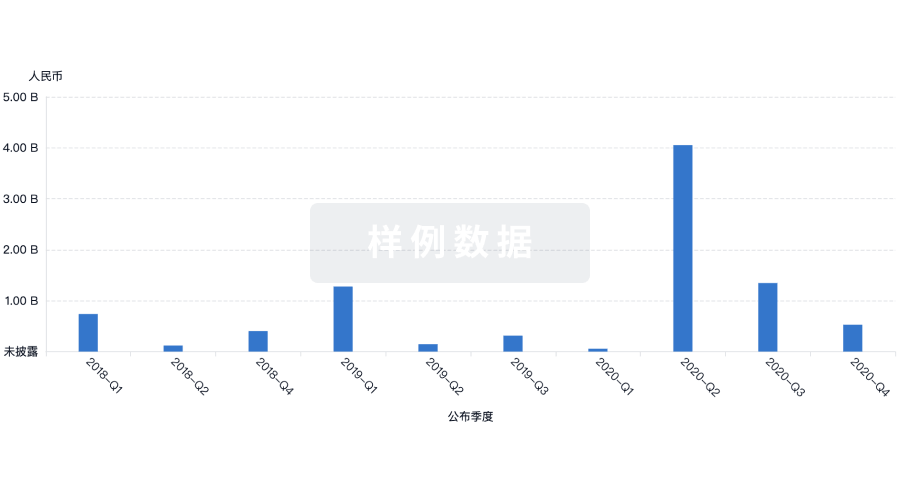
融资
发掘融资趋势以验证和推进您的投资机会。
登录
或
提出任何生物医药研究问题
让每一步生物医药决策都精准制胜
基于十亿级生物数据与全球情报的精准 AI,赋能早期药物发现
立即开始免费试用!
智慧芽新药情报库是智慧芽专为生命科学人士构建的基于AI的创新药情报平台,助您全方位提升您的研发与决策效率。
立即接入生物医药数据包
智慧芽新药库数据也通过智慧芽开放平台,以MCP或API服务形式对外开放。立即使用我们的MCP服务定制您的LLM智能体。
生物序列数据库
生物药研发创新
免费使用
化学结构数据库
小分子化药研发创新
免费使用