预约演示
更新于:2025-09-09

Komar University of Science and Technology
更新于:2025-09-09
概览
关联
NCT04685031
Ointment Therapy and Prevention of Cannulation-Induced Superficial Phlebitis
NCT04998929
A Common But Unknown Disease; A Case Series Study
100 项与 Komar University of Science and Technology 相关的临床结果
登录后查看更多信息
登录后查看更多信息
2025-12-01MOLECULAR BIOLOGY REPORTS
Impact of G1 phase kinetics on the acquisition of stemness in cancer cells: the critical role of cyclin D
Review
作者: Faiq, Tahran ; Ahmadi, Yasin ; Abolhasani, Sakhavat
Cancer stem cells (CSCs) represent a unique subpopulation of cells with the ability to self-renew and differentiate, thereby sustaining tumor growth and contributing to disease recurrence. Although CSCs predominantly reside in the G0 phase, their stem-like properties, such as the expression of specific CD markers, self-renewal, differentiation potential, tumor initiation, drug resistance, and increased invasive and metastatic potential, manifest during their active proliferative phase. Rapidly dividing cells exhibit alterations in their cell cycle, often characterized by shortened or bypassed G1 phases, a phenomenon observed in both embryonic stem cells and cancerous cells. Dysregulation of cell cycle control is a hallmark of cancer, leading to uncontrolled cellular proliferation and tumorigenesis. Disruption in key regulatory proteins, signaling pathways, and cell cycle checkpoints-particularly during the G1 phase-enables cancer cells to escape normal proliferation restrictions. The rapid cell-cycle progression can impair the timely degradation of proteins critical for cell cycle regulation, particularly cyclin D, thereby compromising proper cell cycle control. Therefore these proteins may be passed to daughter cells, promoting further rounds of rapid cycles. Additionally, cyclin D is often overexpressed in cancer cells, further exacerbating uncontrolled proliferation. These mechanisms may underpin key properties of CSCs, including rapid proliferation and their stem-like traits. This review examines the relationship between G1 phase kinetics and the acquisition of stem-like characteristics, emphasizing how rapid G1 phase progression and transitions between dormancy and active proliferation contribute to the emergence of CSC traits.
2025-11-01SEPARATION AND PURIFICATION TECHNOLOGY
Heterogeneous catalysts in advanced oxidation processes: A comprehensive review on antibiotic removal from wastewater
作者: Ahmed, Harez Rashid
A review.Water pollution caused by antibiotics poses a severe environmental and public health challenge due to their complex organic structures and resistance to natural degradation processes.Advanced Oxidation Processes (AOPs), particularly those utilizing heterogeneous catalysts, offer a promising solution for effectively removing antibiotics from wastewater.This review compares advanced oxidation processes (AOPs), including Fenton-like reactions, persulfate-based systems, and photocatalytic techniques, focusing on the importance of catalyst optimization.Two critical sections are introduced: Characterization Techniques and Optimal Operational Conditions, which collectively highlight the design, evaluation, and application of catalysts.Characterization techniques such as FTIR, BET, XRD, SEM, and XPS provide essential insights into catalyst properties.Moreover, advanced characterization techniques such as EPR and XPS are discussed to establish structure-performance correlations in heterogeneous catalysts applied for antibiotic degradationIn contrast, operational parameters such as pH, oxidant dosage, reaction time, and temperature significantly influence removal efficiency.This review synthesizes recent advancements, discusses challenges, and outlines future research directions to develop efficient and sustainable wastewater treatment systems.
2025-10-01JOURNAL OF AFRICAN EARTH SCIENCES
New structural findings in Bijeel - Aqra vicinity, Kurdistan region of Iraq: Insight into oil exploration and hydrocarbon maturation
作者: Sissakian, Varoujan K. ; Sherwani, Govand H. ; Abdulhaq, Hawkar A. ; Omer, Hassan O. ; Ghafur, Ala A.
The southern vicinity of Aqra town; Iraqi Kurdistan Region is characterized by hilly morphol. and low mountainous relief; this area is a promising oil district with many oil fields.The widely exposed rocks in the study belong to the Bai Hassan Formation (Pliocene - Pleistocene), older rocks have rare exposures and are restricted within the core of some anticlines, especially east of the Greater Zab River.The economic importance of this area mandates updated structural investigations accompanied by the potential rock units that may comprise the petroleum systems and their elements.The performed structural study used high-quality satellite images (ESSRI, 2013. ArcGIS REST Services Directory) to deduce the structural forms in the studied area.A stratigraphic appraisal of the geol. formations was also conducted to define the elements of petroleum systems of the study area.The study area was previously known to have only four anticlines (Bijeel, Rovia, Sarta, and Bawakhan anticlines), which were described and plotted on geol. maps.Whereas, in the current study, six anticlines were recognized; they are from north to south: Bijeel, Mamandok, Grdashin, Rovia, Sarta, and Bawakhan anticlines, all these structures were verified upon checking field visits.The delineation of the axes of the recently recognized anticlines with their accurate locations and extensions, will furnish interesting data, especially, for oil exploration activities, and may add further reservoir discoveries.The definition of potential petroleum systems facilitated pointing out the stratal units (formations) that can make each element of the petroleum systems: source, reservoir, and sealing rocks.
100 项与 Komar University of Science and Technology 相关的药物交易
登录后查看更多信息
100 项与 Komar University of Science and Technology 相关的转化医学
登录后查看更多信息
组织架构
使用我们的机构树数据加速您的研究。
登录
或
管线布局
2026年02月07日管线快照
无数据报导
登录后保持更新
药物交易
使用我们的药物交易数据加速您的研究。
登录
或
转化医学
使用我们的转化医学数据加速您的研究。
登录
或
营收
使用 Synapse 探索超过 36 万个组织的财务状况。
登录
或
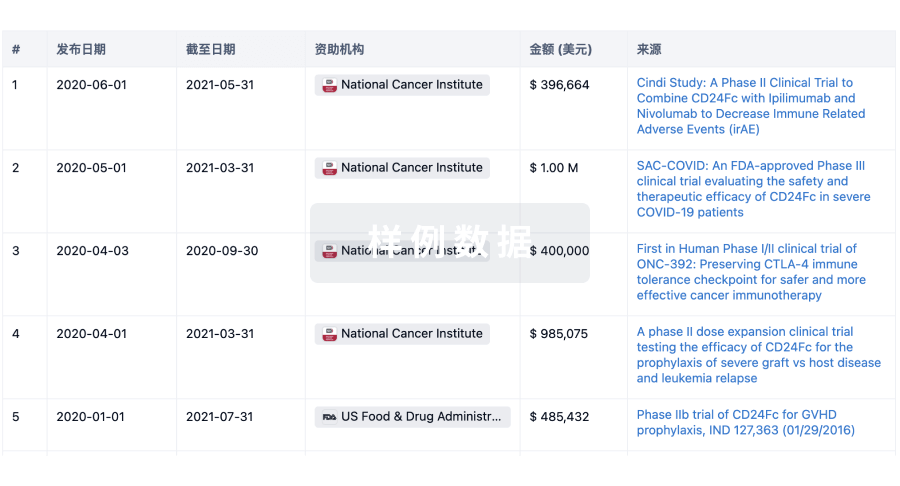
科研基金(NIH)
访问超过 200 万项资助和基金信息,以提升您的研究之旅。
登录
或
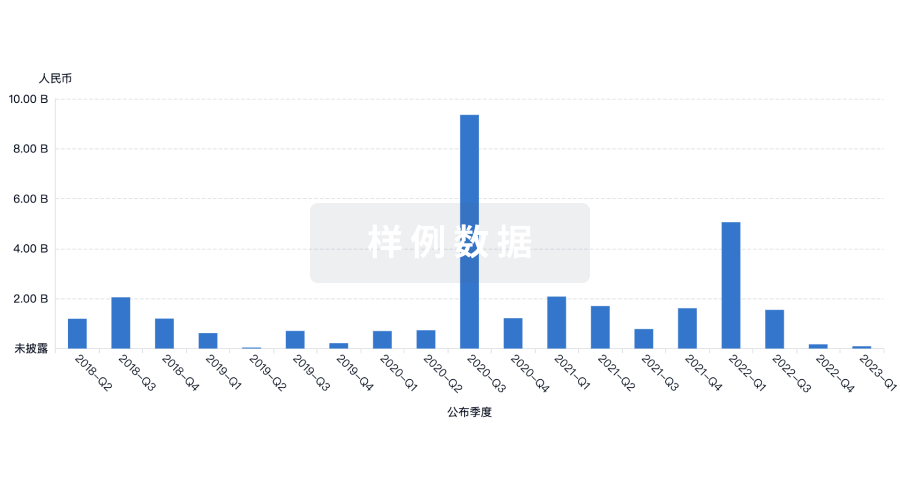
投资
深入了解从初创企业到成熟企业的最新公司投资动态。
登录
或
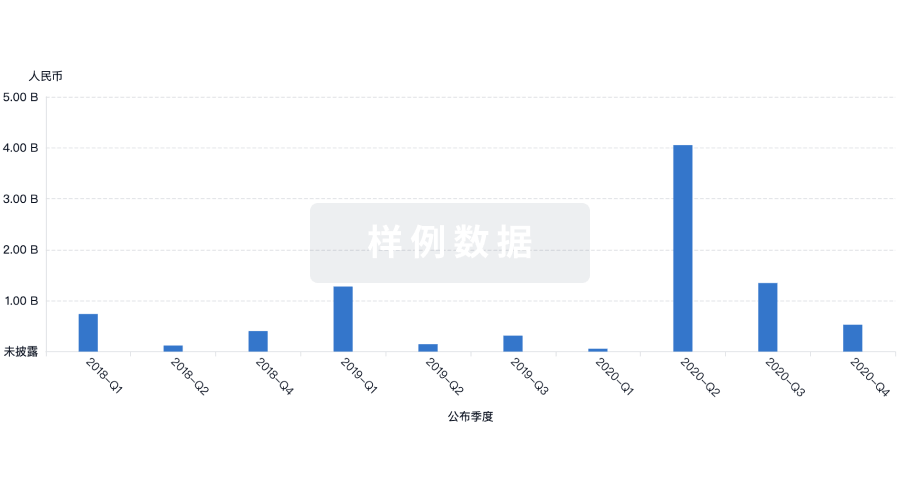
融资
发掘融资趋势以验证和推进您的投资机会。
登录
或
生物医药百科问答
全新生物医药AI Agent 覆盖科研全链路,让突破性发现快人一步
立即开始免费试用!
智慧芽新药情报库是智慧芽专为生命科学人士构建的基于AI的创新药情报平台,助您全方位提升您的研发与决策效率。
立即开始数据试用!
智慧芽新药库数据也通过智慧芽数据服务平台,以API或者数据包形式对外开放,助您更加充分利用智慧芽新药情报信息。
生物序列数据库
生物药研发创新
免费使用
化学结构数据库
小分子化药研发创新
免费使用