预约演示
更新于:2026-07-05

East Lancashire Hospitals NHS Trust
更新于:2026-07-05
概览
关联
NCT07553481
Chemotherapy-Induced Hearing Loss and Health Inequality

NCT07580378
A Mixed-methods Study Exploring the Acceptability of Psychosocial Interventions and Social Determinants of Engagement With an NHS-led Alcohol Care Service.
NCT07555184
STICK2IT: Identifying and Prioritising Determinants of Adherence to Progressive Tendon-Loading Exercise in People With Achilles Tendinopathy
100 项与 East Lancashire Hospitals NHS Trust 相关的临床结果
登录后查看更多信息
登录后查看更多信息
2026-06-01HEART
Diagnostic performance of exercise stress testing findings and coronary microvascular dysfunction in patients with angina with non-obstructive coronary artery disease
Article
作者: Haq, Ayman ; Oshima, Asahi ; Unikas, Ramunas ; Serruys, Patrick W ; Braukyliene, Rima ; Tsai, Tsung-Ying ; Murphy, Paddy ; Celeutkiene, Jelena ; Revaiah, Pruthvi C ; Onuma, Yoshinobu ; Kiernan, Thomas John ; Tobe, Akihiro ; Žaliaduonytė-Pekšienė, Diana ; Aldujeli, Ali ; Garg, Scot ; Tatarunas, Vacis ; Miyashita, Kotaro ; Sharif, Faisal
Background:
Coronary microvascular dysfunction (CMD) is common among patients with angina with non-obstructive coronary artery disease (ANOCA) and leads to poorer clinical outcomes. Exercise stress testing (EST) was shown to have a high specificity for detecting CMD. However, the relationship between diagnosing CMD using different invasive physiological parameters and thresholds and the association between EST findings and the endotype of CMD remains unknown.
Methods:
This multicentre, prospective cohort study enrolled 117 patients with ANOCA who underwent EST prior to invasive coronary angiography with functional assessment to measure coronary flow reserve (CFR), the index of microvascular resistance (IMR) and microvascular resistance reserve (MRR)=(CFR/FFR)×(P
a rest
/P
a hyper
). CMD was classified using multiple criteria, including MRR <3.0, CFR <2.5 and CFR <2.0 or IMR ≥25. Diagnostic sensitivity and specificity and the accuracy of EST findings (exercise-induced chest discomfort, ischaemic ECG changes and exercise intolerance) for diagnosing CMD were assessed.
Results:
The prevalence of CMD was similar under all three definitions. However, structural CMD was more common using MRR <3.0. Ischaemic ECG changes during EST showed an excellent diagnostic accuracy of 86.3% (78.7–92.0%) for detecting CMD, with a sensitivity and specificity of 86.2% (68.3–96.1%) and 86.4% (77.4–92.8%), respectively. Exercise-induced chest discomfort also had a good diagnostic accuracy of 76.1% (95% CI 67.3% to 83.5%); however, it offered no additional value when added to ischaemic ECG changes. EST preferentially identified structural CMD, while functional CMD was more frequently missed.
Conclusions:
Ischaemic ECG changes during EST performed immediately before invasive functional assessment demonstrated excellent diagnostic accuracy for identifying patients with CMD, particularly the structural endotype.
Trial registration number:
NCT05841485
.
2026-06-01Public health in practice (Oxford, England)
Addressing inequalities in the primary and secondary outpatient interface: A policy-focused evidence brief
Article
作者: Clark, Emily ; Dehn Lunn, Amy ; Lynch, Heidi ; Engamba, Serge Amba'a ; Blythe, Jenny ; Ford, John ; Ghanchi, Adnaan ; Torabi, Payam ; Adam, Bilaal
The policy challenge:
In the UK, an estimated 15 million primary care appointments are used every year dealing with issues between primary and secondary care. A dysfunctional primary-secondary care interface impacts on patient experience, safety and staff workload, and is likely to widen health inequalities by disproportionately impacting underserved populations. Health care systems globally have implemented numerous initiatives to improve this interface. While the aim is often to increase efficiency, short-term efficiency gains may be outweighed by populations missing out on care and subsequently presenting late and acutely. Here we explore what works to address inequalities in the primary-secondary care interface.
Key evidence to inform policy:
Most evidence describes the problem of inequalities at the primary-secondary care interface, rather than identifying solutions. We identified five points at which inequalities can arise, and action should be considered: 1) referral from primary care, 2) navigating the health and care system, 3) integration of care, 4) follow-up after initial appointment and 5) policies when patients miss appointments. Evidence exists for the use of care coordinators, co-location of services, culturally tailored services, and appointment reminder systems. Patient-initiated follow-up should be used with caution.
Further considerations and implications:
Policymakers should consider programmes that include support mechanisms to help attendance at specialist appointments, care coordinators, inclusive and culturally competent communication, flexibility, co-location where possible and using patient-initiated follow up on a case-by-case basis. Improved evaluation and monitoring are also needed to understand the current and evolving impact of health care interface policy across different communities.
2026-05-01Journal of the Intensive Care Society
A national benchmarking survey to explore the use of dose error reduction software in adult intensive care units (ICUs)
Article
作者: Morgan, Shaun ; Lamont, Scott
Background::
Dose Error Reduction Software (DERS) are downloaded onto Smart Pumps with minimum and maximum infusion rate settings to reduce the risk of medication errors when administering intravenous medicines. There are no current national standards for the application of this technology on Adult Intensive Care Units (ICU), and clinical application and governance of this technology is currently unknown.
Method::
A multicentre, cross-sectional survey was conducted using a self-administered questionnaire to explore practical aspects of Smart Pump containing DERS use, such as whether a DERS library was present, how it was managed, how propofol was administered, what kind of error reporting processes were in place, as well as nursing qualifications and competencies on ICUs in England.
Results::
A response rate of 50.7% (136/268 responses) ICUs units in England was achieved and indicated that 63.2% (86/136 responses) of responding units had a Smart Pump containing a DERS library. Three administration strategies were used, mg/kg/h, mL/h and ‘Other’ (which most responses stated as mg/h) for propofol for continuous sedation in ICU Smart Pump containing DERS libraries. In 68.6% (49/86 responses) of ICUs, DERS use and DERS error rates are not reported through local operational and governance structures. DERS use was significantly associated with units having a Clinical Nurse Educator with a postgraduate education certificate (
p
= 0.005).
Conclusions::
There are no standardised DERS settings for the anaesthetic agent propofol and inconsistent approaches to Smart Pump containing DERS governance oversight across ICUs in England. Further research is required to understand the clinical significance of identified variability.
100 项与 East Lancashire Hospitals NHS Trust 相关的药物交易
登录后查看更多信息
100 项与 East Lancashire Hospitals NHS Trust 相关的转化医学
登录后查看更多信息
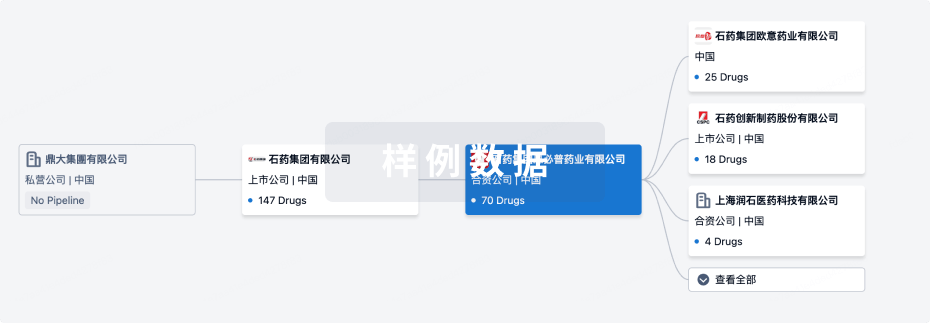
组织架构
使用我们的机构树数据加速您的研究。
登录
或
管线布局
2026年10月23日管线快照
无数据报导
登录后保持更新
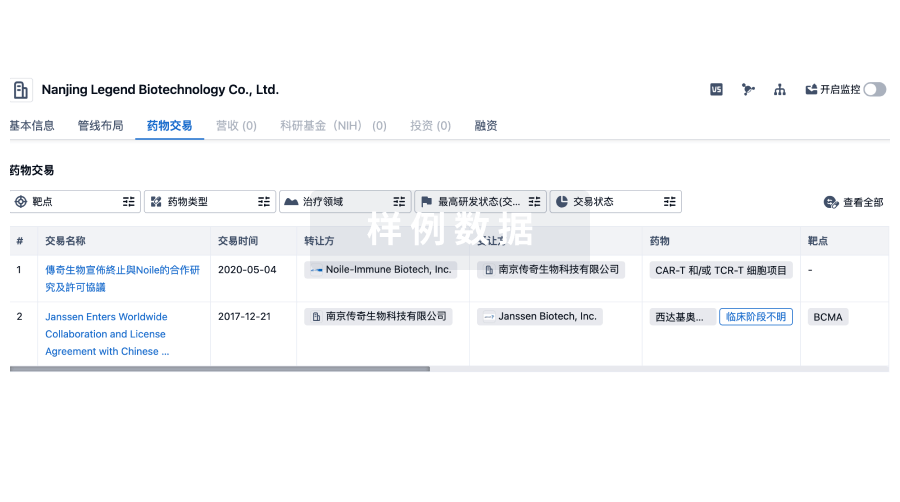
药物交易
使用我们的药物交易数据加速您的研究。
登录
或
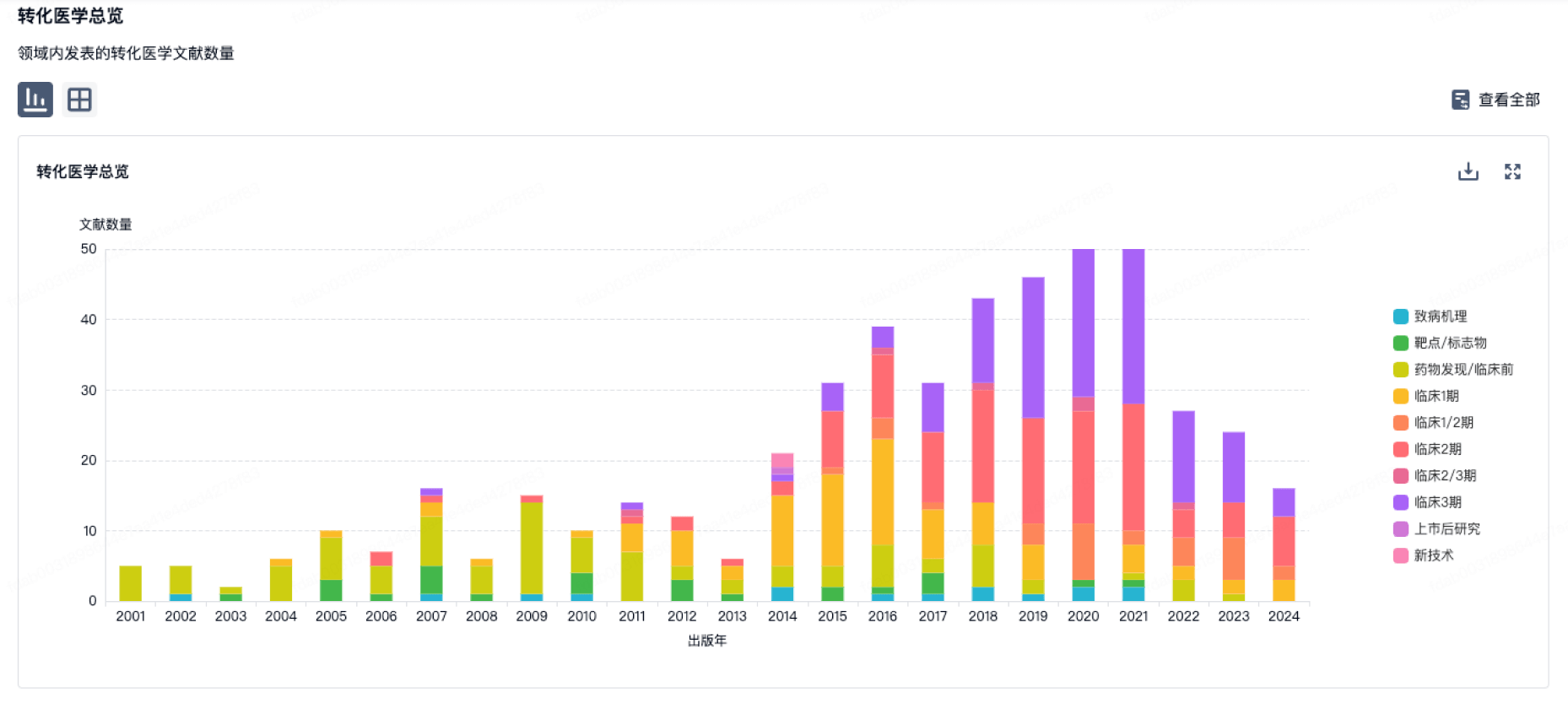
转化医学
使用我们的转化医学数据加速您的研究。
登录
或
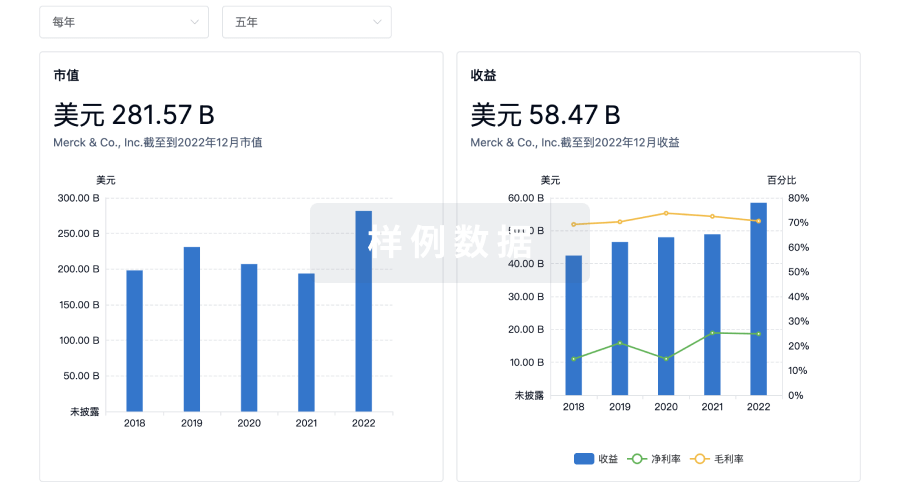
营收
使用 Synapse 探索超过 36 万个组织的财务状况。
登录
或
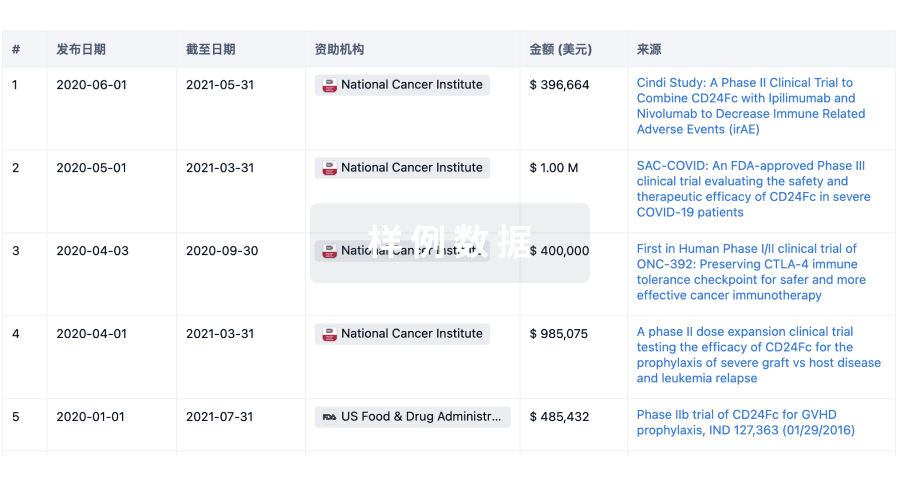
科研基金(NIH)
访问超过 200 万项资助和基金信息,以提升您的研究之旅。
登录
或
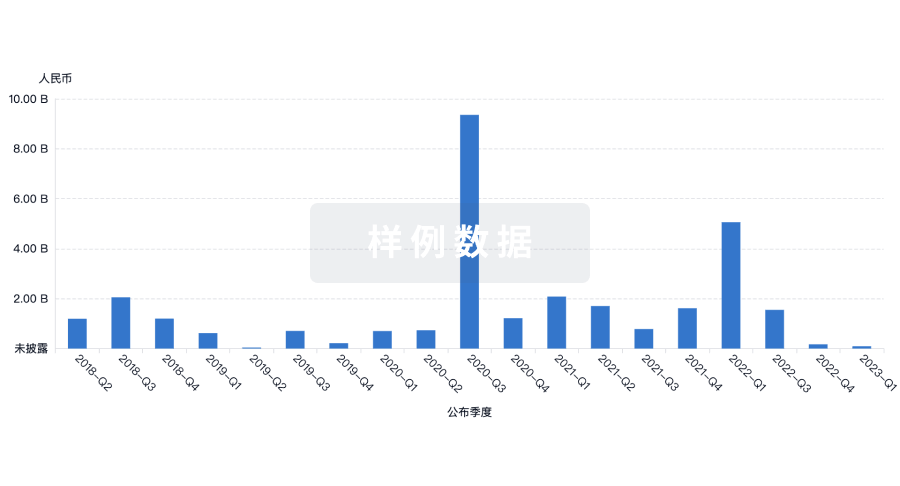
投资
深入了解从初创企业到成熟企业的最新公司投资动态。
登录
或
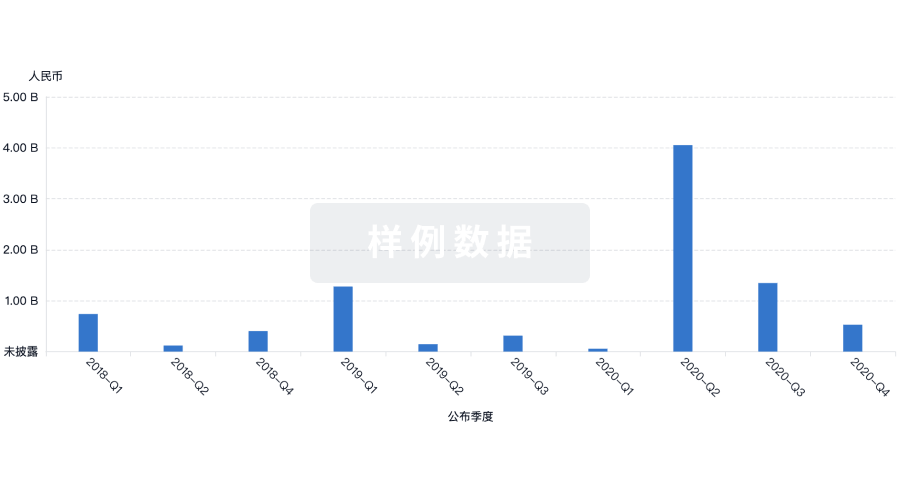
融资
发掘融资趋势以验证和推进您的投资机会。
登录
或
提出任何生物医药研究问题
让每一步生物医药决策都精准制胜
基于十亿级生物数据与全球情报的精准 AI,赋能早期药物发现
立即开始免费试用!
智慧芽新药情报库是智慧芽专为生命科学人士构建的基于AI的创新药情报平台,助您全方位提升您的研发与决策效率。
立即接入生物医药数据包
智慧芽新药库数据也通过智慧芽开放平台,以MCP或API服务形式对外开放。立即使用我们的MCP服务定制您的LLM智能体。
生物序列数据库
生物药研发创新
免费使用
化学结构数据库
小分子化药研发创新
免费使用